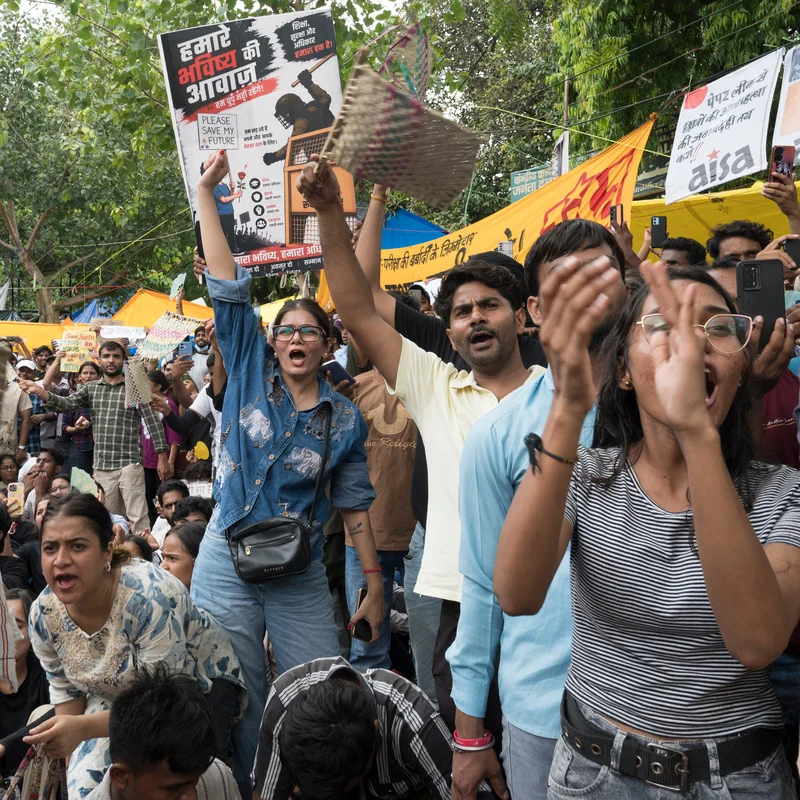
For a while, it wasn’t clear where the protests that brought tens of thousands of young people onto streets across India over the past month were going. The police had cracked down with force; the protesters were holding their ground in their campaign against the failures of the country’s education system and their own poor job prospects. It looked like things could potentially turn even more ugly in the world’s largest democracy.
Then, over the weekend, the government blinked. Narendra Modi’s education minister resigned, meeting a key protester demand. The demonstrations have been called off, for now.
But that doesn’t mean the government’s problems with India’s young people are over. Today, Anupreeta Das, a South Asia correspondent who has been covering the protests, writes about India’s challenge to improve life for its vast population of people under 30. If it can’t, the country risks squandering their potential, with lasting consequences.
India’s young people problem
By Anupreeta Das
Narendra Modi almost never caves to anyone. But he caved to India’s young people.
This weekend, Modi capitulated to protesters’ demands that his education minister resign. It was an unexpected move by a strongman leader who isn’t fond of dissent; that he did so is an indication that Modi knows India’s youths have real power. They might not be able to improve their own lives at the moment — that’s why they’re protesting, after all — but they can at least make Modi’s life harder.