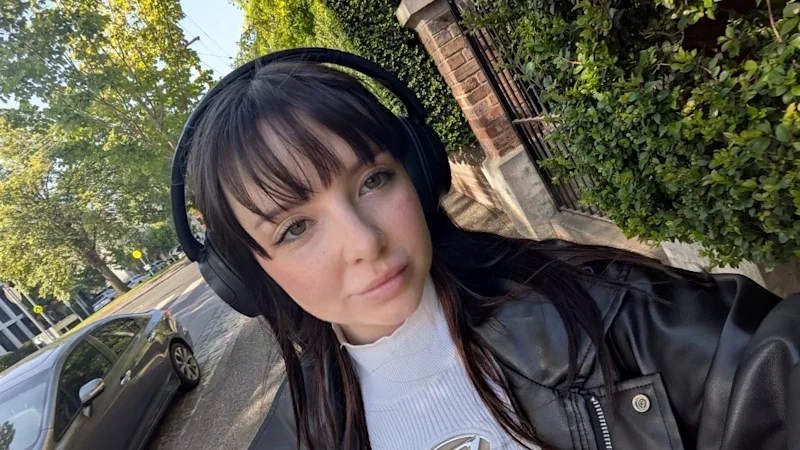
Living at home with her parents well into her 20s has resulted in a huge financial saving that has helped 25-year-old Chloe Henry get ahead in life and also helped the communications professional save for her first overseas holiday.
Henry doesn’t pay any rent to her parents, instead contributing by buying some groceries and helping with the housework. Other than that, her income is hers to do with as she pleases.
“I’m lucky that my parents have allowed me to stay at home for as long as I want and that they’re happy to have me there. I’m off to Japan in September for my birthday, and I can’t wait,” she says.
Each morning, she travels via public transport from Berwick into Melbourne, a journey that takes 90 minutes each way. But the sacrifice has been worth it, enabling her savings to quietly grow.
“Living at home means I’m not feeling like I’m under a price crunch. I have a savings goal in mind, and I’ve been able to reach that goal a lot faster,” she says.
But the future of life on her own isn’t entirely clear. The hope is that one day, she could be in a strong enough position to be able to rent with her partner, who is still in university.
“I’m pretty pessimistic about the housing market and being able to save up to move out or put a deposit on a home. A lot of my friends still live at home and don’t have plans to move out anytime soon either.”
Staying put
Henry is not alone. New research from AMP shows that for many, support is no longer just about the bank of mum and dad, it’s also about the house of mum and dad, with extended families open to sharing housing, costs and care in more practical ways.
The shift has been driven mostly by younger singles as housing affordability, rate increases and cost of living pressures combine to make living alone increasingly unaffordable.
The growing number of shared living arrangements is in direct response to the constant rise in living costs, which shows no sign of easing.
While common in some cultures, multi-generational living isn’t the norm in Australia. But what started during the pandemic as a way to save money as housing costs bolted has now become a way of life for many.
At a time when so many people are seeking financial stability, it’s understandable that living with a flatmate could be undesirable for some given that factors outside their control – such as job losses or a large unexpected bill – could impact on their ability to cover rent.
Generational shift
AMP’s research found that 68 per cent of 20- to 39-year-olds support multi-generational living, but fewer than two in five people aged 65 and over do. This points to a generational shift in expectations around independence and home ownership.
“As housing pressures intensify and Australia becomes increasingly multicultural, younger Australians are rethinking what the ‘Australian dream’ looks like,” explains Ben Hillier, AMP’s director of retirement.
“This shift also tells us something important about confidence for retirement, which in Australia has long been tied to home ownership. Alongside super, Australians’ sense of financial security will increasingly be shaped by the household around them – how families live, what support they can provide one another and how costs and care are shared.”
Mortgage brokers have noticed the change in property demand too as they’re asked to help families find homes that will accommodate extended family members, says Rebecca Jarrett-Dalton of Two Red Shoes.
“Our job as brokers is no longer just about securing a rate – it’s about providing creative pathways, whether it’s navigating generational wealth when buying property, or helping families explore shared ownership,” she says.
As for Henry, she admits she doesn’t have all the answers about housing in the future, but does hope that one day she can thank her parents for letting her stay home well into her 20s. “Maybe I can pay for them to take a holiday one day,” she says.