POSCO Future M is rolling out a companywide artificial intelligence (AI) transformation to boost manufacturing productivity, accelerate product development and strengthen its competitiveness in the global battery materials market.
The battery materials maker said it has adopted the digital innovation vision of "Battery of Things (BoT) Ecosystem Game Changer" and established an AI transformation road map built around standardized processes and data-driven operations, with the initiative set to be completed in the first half of 2028.
Under the plan, the company will embed AI across its entire value chain, from raw material sourcing and manufacturing to research and development and customer collaboration, laying the groundwork to become a leading global advanced materials company.
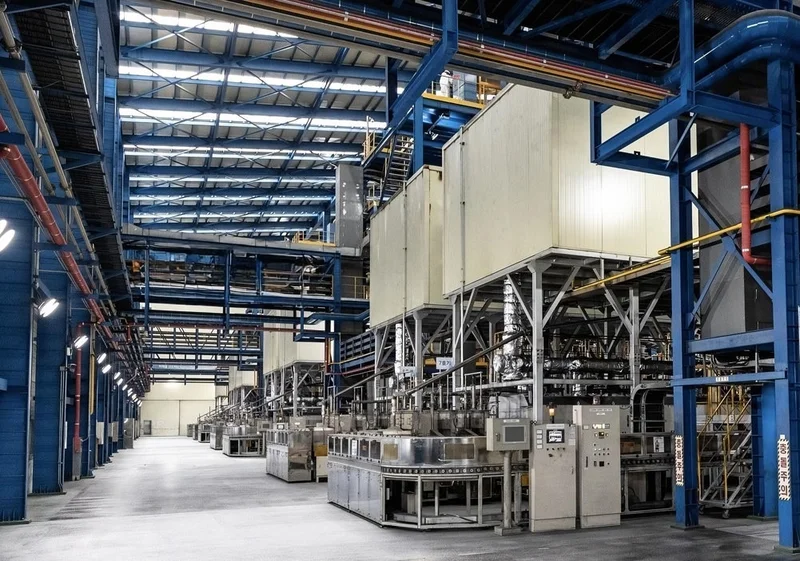
The road map has five priorities: optimizing business processes and systems with AI Agents, expanding intelligence through an integrated data hub and building AI-powered intelligent factories.
Its key initiatives include optimizing business processes and systems with AI agents, expanding intelligence through an integrated data hub and building AI-enabled intelligent factories. The plan also calls for end-to-end connectivity linking raw materials with finished products, as well as closer AI-enabled R&D collaboration with strategic customers.
Once fully implemented, the company expects AI-driven manufacturing technologies to increase manufacturing productivity by 30 percent.
In R&D, AI-based technology analysis, product design and virtual validation are expected to reduce product development time by half, while automated quality analysis using AI-powered robotics will double the response speed to customer quality issues through faster root-cause analysis and corrective action.
POSCO Future M plans to apply AI more broadly to sales and marketing. AI simulations will be used throughout the order process, from forecasting raw material prices and customer demand to supporting pricing negotiations.
The company said AI-based analysis will enable more data-driven decision-making while improving visibility across contracts, orders, production and shipments.
In environmental, social and governance management, the company plans to use AI to automatically detect, diagnose and optimize inefficient equipment operations, reducing energy consumption while improving operating efficiency.
“POSCO Future M plans to leverage data accumulated across the entire product lifecycle from production and management to sales to build a platform that can help set standards for the expanding battery ecosystem beyond electric vehicles, including energy storage systems, robotics and drones, while creating new business opportunities,” the company said.
Going forward, the company said it will incorporate AI agents into all newly developed systems to minimize manual intervention.
It also plans to train at least one AI specialist in every department by the end of this year to identify and lead AI projects, helping accelerate AI adoption across the organization.