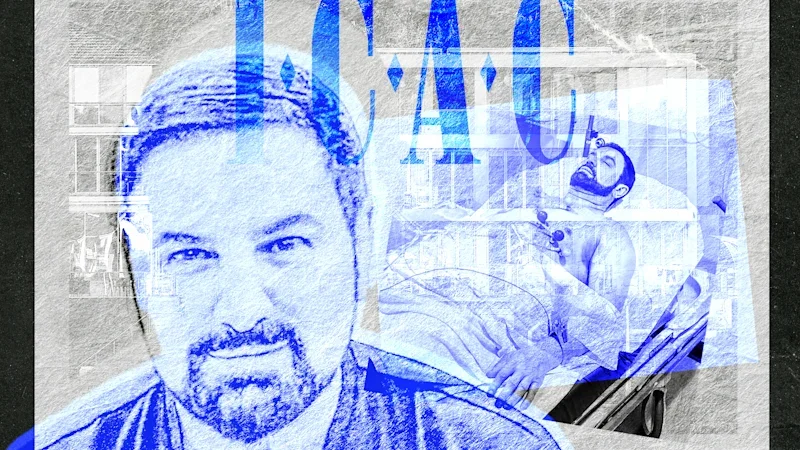
The latest Independent Commission Against Corruption investigation is likely to cause a stink in NSW politics that will linger for years.
Operation Rosny is examining allegations that a group of conservative Liberal Party powerbrokers known as the Reformers, including two brothers of former NSW premier Dominic Perrottet, accepted illegal political donations from wanted property developer Jean Nassif.
The inquiry heard that Nassif allegedly offered $2 million in donations from his now-collapsed property empire, Toplace, in exchange for political favours that may have included the replacement of then-minister for fair trading Kevin Anderson by Eleni Petinos, the removal of building commissioner David Chandler, and funding branch stacking against then-Coalition minister for police David Elliott.
In her opening address, counsel assisting the commission, Dr Peggy Dwyer, SC, said the ICAC would examine whether Nassif’s boastful claims about the then-premier being his “boy” and ministers being his “girls”, heard in tapped calls played to the commission on Monday, were “wishful thinking that serendipitously came to pass”, or the result of work paid to Liberals to achieve his ends.
Dwyer warned fake invoices, dodgy bank accounts, shadowy corporate structures and other plots were much more than wrongdoing or potential criminality. “Money in politics, as in other spheres of life, has the potential to corrupt,” she said. “Big-spending participants can also drown out smaller players and new entrants, potentially undermining the democracy we take for granted in NSW. And importantly, a system of government that we take for granted as not being able to be bought and sold can be harmed in a way that may cause long-term damage to our faith in democracy and the willingness of citizens to involve themselves in political affairs.”
The shocking allegations put to the opening day illustrate the corruption watchdog’s value to NSW.
Victoria, which has suffered years of politically and financially bruising breaches of public trust, has an Independent Broad-based Anti-corruption Commission, but its jurisdiction and powers are more limited than the ICAC.
Operation Rosny also highlights the paucity of achievement by the federal ICAC. The so-called “sports rorts” and robo-debt affairs certainly established a need, but the National Anti-Corruption Commission set up by the Albanese government lacks the NSW watchdog’s heft. The recent and obscure departure of the inaugural commissioner, Paul Brereton, did little to enhance its reputation.
In 1988, the Fitzgerald Inquiry exposed massive corruption within Queensland’s Bjelke-Petersen government, and NSW opposition leader Nick Greiner proposed an ICAC as an election promise. It was to be fearless, armed with strong powers and independent of the executive government.
The Herald endorsed Greiner’s proposal, adding the ICAC should prove an effective and very welcome weapon against corruption.
Greiner was also the ICAC’s first high-profile scalp; he resigned after a probe into whether he’d engineered a public service job for an MP to secure a byelection in his seat.
The commission has now spent 38 years investigating corruption in public office. It has ended careers and led to criminal charges for politicians and public figures. These latest hearings show that its vital work is never finished.