If you canât afford your next gaming console, is cheaper or even free ad-based Xbox cloud streaming really the future? If so, then weâd be better off with a slim, portable device dedicated solely to streaming. The problem is nobody wants to make the one streaming handheld weâd actually want to use.
On Tuesday, The Verge published an interview with Logitech Gâs new head honcho, Robin Piispanen, that explicitly mentions that the G Cloud streaming handheld isn’t getting a sequel anytime soon. The reason why is clear: Players didnât actually like the device all that much. Back in 2022 and 2023, you could buy a Steam Deck for $50 more and play your own PC games without much fuss.
The Logitech G Cloud was not going to work three years ago, but how about now, when handheld prices are untenable for most? Piispanen says Asusâwhich makes the ROG Xbox Ally Xâand other handheld makers operate on âslim marginsâ that require them to partner with companies, like Nintendo or Valve, with direct access to gaming content. But is it really just a case of margins, or can anybody prove thereâs a real demand for streaming-only devices?
The only reason weâre even talking about streaming handhelds is because component prices have become obscene. A Steam Deck OLED now starts at $790 for 512GB of storage. Lenovoâs Legion Go S and Legion Go 2 handhelds demand hundreds of dollars more than they did at launch. A modern, high-powered on-the-go device like the MSI Claw 8 EX AI+ starts at $1,800. Letâs not even consider even more powerful portable gaming devices that cost $5,000 or more.
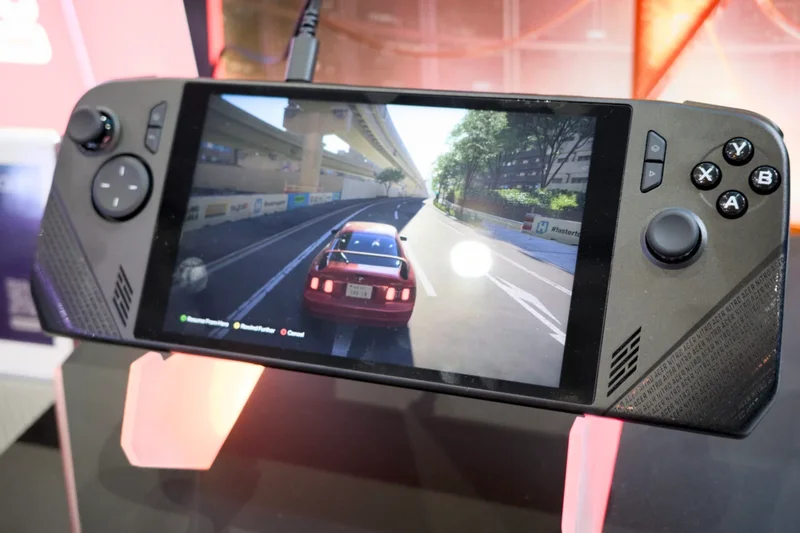
The only way to bypass todayâs handheld pricing problems is to effectively run the most pared-down handheld possible. My first interaction with that awful future was Acerâs upcoming Nitro Blaze Link. The device runs on only 1GB of RAM and holds a measly 8GB of storage. All that system memory is geared to the Linux-based OS and nothing more.
I spent a bare few minutes trying to play that device on the Computex 2026 show floor. I canât emphasize the word âtryingâ hard enough. The device felt cheap, from the thin plastic shell to the thin-feeling joysticks. The analog triggers had a clicky sensation à la the Nintendo Switch Lite, which made it a terrible system to try and stream a game like Forza Horizon 6. The bigger problem was how, in such a crowded hall, the signal to the handheld was so poor the game was a laggy, unplayable mess.
Thatâs only a first impression for a device thatâs yet to see the light of day. Acer hasnât yet offered a price point for its upcoming handhelds.
You donât have to go far to find one company that has reportedly seen success with a streaming device. Sonyâs $250 PlayStation Portalâessentially a DualSense controller with a screen shoved in betweenâconnects to PlayStation Network for cloud streaming. The remote player reportedly has a relatively high attachment rate for PS5 owners, near 7% as of last year, according to Circana’s lead video game industry analyst Mat Piscatella. Sony may have a Portal with a prettier OLED display in the works, but the refreshed device hasnât surfaced since the initial rumors back in January.
Why did the PlayStation Portal succeed where the Logitech G Cloud failed? Like Piispanen said, PlayStation fans with a ton of games tied to their accounts want more places to play their games when away from their TV. Ignoring the whole physical games fiasco, Sony can make the case for streaming-only hardware. If anybody should be taking notes, it should be Xbox.