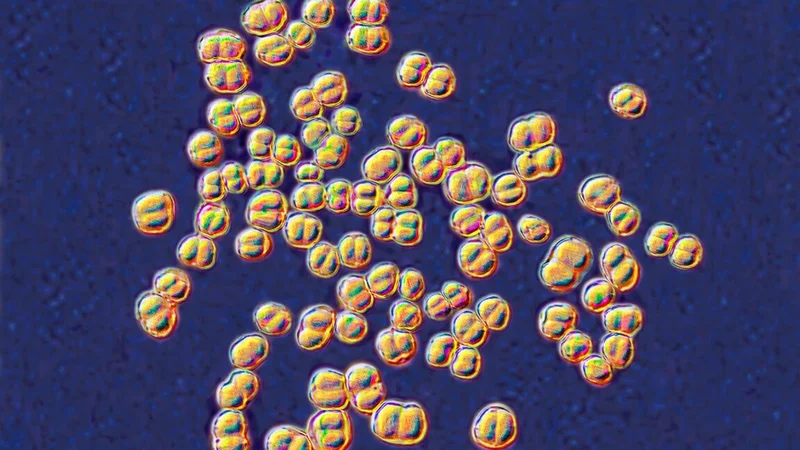
A bizarre series of events in a college microbiology lab class left 33 people—including students, professors, and lab workers—believing they were exposed to a deadly germ. Of those, 32 began taking an antibiotic regimen as a precaution to prevent a life-threatening infection. Two also underwent lumbar punctures—aka spinal taps—after developing mild symptoms.
But none of them had actually been exposed to a dangerous pathogen, a fortunate twist in the strange incident, which otherwise stands to be a cautionary tale for the ages. The incident was published in a recent issue of Morbidity and Mortality Weekly Report.
It began with a simple laboratory exercise. The microbiology lab students were supposed to be given mystery bacteria by their instructors and then identify the microbe based on a series of biochemical tests and morphological characterization.
Unbeknownst to the students, the mystery bacteria was supposed to be Plesiomonas shigelloides, a common, non-scary bacterium. It infects a variety of animals, including fish, and has been known to cause diarrhea in humans. But it can be found throughout the environment and in the gastrointestinal tracts of healthy people, too.
To the lab instructors’ great surprise, no one in the microbiology class identified their mystery germ as P. shigelloides. Instead, every single person in the class identified it as Neisseria meningitidis, a dangerous pathogen that can cause meningitis (swelling of the brain and spinal cord) and bloodstream infections, both potentially deadly.
N. meningitidis can spread by aerosols, and in laboratories, it requires specialized handling measures to prevent exposures. That includes respiratory protection and a biosafety cabinet, which is an enclosed, ventilated workspace that prevents the bacteria from spreading in the air. But the students did not have those things; they just had gloves and lab coats.
When the instructors checked the lab class’s work, they couldn’t find fault with their conclusion. They had all identified the mystery bacterium as a gram-negative, oxidase- and catalase-positive diplococcus with carbohydrate fermentation patterns all consistent with N. meningitidis.