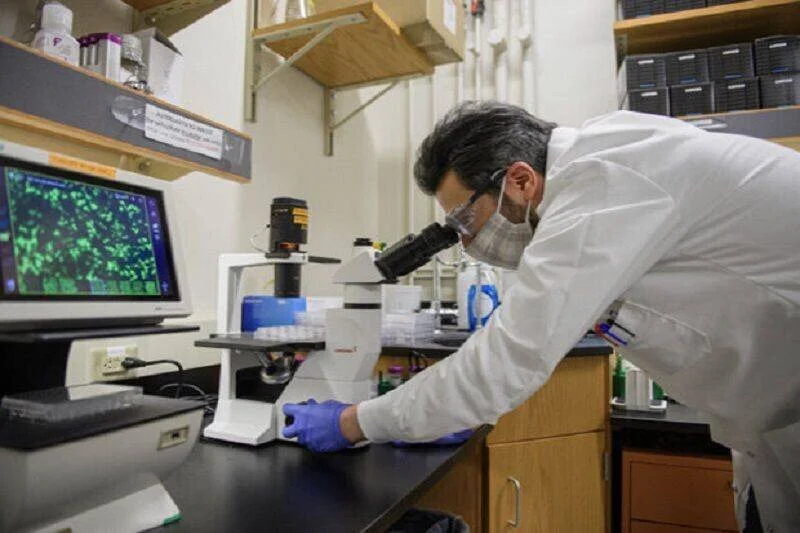
INSF, Tehran University of Medical Sciences to improve cancer research
TEHRAN – The Iran National Science Foundation (INSF) and the cancer institute of Tehran University of Medical Sciences have discussed ways to improve cancer-related research and lay the groundwork to develop infrastructure in this regard.
During a Tuesday meeting, the two sides discussed the current state of cancer research in the country, existing capacities and challenges, highlighting the importance of organizing clinical data, benefiting from artificial intelligence (AI) to improve the quality of research, and launching specific calls to support research on cancers, IRNA reported.
According to the participants, organizing, integrating, and standardizing cancer-related data is a fundamental prerequisite for advancing national studies.
The officials also highlighted holding scientific events, like ‘night of science’, which are centered around cancer diagnosis, treatment, and biology, the development of research priorities, and the INSF participation in advancing research infrastructure, such as reliable databases.
According to the health ministry, cancers are the leading causes of premature mortality in the country.
They account for more than 55 thousand deaths annually. Some 34 thousand deaths out of 122 thousand premature deaths (under 70 years of age) and 11 thousand deaths out of 85 thousand very premature deaths (under 50 years of age) are caused by various cancers.
The first 10 most common cancers in Iran are breast, prostate, colon, stomach, lung, bladder, thyroid, uterus, brain, and spine cancers. The most common cancers of Iranian women include breast, colon, thyroid, stomach, uterine, leukemia, ovary, brain and spine, lungs, and esophagus.
Early detection through screening will increase the chance of successful treatment and improve the life expectancy of the patients.
Fortunately, Iran is among the countries with advanced cancer treatment technology. This year, an Iranian knowledge-based company managed to develop a nanotechnology diagnostic kit for early detection of antigens associated with helicobacter pylori, which is the most frequent cause of chronic gastritis, duodenal ulcer, and stomach cancer.
The achievement will reduce dependence on imported products, enhance the screening system, improve patient access to diagnostic services, and lower healthcare system costs.
Launching the first national production line for electroporation systems in 2025, Iran became the first country in Asia to acquire advanced cancer treatment technology.
Electroporation is highly efficient in the treatment of various types of cancer, such as skin cancer, such as squamous cell carcinoma (SCC), a common type of skin cancer that develops in the flat cells of the upper layer of the skin, melanoma, and breast cancer.
More than a thousand patients have been treated so far using this therapy; in more than 200 cases, successful treatment has prevented the need for amputation.
MT/MG