Seongsu-dong, a trendy neighborhood in eastern Seoul famed for its converted warehouses and hipster cafes, turned into an unlikely battleground against global intellectual property theft on Thursday. Outside a flagship store for beauty giant Olive Young, government officials, consumer advocates and scholars gathered to launch a public campaign called K-Brand Guardian Angels.
As the global obsession with Korean pop culture — from K-pop and television dramas to skincare and cuisine — continues to skyrocket, so does an insidious shadow market. Fake cushion compacts, knockoff serums and copycat store signs mimicking famous Korean brands have proliferated in overseas markets and online marketplaces.
To tackle the surge of counterfeit goods, the Korean Intellectual Property Office (KIPO) hosted an interactive pop-up event in the bustling shopping district. The initiative aims to transform everyday consumers into front-line defenders of national trademarks.
Passersby were invited to test their skills at side-by-side exhibitions comparing genuine cosmetics with sophisticated fakes. Visitors were also shown how to use the government’s newly expanded digital reporting portal, an online platform where citizens can flag suspicious knockoffs spotted on global e-commerce sites or at foreign retail outlets.
"As the value of Korean brands rises globally, so do attempts to exploit them through counterfeits and trademark infringement," said Seo Kyoung-duk, a professor at Sungshin Women's University and prominent cultural promoter who joined the event. "Protecting our intellectual property rights is vital for sustaining the Korean wave."
The hour-long pop-up featured lighthearted touches to engage the evening crowd, including quiz games, photo zones where participants received symbolic certificates and an appearance by Miri, the official KIPO mascot. Prominent attendees including KIPO Commissioner Kim Yong-sun and CJ Olive Young executives donned angel wings to pledge their support for authentic purchasing.
The fight against fake K-goods is escalating as the market expands.
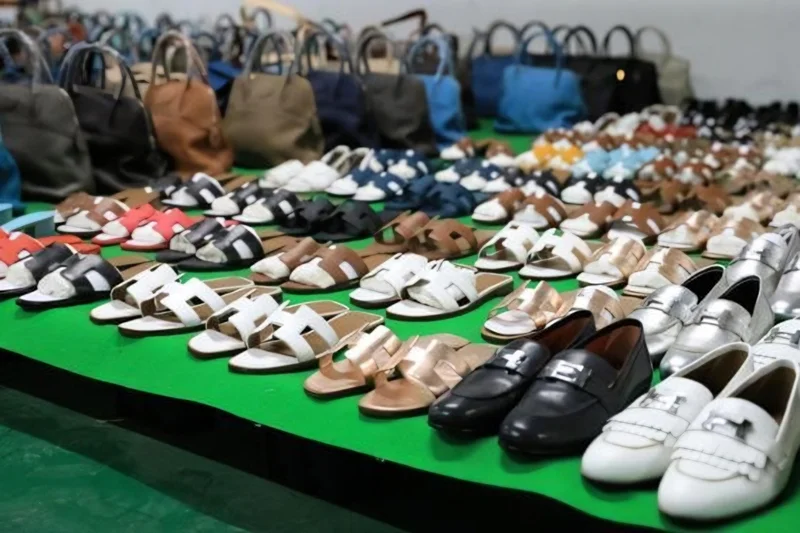
In 2025 alone, Korean intellectual property law enforcement seized over 140,000 counterfeit items valued at a record 432.6 billion won ( $320 million) — a massive surge driven by high-profile crackdowns. While luxury goods and electronics dominate the seizures, bogus cosmetics remain a top safety concern. Unlike genuine K-beauty products bound by strict quality controls, authorities say these bootleg formulas are often laced with heavy metals and unverified chemicals, turning routine skincare routines into health hazards.
"With the rising popularity of K-brands, unauthorized attempts to hitch a ride on their prestige will only grow," said Kim. "We want to foster a culture where consumers actively participate as guardians of these brands, ensuring that reported cases lead to direct enforcement action."
At the center of the campaign is a streamlined reporting hub. Designed for quick public use, KIPO said the platform enables anyone who spots suspected counterfeit Korean goods to submit an online report directly to authorities.
This article was published with the assistance of generative AI and edited by The Korea Times.