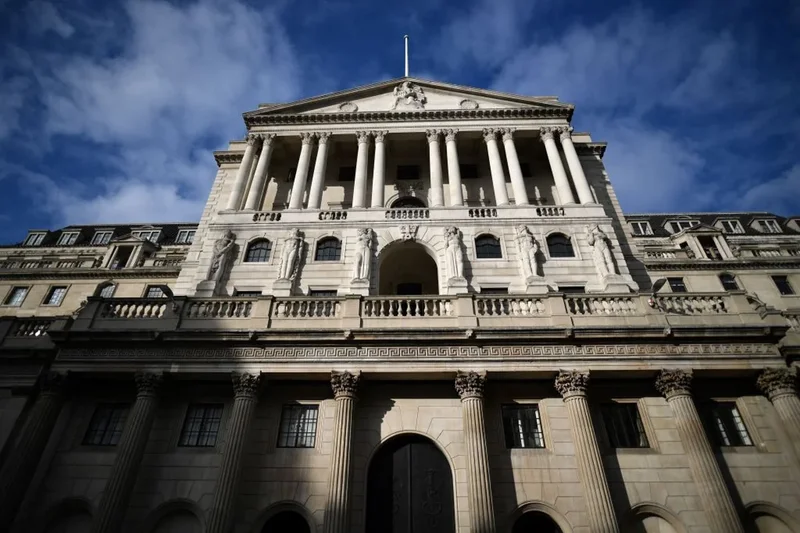
The Bank of England (BoE) has held interest rates at 3.75 per cent once more, despite an expectation of climbing inflation in the coming months.
Rates have been maintained at this level since December of last year but there is no widespread speculation that they will now rise again later this year, largely driven by the impacts of the Iran war.
The BoE’s Monetary Policy Committee (MPC) voted 6-3 in favour of a hold this time, highlighting both the number of dissenters and the overall acceptance that rates will head upwards.
Rising fuel costs, as a direct consequence of the conflict in the Middle East, impacts the price of production, manufacturing, energy and transport. Raising interest rates is the Bank’s primary tool to try to counter that and prevent inflation spiralling out of control.
However, the reluctance to raise rates too early can be explained by the UK’s extremely slow economic growth, unemployment hovering around 5 per cent and a property market which has stuttered over the past year and seen millions of homeowners move off mortgage deals signed when interest rates were far lower, meaning repayments are considerably higher now.
Looking further ahead to the rest of the year, Kathleen Brooks, research director at XTB, notes that the expectation remains of a move to 4 per cent by the MPC by winter, and possibly as soon as the next meeting - though the date of John Healey’s first Budget as chancellor could impact that.
“The interest rate futures market is pricing in two rate cuts in the next year, and there is currently a 52 per cent chance of a rate hike in September, and a 56 per cent chance of a hike in November,” she said. “We think that November is more likely, if the BoE is still considering a rate hike at that stage since by that time the committee will have a better idea about 2027 pay awards, and the Budget should have been announced, which will give the MPC a clearer idea of the new PM’s economic policy.”
This is a breaking news story, more to follows...