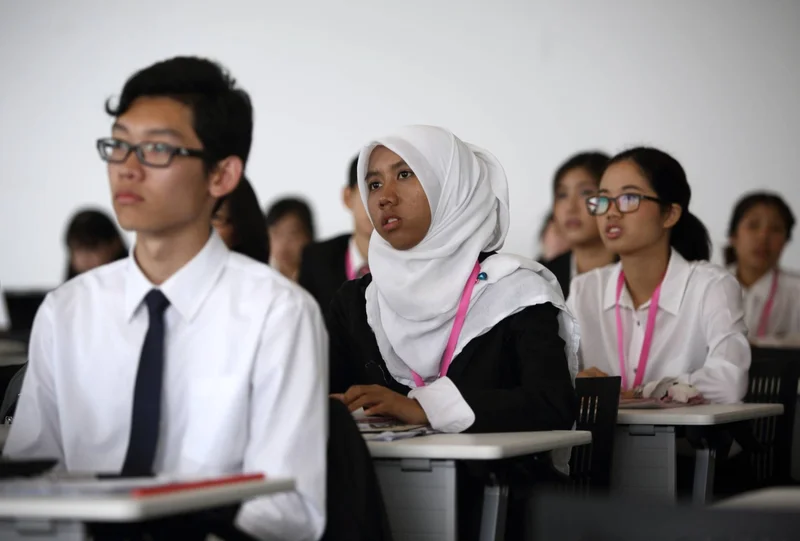
In a step forward, Japan is strengthening Japanese-language education for children with foreign backgrounds. Schools and municipalities are expanding specialist instruction, multilingual assistance and programs for new arrivals.
Yet the challenge remains serious. According to the latest Ministry of Education figures, a record 84,759 public-school students required Japanese-language instruction as of May 2025. Of these, 9,699 students, or 11.4%, received no instruction based on special educational consideration. These gaps matter, but they are not the whole story.
Beneath these figures lies a quieter crisis: children may learn enough Japanese to appear integrated while continuing to struggle academically, lose access to the languages spoken within their families and become less able to communicate their inner lives to their parents.