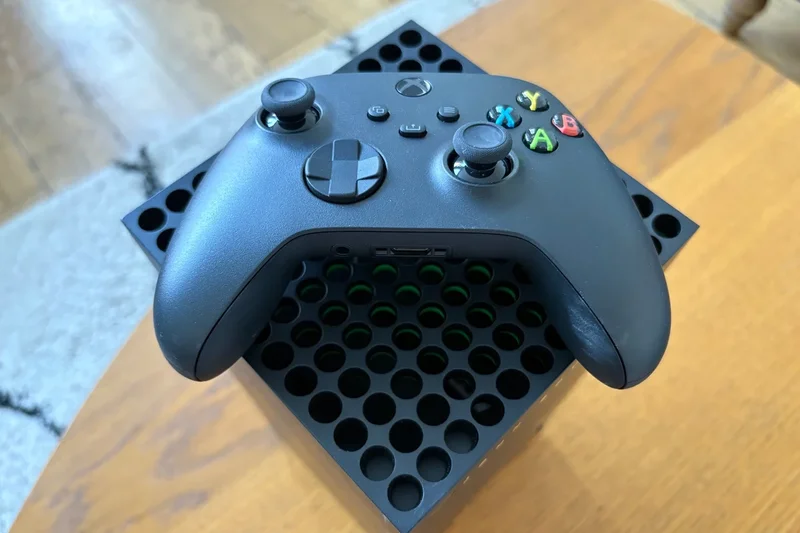
Microsoft’s technology boss has explained a bizarre outage at Xbox that prompted fears about the future of gaming.
Earlier this week, Xbox players were hit by an outage that meant their consoles were unable to connect to the internet for around 20 hours. But in addition to that frustration, users were hit by an unexpected problem: they were unable even to play games that didn’t appear to require any connection to the internet, and which they owned as a physical disc.
The problems came shortly after PlayStation announced that it would stop making games available in physical editions. That prompted fury from players, who suggested that it would remove the ability to buy and sell games second-hand or from physical stores, as well as giving parent company Sony too much control over how games are distributed.
The Xbox outage only intensified that concern, since it suggested that even when players do own a physical disc they may not actually be able to use their games as expected. What’s more, players noted that if games become digital only then they will be only more likely to be left affected by such a widespread outage.
Now, Xbox’s chief technology officer Scott Van Vliet has apologised for the problems and said that parent company Microsoft will be working to ensure it cannot happen in the future. “This is an unacceptable situation, and we must do better to support you,” he said.
The problems came about because “a licensing service that sits outside of Xbox, but which Xbox depends upon, began failing”, he said. “This caused some sign-in scenarios to fail, and it caused many scenarios that require an entitlement check to also fail, such as listing out your Full Library and launching games that you own.”
The company would be running a full review to find out what happened during the outage, he said.
“I care less about the one-line root cause and more about the real questions: why a failure in one service was able to take down this much, why recovery took as long as it did, and what we change so a single point of failure can't ruin your night again,” he wrote on X, formerly Twitter. “That means hardening the dependencies underneath sign in and game launch, improving how we detect and contain this class of failure, and being faster and clearer with you when something breaks.”