GSK Korea is calling for a shift toward preventive health care as the country's rapidly ageing population puts growing pressure on its health care system, emphasizing that prevention should play a larger role in promoting healthier lives and ensuring its long-term sustainability.
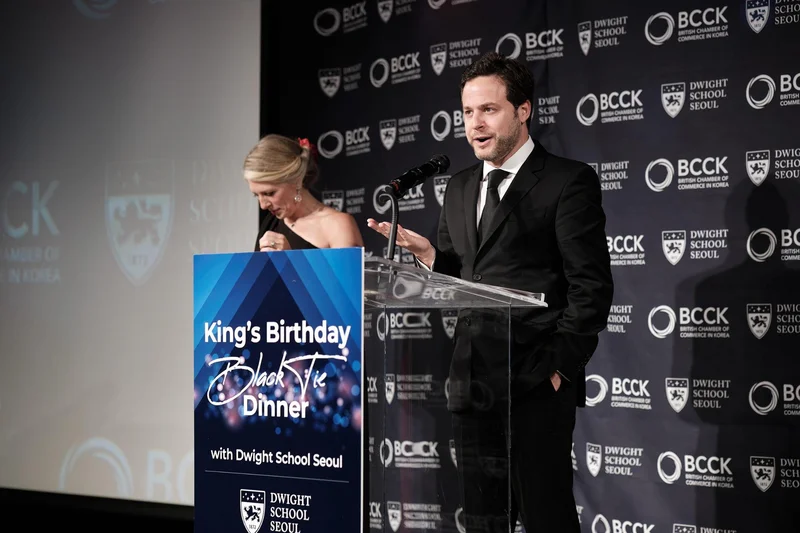
The company recently received the Campaign of the Year Award at the British Chamber of Commerce in Korea Business Awards for its Healthy Ageing Korea campaign, an initiative that combines policy engagement, public awareness activities and community programs.
"This recognition is particularly meaningful because it acknowledges not only a successful campaign, but also a collective effort to address one of Korea's most pressing societal challenges: the transition to a super-aged society," GSK Korea President and CEO Gunnar Riediger told The Korea Times in a written interview.
He noted that Korea officially became a super-aged society in 2025, with people aged 65 and older accounting for 20.3 percent of the population.
The company launched the campaign in response to the growing need to move beyond a health care model focused primarily on treating disease after it occurs.
"As people live longer, the challenge is no longer only about extending life, but also about ensuring that those additional years are healthy, active and fulfilling," he said.
While treatment remains essential, he said greater attention should be given to prevention because it can help people maintain their health and independence while reducing the broader social and economic burden associated with age-related illnesses.
"Ultimately, we wanted to encourage a broader shift from a treatment-centred mindset towards a prevention-centred healthcare paradigm — one that supports healthier lives, greater health equity, and the long-term sustainability of the healthcare system," Riediger said.
The company also highlighted the economic value of prevention, citing analysis presented at the 2025 Healthy Ageing Korea Forum showing that adult vaccination in Korea generated a return on investment of 1.52 for shingles vaccination and 1.65 for respiratory syncytial virus vaccination.
The CEO said the campaign stood out for combining evidence-based policy engagement with community participation rather than focusing solely on raising awareness.
"I believe what made the campaign stand out was its comprehensive and balanced approach," he said.
The initiative combined economic and public health evidence on adult immunization with community engagement, encouraging older adults to become active participants in promoting healthy ageing rather than simply beneficiaries of support.
One of the campaign's most significant achievements was bringing together policymakers, health care experts, patient representatives, academics and international partners through the Healthy Ageing Korea Forum to discuss prevention and health care sustainability in an ageing society.
He said the initiative also helped strengthen policy discussions by generating evidence on the economic, societal and public health value of adult immunization, while community programs underscored that healthy ageing extends beyond health care policy.
"What makes me particularly proud is that we successfully connected these two dimensions," he said. "By bringing together evidence generation, stakeholder dialogue, and real community engagement, we demonstrated that meaningful and sustainable change requires both strong evidence and human connection."
Looking ahead, the CEO said GSK Korea will continue working with government, health care, academic and community partners to build evidence on the clinical, societal and economic value of preventive health care while expanding community-based healthy ageing initiatives.
"Healthy ageing will remain a long-term strategic priority for GSK Korea," he said. "Building on the foundation established through Healthy Ageing Korea, we remain committed to contributing to a future where people not only live longer, but live healthier, more active, and more fulfilling lives."