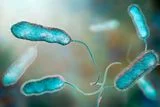
A person can breathe in water droplets carrying Legionella without realizing the bacteria have entered their lungs. Symptoms may not appear until days later, when a fever and cough can develop into a dangerous form of pneumonia.
An outbreak is unfolding on Manhattan’s Upper East Side. As of July 20, 2026, 76 people have been diagnosed with Legionnaires’ disease, four have died, and seven remain hospitalized, according to the New York City Health Department (NYC Health).
Most people exposed to Legionella never become sick. But when the bacteria take hold in the lungs, the resulting pneumonia can progress to respiratory failure, septic shock, and kidney failure. Approximately one in 10 people who develop Legionnaires’ disease die from complications, according to the Centers for Disease Control and Prevention (CDC).
Read More: A Legionnaires' Disease Outbreak Has Sickened 28 People in New York City — Here's What to Know
How Legionella Bacteria Reach and Infect the Lungs
Legionella occurs naturally in freshwater, usually in amounts too small to make people sick. Problems arise when the bacteria multiply inside human-made water systems.
According to the CDC, cooling towers, hot tubs, fountains, showerheads, faucets, and large plumbing systems can all provide places for the bacteria to grow. Devices that spray or circulate water can release contaminated droplets small enough to inhale.
People generally do not catch Legionnaires’ disease from one another. Drinking contaminated water also does not usually cause an infection unless some of it accidentally enters the lungs.
Once inhaled, the bacteria exploit a weakness in the body’s defenses. In the environment, Legionella survives by reproducing inside amoebas and other single-celled organisms. Human immune cells called alveolar macrophages resemble those natural hosts.
Macrophages normally surround invading germs and destroy them. Legionella can instead enter these cells and multiply inside them, according to the CDC’s clinical overview. The immune cell becomes a shelter for the very bacteria it was meant to eliminate.
Why Legionnaires’ Disease Can Become Deadly
Legionnaires’ disease is a form of bacterial pneumonia. As the infection worsens, the lungs may struggle to supply the body with oxygen and remove carbon dioxide.
In severe cases, this can progress to respiratory failure. A patient may require supplemental oxygen or mechanical ventilation while antibiotics fight the infection.
The danger does not always remain confined to the lungs. According to the Mayo Clinic, Legionnaires’ disease can cause septic shock, in which blood pressure falls so sharply that organs receive too little blood. The heart works harder to compensate, while the brain and kidneys may become starved of oxygen.
Acute kidney failure is another possible complication. When the kidneys can no longer filter the blood properly, fluid and waste can rapidly accumulate in the body.
People infected while receiving health care face particularly serious danger. The CDC estimates that approximately one in four people who contract Legionnaires’ disease in a health care facility die.
Early Diagnosis Can Make a Critical Difference
Adults over 50 face an increased risk, as do current and former smokers and people with chronic lung disease, diabetes, cancer, kidney or liver disease, or weakened immune systems.
Symptoms usually appear within two to 14 days of exposure. They can include fever, cough, shortness of breath, muscle aches, headache, diarrhea, nausea, and confusion.
Legionnaires’ disease can be difficult to recognize because its symptoms and appearance on medical scans resemble other forms of pneumonia. According to the CDC’s clinical guidance, laboratory testing is needed to identify it, and some antibiotics routinely used for pneumonia may not target Legionella.
Most patients recover when they receive the right antibiotics early. But every delay gives the bacteria more time to multiply inside the lungs and push the infection beyond pneumonia into organ failure.
New York health officials advise anyone who has lived, worked, or spent time in the affected Upper East Side neighborhoods since late June to seek medical care immediately if they develop a cough, fever, or difficulty breathing.
This article is not offering medical advice and should be used for informational purposes only.
Read More: Severe COVID or Severe Flu May Raise Risk of Lung Cancer, But Vaccines Helped in Animal Tests
Article Sources
Our writers at Discovermagazine.com use peer-reviewed studies and high-quality sources for our articles, and our editors review for scientific accuracy and editorial standards. Review the sources used below for this article: