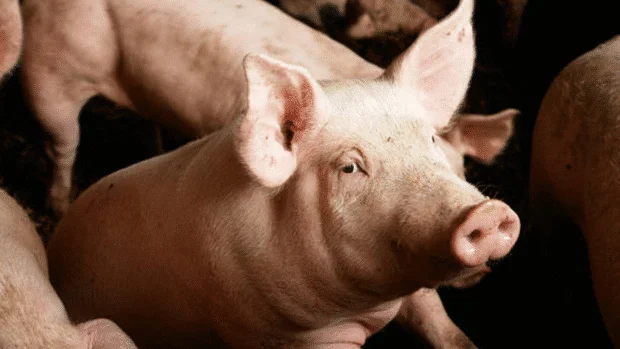
19 pigs culled after ASF infects hogs in Brgy. Quiot, Cebu
CEBU CITY, Philippines — Local veterinary authorities here humanely culled 19 pigs in a remote area of Barangay Quiot after laboratory tests confirmed African Swine Fever (ASF) in nine hogs.
The Cebu City Department of Veterinary Medicine and Fisheries (DVMF) disclosed the figures on Friday, clarifying that the depopulation operation followed confirmed ASF-positive blood samples from nine hogs and complied with national disease control protocols.
The clarification came after Mayor Nestor Archival earlier announced that the city had culled “more or less 20” pigs to contain a suspected ASF case.
Dr. Jessica Maribojoc, head of the DVMF, said veterinary personnel immediately isolated the affected area and implemented disease control measures after confirming the infection.
“The humane depopulation and burial of the 19 live pigs formed part of our immediate response after blood samples from nine hogs tested positive for African Swine Fever,” Maribojoc said in an advisory.
ASF contained within 15 days
The DVMF said authorities successfully contained the outbreak within 15 days of detection, preventing ASF from spreading to neighboring piggeries and barangays.
The agency credited the rapid containment to intensified surveillance, movement controls, and coordination among local and national government agencies.
Immediately after confirming the cases, the DVMF
- intensified ASF surveillance through random testing and monitoring in neighboring barangays;
- launched information campaigns on ASF prevention and farm biosecurity;
- established inter-barangay border controls to regulate the movement of live pigs and pork products.
Executive order already in effect
The agency said these measures supplemented Executive Order No. 86, which Mayor Archival signed before the detection of the ASF cases to strengthen Cebu City’s biosecurity measures.
Before the positive cases emerged, the city had already
- conducted consultations with officials from rural barangays on ASF prevention and biosecurity;
- coordinated with the Bureau of Animal Industry-Veterinary Quarantine Service Region 7, Cebu Port Authority, Philippine Coast Guard, Cebu City Police Office, Cebu City Market Operations Division, and the Central Visayas Pork Producers Cooperative; and
- strengthened inspections and border controls at Cebu Ports 1, 2, and 3, as well as the Pasil Fish Port, to regulate the entry of live hogs and pork products.
The city also tightened documentary requirements for hog traders, meat transporters, and boat operators bringing live pigs and pork products into Cebu City.
Under Executive Order No. 86, transporters must secure veterinary health certificates, ASF-negative laboratory results, shipping permits, and certificates of acceptance before bringing live hogs or pork products into the city.
Hog raisers urged to report sick animals
Following the successful containment, the DVMF urged backyard and commercial hog raisers to immediately report unusual illness or deaths among pigs to veterinary authorities.
The department also encouraged raisers to strengthen farm biosecurity and insure their livestock against possible disease outbreaks.
“Early reporting and strict compliance with biosecurity measures remain critical in preventing the spread of ASF and protecting the livelihood of hog raisers,” the DVMF said.
ASF is no threat to humans
African Swine Fever is a highly contagious viral disease that affects domestic and wild pigs but does not infect humans or pose a food safety risk.
However, the disease can cause nearly 100 percent mortality among infected hogs and inflict significant economic losses on raisers and the pork industry.
Because no commercially available vaccine or cure exists, veterinary authorities rely on surveillance, rapid testing, humane culling of infected animals, strict biosecurity, and movement restrictions to contain outbreaks.
Disclaimer: The comments uploaded on this site do not necessarily represent or reflect the views of management and owner of Cebudailynews. We reserve the right to exclude comments that we deem to be inconsistent with our editorial standards.