Medellin Flower Fair 2026: A Practical Guide
Expats & Nomads · Colombia
The Medellin Flower Fair (Feria de las Flores) opens on July 31, 2026, launching 11 days of celebrations that define the city’s cultural calendar. For expats and digital nomads, this is the peak of the year, when the already vibrant city shifts into its highest gear with over 200 activities and five major parades.
What Is the Medellin Flower Fair?
The Feria de las Flores is Medellin’s most important annual festival, a citywide tribute to the flower-growing tradition of the Santa Elena hillside just east of the urban center.
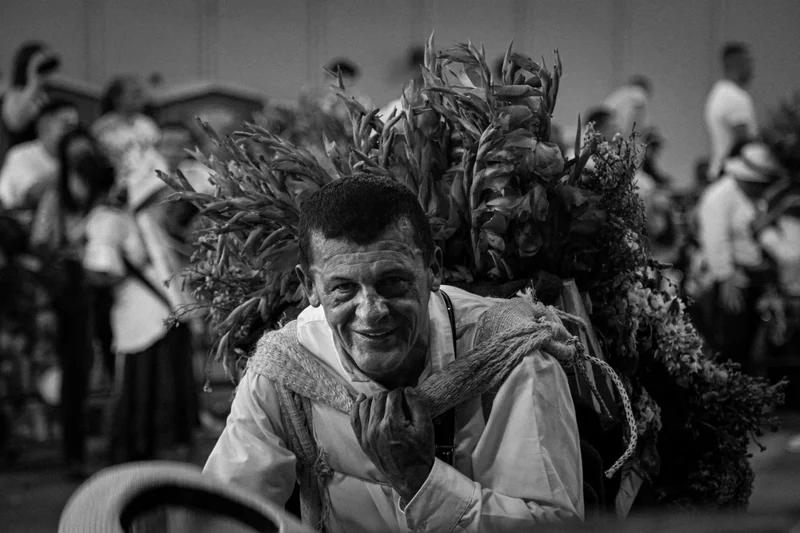
Its heart is the silletero culture, a practice dating back to the 19th century when farmers carried flowers, produce, and even people down the mountain on wooden chairs strapped to their backs.
Today, the fair transforms that heritage into a modern spectacle of music, art, and community pride, with stages called tablados popping up across all 16 comunas (districts) and five corregimientos (rural townships).
Key Dates and the Silleteros Parade
The fair officially begins on Thursday, July 31, and builds toward its grand finale on Sunday, August 10: the 68th Desfile de Silleteros (Silleteros Parade).
This year, 535 silleteros and silleteras will march through the streets carrying silletas, massive wooden frames loaded with intricate floral arrangements that can weigh up to 70 kilograms.
The parade is the emotional climax of the fair, drawing hundreds of thousands of spectators to Avenida del Río and surrounding streets.
Beyond the main parade, four other major processions animate the city, including the Cabalgata (horse parade) and the Desfile de Autos Clásicos (classic car parade).
Musical performances run nightly on the tablados, featuring everything from traditional trova music to reggaeton and salsa.
A Free Festival for Everyone
One of the most welcoming aspects for foreigners is the accessibility: the city government organizes more than 110 activities that are completely free and open to the public.
You do not need tickets for the tablados, the parades along public streets, or most cultural exhibitions.
This democratic spirit means you can experience the fair authentically whether you are on a tight nomad budget or simply want to wander and discover.
Some premium seating areas for the Silleteros Parade may have costs, but the vast majority of the festival is designed to be enjoyed without spending a peso.
Practical Tips for Expats and Nomads
Book your accommodation as early as possible. The fair coincides with peak tourist season, and neighborhoods popular with foreigners like El Poblado and Laureles fill up weeks in advance.
Plan your work schedule around the key dates. August 10 is a Sunday, but the preceding Friday and the weekend will be loud, crowded, and full of street closures.
Public transport is your best friend. The Metro system runs extra services during the fair, and it is far more reliable than taxis or ride-shares on parade days.
Learn a few local terms. A silletero is the flower carrier, a silleta is the flower arrangement itself, and a tablado is a temporary music stage.
Stay hydrated and carry cash. Medellin’s August weather is warm and dry, and while many vendors accept cards, smaller street stalls selling mango biche or arepas often do not.
If you want to see the silletas up close without the parade crowds, visit Santa Elena in the days before August 10, where you can watch families assembling their arrangements.
Understanding the Silletero Tradition
The silletero tradition originates in the vereda (hamlet) of Santa Elena, where generations of families have cultivated flowers on small plots of land.
Historically, the silleta was a practical tool for transporting goods and even children down the steep mountain paths to Medellin’s markets.
The first official parade was held in 1957, and it has since grown into a UNESCO-recognized expression of intangible cultural heritage.
Today’s silleteros compete in categories based on silleta size and style, from traditional arrangements of sunflowers and carnations to monumental creations that depict landscapes and national symbols.
For many participants, the parade is a profound point of family pride, with skills and designs passed down through multiple generations.
Navigating the City During the Fair
Expect road closures around the main parade route, particularly along Avenida del Río and the streets feeding into it.
The Metro and Metrocable lines are the most efficient way to move between events, and they offer stunning views of the valley and the flower-decorated city.
If you are working remotely, test your internet backup plan. Cafés and coworking spaces in quieter neighborhoods like Envigado or Sabaneta can be good refuges when your usual spot gets too festive.
Embrace the local rhythm. The fair is not just a spectator event; it is a citywide mood that spills into restaurants, parks, and even grocery stores, where you will find floral displays and special menus.
Frequently Asked Questions
Do I need tickets for the Medellin Flower Fair?
Most events are free. The city organizes more than 110 free activities, including the tablados and street parades. Only select premium seating areas may charge a fee.
What is the best way to see the Silleteros Parade?
Arrive early along Avenida del Río for a free standing spot. The parade starts in the morning on August 10. Alternatively, visit Santa Elena in the days before to see the silletas being built.
Is Medellin safe during the Flower Fair?
The fair draws huge crowds and a heavy police presence. Exercise normal urban precautions: guard your phone, avoid empty streets late at night, and use the Metro to move around.