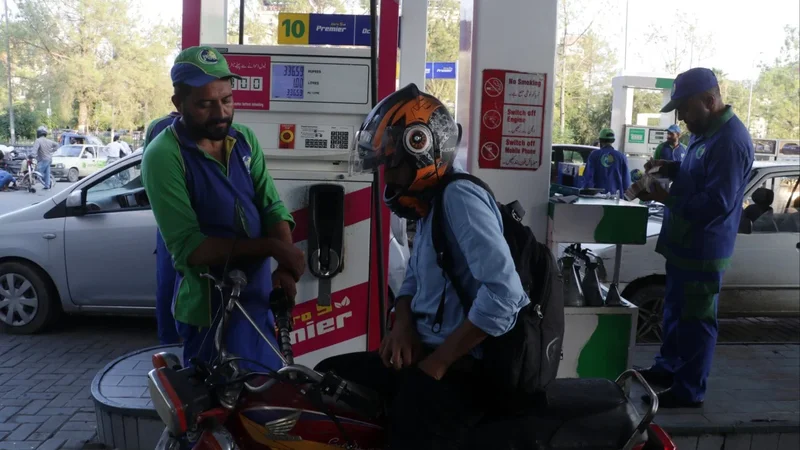
Pakistan, Bangladesh face economic squeeze as US-Iran crisis widens
Another energy-price shock could mean renewed pressure on their currencies, subsidies and public finances
Both economies rely heavily on imported fuel, leaving them particularly vulnerable to any prolonged spike in oil and diesel prices.
Jamus Lim, an associate professor of economics at ESSEC Business School Asia-Pacific, said both economies could face significant inflationary pressure in the near term, noting that weak inventory buffers meant the impact on domestic prices would be “relatively quick”.
Oil markets already reflect these concerns, with prices on track for their biggest monthly gain since March by the end of July, including double-digit increases in crude and products such as diesel.
Benchmark Brent crude prices were up nearly 21 per cent to US$84.85 a barrel in Asian trading on Friday afternoon, from US$70.18 on July 1, while WTI was up by around the same margin to US$81.84 a barrel over the same period.
The risks are no longer confined to Gulf shipping lanes, after a drone strike on gas vessels in Egypt’s Mediterranean port of Damietta on Wednesday added to concerns about shipping risks around the Suez Canal, one of the remaining routes for Saudi oil.