Japan has decided to revise its nuclear energy policy guidelines to include a target of rebuilding two to five nuclear power reactors by the 2040s.
The decision was adopted at a meeting of relevant Cabinet ministers held at the prime minister’s office on Friday to prepare for a projected power supply shortage in the 2040s due to the decommissioning of aging nuclear reactors that have been in operation for 60 years.
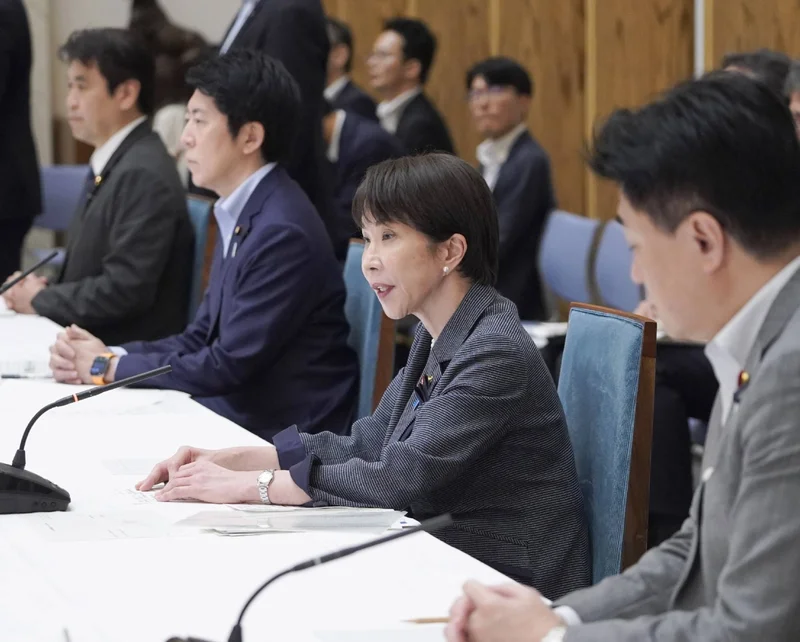
“We will move forward with policies to ensure investment in nuclear power plants,” Prime Minister Sanae Takaichi said at the meeting, suggesting that the government will also promote programs to nurture human resources.
Industry minister Ryoichi Akazawa outlined plans to reduce the burden on local governments and advance surveys by revising the basic policy regarding the selection of final disposal sites for high-level radioactive waste from nuclear power plants.
It is the first time that the government as a whole has set a target for rebuilding nuclear plants since the 2011 triple meltdown at Tokyo Electric Power Company’s Fukushima No. 1 plant.
In the new guidelines, the reconstruction of Fukushima Prefecture and the decommissioning of the Fukushima No. 1 nuclear plant are regarded as the most important issues.
The government also projected that the country will need to rebuild 11 to 14 reactors by the 2050s
In its basic energy program adopted at a Cabinet meeting in February last year, the government clearly stated its policy of making “maximum use” of nuclear plants. It aims to raise the proportion of nuclear power in the country’s power supply mix to about 20% in fiscal 2040.