Sign in. It’s quick, free and it’s up to you.
An account is an optional way to support the work we do. Find out more.
THE GOVERNMENT HAS welcomed a sharp increase in the number of international protection appeals being processed, but an immigration lawyer has warned the figures reflect changes to the appeals system that could disadvantage some asylum seekers.
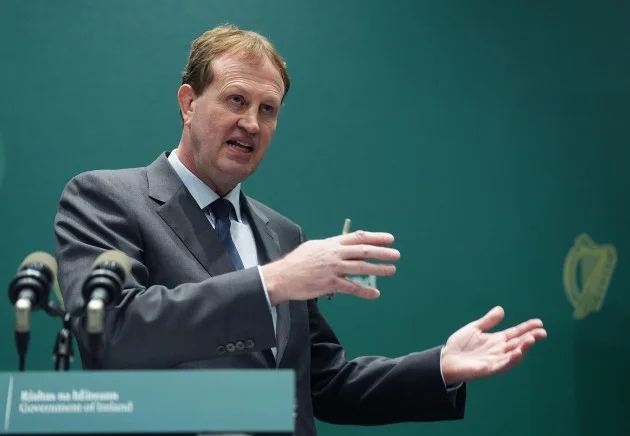
In response to a parliamentary question from Green Party leader Roderic O’Gorman earlier this month, justice minister Jim O’Callaghan said the International Protection Appeals Tribunal (IPAT) had already closed 4,812 appeals by 5 July and was on course to “significantly exceed” the 6,300 appeals completed across the whole of 2025 this year.
The minister said increased investment and digitisation were among the changes that had significantly increased the system’s capacity.
However, immigration solicitor Cathal Malone said the increase in appeals being closed should not automatically be interpreted as evidence of a more efficient system.
Malone said the increase stemmed largely from changes introduced in recent years that fast-track applications from certain nationalities considered less likely to qualify for protection.
Since April 2024, applicants from countries including Nigeria, Jordan and, more recently, Pakistan have been placed in the accelerated procedure, meaning their main asylum interview can be scheduled within weeks of arriving in Ireland.
Malone argued that the shorter timeframe leaves many applicants with little opportunity to obtain legal advice or gather evidence to support their claims, such as medical or psychological reports, or documents from their home country.
He said some applicants receive a decision before they have even been able to meet a solicitor through the Legal Aid Board.
He also pointed to changes at appeal stage whereby many accelerated cases are now decided on the papers rather than through an oral hearing before the tribunal.
“Of course the number of cases closed has gone up,” Malone said.
“The tribunal is now being permitted to do a huge amount of work without actually having oral hearings.”
Malone argued that oral hearings allow tribunal members to hear evidence directly, clarify inconsistencies and assess credibility. Deciding appeals solely on written submissions, he said, increases the risk that applicants with genuine protection claims could be refused.
“The consequences of getting this wrong are just too severe to have a process which is so rushed that people don’t get proper legal representation,” Malone said.
He also criticised the prioritisation of applications from countries considered less likely to qualify for protection, arguing that applicants from countries with higher recognition rates can instead spend years waiting for decisions.
“The people who are most likely to ultimately be granted protection are waiting the longest,” Malone said.
He added that the previous system had prioritised applicants who appeared most likely to qualify for protection, allowing them to begin rebuilding their lives sooner.
“If you’re making priorities, surely you prioritise the people who are the most likely to ultimately be granted protection,” Malone said.
The Department of Justice said this weekend that the criteria for determining an appeal without an oral hearing include applicants raising issues of no or minimal relevance to their eligibility for international protection, or making contradictory, improbable or insufficient representations. The rules on oral hearings were set out in law in 2015.
Appeals can also be decided without an oral hearing “where an applicant has failed, without reasonable cause, to make their application as soon as is reasonably practicable”, the department said, adding that each request for an oral hearing is considered on a case-by-case basis.
The department said the independent appeal tribunal system is fair, transparent, respectful and efficient, and has increased the number of appeals processed through hiring more administrative and legal support staff and tribunal members. Online hearings and cooperation with the European Union Agency for Asylum have also increased the number of decisions.
In his response to the parliamentary question, O’Callaghan, the minister, said the International Protection Office (IPO) delivered more than 20,200 first-instance decisions in 2025. These are the first formal determination of whether someone should be granted refugee status or permission to remain in Ireland. The 2025 total was up 44% on the previous year.
O’Callaghan said the government’s new International Protection Act, which came into effect in June to implement the EU Migration and Asylum Pact, would further reduce processing times by introducing standardised timelines for asylum decisions.
To embed this post, copy the code below on your site