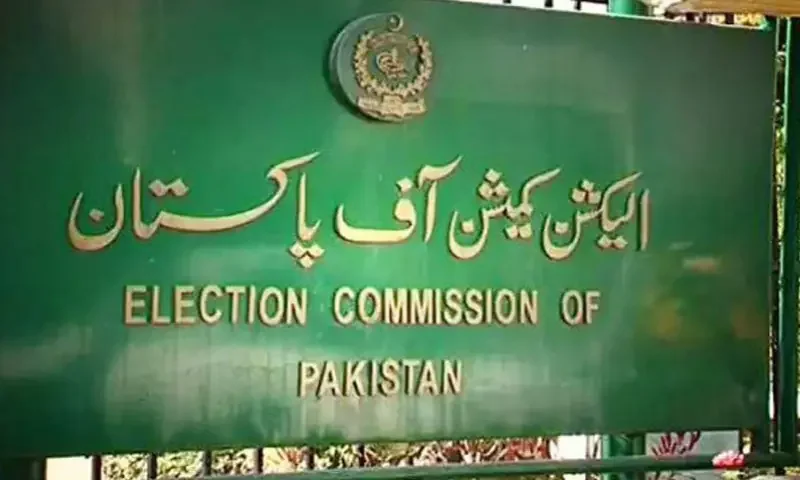
ISLAMABAD: Pakistan’s electoral rolls contracted by 589,458 voters between May 7 and July 2, 2026, as the Election Commission of Pakistan (ECP) removed a large number of deceased voters from the electoral database, more than offsetting fresh registrations during the period, it emerged on Sunday. According to official ECP statistics analysed by Dawn, the total number of registered voters fell from 137,163,857 on May 7 to 136,574,399 on July 2. A senior ECP official said 895,000 new voters were enrolled during the period, but the deletion of around 1.48 million deceased voters resulted in a net decline of 589,458 voters nationwide. The number of male voters dropped from 73,286,821 to 72,835,859, a decrease of 450,962, while female voters declined from 63,877,036 to 63,738,540, down by 138,496. The reduction narrowed the gender gap among registered voters from about 941,000 to 910,000. Overall, 99 of the country’s 144 districts recorded a decline in registered voters, while 45 districts posted a net increase. Punjab Punjab accounted for the overwhelming share of the decline. The province lost 478,909 voters, with the total falling from 77,955,543 to 77,476,634, representing 81.2 per cent of the nationwide reduction. Nine of the 10 districts with the largest declines were in Punjab. According to ECP figures, Faisalabad recorded the largest decrease, with 41,264 voter entries removed, bringing the district’s total down from 56,18,044 to 55,76,780. It was followed by Sheikhupura, with a decline of 31,783 voters, from 22,68,275 to 22,36,492; Gujranwala, with a drop of 30,302 voters, from 29,79,820 to 29,49,518; and Sialkot, which lost 30,129 voters, bringing the number down from 29,84,882 to 29,54,753. The number of voters in Gujrat dropped by 29,553, followed by Sargodha with a decline of 26,675, Multan with 26,420, Kasur with 24,367 and Bahawalpur with 22,259. Likewise, Khanewal saw a decline of 19,504 voters, Rahim Yar Khan 18,574, Lahore 16,633, Narowal 15,914, Toba Tek Singh 15,395, Rawalpindi 13,577, Mandi Bahauddin 13,480 and Attock 11,180. The number of voters in Nankana Sahib and Muzaffargarh declined by over 10,000 each. Another nine districts saw a decrease of over 5,000 each. These included Okara, which saw a decline of 9,784 voters; Khushab, 8,226; Chakwal, 7,377; Dera Ghazi Khan, 6,755; Wazirabad, 6,723; Rajanpur, 6,621; Kot Addu, 6,358; Lodhran, 6,348; and Chiniot, 5,396. Sindh Sindh recorded the second-largest provincial decline, losing 97,216 voters, with the total dropping from 28,772,963 to 28,675,747. Karachi South recorded the largest decline in the province, with 20,243 fewer voters, making it the only non-Punjab district among the top 10 districts with the biggest declines. The number of voters in the district fell from 13,30,682 to 13,10,439. It was followed by Karachi East, where the removal of 16,873 voters brought the total down from 18,15,780 to 17,98,907. Keamari lost 9,983 voters, Karachi West 8,394, Hyderabad 7,573, Khairpur 7,228 and Sanghar 6,240. KP Khyber Pakhtunkhwa (KP) recorded a comparatively small net decline of 9,046 voters, with the provincial total falling from 23,415,995 to 23,406,949. However, it was the only province where more districts recorded gains than losses. In overall terms, the province lost 9,049 voters, accounting for 1.53 per cent of the total decline. While the number of male voters slipped by 16,884, the number of female voters increased by 7,838. Haripur lost 4,978 votes, followed by Abbottabad with 4,182, Charsadda with 3,946, Kohat with 3,352, Nowshera with 3,313, Lower Dir with 3,153 and DI Khan with 2,895. Other districts to have lost over 2,000 votes included Mardan, Hangu and Bannu. Balochistan In Balochistan, the number of voters declined by 2,226, accounting for a 0.38pc decrease. The total fell from 57,65,008 to 57,62,782, reducing the number of male voters by 6,518 while increasing the number of female voters by 4,292. Loralai and Sibi saw declines of 1,048 and 1,025, respectively. Most districts recorded marginal changes, restricted to two or three digits. Islamabad Capital Territory saw a small decline of 2,061 voters, from 12,54,348 to 12,52,287. Those removed from the electoral rolls comprised 1,118 men and 940 women. Despite the overall decline, 45 districts recorded an increase in registered voters between May 7 and July 2. KP led the gains, with 20 of its 36 districts adding voters. Of Balochistan’s 36 districts, 13 saw an increase, while nine of Sindh’s 30 districts recorded a rise in voter numbers. In Punjab, only three of the province’s 41 districts witnessed an increase in the voter count. In KP, the biggest increase was recorded in Peshawar, which added 4,835 voters, taking the total from 22,46,457 to 22,51,292. Other major gains in the province included Bajaur with 3,797, Lower Dir with 3,153, Buner with 1,738 and Mansehra with 1,603. Other districts with increases of over 1,000 included Malakand, Khyber and South Waziristan (Lower). In Balochistan, Quetta remained ahead with an increase of 4,052 voters, followed by Pishin, which saw an addition of 2,523 voters. In 11 other districts, the increase ranged between 65 and 573. Sindh also saw growth in nine districts. Karachi Central recorded the highest increase in the province, with 4,428 new voters, rising from 22,60,158 to 22,64,586. Jacobabad gained 3,928 voters, Ghotki 2,479, Naushahro Feroze 2,103 and Korangi 1,024. Other districts with nominal growth included Larkana, Malir, Tharparkar and Thatta. In Punjab, only three districts saw gains, which were offset by much larger deletions elsewhere. The largest increase was recorded in Bahawalnagar, where the number of voters surged by 16,094, from 20,12,083 in May to 20,28,177 in July, followed by Sahiwal with 4,755 and Vehari with 1,089.
Electoral rolls shrink by 589,458 in less than two months as ECP removes 1.48m deceased voters