'Shiraz historical district restoration should rely on AI, future studies'
TEHRAN – The director-general of Cultural Heritage, Tourism and Handicrafts of Fars province has called for the use of artificial intelligence, advanced technologies and future-oriented approaches in the preservation and revitalization of Shiraz’s historic urban fabric.
Speaking at a ceremony marking the anniversary of the national registration of Shiraz’s historic district, Behzad Moridi on Sunday said the creation of comprehensive databases and the expansion of digital infrastructure were essential steps toward developing smart tourism in the historic core of the city.
Moridi said accurate and scientific data collection should be considered the first step in heritage management, adding that effective planning for historic areas requires reliable information systems.
“After establishing databases, we should design specialized super-applications and create diverse hyperlinks to provide an integrated response to all the needs of audiences and users,” he said.
The Fars heritage official emphasized that new technologies could transform approaches to protecting and reviving historic areas, allowing authorities to adopt more efficient and forward-looking strategies.
Known as one of the main centers of Persian culture for more than two millennia, Shiraz is renowned for its literature, gardens, crafts and historic monuments. The city served as the capital of Iran during the Zand dynasty between 1751 and 1794 and was among the most influential cities of the medieval Islamic world.
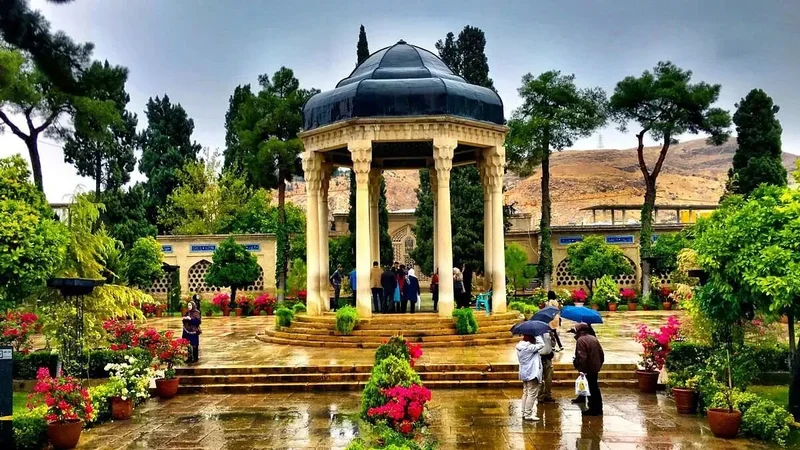
The historic city attracts domestic and international visitors with landmarks including Eram Garden, Afif-Abad Garden, the tombs of Persian poets Hafez and Sa’di, the Jameh Mosque of Atigh, and the ancient site of Persepolis. Its historic Persian gardens, including Bagh-e Narenjestan and Eram Garden, remain among the city’s most popular tourist destinations.
AM