Parts of the southwestern Western Cape experienced their driest July ever, a harbinger of what looms ahead for much of the country as the El Niño weather pattern intensifies and looks set to become a blazing record-breaker.
âBelow-normal rainfall was observed in June and persisted into July [in the southwestern region of the province], with several parts of the region recording their lowest rainfall on record during July,â the South African Weather Service (SAWS) said on Friday, 31 July.
âSeveral severe weather systems impacted parts of the Western Cape during May and early June 2026, which significantly improved water storage across many parts of the province. Since then, a strong blocking Atlantic high-pressure system to the west of the country has driven cold frontal systems further south of the province.â
And as those cold fronts missed the province the rains they would typically unleash did not fall over it. Cape Town International Airport recorded only 14.4mm in July, its lowest reading for the month in 68 years.
Winter wheat crop worry
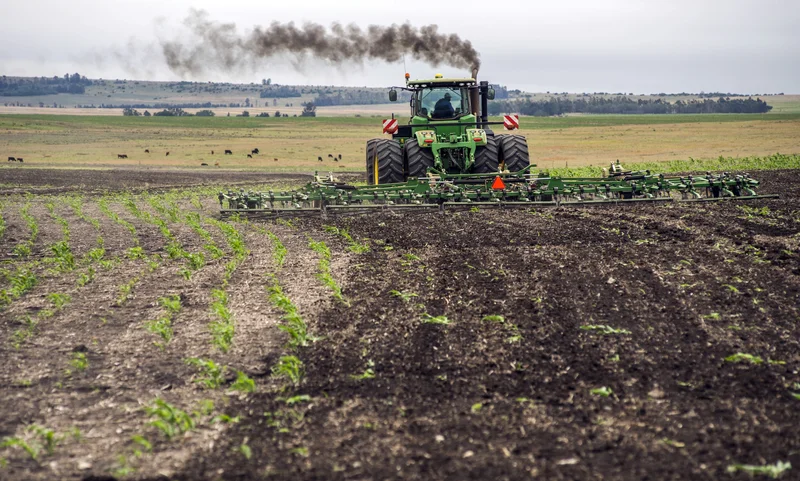
The SAWS has for months been forecasting a relatively dry winter for the southwestern parts of the Western Cape, and that has come to pass with worrying consequences including for the winter wheat crop.
âThese unfavourable weather conditions continue to weigh on agricultural activity, particularly the winter crops. It is unsurprising that in 2026, South Africa planted about 473,000 hectares of wheat, which is 8% below last year. Remarkably, this is the smallest area planted to wheat since 1929,â said Wandile Sihlobo, chief economist of the Agricultural Business Chamber.
These dry spells were not directly linked to the unfolding El Niño, which typically only bares its fangs over South Africa in the spring and summer months. In winter, the weather over South Africaâs southwest is mostly driven by by mid-latitude cyclones originating over the Southern Ocean.
Heralding drought
But the effects of this El Niño â widely forecast to potentially be the strongest on record â will soon be felt far and wide across South Africa. Triggered by a warming of surface sea temperatures in the tropical Pacific, it usually heralds drought in this region.
âGiven the current uncertainty regarding rainfall during the 2027 winter season, the public is encouraged to use water sparingly in the coming monthsâ
âAs El Niño is expected to strengthen further over the coming months, the likelihood of a warmer-than-normal summer over the Western Cape is expected to rise. Given the current uncertainty regarding rainfall during the 2027 winter season, the public is encouraged to use water sparingly in the coming months,â the SAWS said.
On Friday, the SAWS also issued its monthly Seasonal Climate Watch, which looks five months ahead â in this case until the end of December â and El Niño has now taken centre stage in the outlook.
âIt is expected that South Africa will experience its typical impacts of dryer and warmer conditions during this coming summer,â the report said.
Worryingly, it reversed its previous forecast that the eastern coastal regions would have above-normal late winter and spring rainfall.
âThe eastern coastal areas indicate a likelihood of below-normal rainfall conditions which is significant as those areas start moving into their rainfall season,â the SAWS said.
The bottom line is that this summer looks set to be long, hot and parched. If youâre shivering now from the winter chill, get ready to sweat. DM