Elderly Caregivers Increasingly Common in Japanese Households
Society## Elderly Caregivers and Care Recipients
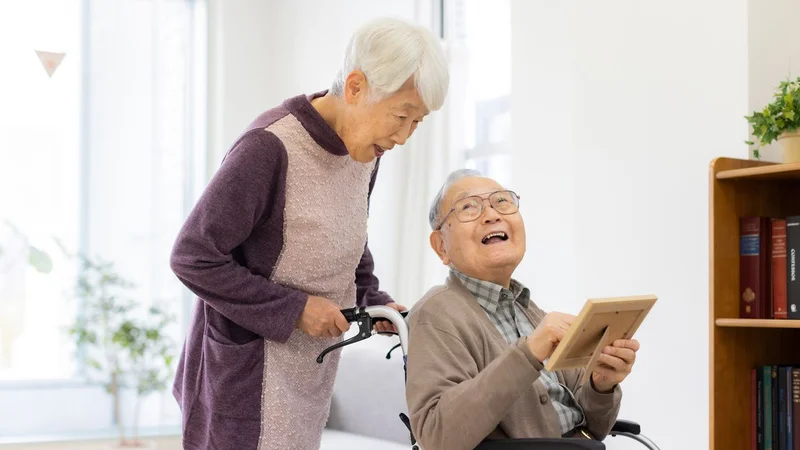
Japan’s 2025 Comprehensive Survey of Living Conditions found that, in 37.1% of the cases of households providing care for a family member, both the caregiver and the care recipient were 75 or older. This is the highest level on record and an increase of 1.4 percentage points compared to the previous large-scale survey conducted in 2022.
As of 2025, members of the baby-boom generation (born between 1947 and 1949) are all 75 or over. Meanwhile, it is expected that the high proportion of elderly caregivers will continue for the foreseeable future due to the shortage of caregivers among the working population as Japan’s society continues to age.
Living Alone
Of Japan’s estimated 55.1 million households, more than half (27.6 million) include at least one person 65 or older. The results from the Comprehensive Survey of Living Conditions conducted regularly since 1986 show that the growth in the total number of households has been driven largely by increases in single-person senior households or households consisting solely of a senior couple.
According to the latest survey, there are 17.5 million households composed entirely of seniors, of which 9.3 million consist of a single person living alone. Women account for around 60% of these single-person senior households. Because women generally have a longer life expectancy, many households made up of a couple 65 or over eventually become single-person households following the death of the husband, contributing to the increase in women seniors living alone.
Data Sources
(Translated from Japanese. Banner photo © Pixta.)