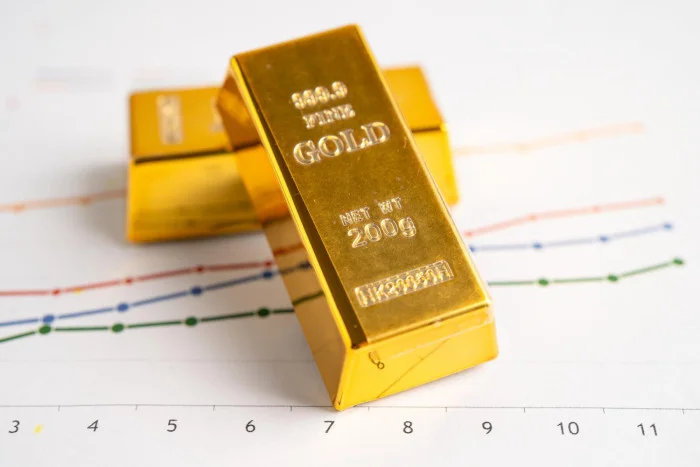
China's recent move to curb retail trading of paper gold is expected to have a limited short-term impact on global gold market liquidity, as robust physical demand, particularly from central banks, continues to provide strong long-term support for prices, says YLG Bullion & Futures.
China's crackdown on retail paper gold was a multi-year phased process that began in late 2020, when the Shanghai Gold Exchange (SGE) stopped accepting new retail account registrations.
The final phase came into effect on July 24, 2026, as commercial banks terminated all remaining retail paper gold trading, completing the transition from restrictions on new entrants to a full ban on retail participation.
YLG chief executive Tipa Nawawattanasub said the policy reflects Beijing's efforts to reduce systemic financial risks, curb excessive speculation, and redirect liquidity towards physical gold holdings to strengthen economic stability.
The measure prompted some retail investors and speculators to unwind their paper gold positions, contributing to modest short-term volatility in global gold prices, she noted.
LIMITED IMPACT
In Ms Tipa's view, the policy is unlikely to have a significant effect on the broader gold market.
Trading conducted through the affected banking intermediaries accounted for only 4.88% of total SGE gold trading volume, based on the exchange's June fact sheet.
Chinese banks have been gradually winding down this business over the past six years, while new retail accounts linked to the SGE have not been opened since late 2020, leaving only a small number of outstanding positions.
The market had ample time to adjust as the policy was announced during June 24-30, providing a one-month transition period before imple- mentation.
A similar move by Chinese banks to discontinue retail oil trading products following the 2020 oil market turmoil had little meaningful impact on global crude prices, as such products generally follow market prices rather than drive them, she said.
STRONG PHYSICAL DEMAND
Ms Tipa said China has simultaneously relaxed rules for long-term gold accumulation plans, suggesting policymakers aim to shift retail behaviour from speculative trading towards long-term savings through physical gold ownership.
Without paper gold creating what she described as "artificial liquidity", demand is expected to shift towards physical bullion.
Combined with limited global supply and persistent demand, particularly from central banks, this should support more sustainable long-term price appreciation, said Ms Tipa.
According to the World Gold Council, global central banks have purchased an average of 1,000 tonnes of gold annually over the past four years, roughly double the average annual pace of the previous decade.
Some 89% of central banks surveyed expect global gold reserves to increase further over the next 12 months, highlighting continued structural demand.
The latest uptick was attributed to investors taking advantage of lower global gold prices during a recent correction, while a stronger yuan also reduced import costs.
YLG expects gold prices to remain in a short-term correction phase, with support levels at US$3,960 and $3,800 an ounce.
Once the correction is finished, the firm sees the potential for a renewed medium-term uptrend, with resistance levels at $4,400 and $4,900.