How likely is Beijing to walk the talk on boosting consumption?
As long as external demand holds up, policymakers appear relatively untroubled by weakening domestic demand, despite rhetoric to the contrary
Chinese officials tend to report only good news and bury bad news for propaganda purposes and career advancement. That is why it came as a genuine surprise when, on July 22, Zhang Enhui, the party chief of Changchun, an industrial powerhouse known for its automobile sector and technological research, publicly broke with that tradition. He warned of “unprecedented difficulties and challenges” facing the city’s economy.
Against this backdrop, Changchun party chief Zhang Enhui’s warning stands out. He urged “all‑out efforts” to confront “unexpected difficulties and challenges”.
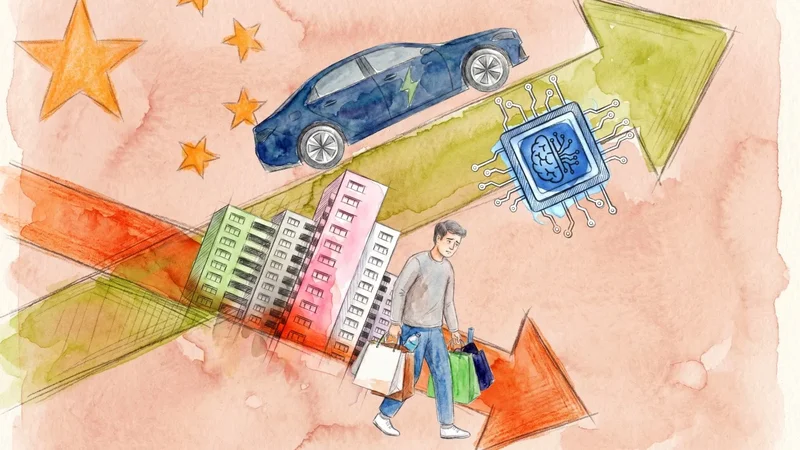
The sources of those challenges are not hard to identify. China’s GDP grew just 4.3 per cent in the second quarter, down from 5 per cent in the first quarter, bringing first-half growth to 4.7 per cent. That puts the economy inside the official full-year target range of 4.5-5 per cent, but only just.
The slowdown was driven by falling private sector and fixed‑asset investment – long‑time pillars of China’s growth model. Fixed‑asset investment fell 5.7 per cent year on year, while property investment plunged 18 per cent in the first half. Retail sales grew only 0.2 per cent in the second quarter, compared with 2.4 per cent in the first.