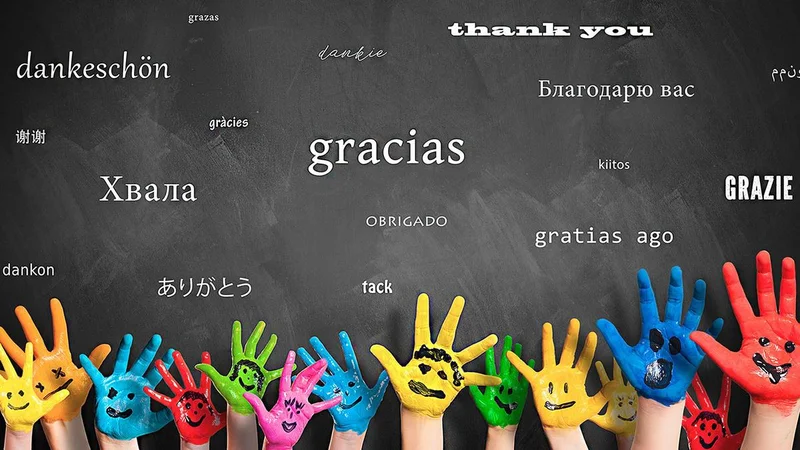
When should children start learning a foreign language? Many parents grapple with this question. Some worry that they may be starting too early, while others fear they have already missed the right window. The answer is: there is no magic age. Children can learn a new language at five, 10, or even 50 years. But, if the opportunity comes early, it can become one of the most natural and enjoyable parts of growing up.
In the early years of childhood, a child’s brain is constantly absorbing sounds, expressions, and patterns from the world around them. They don’t sit down to analyse grammar or memorise rules. They learn by listening, observing, repeating, and interacting.
Advantage curiosity
This is exactly how young children learn their first language and why they often surprise us by singing songs in a language they barely understand, imitating unfamiliar sounds without hesitation, and remembering words simply because they heard them . They are not worried about making mistakes. They are simply curious. That curiosity is the biggest advantage they have. As people grow older, they often become afraid of getting things wrong. Children don’t carry that fear. They speak before they are perfect, laugh when they make mistakes, and try again. That confidence is something every language teacher hopes students never lose.
Learning a foreign language early is about much more than speaking another language. It helps children become better listeners because they learn to recognise different sounds and ways of expressing ideas. They become comfortable looking at the same thing from different perspectives. Research has also linked multilingual learning with improvements in attention, memory, and cognitive flexibility although these benefits depend on consistent and meaningful exposure rather than justattending classes.
Perhaps the greatest gift is cultural understanding. When children learn a language, they are also discovering another way of life. Through stories, festivals, food, music, traditions, and everyday conversations, they begin to realise that the world is much bigger than the one around them. They learn that people can think differently, celebrate differently, and still share the same hopes, dreams, and emotions. Today, when children have to learn to study, work, and collaborate with people from different countries, that openness is invaluable.
How they learn
Parents often have another concern. “Won’t my child get confused if they learn two or three languages together?” The answer to that is: children are naturally capable of managing multiple languages. They may occasionally mix words from one language into another but this is a normal part of the learning process. It is not a sign of confusion. In fact, millions of children around the world grow up speaking two or more languages with ease.
What matters much more than the age at which they begin is how they learn. A five year old should not be sitting through long grammar lectures or memorising endless vocabulary lists. Children learn best when language is woven into activities they already enjoy. Stories, songs, games, role play, art, movement, and conversation create an environment where learning feels effortless. Often, children walk into class shy and silent only to start greeting their teachers in another language a few weeks later. It is not because someone forced them to but because they enjoyed the experience enough to make the language their own.
At the same time, parents should avoid turning learning language into another competitive race. Children of today already juggle academics, sports, music, coding, and countless extracurricular activities. A foreign language should not become another item on a checklist. Instead, it should become something they look forward to each week. Even a few quality sessions every week, supported by reading books, listening to songs, or watching age-appropriate content can build a strong foundation over time. Language learning is not about speed. It is about consistency.
Importance today
In India, attitudes towards foreign languages have changed significantly over the last decade. Earlier, many families saw them as optional but, today, parents recognise that multilingual skills can open doors to international education, global careers, and cross-cultural collaboration.
However, there is an even bigger reason to encourage children to learn another language. The future will reward people who can connect across cultures. Artificial Intelligence may translate words instantly but it cannot replace the empathy, trust, and human relationships that come from understanding another culture. Speaking someone’s language shows respect, builds friendships and creates opportunities that technology alone cannot.
So, when should children start learning a foreign language? Whenever they are ready to enjoy the journey. Whether that happens at four or 14 matters less than whether they are encouraged with patience, curiosity, and joy. The goal is not to produce perfect speakers or collect certificates. It is to raise children who are confident communicators, curious learners, and open-minded global citizens. In the end, that may be the most valuable lesson any language can teach.
The writer is founder and director, WordBridge Language School.
Published - August 03, 2026 10:00 am IST