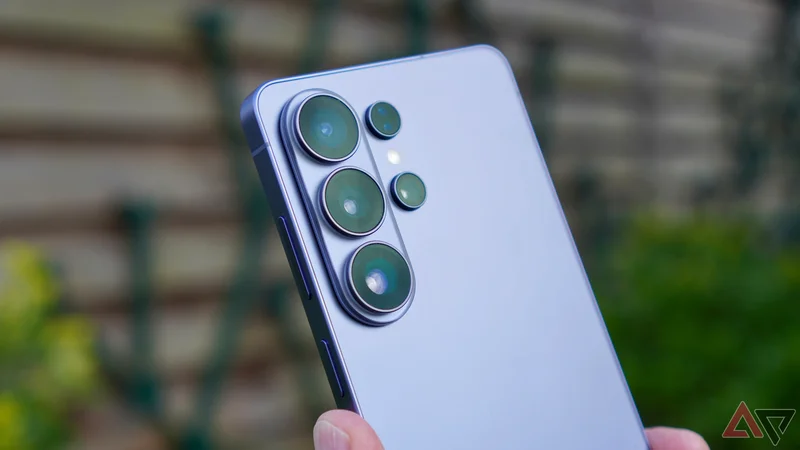
Samsung plans to make some big changes to its flagship Galaxy S27 lineup next year. Besides adding a long-delayed and rumored Pro variant, it will seemingly also revamp the camera system. A new leak sheds more light on the camera changes Samsung will make, including reducing the rear cameras from four to three.
ET News reports that Samsung will finally ditch the 3x 10MP telephoto unit on the Galaxy S27 Ultra next year. Instead, it will use a three-camera setup, featuring a 200MP main camera, a 50MP ultrawide, and a 50MP 5x telephoto.
Considering the 10MP telephoto sensor's relatively small size and the fact that it hasn't received any meaningful improvements over the last few generations, it makes sense for Samsung to drop it altogether. The 200MP primary camera can already deliver decent results at 3× zoom.
Besides freeing up internal space, ditching the 10MP module would help the company reduce the device's bill of materials.
Samsung will reserve the best zoom hardware for the Ultra
Interestingly, Samsung will reportedly use a slightly different camera system on the smaller Galaxy S27 Pro. While it will apparently retain the 200MP main and 50MP ultrawide cameras, the phone will only feature a 12MP 3x telephoto camera. Unlike its Ultra sibling, it won't include a 5x telephoto camera.
That would put Samsung at odds with Apple and Google, whose Pro models offer the same 5x telephoto camera as their larger Max and XL counterparts.
This move will also help Samsung reduce component costs and protect its margins amid the ongoing DRAM and NAND shortage. The steep rise in memory prices has already led Samsung's mobile division to post its first-ever quarterly loss.
As for the 10MP 3x telephoto camera, it will supposedly live on the entry-level Galaxy S27 and the S27 Plus. These two phones will also stick to the same 50MP main and 12MP ultrawide cameras.
While the report does not mention anything about the front camera, a leak from a month ago suggests that the S27 Ultra and Pro could use a new 16MP selfie shooter. It will purportedly be a square-shaped sensor, like the one Apple uses on the iPhone 17 series, allowing for more flexibility and a wider field of view.