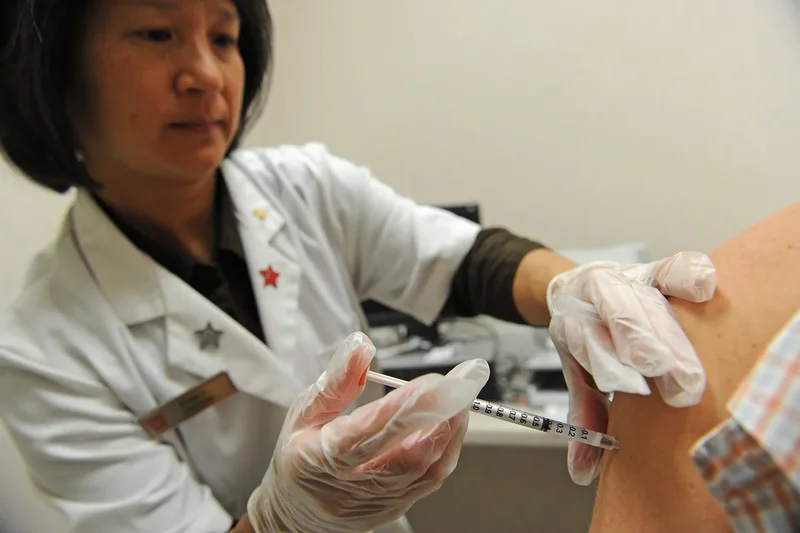
An overwhelming number of Americans are delaying medical care because of fears they can’t afford it, a new study has found.
Some 92 percent have delayed or abandoned medical care because of costs, according to a survey of 1,507 U.S.adults by financial services firm JG Wentworth.
Those aged 18 to 28 are the most likely to delay or avoid care because of cost (94.2 percent), followed by those aged 29 to 44.
“The findings highlight a growing gap between having health insurance and feeling financially protected, with medical costs forcing many Americans to delay treatment, cut essential spending and take on debt,” the study said.
The decision to delay medical care involves multiple issues, including gender - women are more likely to put off care than men. Other factors include age and whether or not someone has health insurance.
A doctor’s office visit for those without insurance costs an average of $171 across major U.S. cities, according to a February 2026 analysis by healthcare provider marketplace Zocdoc.
There are a wide range of consequences for delaying doctor’s visits, a May 2025 survey from KFF found. Nearly one in five adults said their health got worse because they skipped a doctor’s visit. That problem is more acute for those 64 and younger - 42 percent say their health got worse after putting off a medical visit.
The problem bleeds over into prescription drug costs, too, an April KFF study discovered. Some 31 percent of adults say they’ve opted for over-the-counter medication instead of prescription drugs because of costs. Another 19 percent say they skip prescription doses or cut pills in half to make their medication last.
Healthcare costs aren’t expected to go down through 2027, a June study from financial firm PwC found.
“Health plans are projecting the highest medical cost trend in nearly two decades, with commercial healthcare cost trend expected to rise to 9 [percent] in 2027,” the study said.
Factors such as AI-enabled revenue optimization tools and more use of behavioral health benefits will influence the increase, PwC noted.
The Trump administration has proposed several strategies for lower healthcare costs with “The Great Healthcare Plan,” which calls for:
- Lowering what Americans pay for medication by getting most-favored-nation pricing from countries that send medication to the U.S., a move that could save taxpayers more than $500 billion over the next 10 years, the White House claims
- Ending taxpayer-funded subsidies for health insurance companies
- Lowering insurance premiums by more than 10 percent through various policies, according to the White House.
The U.S. has secured most-favored-nation pricing with 16 pharmaceutical companies. Yet 953 of the 971 drugs available through most-favored status went up in price in January 2026, according to an analysis from data analytics site 46brooklyn.
That number of price hikes is the second-highest in the past five years. Only January 2023 had a higher number of price increases - 960.
Beyond healthcare, consumers are navigating an inflation rate that’s risen quickly since February thanks to rocketing energy costs resulting from President Donald Trump’s war with Iran.
Since dropping to 2.4 percent in February, inflation rose to 3.3 percent in March, 4.2 percent in May and fell to 3.5 percent in June.
Consumer confidence plummeted to a record low in May, signaling that people felt unprecedented pessimism about the state of the economy and high inflation rates.