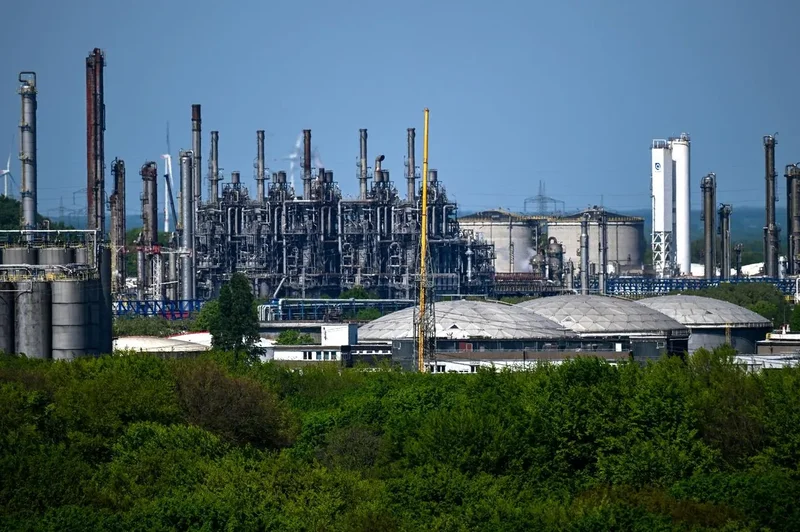
Global energy giant BP (LON: BP) has trimmed its refinery portfolio down to just five sites following the completion of a sale of one its facilities in Gelsenkirchen, Germany to investment firm Klesch Group.
The FTSE 100 company confirmed the sale completion on Monday but did not disclose the deal value only opting to highlight additions to its free cash flow and transfers of associated assets and liabilities to Klesch.
The transaction is also "expected to lower underlying operating expenditure by around $1 billion," it added.
The Gelsenkirchen refinery has the capacity to process approximately 12 metric tons of crude oil per year, equating to around 265,000 barrels per day. The refinery’s workforce of around 1,800 people and its associated businesses have transferred over to Klesch under the terms of the deal.
Patrick Wendeler, head of country for Germany at BP, said: "Gelsenkirchen plays an important role in supplying western Germany with fuels and petrochemicals.
"With its refining experience and established presence in Germany, Klesch is well placed to take Gelsenkirchen into its next chapter. BP will continue to support customers in Germany through its businesses, including Aral."
The move is part of BP’s ongoing $20 billion divestment plan aimed at cutting its debt and boosting returns, which has the support of the company's new CEO Meg O’Neill.
The sale follows BP's conclusion that a new owner would be better placed to take the refinery forward to support its long-term future.
A Trimmed Refining Footprint
Just last week, BP announced its decision to sell its North Sea business effectively calling time on 60 years of operations in the maturing and heavily-taxed hydrocarbon prospection zone on its U.K. home turf.
It is understood that the Gelsenkirchen refinery sale has allowed BP to raise its structural cost reduction target to between $6.5 billion and $7.5 billion by 2027, as it continues a relentless overhaul under O’Neill.
Richard Harding, interim executive vice president of downstream at BP, said: "This deal strengthens our balance sheet and simplifies our portfolio.
"By concentrating our capital on the assets and markets where BP can be most competitive, we are building a higher-value, more resilient downstream business that continues to supply the fuels and products our customers rely on."
Away from its headline implications and contributions to the company’s divestment program, the sale is also indicative of a shrinking BP refinery portfolio over the course of the last two decades.
Back in 2006, the company operated and / or had interests in around 15 refineries worldwide. That figure declined to ten sites by 2016 and the sale of Gelsenkirchen brings the figure down to just five as of August 2026.
They include two U.S. facilities - Cherry Point refinery, Bellingham, Washington and Whiting refinery, Hammond, Indiana. Three European sites complete the BP roster - Castellón refinery, Spain, Lingen refinery, Germany and Europoort Rotterdam refinery, the Netherlands.
Of these holdings, only Whiting and Rotterdam refineries have a processing capacity of 400,000 bpd or above. They now account for the majority of BP's 1.3 million bpd group-wide crude cracking capacity.
While further refinery sales cannot be ruled out, BP said its remaining five refineries will continue "serving key customers and markets across its downstream business."