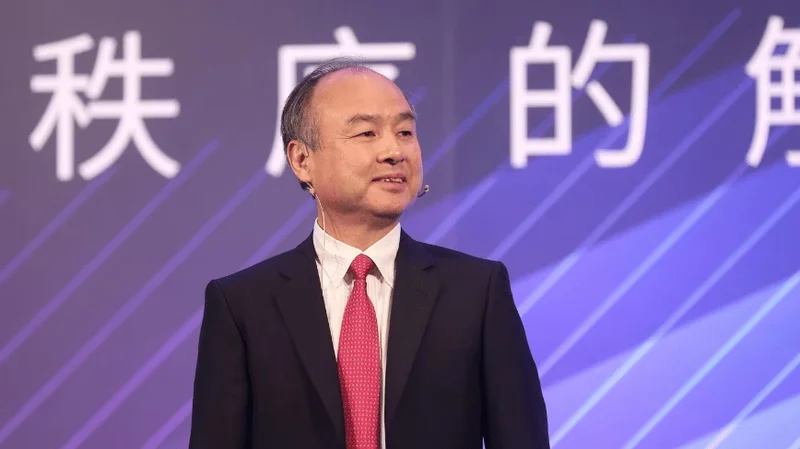
SoftBank’s AI bet meets its accountants this week. When the Japanese group reports earnings, the headline profit will look healthy, but the real story is the mountain of funding commitments Masayoshi Son has stacked behind OpenAI.
Analysts expect net profit of around ¥148bn, close to $940m, for the April-to-June quarter, flattered by the rising value of its OpenAI stake. The number investors will actually study is how Son intends to pay for what he has promised.
The promises are enormous. SoftBank has committed more than $60bn to OpenAI and related AI infrastructure, and it is racing to meet a near-term tranche of roughly $22.5bn to OpenAI by the end of the year.
The bill arrives as debt matures. SoftBank faces about $30bn of obligations in the second half of 2026, including a $40bn bridging loan that runs to March 2027 and a $20bn margin loan secured against its Arm shares.
One funding route has jammed. A plan to borrow against its OpenAI stake stalled as lenders grew wary of credit backed by a private company, and SoftBank has already cut a related margin-loan target.
The leverage is the crux. S&P Global put SoftBank’s loan-to-value ratio at 33% in March, well above the 17% the company prefers to cite, though it expects the figure to ease as asset values move.
Son is unmoved by the worry. He has called bubble talk absurd and predicts AI will cost $5tn a year by 2040, a scale on which SoftBank’s current borrowing looks, to him, like a down payment.
He has kept the financing coming. SoftBank lined up a new $60bn bond to keep the OpenAI bet funded, part of a leverage stack that grows more elaborate with each round.
SoftBank is no stranger to enormous bets. Its Vision Funds poured tens of billions into startups with famously mixed results, and the OpenAI wager is the largest single expression of Son’s conviction yet.
Its stake in the chip designer Arm has become the anchor for much of this. The prized asset is now pledged against the borrowing that funds the AI push, tying SoftBank’s most valuable holding to its riskiest bet.
The value of the prize is itself contested. OpenAI is reported to be chasing a $1tn IPO valuation, up from $852bn, while sceptics put its true worth closer to $300bn, a gap that swings SoftBank’s paper gains wildly.
The Street is mostly still on board. Fifteen of twenty sell-side analysts kept buy ratings this month, betting that Son’s access to capital and the OpenAI upside outweigh the strain on the balance sheet.
The bears see a chain reaction. A drop in asset prices could tighten SoftBank’s liquidity, and rising Chinese competition could squeeze OpenAI’s margins and the chip demand the whole thesis rests on.
There is history in the caution. SoftBank has ridden Son’s convictions to spectacular wins and equally spectacular losses before, and the scale of the current bet leaves less room for the second than any he has made.
There is a circularity critics keep pointing to. SoftBank borrows to fund OpenAI, whose rising value underpins those very loans, so a wobble in one leg of the structure quickly travels to the others.
That is why this earnings call is more than a scorecard. Investors want a credible plan for the year-end commitments, not just a profit line lifted by a mark-to-market gain on a stake that has not been sold.
Son has wagered the group’s balance sheet on being right about AI, and about OpenAI in particular. The earnings will not settle that bet, but they will show how much rope he has left before the market asks him to prove it.
Get the TNW newsletter
Get the most important tech news in your inbox each week.