Trapped on a commercial ship anchored four miles off Iran’s coast, about two dozen merchant seamen are entering their fourth month of living under the watch of Iranian guards.
Iran seized the vessel, the MSC Francesca, as it tried to pass through the Strait of Hormuz on April 22. Its sailors are from Montenegro, Indonesia, the Philippines and other countries. All are far from home. They have no idea when they might be released and very little contact with the outside world.
The sailors “have no means of communication except every several days 30 min of internet,” a person familiar with conditions on the Francesca wrote.
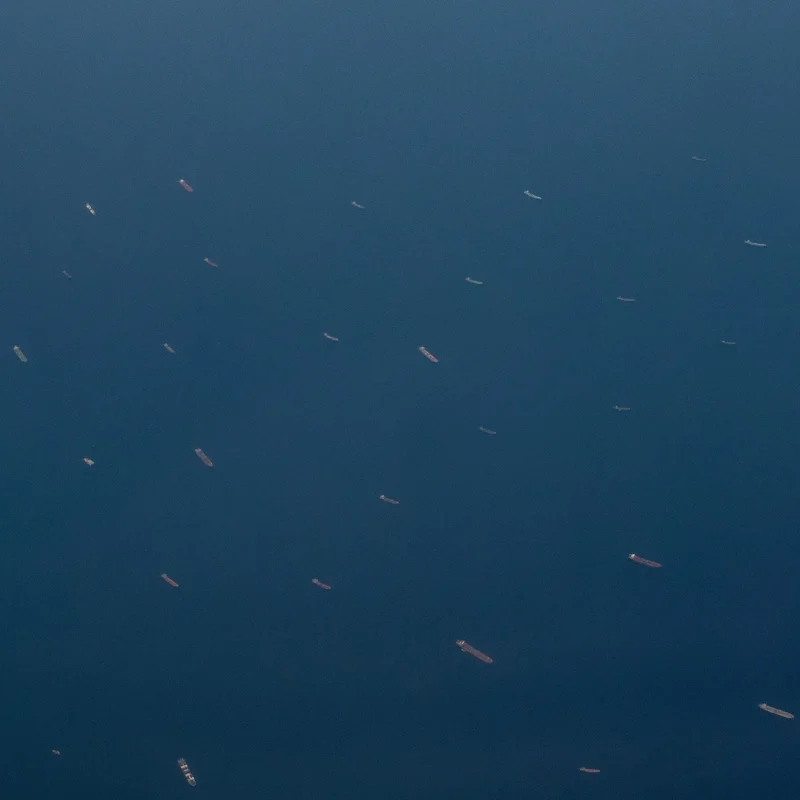
The crew members of the Francesca are a subset of a much larger group of sailors in harm’s way in the Middle East. The attacks by the United States and Israel on Feb. 28, followed by Iran’s closure of the Strait of Hormuz, immediately stranded some 1,500 ships and nearly 20,000 sailors, according to the International Maritime Organization.
Many ships have sailed out of the Persian Gulf, dashing through the strait when conditions have allowed. Roughly 6,000 sailors remain stranded, the maritime organization said. They live in peril, carrying out maintenance, lookouts and checks on cargo, with no safe way home. Iran has enforced its claim of control over the strait with attacks on ships, drawing American retaliation. On Monday, a cargo ship was hit near Oman, the United Kingdom Maritime Trade Operations Center reported. And the conflict has broadened throughout the region.