The apparel rental market is notoriously difficult to crack. Rent the Runway closed all five of its storefronts and continues to struggle, and brands such as Ralph Lauren, American Eagle and Banana Republic have scaled back or ended rental and subscription services.
Hybrid rental-retail platform Hauteline has managed to scale the rental model despite obstacles. “Rental profitability is super difficult because of distribution and shipping costs, inventory costs, inventory degradation, and all of the overhead costs that go into inspecting the garment,” said co-CEO and cofounder Kristie Chow.
Hauteline was born out of need. The founders had little money left each month after paying for rent, food and entertainment. “Naturally, we turned to second hand and clothing rentals, but nothing in the space was resonating with us,” said cofounder and co-CEO Michelle Li . “Being young, what was out there felt dated or too normal or too much the same.”
Chow and Li didn’t have fashion backgrounds when they launched the company in 2023. Chow was a software engineer at Microsoft and Farfetch, and Li was a banker. Starting Hauteline allowed them to indulge their love of fashion.
The two women, who lived downtown, wanted to create something that spoke specifically to a “cool downtown girl.” They started with one small rack of clothes cobbled together with items from resale sites on the internet, sale and clearance areas in stores and their own closets.
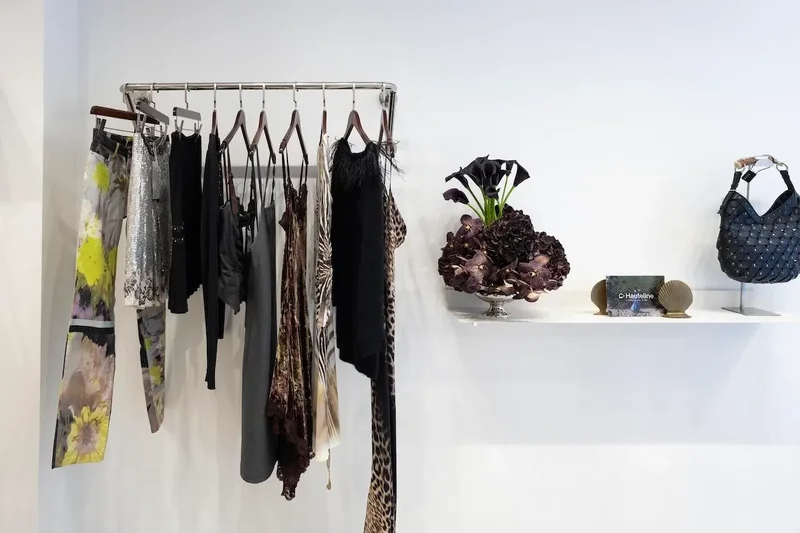
“About a year after launching our business, we opened our physical store,” Li said. “That kind of changed everything for us. It made us realize that what we were doing was less of a rental play and more of a rental-retail hybrid."
Hauteline’s store at 95 Orchard Street, grew revenue by 645 percent from May 2025 to May 2026, nearly seven times the prior year. The returning customer rate more than doubled and is over 25% per month. The company has been profitable since early this year and is on track to nearly triple profits next year.
The growth is a testament to Chow and Li’s social media marketing savvy. They said Hauteline has tens of thousands of followers and the word of mouth of the channels and community fuel the traffic.
“Our organic socials have allowed us to reach a wide variety of customers who will come to the store after finding us online,” Chow said. “Orchard Street is the capital of emerging fashion. Customers stumble onto our store. We have multiple channels of acquisition.”
All the merchandise for retail and rental is new when it arrives from brands, designer partnerships and other sources. The founders also work with vintage curators. They list all their inventory for both rental and sale at retail. “Some people want to get a rental at $99 for the weekend and others will buy something outright,” Chow said.
“Having the retail element balance out the unit economics of the rental element has been instrumental to our success” Li said. “We know we can sell 200 of our perfect mini skirt. The revenue from those products allows us to take bigger swings and make bigger bets for the wholesale side of our business.”
With their analytical backgrounds, Chow and Li approach buying for the store and rental site in a deliberate way. “That’s helped us turn a profit,” Li said. “We’ll start pretty modest and the moment we see the sell-throughs come in, or the rentals react, we’ll double down and purchase those skews. We’re able to rent one item 50 times to achieve extreme profitability.”
The apparel rental market was valued at about $2.14 billion in 2025 and is projected to reach around $10.47 billion by 2035, growing at a compound annual rate of 15.2% between 2026 and 2035, according to Accio. The market is expected to reach $2.58 billion this year. This reinforces the broader shift toward non-ownership models such as rental and resale that Hauteline is leading.
“You’re starting to see the proliferation of peer to peer models and the revitalization of the second hand market,” said Juan Pellerano Rendòn, chief marketing officer of Swap. “There have been a few iterations of the rental market that have come and gone. People aren’t doing subscription models. They want more control over their wardrobes. They don’t want to buy from a bunch of different sites.”
Pellerano Rendòn added that knowing that the Gen Z consumer is a more conscious consumer and that they’re early in their careers so their disposable income is lower, has helped Hauteline cater to the demographic.
Because of their proximity in age to the cohort they serve, Li and Chow know what their customer wants. “Young women, especially now, don’t care if it’s been worn before, they just care if it’s cute,” Chow said. “Offering rental and resale and new retail, you can can get this girl who needs
an emergency birthday look for the weekend, or a cute easy dress to wear through the summer that she’s willing to spend all little more on because she knows she’ll wear it a lot,” Li said.
“It’s almost like we’re maximizing the touchpoints we have with these young Gen Z interested-in-fashion women, who are still experimenting, but want to experiment outside the realm of traditional luxury and fast fashion,” Li said.
“We’re proud of our selection,” she added. “They’ll buy from our everyday essentials curation most of the year and when they need those special dresses for certain occasions, they’ll turn to our more curated event wear collection.”
The founders did a small friends and family angel round in 2023. Since then, they haven’t taken on other capital. “We have a tug and pull about funding,” Chow said. “I’m not sure we would go the institutional route. Maybe some smart angel investor who has scaled consumer businesses in the past and can offer some insight.”
Sustainability is built into the business. With 4,000 items rented since launch, giving garments a second, third or fourth life, Hauteline is making an impact with consumers who are interested in the environment. “Having the hybrid is one of the most viable ways to run a sustainable, profitable rental business,” Li said. “It’s the future of retail – meeting your customers where they are.”