One of cinema’s strangest "franchises" is getting a new installment. This week, Neon released the first trailer for Bad Lieutenant: Tokyo, a stand-alone sequel in an eclectic trilogy. The movie is being directed by Takashi Miike, an acclaimed filmmaker known for graphic violence and provocative content, including the horror thriller Audition and the Yakuza flick Ichi the Killer. (Miike also directed an Ace Attorney movie.)
Miike's upcoming Bad Lieutenant movie is a crime drama set in Japan starring Shun Oguri (Human Vapor, Lupin the 3rd), Lily James (Baby Driver, Cinderella), Shotaro Mamiya (Blue Giant), Jun Kunimura (The Wailing, Kill Bill), Liv Morgan (WWE), and Hiroshi Tachi (Owatta Hito). Miike’s frequent collaborator Daisuke Tengan (13 Assassins, Audition) is handling the screenplay.
The YouTube description for the trailer reads:
A disgraced Tokyo detective spirals into a world of corruption, addiction, and violence as he becomes entangled in a twister investigation involving a vengeful ex-Yakuza, an enigmatic FBI agent, and a missing daughter of a powerful American family.
While this is technically the third Bad Lieutenant movie, this isn’t a traditional film series; each movie is largely disconnected from the others and was made by different filmmakers.
What films have been released so far in the Bad Lieutenant series?
The original Bad Lieutenant is a 1992 crime film directed by Abel Ferrara. It stars Harvey Keitel as a corrupt NYPD detective who uses illegal drugs, extorts suspects, and gambles. The movie was originally quite niche, as it launched in the United States with an NC-17 rating due to its graphic violence, nudity, and drug use, but it eventually caught on as a cult classic.
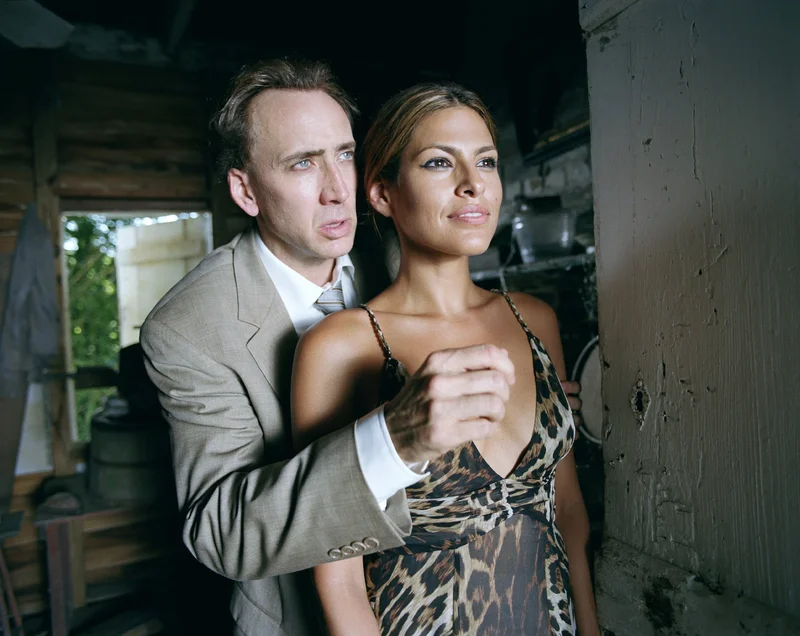
Then in 2009, the Werner Herzog-directed Bad Lieutenant: Port of Call New Orleans premiered at the Venice International Film Festival. Despite sharing a name with its predecessor, Herzog has said that the movie is “not a remake,” and that “it only has a corrupt policeman as the central character and that’s about it.” Herzog’s film is a bizarre delight, wavering between black comedy and violence as Nic Cage delivers a signature unhinged performance. Essentially, the main things linking the two movies are “bad lieutenant” police detectives and an abundance of cocaine.
That said, Abel Ferrara wasn’t exactly thrilled about the sequel. After Port of Call New Orleans was announced, he said that Werner Herzog and those who greenlit the film “can die in hell” for making a follow-up without his blessing. He apparently didn’t receive any royalties for the project. Around a decade later, Ferrara said he had met Herzog and made peace with him. Still, this initial discontent from the original creator is just another example of how this isn’t a typical follow-up.
Edward R. Pressman owns the rights to Bad Lieutenant and has produced all three films. Pressman apparently has several more sequels planned, each set in different locations across the world with local production partners and different directors. He said the movies will focus on corrupt local law enforcement and take place in the U.K., Germany, Italy, South Korea, and Argentina.
                    Why should you be excited about *Bad Lieutenant: Tokyo?*


While there isn’t much directly linking the existing Bad Lieutenant films in terms of plot, they’re both transgressive movies about illicit street dealings that center on a corrupt police detective. Additionally, both were helmed by auteurs who put their own spin on the material.
Takashi Miike seems like an ideal director to take on a spiritual sequel. His work is violent and strange, and he has frequently explored crime and the yakuza, as in his 2002 film Graveyard of Honor. He’s known for controversial pictures about difficult subject matter and has strong stylistic trademarks that fit nicely with Bad Lieutenant.
When is *Bad Lieutenant: Tokyo*'s release date?
Similar to its predecessors, Bad Lieutenant: Tokyo will debut at a film festival. It’s coming to the Toronto International Film Festival in September. A larger theatrical release date hasn't been announced yet, but since Neon is the U.S. distributor, the movie will almost certainly receive at least a limited theatrical release.