CRISIS COSTS MUCH MORE THAN PREPAREDNESS
Still, there is some good news: One of the tools needed for a better system is already on the table. World Health Organization member states adopted the Pandemic Agreement in 2025 and are still negotiating an important component called the Pathogen Access and Benefit Sharing.
It offers an opportunity to strengthen global preparedness by laying out clear rules for how test samples, scientific data, and the benefits of research are shared. If they get it right, vaccines, tests and treatments can reach the people who need them - not just those who can pay.
But this is also the most contentious component of the agreement. Member states could not agree on finalising those rules at this year’s World Health Assembly in May.
Still, governments can act now by attaching equitable access conditions to the research they fund; by guaranteeing that clinical trial participants and at-risk communities are not left at the back of the queue; by sharing supplies according to need.
Preparedness works when we treat it as something the whole world depends on, not a line item to cut when political priorities shift. The 2014-2016 West Africa Ebola epidemic and the COVID-19 pandemic taught us that containment strategies are no effective substitute for sustained investment in research, surveillance and resilient health systems.
The real choice before us is not whether to invest in healthcare readiness, but whether we do so before the next crisis happens. Prevention looks expensive today until we see that failing to prepare costs a vastly higher price tomorrow - both in money and human lives.
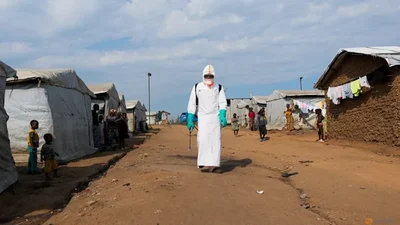
Right now, the courageous doctors, nurses, community health workers and local responders in DRC know this lesson all too well.
Laura Leyser is Secretary General of Medecins Sans Frontieres International, also known as Doctors Without Borders.