The White House is poised to extend a crucial waiver of the century-old Jones Act in the coming days, sources indicate, as it seeks to curb rising gasoline prices. This action follows past criticisms from President Donald Trump, who accused Exxon Mobil and Chevron of making "too much money."
The Jones Act mandates that cargo transported between U.S. ports must be carried on vessels built in the U.S., owned by American companies, and crewed by American workers. The waiver aims to alleviate fuel costs by enhancing shipping flexibility and mitigating transport bottlenecks.
While the oil industry anticipated an extension by late July, administration officials have been engaging in ongoing discussions with maritime industry representatives and lawmakers. These talks, according to three anonymous sources, focus on narrowing the waiver's scope while preserving flexibility for critical fuel supplies.
The current waiver is slated to expire on August 16 and has already set a record as the longest suspension of the Jones Act rules in the program’s history.
The exemption has been used nearly 200 times over four and a half months through the end of July, according to U.S. government data.
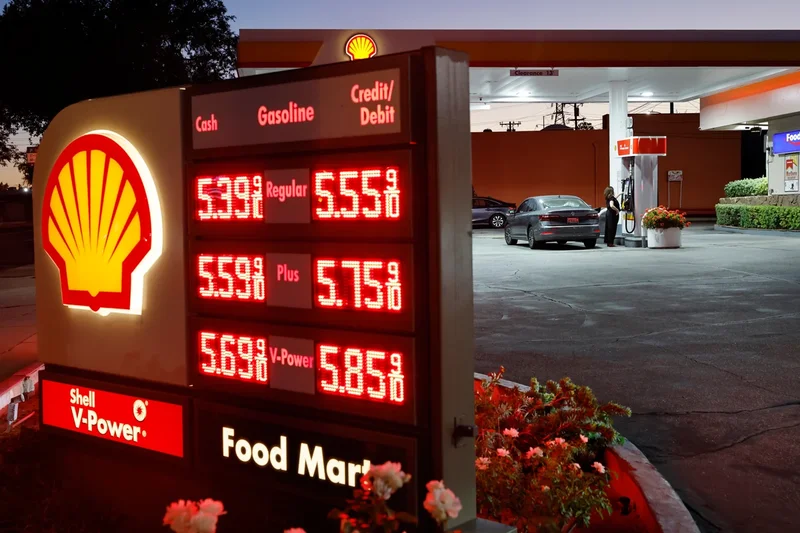
Trump is running out of easy options to lower gasoline prices — currently averaging over $4 a gallon in the U.S. — ahead of the midterm elections in November. The administration has already leaned on measures including increased oil supply efforts and regulatory flexibility, while Trump on Monday escalated rhetorical pressure on Exxon and Chevron by saying they should return money to consumers at the pump.
Bob McNally, president of Rapidan Energy Group, said the most effective option for any U.S. president would be to press Saudi Arabia to increase oil production - an option not feasible because exports remain constrained by disruptions around the Strait of Hormuz amid the Iran conflict.
Other potential measures, including a windfall profits tax, gasoline price controls or legal action against oil companies, are either politically unrealistic, economically risky or unlikely to meaningfully reduce prices, McNally said.
McNally said the Jones Act waiver increases the availability of tankers to move fuel but would probably reduce gasoline prices by only pennies per gallon.
Waiver critics push for limits
Critics of the extension are pushing for geographic limits and tighter scrutiny on each shipment.
White House trade adviser Peter Navarro, Office of Management and Budget Director Russell Vought and the White House Energy Dominance Council, among others, have been involved in discussions over the waiver extension, the people said.
No final decision has been made and details are subject to change, the sources said.
Key Republican lawmakers, including House Speaker Mike Johnson and House Majority Leader Steve Scalise, have pressed the administration to limit the exemption, warning that broad use of waivers could weaken the domestic fleet and undermine the Jones Act's national security goals.
A White House official said the administration was continuing to monitor how the waiver was being used and that discussions were ongoing. Any further announcements would come directly from the president or the administration, the official said.
Maritime groups have been escalating their campaign against extending the Jones Act waiver, with the American Maritime Partnership restarting advertising on CNBC and Fox News and AMP and the American Waterways Operators running digital ads.
AMP President Jennifer Carpenter argued the waiver has benefited foreign operators and energy companies more than consumers.
“The waiver has shifted routine domestic commerce to foreign operators, including entities linked to China and Russia, while undermining the U.S. maritime industrial base," Carpenter said.