What do you do when someone who holds significant influence over your work or business becomes suspicious of your intentions? The natural response is to defend yourself, clear up misunderstandings and prevent them from damaging the relationship. If you have evidence supporting your position, presenting it is often the most effective way to restore trust.
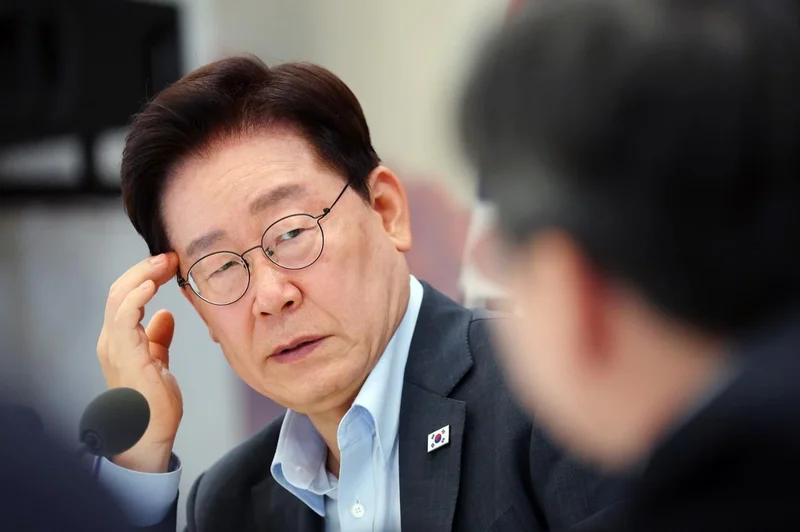
President Lee Jae Myung is facing a similar situation. The public appears to believe that he is willing to pursue a constitutional revision that would effectively nullify Article 128 of the Constitution, which prohibits an incumbent president from benefiting from a constitutional amendment that would extend a presidential term or allow reelection. Under the current Constitution, Korea's president serves a single five-year term. Even if the Constitution is amended to change the presidential term, the revision cannot apply to the sitting president — it would take effect only after the incumbent leaves office.
Lee has never publicly advocated changing the Constitution to extend his own tenure. Instead, it was his confidant, National Assembly Speaker Cho Jeong-sik, who introduced the idea during a recent press conference marking his inauguration as speaker. Cho's remarks triggered an immediate backlash from both the media and the public. Yet it is the president who is paying the political price.
Lee should address the controversy directly and clearly state his position. Silence is not an answer.
Recent opinion polls suggest that the controversy has taken a toll on his public support. His approval rating has fallen to its lowest level since taking office in June last year. According to the latest Realmeter weekly poll released on Monday, Lee's approval rating stood at 45.9 percent, down 0.4 percentage point from the previous week. The polling agency cited the controversy over constitutional changes that could allow an incumbent president to seek reelection as one of the main factors contributing to the decline.
Another survey released on Wednesday also indicated strong public opposition to revising the Constitution to abolish the current single-term presidency.
The Hangil Research-Kookmin Ilbo poll found that 61.2 percent of respondents opposed changing the presidential term, while only 34.5 percent supported the proposal. The survey was conducted among 1,000 adults from Saturday to Monday and carries a margin of error of plus or minus 3.1 percentage points.
Although the two polls were conducted by different organizations using different questionnaires, both point to the same conclusion: The constitutional revision controversy is hurting Lee politically.
The controversy began on July 28, when Cho raised the issue during a question-and-answer session with reporters.
Cho said that whether current and future presidents should be allowed to seek a second term should ultimately be decided by the people. "It is entirely up to the political parties," he said. "Whether they reach an agreement will determine whether a constitutional amendment is pursued."
Cho's remarks immediately sparked controversy. The Constitution clearly states that any amendment extending or modifying the presidential term cannot benefit the incumbent president. Nevertheless, Cho appeared to suggest that if constitutional revisions received overwhelming public support and passed the National Assembly, Lee could run for a second term.
His comments provoked strong criticism. Cho later claimed that his remarks had been taken out of context and that media reports had misrepresented what he meant.
Despite his explanation, many veteran political observers believe Cho was deliberately testing public opinion to gauge how voters would react to the idea of allowing the current president to seek reelection through constitutional revision. They argue that Cho's remarks were unlikely to have been spontaneous, given that he had ample time to review the anticipated questions and prepare his responses before the press conference.
As the backlash intensified, Cho appeared to soften his position.
Meanwhile, Lee has continued to absorb the political fallout, as reflected in his declining approval ratings. If he has no intention of pursuing a constitutional revision that could benefit his own presidency, now is the time to say so publicly.
During Tuesday's Cabinet meeting, many expected Lee to address the controversy. He remained silent. It was a missed opportunity.
The president should clearly explain his position on constitutional reform and state unequivocally whether the public has misunderstood his intentions. In politics, prolonged silence often creates a vacuum that others are eager to fill. Unless he addresses the issue directly, the controversy is likely to continue weighing on his approval ratings.