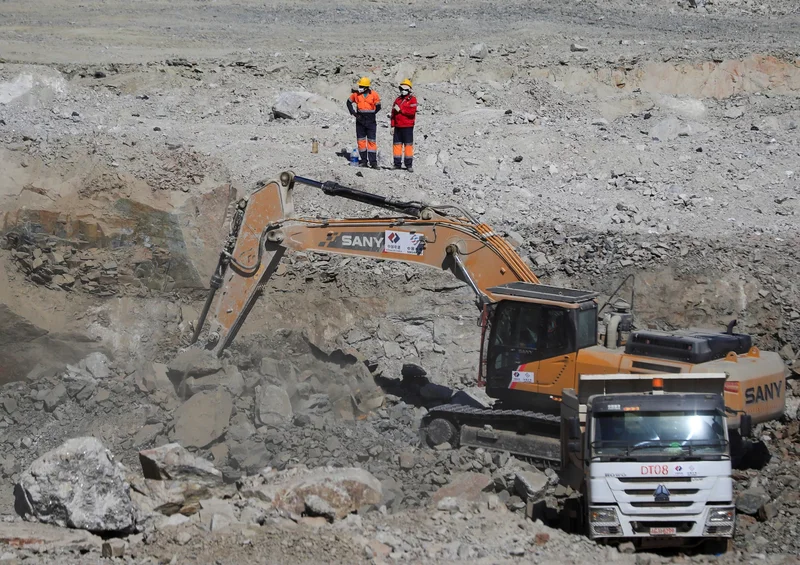
Zimbabwe Lithium Export Earnings Jump 229.8% to US$782 Million
Zimbabwe lithium exports earned US$782.2 million in H1 2026, up 229.8%, as new processing plants and a price recovery lift the third-biggest export.
Zimbabwe · Critical Minerals
Key Facts
- Earnings more than trebled.Zimbabwe lithium exports earned US$782.2 million in January–June 2026, up 229.8% from US$237.2 million a year earlier.
- Number three export.Lithium now supplies about 12% of mineral export earnings, behind gold and platinum group metals.
- Prices and plants both helped.A lithium price recovery met new processing capacity, led by Huayou’s US$400 million Arcadia sulphate plant.
- Output dips.Production is forecast at 2.14 million tonnes in 2026, down from 2.2 million, as miners run down stockpiles instead.
- 2027 deadline.A ban on raw lithium concentrate exports takes effect in January 2027, forcing processing onshore.
Zimbabwe lithium exports earned US$782.2 million in the first half of 2026, a 229.8% jump that makes the metal the country’s third-biggest mineral export. The surge reflects recovering prices, new Chinese-built processing plants and Harare’s push to keep more value at home.
Finance Minister Mthuli Ncube delivered the figures in his mid-year budget review to Parliament on Thursday. The numbers confirm lithium as the fastest-growing line in Zimbabwe’s export account.
The metal now ranks behind only gold and platinum group metals, the country’s traditional earners. Mining overall is expected to grow 5.6% this year after expanding 10.4% in 2025.
How Zimbabwe’s lithium earnings jumped 229.8%
Two forces drove the increase. Global lithium prices have recovered from their 2023–2024 collapse, and Zimbabwean mines are shipping more processed material that earns a better price per tonne.
The landmark project is the US$400 million Arcadia plant east of Harare. It is owned by Prospect Lithium Zimbabwe, a unit of China’s Zhejiang Huayou Cobalt, and began exporting lithium sulphate in April.
Sulphate is a refined product that feeds battery-chemical plants. Selling it instead of raw concentrate captures an extra layer of value inside Zimbabwe.
Production dips while earnings climb
The earnings record comes with a paradox. Lithium output is forecast at 2.14 million tonnes in 2026, slightly below the 2.2 million tonnes produced in 2025.
The gap is explained by stockpiles. Miners exported about 1.13 million tonnes in the first half of this year, in part by releasing material dug earlier and stored.
That makes the earnings jump more about price and product mix than about digging faster. It also underlines why the government wants processing, not just extraction, to drive the next phase.
A decade in the making
A decade ago lithium barely featured in Zimbabwe’s export statistics. It has become the standout growth story of the country’s mining sector, built almost entirely on Chinese capital and construction speed.
Sinomine’s Bikita mine, south of Masvingo, is another anchor asset alongside Arcadia, and Chengxin and Sichuan Yahua run significant operations of their own. Most are now adding sulphate or carbonate lines to comply with the beneficiation rules, turning what was a concentrate business into a chemicals one.
Officials argue the policy mirrors what Indonesia achieved with nickel, where export bans forced billions of dollars of processing investment onshore. Zimbabwe hopes lithium can replay that script before the January 2027 deadline closes the raw-export route for good.
The earnings mix matters beyond the mining ministry. A stronger lithium line supports the Zimbabwe dollar, eases pressure on scarce foreign exchange and gives the Treasury breathing room it has not had for years.
That is why the mid-year review leaned so heavily on the lithium story. It is the one sector where policy, investment and prices are currently moving in the same direction.
The 2027 concentrate ban
Harare will ban exports of raw lithium concentrate from January 2027. A temporary suspension of exports in February signalled how seriously the government takes the deadline.
The policy forces every producer to build or contract local processing capacity. Arcadia’s sulphate line is the template officials want replicated across the sector.
Companies that fail to comply risk losing access to their biggest market. Most are now racing to finish plants before the cutoff.
Chinese firms dominate the sector
Nearly all of Zimbabwe’s lithium is produced by Chinese-owned companies. Zhejiang Huayou, Sinomine, Chengxin Lithium, Sichuan Yahua and Tsingshan control the major mines and plants.
That dominance brings capital and construction speed, but it also concentrates the industry’s decisions in Beijing boardrooms. Zimbabwe’s leverage rests on its resource and its beneficiation rules.
The lithium story sits inside a wider continental contest over critical minerals. The Rio Times tracks that contest in its pillar analysis, The New Scramble for Africa in 2026, and across its Southern Africa coverage.
What to watch
First, whether more sulphate and carbonate plants reach export stage before January 2027. Each one shifts earnings from raw tonnage toward processed value.
Second, whether lithium prices hold their recovery. A renewed slump would squeeze the economics of every new plant now under construction.
Third, how the export ban is enforced. Our earlier report on Zimbabwe’s lithium processing and value-addition drive sets out the policy framework behind it.
Frequently asked questions
How much did Zimbabwe lithium exports earn in H1 2026?
Zimbabwe lithium exports earned US$782.2 million between January and June 2026. That is a 229.8% increase on the US$237.2 million earned in the same period of 2025.
What is Zimbabwe’s biggest lithium project?
The largest is the Arcadia mine and its US$400 million lithium sulphate plant, owned by Zhejiang Huayou’s Prospect Lithium Zimbabwe. It began exporting sulphate in April 2026.
When does Zimbabwe ban raw lithium concentrate exports?
The ban takes effect in January 2027. From then, producers must process lithium inside Zimbabwe before exporting it.
Who owns Zimbabwe’s lithium mines?
Chinese companies dominate, including Zhejiang Huayou, Sinomine, Chengxin Lithium, Sichuan Yahua and Tsingshan. They control most of the country’s major lithium mines and processing plants.
This article was produced by The Rio Times’ automated newsroom system. How we use AI · Report an error
LatAm Markets: Live Signals → — real-time movers, turnover leaders and FX across Latin America.