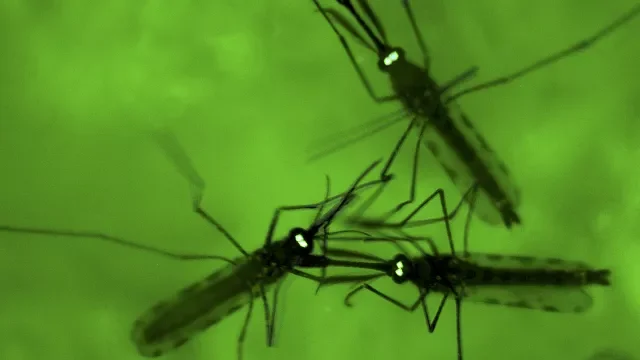
A fast-spreading invasive mosquito is raising alarm across Africa, as scientists warn it could fuel a resurgence of malaria in major cities.
The mosquito, known as Anopheles stephensi, is unlike traditional malaria carriers. It thrives in densely populated urban areas, breeding in water containers around homes and buildings, making it far harder to control.
Even more concerning, the species has developed resistance to nearly every major insecticide currently used to fight mosquitoes, undermining one of the world's most effective malaria control strategies.
Health experts fear its rapid spread could put millions more people at risk of infection, particularly in growing African cities where malaria has historically been less common.
Scientists are now racing to find new ways to stop the mosquito, from biological controls to innovative technologies and next-generation insecticides.
As this resilient species expands its reach, researchers warn that staying ahead of the threat will require urgent action and global cooperation.