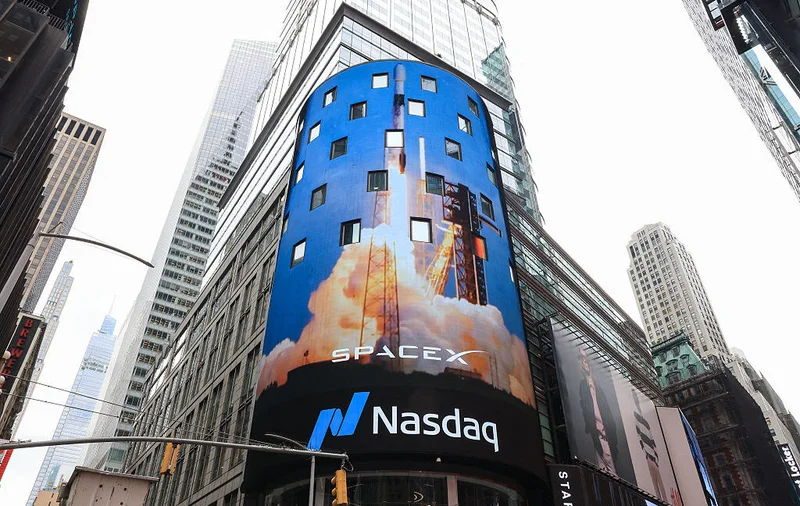
SpaceX shares dropped on Wednesday after Elon Musk’s plans for blockbuster spending to position his AI and rocket company as a data center developer spooked investors.
SpaceX surpassed analysts’ expectations in Tuesday’s debut earnings report, posting quarterly revenues of $7.8 billion, well above analysts’ estimates of $6.82 billion and up 92 percent from a year earlier. It posted a net loss of about $541 million, better than estimates of $2.12 billion.
But shares in SpaceX fell 10 percent in early trading after it reported capital expenditure of almost $16 billion on AI, double the previous quarter and well above Wall Street’s expectations. It said spending would persist at current levels for at least two more quarters.
The earnings report comes after SpaceX raised $86 billion in a historic initial public offering in June that was underpinned by expectations that it will generate meteoric revenue growth in coming years.
SpaceX’s shares initially surged but they have shed around half their value, from a peak of $225 in the week after going public to $112 on Wednesday.
Musk told investors on an earnings call that the group planned to increase its computing capacity from 2 gigawatts at the end of this year to “closer to 10GW [than 5GW]” by the end of 2027.
Each gigawatt of new capacity costs tens of billions of dollars to develop, with the bulk of that spent on chips. Musk announced that he would rely exclusively on Nvidia hardware in future infrastructure development.
At the highest end of Musk’s estimate, the company’s data centers would be consuming as much power as New York City at the peak of summer by the end of 2027.
Musk, whose commercial success at Tesla and SpaceX has come from developing hardware, is betting that his company can capitalize on insatiable demand for computing power.
Bret Johnsen, SpaceX’s chief financial officer, told investors that the group would generate more than $100 billion in annual recurring revenue by the end of the year, with cloud services accounting for the bulk of its growth.
“I think what the investment community wasn’t overly excited about was the capex number in the AI segment,” said Melissa Otto, global head of Visible Alpha research at S&P Global. “It’s ambitious.”