A fifth person has died in New York City in connection with the legionnaires’ disease outbreak on Manhattan’s Upper East Side neighborhood, according to the city’s health department.
In an update issued Tuesday, the department said that 82 cases of legionnaires’ disease have now been identified and five people have died. Eight people remain hospitalized, while 56 have been discharged.
Officials said that there have been no new cases diagnosed in six days, with no one reporting new symptoms in over 10 days. But they’ve cautioned that “these figures may change as new cases are investigated and confirmed”.
The outbreak has been traced to cooling towers in buildings on Manhattan’s Upper East Side, and the health department said on Tuesday that confirmatory culture test results came back positive for live legionella bacteria in 34 cooling towers across 33 buildings on the Upper East Side.
Nine cooling towers have negative culture test results, the statement said, while results for the remaining 140 cooling tower systems are expected over the coming week.
The city’s health department said that while the testing is going on, all 34 cooling towers that tested positive have already undergone remediation and are fully cleaned, as are all buildings that previously tested positive.
“We are saddened to share that a fifth individual has passed away due to the legionnaires’ disease cluster on the Upper East Side,” said Dr Alister Martin, New York City’s health commissioner, on Tuesday. “Our hearts are with their family, friends, and all those grieving this loss.”
In a separate statement, Martin said that the city “responded rapidly and aggressively to this Legionnaires’ cluster” and that after the first two confirmed cases, “launched our investigation and directed every building with an initial positive test result to immediately clean and disinfect its cooling tower”.
“We believe that through our aggressive strategy of testing and remediation we have eliminated the source of exposure,” he said. “We will learn more as our investigation unfolds and look forward to updating our existing policies and procedures to preventing future clusters. Right now, we are focused on identifying the source of exposure through laboratory analyses and holding accountable anyone found out of compliance with local laws.”
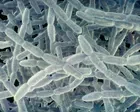
Legionnaires’ disease is a “serious type of pneumonia caused by legionella bacteria”, according to the US Centers for Disease Control and Prevention (CDC). People can get legionnaires’ disease “by breathing in mist containing legionella bacteria” and that in general, “it isn’t spread person to person,” the CDC says.
While it can be treated with antibiotics, the CDC notes that “about one out of every 10 people who gets sick with legionnaires’ disease will die due to complications from their illness”.
Julie Menin, the New York City council speaker whose district includes parts of the Upper East Side, said in a post on social media on Tuesday that the city is “in the middle of a serious public health emergency”.
“A fifth person has just tragically passed away of legionnaires’ disease and the fourth person who just passed away was only 32 years old and had dedicated their life to the medical profession,” she said, adding that “this moment requires serious action”.
Menin noted that the New York city council “will be holding an emergency oversight hearing”.
Zohran Mamdani, New York City’s mayor, briefly addressed the outbreak on Monday during remarks at an event for small businesses. He said he was “heartbroken by the loss of our fellow New Yorkers and send my deepest condolences to their loved ones”.
“I want to reassure concerned New Yorkers that they can continue to drink tap water, bathe, shower, cook and use air conditioners at home. In the days to come and in the weeks and months as well,” Mamdani said.
He said that the city believes that “we have now eliminated the source of exposure” but said that “we are continuing to inspect cooling towers and will aggressively enforce our public health laws”.