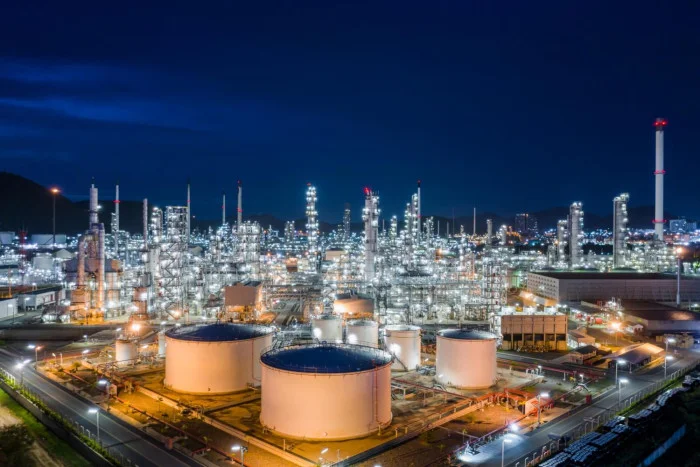
The Federation of Thai Industries (FTI) has called on the government to relax its ban on diesel exports, arguing that months of stringent curbs on refined oil shipments, imposed to cushion the fallout from war in the Middle East, are weighing heavily on the sector.
Pimjai Leeissaranukul, chairwoman of the FTI, met with Energy Minister Akanat Promphan on Wednesday to press the case, but the talks ended without a resolution.
"Further talks are needed to settle details such as which countries Thailand can export to and the volume of diesel shipments permitted," Mrs Pimjai told the Bangkok Post after the meeting.
She led FTI-affiliated oil refinery operators to meet Mr Akanat as the industry struggles to manage a glut of diesel stock.
The cabinet imposed the ban on refined oil at the end of March to ensure energy security, as global crude oil supplies were disrupted by the Israel-US war on Iran.
Limited shipments are allowed only to Laos and Myanmar. Exports were capped at less than 5 million litres per day, with Laos receiving more than 4 million litres and Myanmar about 300,000 litres daily.
In May, the National Security Council granted an exemption for A1 jet fuel exports to the Philippines, Singapore and Vietnam, arguing that aviation fuel shipments would not affect domestic consumption.
"The government already permits jet fuel exports, and energy-related pressures in Thailand have since eased," said Mrs Pimjai, adding it is time for authorities to relax the ban to ease the diesel glut.
Oil refinery operators believe Thailand can start clearing diesel stock because the country has oil reserves covering more than 100 days of use, she said.
An energy analyst who requested anonymity said oil companies face two choices in dealing with surplus diesel: cut production or export the excess.
"But reduced production will increase the cost per unit of refined oil," said the source.
Domestic demand for diesel is slowing during the rainy season because goods transport operators are avoiding travel in flooded areas.