What you need to know
-
Iran's Foreign Ministry says a deal with Oman to reopen the Strait of Hormuz will come very soon 'if certain parties do not obstruct this process'
-
Pakistan has praised Oman in 'resolving the Hormuz issue'
-
Amid renewed strikes on southern Lebanon, Israel says two of its soldiers were killed on Thursday
-
Meanwhile, Oman faces an environmental disaster after explosions rocked a Russian oil tanker in its waters
Here is a roundup of top stories from and about Middle East on Thursday, August 6, 2026:
Tired of missing our real-time updates? Click here to add DW as a Preferred Source on Google.
Iran says Hormuz deal in 'final stage'
Iran's Foreign Ministry on Thursday said that a deal with Oman regarding control over the Strait of Hormuz is in its "final stage" and will soon be in place "if certain parties do not obstruct this process."
Though not mentioned by name, the inference is that US President Donald Trump — who triggered the shutdown of the all-important waterway when he launched his war with Iran on February 28 — will again scupper a return to shipping flow.
"The factors making the Strait of Hormuz insecure still exist on the part of the United States, particularly the naval blockade and other aggressive and threatening actions against Iran and its interests," Iran's Foreign Ministry said.
Mediator Pakistan praised Oman's role in making the Tehran-Muscat deal a reality, adding that it would pave the way for comprehensive peace negotiations between Iran and the US.
The strait agreement could see ships traveling through Iranian and Omani waters and paying fees for safe passage.
Iran has insisted that it will exert control over the international passageway — through which roughly one-fifth of global oil and gas supply generally flows — but the US has insisted traffic must flow freely and without fees, as it did before Trump ordered US attacks on Iran.
Currently, the US has a blockade on the blockade, with Iran controlling the movement of ships through the narrow passage and the US maintaining a naval blockade of Iranian ports.
As the world economy sputters under the increased economic strain brought on by the US war, Trump has faced growing pressure from his Republican underlings in Congress to end the unpopular, price-busting conflict before November's mid-term elections.
Welcome to our coverage
Good morning from DW's Bonn newsroom and our coverage of today's events in the Middle East.
There are new developments in the on again, off again saga over whether the Strait of Hormuz — one of the world's most crucial international shipping passages — will ever be reopened; and if so, how, with Iran announcing that a deal is in its "final stages."
Tehran warned against "obstruction," however, hinting that the US could blow up the deal between Iran and Oman for control of the strait.
Pakistan, which mediated negotiations between Tehran and Muscat, praised Oman for getting the agreement done. Now Muscat can focus some of its attention on a suspected Russian shadow-fleet tanker that is leaking massive amounts of oil into its waters after two explosions rocked the vessel.
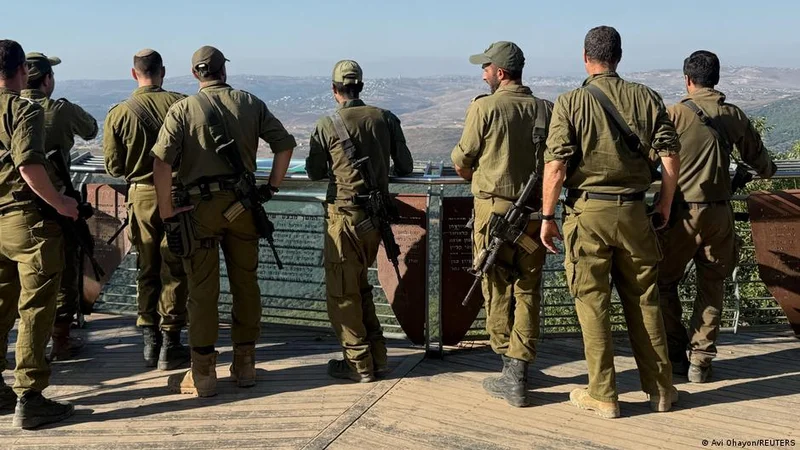
Israel on Thursday reported that two of its soldiers were killed and four injured in operations in southern Lebanon, where its forces continue to hunt members of the Iran-backed militant Islamist group Hezbollah.
Stay tuned to DW for the latest Middle East news here.