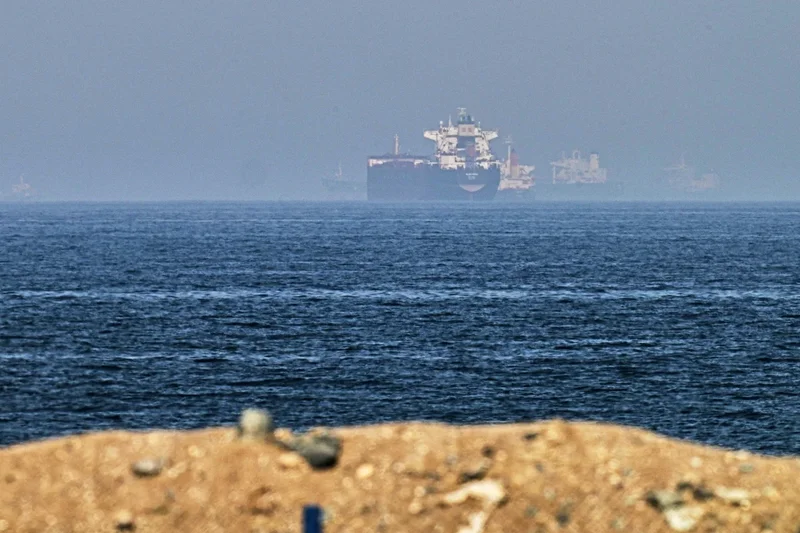
As far as can be judged, there have been no direct talks between the United States and Iran for at least a month. But peace, of sorts, may shortly be at hand again.
In recent weeks, highly motivated and constructive talks between Iran and Oman, the two nations on either side of the vital Strait of Hormuz waterway, have been taking place. These discussions have been brokered by another party with vested interests, Qatar, which relies on gas exports through the Strait.
Naturally, all the other players in the region have been apprised of the progress of these negotiations. No doubt others have too. The US secretary of state, Marco Rubio, says the US has had “input”, and Qatar has been influential as a proxy on this occasion. Notwithstanding the unusual diplomatic geometry, any deal on access to the Strait that emerges from these talks will restore the US-Iran memorandum of understanding, the so-called MoU.
If all goes well, the Strait of Hormuz will be open again to civilian traffic in a few days. The recent fall in the oil price indicates the widespread assumption that this is a done deal, and will be accepted by the Americans, at least for the time being. Indeed, Donald Trump is likely to take full credit for it, having claimed in recent days how desperate Tehran has been to settle the dispute (denied by Iran), and how well his negotiations have been going since Gulf allies requested him to call off more “massive strikes” planned for Iran.
Good news, in any case, but it is hardly a lasting solution. What’s more, there are many reasons to suppose it will collapse again soon enough. The 60-day period of renewed ceasefire is ominously ambiguous and temporary. Seizing a mutually advantageous opportunity to acquire significant geopolitical leverage and to make some money, the signs are that the Omanis and the Iranians will seek to exercise full sovereign control.
Reports indicate that the Iranians will control one channel for ships entering the Gulf; the Omanis will supervise the exit. Both countries will charge a toll, dressed up as a “service fee”, and, between them, will hold an astonishingly powerful weapon – the ability to hold vital oil and gas supplies, and thus the global economy, to ransom as they wish.
This is not the issue that led America into this quagmire, but it is now the one that has trapped President Trump. There is no more talk of regime change or unconditional surrender. Even if Iran renounces its nuclear programme and permits international inspections – which it has been committed to, de facto, since the JCPOA was signed during the Obama administration, ensuring that the US’s “war aim” is achieved – Iran has been gifted control of much of the world’s oil supplies.
This is a far more practical threat than any nuclear warhead. Gifted, that is, by President Trump’s foolish decision to join Israel’s campaign to destabilise and weaken the Iranian regime – now demonstrably a failure.
President Trump and his advisers now have, at most, a couple of months to try to work out how to get out of this hole of their own making. After all, as recently as January there was no question about oil supplies being choked off by Iran. But the blunder has been made, and the options are no wider or more appealing than they were before – except that America’s ability to menace Iran is actually now more limited. Stocks of “interceptor” missiles vital to the defence of US regional bases and of civilian and industrial infrastructure in the Gulf states are running dangerously low.
The Iranians also still have their drones, and their maverick Houthi allies stand ready to shut off the Red Sea too. The 60-day moratorium now being revived won’t even stretch until the midterm Congressional elections. The risk to the president is that the Republicans will lose control of the legislature and he will face impeachment – a factor the Iranians will be well aware of. It is he, not the Revolutionary Guard nor the ayatollahs, who ought to be begging for a deal.
Ultimately, Mr Trump may simply have to settle for whatever the Iranians and the Arabs eventually agree, and hope that terrorists or the Israeli government don’t intervene to wreck even that unsatisfactory new status quo. The world’s consumers will find their fuel, energy and other supplies a little more expensive, and Iran and, especially, Oman will be correspondingly richer. American prestige will be diminished. But the war will be over, a global recession avoided, and, with this usual disregard for reality, Mr Trump can declare victory and the world can move on.