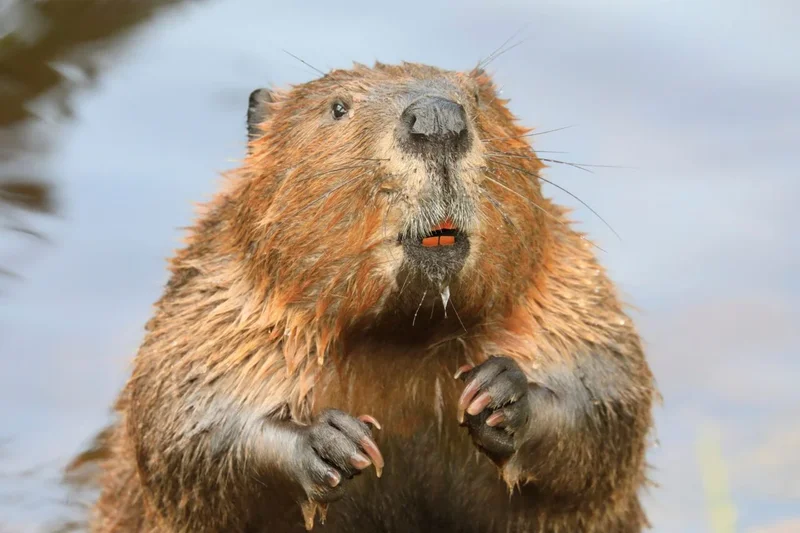
Something strange is going on with the beavers that live at Cunningham Falls State Park in Maryland. They keep trying to take a chunk out of human visitors.
On Wednesday, the Maryland Department of Natural Resources reported that a fisherman was recently attacked by a beaver in the areaâthe second such incident documented in less than two weeks. The person was preventively treated for rabies, while the department has closed off additional sections of the park in response. Officials are investigating the possibility of a rabies outbreak afflicting the local beavers.
Beaver attacks
On the morning of July 26, a beaver bit into a 13-year-old boy swimming in the park’s Hunting Creek Lake. The boy suffered injuries to his hands and chest and was airlifted to Johns Hopkins Hospital in Baltimore. Local officials soon captured and euthanized the beaver, and a day later, the animal tested positive for rabies (rabies can only be definitively confirmed by testing brain tissue directly). The park then shut down swimming access to the lake while officials looked for more rabid beavers nearby.
This latest attack occurred Wednesday morning around the park’s South Beach Day Use area. The fisherman, a 19-year-old male, was bitten on the ankle by the beaver. He transported himself to the Meritus Medical Center in Hagerstown for treatment, which included a tetanus shot and post-exposure rabies prophylaxis (this involves donated antibodies and several doses of the rabies vaccine). Officials have now shut down the park’s Houck Day Use area, the nearby boat ramp, and Big Hunting Creek above the lake.
“Swimming, fishing, boating, and all water access are prohibited until the area can be confirmed safe for visitors. Other areas of the park, including the campground, remain open,” said the DNR in its update released Wednesday.
Rabies to blame?
Beaver attacks on humans are very rare. According to the DNR, the last two reported attacks in the state prior to these ones occurred in 2015 and 2021.
Most of the time, these incidents involve beavers that have contracted the rabies virus. Though rabies is uncommon in these and other rodents, the infection can cause disorientation, aggression, and other strange behaviors; rabid beavers also tend to be less afraid of people in general. As with humans, beaver rabies is effectively 100% fatal once symptoms emerge. People who receive prompt post-exposure treatment nearly always avoid such a fate, however.
Following the first July attack, officials dismantled a nearby beaver lodge but didn’t observe any other animals until this newest attack. The second beaver was captured and euthanized, and its body will undergo testing for rabies, with results expected later this week.
In the meantime, officials have increased their surveillance of the park to evening hours. Any beavers they spot will be removed from the area. The DNR is also advising visitors to stay a minimum 25 yards away from any beavers they see, and it’s asking anyone who recently came into contact with a beaver to contact the Frederick County Health Department at 301-600-3342.