AI & Machine Learning 10
-
Edge AI Agents Revolutionize Workflows

A new wave of AI agents, exemplified by the open-source Mano-P model, is breaking free from browser-only automation by using vision-based understanding to control native desktop applications. Running fully on local hardware like Apple Silicon, these edge-native agents preserve data privacy, reduce latency, and outperform cloud-dependent models on complex multi-app workflows. This shift enables sensitive, offline, and cost-predictable automation previously impossible with cloud AI. The open-source roadmap promises broader adoption and integration across industries.
-
DeepSeek V4: AI Powerhouse at Low Cost
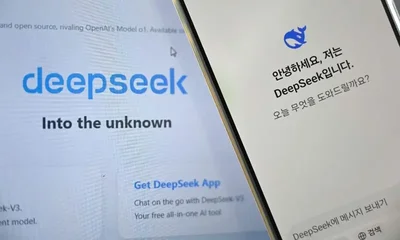
Chinese AI startup DeepSeek has launched its highly anticipated V4 model, boasting an ultra-long context of one million words and drastically reduced compute and memory costs. Available in two versions, V4-Pro with 1.6 trillion parameters and V4-Flash with 284 billion, the model challenges Western AI dominance by offering top-tier performance at a fraction of the price. This release marks a significant milestone in the global AI race, potentially democratizing access to advanced AI capabilities beyond elite research labs. As tensions rise between the US and China over AI technology, DeepSeek’s open-source approach may reshape the competitive landscape moving forward.
-
AI Design Flaws and Rights Debate

AI is revolutionizing productivity but struggles with design quality, as noted by tech consultant Jonny Burch who highlights the lack of critical human oversight in AI-generated work. Meanwhile, designers like those behind the Thia app are blending AI with human creativity to maintain critical thinking. On a broader scale, human rights advocates warn that AI's unchecked use in sectors like agribusiness and policing risks erasing communities and privacy. The future hinges on balancing AI's power with human judgment and rights protection.
-
US Targets China for AI Model Theft

The US government, led by Michael Kratsios, has accused Chinese firms of conducting 'industrial-scale' theft of American AI technology through a method called distillation. This technique allows rivals to replicate AI capabilities by extracting knowledge from US models without accessing proprietary data directly. The White House plans to share intelligence with AI companies and explore legal measures to counteract these activities ahead of a critical Trump-Xi summit. The move highlights escalating tensions over AI dominance and intellectual property protection between the two nations.
-
Anthropic Fixes Claude AI Performance Issues
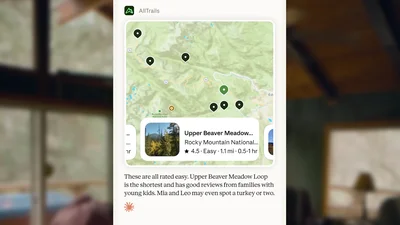
Anthropic has acknowledged and resolved recent performance problems with its Claude AI models after users reported declines in reasoning ability and increased errors. The company traced the issues to three product-layer changes, including a reasoning effort downgrade, a caching bug, and verbosity limits, which collectively degraded Claude's output quality. Anthropic has reverted these changes, reset usage limits for subscribers, and introduced new safeguards to prevent future regressions. Meanwhile, Claude's capabilities have expanded with new integrations to popular lifestyle apps like Spotify and Instacart, enhancing its personal assistant functions.
-
Anthropic Hits $1 Trillion Valuation Surge
Anthropic has overtaken OpenAI in secondary market valuation, surging to an eye-popping $1 trillion on platforms like Forge Global. This leap, driven by rapid revenue growth and investor frenzy around its Claude AI products, signals intense speculative interest in AI's next big player. While the figure reflects what buyers are willing to pay for minority stakes rather than a primary valuation, it highlights Anthropic's rising dominance and potential IPO plans later this year.
-
Meta, Microsoft Slash Jobs for AI Push

Meta is cutting about 8,000 jobs, roughly 10% of its workforce, starting May 20, while canceling 6,000 open positions to fund a massive AI infrastructure investment of up to $135 billion this year. The layoffs are structural, shifting teams into AI-focused units, even as executives stand to gain nearly $1 billion each through stock options tied to a $9 trillion valuation target. Meanwhile, Microsoft offers voluntary buyouts to 7% of its US staff amid a broader tech industry trend of job cuts driven by AI investments. The move signals a sharp pivot toward AI, with fewer traditional roles and more spending on AI talent and infrastructure.
-
OpenAI Launches GPT-5.5: Smarter, Faster AI

OpenAI has unveiled GPT-5.5, its most advanced AI model yet, boasting superior coding, computer use, and scientific research capabilities. It narrowly outperforms Anthropic's Claude Mythos Preview on key benchmarks like Terminal-Bench 2.0, achieving 82.7% accuracy. Available now to ChatGPT Plus, Pro, Business, and Enterprise subscribers, GPT-5.5 promises faster, more intuitive AI interactions, though API access will arrive soon at higher token pricing. This release cements OpenAI's lead in the competitive AI landscape and signals a step toward their envisioned AI "superapp."
-
AI Agents Revolutionize Finance and Defense

AI agents are rapidly evolving from advisory roles to executing financial transactions, with crypto becoming the backbone of this new 'agentic finance' economy. Companies like Coinbase are pioneering agent-native payment protocols, while startups such as BAND are building communication layers to enable AI agents to collaborate seamlessly. In defense, Rilian has raised $17.5 million to deploy AI agents for autonomous security orchestration in sensitive environments. As regulatory frameworks and security measures develop, these AI-driven systems are poised to transform both financial markets and national defense operations.
-
AI Revolutionizes Medicine and Care

AI is transforming healthcare from drug discovery to clinical support. In Japan, AI combined with iPS cell technology is optimizing regenerative medicine, enabling personalized treatments and efficient cell cultivation. Meanwhile, OpenAI's new ChatGPT for Clinicians outperforms human doctors in clinical tasks like documentation and research, easing clinician workloads. However, the American Medical Association urges tighter regulation of wellness AI chatbots to ensure safety and reliability. As AI advances, human oversight remains crucial for ethical and effective healthcare.
Tech & Gadgets 10
-
Google to Rebrand Fitbit as Google Health

Google is set to rename the Fitbit app to "Google Health," signaling a major shift in its health tech strategy. New branding, including a brushstroke heart logo in Google's signature colors, has appeared on Google Store listings and the Apple App Store, hinting at the upcoming "Google Health Premium" subscription. While Fitbit hardware will retain its name, software and services will unify under the Google brand, marking a significant integration move. This rebranding could reshape user experience and competition in the health tech market as Google consolidates its offerings.
-
OnePlus Pad 4: iPad Pro Challenger Arrives

The OnePlus Pad 4 is set to launch on April 30, boasting a Snapdragon 8 Elite Gen 5 chip, up to 12GB RAM, and a massive 13,380mAh battery that promises multi-day standby. Its 13.2-inch 3K LCD display supports Dolby Vision, while new accessories like the Stylo Pro pencil and a redesigned keyboard folio enhance productivity. Weighing 672 grams with a sleek metal body, the Pad 4 aims to rival the iPad Pro with improved durability and performance. Stay tuned for detailed reviews as it hits the market, starting in India.
-
Nothing Phone 3 Gets Smarter with OS 4.1 Update

Nothing has rolled out the Nothing OS 4.1 update for the Nothing Phone 3, bringing new features like the Essential Voice dictation tool, a revamped lock screen clock, and enhanced Live Updates. This update improves audio and video call quality and includes the April 2026 security patch. The update follows the recent launch of the Nothing Phone 4a series with the same OS version, and similar updates are planned for other Nothing devices soon.
-
XREAL One Pro Drops Price Amid Tech Hikes

In a rare move against the tide of rising tech costs, XREAL has permanently cut the price of its premium One Pro smart glasses from $649 to $599. These glasses offer a virtual 171-inch display with 3D support and flagship specs, making the price drop notable in a market where competitors are hiking prices. This move could signal a strategic push to boost adoption ahead of new AR/VR releases. Buyers can now snag the One Pro on Amazon and XREAL’s site at the new lower price.
-
Gemini's Temporary Chat Icon Changes

The Gemini app has quietly updated its Temporary Chat icon, replacing the familiar dotted chat bubble with a new oval-and-pencil design. This change, appearing only on mobile via a server-side update, shifts the icon's look to better match the app's rounded UI style but may confuse users accustomed to the original. While the feature itself remains unchanged, the lack of official explanation leaves users guessing if this tweak is permanent or a bug. As Gemini continues evolving, users will watch for further updates or clarifications from the developers.
-
Samsung Integrates Ikea Smart Devices—With Limits

Samsung has expanded its SmartThings platform to support around 25 Ikea smart home devices using the Matter standard, simplifying setup and boosting affordability. However, users must have a dedicated SmartThings hub—like Samsung's $130 Aeotec or compatible Smart TVs—to connect Ikea devices, as phones alone won't suffice. This move makes Ikea's budget-friendly sensors and bulbs more accessible to SmartThings fans, though newcomers face extra hardware costs. The integration highlights growing smart home interoperability but underscores that seamless use still depends on owning the right hub.
-
TCL Unveils New Google TVs with Big Discounts

TCL has launched its latest Google TV lineup in the US, featuring the premium RM9L series with RGB-MiniLED technology and more affordable QM8L and QM7L QLED+MiniLED models. Prices start at $1,199 but are currently discounted up to $2,000, making high-end home theater tech more accessible. The RM9L series boasts impressive 4K displays up to 115 inches, while the QM lines offer vibrant colors and deep blacks. TCL also introduced the A65K Dolby Atmos soundbar system priced at $699, rounding out its home entertainment offerings.
-
LG Launches Micro RGB TVs with Stunning Color

LG has introduced its new Micro RGB TV lineup, the MRGB95 series, featuring massive screens from 75 to 100 inches and an innovative Micro RGB backlight delivering over a billion colors with full BT.2020 coverage. Starting at $5,000, these TVs promise superior color accuracy and contrast thanks to a Micro Dimming Ultra system with 1,000 dimming zones. This launch places LG firmly in the competitive Micro RGB market alongside rivals like TCL and Sony, with pre-orders open now and shipments expected in May.
-
Pixel 11 Pro Fold Wallpapers Leak

Google’s Pixel 11 Pro Fold wallpapers have surfaced in the Android 17 beta, revealing two new animated backgrounds named "Tidal Swirl" and "Lunar Tides." These wallpapers hint at the phone’s upcoming color options, featuring dark and greenish tones linked to the internal codenames "Pine" and "Midnight." The Pixel 11 Pro Fold is expected to launch later this year with a similar design to its predecessor but slightly thinner, continuing Google's foldable phone lineup.
-
Corsair Unveils Ultimate PC Case Customizer

Corsair has launched the Frame Configurator, a groundbreaking tool that offers PC builders unprecedented customization for its 4000 Series cases. Users can select from 12 front panels, including eye-catching real wood options, multiple motherboard trays, PSU shrouds, and advanced front-panel USB-C setups. This innovation reinvigorates the DIY PC market by allowing highly personalized builds, addressing the stagnation caused by recent hardware shortages. Going forward, Corsair’s configurator could set a new standard for modular PC case design and user-driven customization.
War & Conflicts 10
-
US Invites Putin to G20 in Miami

The United States has officially invited President Vladimir Putin to the G20 summit scheduled for December 14-15 in Miami, marking a notable diplomatic gesture amid ongoing tensions. While the White House confirmed the invitation, President Donald Trump expressed doubts about Putin's attendance but welcomed the possibility, highlighting his aim to ease the Ukraine conflict. Putin's decision remains pending, with his last in-person G20 appearance in 2019 and recent participation via video due to an ICC arrest warrant. The summit could signal a critical moment in US-Russia relations and global diplomacy.
-
Pakistan's Peace Push Sparks Backlash

Pakistan's attempt to mediate the US-Iran peace talks has led to severe lockdowns in Islamabad and Rawalpindi, crippling daily life and sparking public outrage. With roads closed and businesses shuttered for nearly two weeks, many residents face lost incomes and uncertainty. Despite hopes of elevating Pakistan's diplomatic role, the stalled negotiations have left locals feeling trapped and frustrated. The government faces mounting pressure to ease restrictions as economic hardship deepens.
-
Deadly Negros Clash Kills 19, Including Fil-Am

A deadly military clash in Toboso, Negros Occidental, has left 19 people dead, including civilians such as a journalist and student leader. The National Task Force to End Local Communist Armed Conflict confirmed the death of a Filipino-American from California, raising concerns about foreign involvement in the conflict. Human rights groups are demanding an immediate, impartial investigation amid conflicting reports about the victims' identities. The incident highlights ongoing tensions between government forces and insurgents, with calls for accountability growing louder.
-
Deadly Drone Strikes Hit Odesa Amid Fierce Frontline Battles

A Russian drone attack on Odesa killed a 75-year-old Ukrainian couple and injured at least 15 others, hitting residential buildings and a foreign merchant ship. Ukrainian emergency services continue rescue operations amid fires and destruction. Meanwhile, heavy fighting rages across multiple frontlines, with 194 clashes reported and over 900 Russian casualties in the past day, signaling an intense phase in the ongoing conflict.
-
Israel-Lebanon Ceasefire Extended Amid Tensions

Israel and Lebanon have agreed to extend their ceasefire by three weeks following high-level talks at the White House, announced by U.S. President Donald Trump. This extension aims to pave the way for direct peace negotiations, with Trump planning to host Israeli Prime Minister Benjamin Netanyahu and Lebanese President Joseph Aoun soon. Despite the ceasefire, sporadic violence continues, including recent Israeli strikes and Hezbollah rocket attacks, underscoring the fragile nature of the truce and the ongoing regional tensions.
-
Pentagon Mulls Suspending Spain from NATO

An internal Pentagon email reveals the U.S. is considering suspending Spain from NATO due to its refusal to support U.S. military operations in the Iran conflict. The email highlights frustration over allies denying basing and overflight rights, with Spain's stance seen as particularly problematic. This move would be largely symbolic but signals a shift in U.S. expectations of NATO partners. The Pentagon is also reviewing its position on Britain's Falkland Islands claim amid broader alliance tensions.
-
22 Militants Killed in Khyber Clash

Security forces killed 22 militants in a joint intelligence-based operation in Khyber district, Khyber Pakhtunkhwa, on April 21, the military confirmed. The militants, linked to the banned Tehreek-e-Taliban Pakistan, engaged in heavy gunfire that tragically claimed the life of a 10-year-old child. Authorities recovered weapons and continue sanitisation efforts to eliminate remaining threats. This operation is part of the ongoing nationwide counter-terrorism campaign 'Azm-e-Istehkam,' with leaders pledging to sustain efforts until terrorism is eradicated.
-
US Soldier Charged for $400K Maduro Bets

Gannon Ken Van Dyke, a U.S. Army Special Forces master sergeant, has been arrested for using classified information to place bets on the capture of Venezuelan President Nicolás Maduro via Polymarket, netting over $400,000. The soldier allegedly made 13 wagers between December 26, 2025, and January 2, 2026, before Maduro's capture on January 3. He faces multiple federal charges including commodities fraud and wire fraud, with potential prison sentences up to 20 years. This case marks a significant crackdown on insider trading in crypto prediction markets, with authorities emphasizing national security risks. Van Dyke's trial and further investigations are pending.
-
France-Germany Clash Over Fighter Jet Future

France and Germany are at odds over the timeline for their €100 billion Future Combat Air System (FCAS) program, raising doubts about Europe's largest defense project. While German Defence Minister Boris Pistorius expects a decision this week at the EU summit, French Defence Minister Catherine Vautrin signals delays with talks extended beyond the April 18 deadline. Key industrial players like Dassault Aviation and Airbus remain divided, complicating cooperation on fighter jets, drones, and digital combat networks. The outcome will shape Europe's strategic autonomy and defense integration moving forward.
-
Hormuz Strait: US-Iran Naval Showdown Escalates

The US and Iran have intensified their naval standoff over the Strait of Hormuz, seizing multiple commercial ships as each side asserts control over this critical oil transit route. With the US enforcing a blockade on Iranian vessels and Iran demanding tolls and permission for passage, tanker traffic has nearly halted, pushing Brent crude above $100 a barrel. President Trump has ordered the Navy to destroy any boats laying mines, signaling a volatile ceasefire. The conflict now hinges on naval blockades and fast-boat tactics, with global energy markets and regional security hanging in the balance.
Disasters & Emergencies 10
-
Glacier Blocks Everest Climbing Route

A massive chunk of glacier has blocked the main climbing route on Mount Everest just as the peak climbing season gets underway. Authorities, including Ram Krishna Lamichhane, are considering airlifting the rope-fixing team by helicopter to Camp 2 to reopen the path above that altitude. This disruption threatens to delay or reduce the number of summit attempts this season, raising concerns among climbers and guides alike.
-
Oklahoma Tornado Devastates Homes, Air Force Base

A powerful tornado tore through Enid, Oklahoma, on Thursday night, destroying homes and forcing the closure of Vance Air Force Base due to power and water outages. Despite extensive damage, no fatalities were reported, though some residents suffered minor injuries. Authorities continue door-to-door checks and emergency services are active, while the base remains closed until further notice. Oklahoma Governor Kevin Stitt has expressed support and prayers for the affected community as recovery efforts begin.
-
Southeast Wildfires Rage Amid Drought

Massive wildfires are tearing through Florida and Georgia, fueled by extreme drought and high winds, with over 130 active fires in Florida and a single blaze in Georgia's Clinch County burning nearly 30,000 acres. The dry conditions, worsened by a persistent high-pressure system, have led to evacuations and destroyed homes, prompting a state of emergency in 91 Georgia counties. Firefighters are battling the flames with aerial and ground efforts, while forecasts hint at possible rainfall relief soon. These fires underscore the growing wildfire threat linked to climate change in the Southeast.
-
Floods and Landslips Disrupt Auckland, Coromandel

Heavy rains have triggered landslips and flooding in Auckland and the Coromandel Peninsula, forcing the evacuation of at least 18 homes in Waiwera. Key roads including Weranui Road and Port Jackson Road remain closed, with tolls waived on affected motorways to ease travel. Emergency services and local communities have rallied to support evacuees, while weather warnings remain in place with up to 150mm of rain expected. Authorities urge residents to stay alert as conditions could worsen over the weekend.
-
Oil Leak Linked to Fatal Theme Park Accident

A 24-year-old female employee died in a tragic accident at Tokyo Dome City Attractions when the Flying Balloon ride malfunctioned due to an oil leak in its hydraulic system. The Metropolitan Police Department is investigating the incident, focusing on the oil leak from an electromagnetic valve that controls the ride's movement. This discovery raises serious safety concerns about the maintenance procedures of the park. Authorities are now scrutinizing work protocols to prevent future tragedies.
-
Peace River Homicide: Police Seek Suspect

A man was fatally run over at a Peace River Petro-Canada gas station early Thursday, prompting an RCMP homicide investigation. Surveillance footage captured a suspect stealing a vehicle and striking the victim, who later died from his injuries. Authorities have released photos of the suspect and the stolen vehicle, urging the public to come forward with any information. Police continue to track the vehicle's movements between 2 a.m. and 2 p.m. as they seek justice.
-
E. coli Found in Despatch Water Supply

For two weeks, residents of Despatch in the Eastern Cape unknowingly consumed water contaminated with E. coli, detected between April 7 and 21. Despite the health risks, the municipality did not issue warnings, claiming the contamination level of 3 E. coli per 100ml was low and isolated. Officials have since taken corrective actions including chlorination and increased security around reservoirs, but concerns remain due to unhygienic conditions and reports of rising gastrointestinal illnesses. The community awaits further updates as authorities monitor water safety closely.
-
Fatal House Fire Claims Man in Cork

A man in his 50s tragically died after a house fire in Cork. Emergency services pronounced him dead at the scene, and his body was taken to Cork University Hospital morgue. Authorities are investigating the cause of the blaze as the community mourns this sudden loss.
-
Bear Kills Woman Near Polish Village

A tragic encounter in the Lesko Forest District has resulted in the death of a woman attacked by a bear, according to local authorities and her son. The incident highlights the risks posed by bears emerging from hibernation, as they venture closer to human settlements in search of food. Wojciech Jankowski, a forest spokesman, emphasized the unexpected nature of the encounter. Authorities are now reviewing safety measures to prevent similar tragedies.
-
Potomac Sewage Spill: Cleanup Continues

The sewage spill in the Potomac River has officially ended, but contamination concerns persist as bacteria levels, though reduced, remain above safe thresholds. Scientists and environmentalists warn that the river's full recovery is not guaranteed yet, highlighting ongoing risks to local ecosystems and public health. Authorities continue to monitor water quality closely, with efforts focused on preventing further environmental damage.
Science 10
-
Ancient Snake Fossil Redraws Evolution

A 100-million-year-old fossil from Argentina, belonging to the snake Najash rionegrina, reveals that early snakes had hind legs and a cheekbone lost in modern species. This challenges the long-held belief that snakes evolved from small burrowers, suggesting instead that their ancestors were larger-bodied with wide mouths. Using micro-CT scans, scientists detailed the skull anatomy, correcting decades of misconceptions about snake evolution. The discovery sheds new light on the complex origins of snakes and will guide future paleontological research.
-
Plants Hear Rain, Speed Germination

A groundbreaking study from MIT reveals that plants can actually hear the sound of falling rain, using calcium carbonate crystals in their roots similar to human inner ear structures. This sonic cue accelerates germination by 30 to 40 percent, signaling to seeds that conditions are ripe for growth. The discovery sheds new light on plant sensory abilities and could influence agricultural practices. Researchers plan to explore how this mechanism affects other plant species and environments.
-
FDA Greenlights First Gene Therapy for Deafness

The FDA has approved Otarmeni, the first gene therapy for inherited deafness caused by mutations in the OTOF gene. This groundbreaking treatment restores hearing by delivering a functional gene to the inner ear, benefiting patients who previously had no cure beyond cochlear implants. With 80% of trial participants showing significant hearing improvement, Otarmeni marks a historic advance in genetic medicine and will be offered free to U.S. patients. Ongoing international trials aim to expand access and explore broader applications.
-
Fossil Magnetism Unlocks Star Secrets

Scientists acting as stellar archaeologists have uncovered fossilized magnetism in white dwarfs, shedding light on how stars evolve from red giants to their final white dwarf stage. This discovery, led by Lukas Einramhof and his team at ISTA, links magnetic fields observed in red giant cores to those on white dwarf surfaces, supporting the fossil field theory. Understanding this magnetic legacy could reshape models of our sun’s future, potentially extending its lifespan or altering its demise. The findings were published in Astronomy & Astrophysics and open new avenues for studying stellar evolution.
-
Giant Cretaceous Octopuses Ruled Seas

Scientists have uncovered fossil evidence of enormous octopuses, up to 19 meters long, that dominated the Late Cretaceous oceans as apex predators. These giant cephalopods, including the species Nanaimoteuthis haggarti, rivaled sharks and marine reptiles in size and hunting prowess, using powerful jaws and flexible arms to crush hard-shelled prey. The discovery challenges previous views of marine food chains dominated solely by vertebrates and suggests advanced intelligence and lateralized behavior in these ancient invertebrates. Researchers plan to further explore how these giants evolved and their ecological roles in prehistoric seas.
-
Epstein-Barr Virus Drives Multiple Sclerosis Risk

A groundbreaking study of over 600,000 people reveals how the Epstein-Barr virus (EBV) manipulates B-cells, disrupting immune function and activating genes linked to multiple sclerosis (MS). Researchers found that 1% of individuals carry most of the EBV DNA, with genetic variants influencing both viral load and MS risk. This insight deepens understanding of MS's autoimmune origins and opens avenues for targeted treatments and vaccines. Scientists now aim to clarify whether tackling EBV can halt MS progression once symptoms appear.
-
Artificial Neurons Chat with Brain Cells
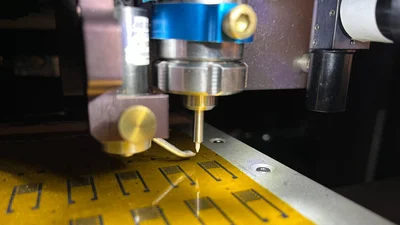
Scientists at Northwestern University have engineered tiny artificial neurons that can communicate with real mouse brain cells, marking a breakthrough in brain-computer interfaces. Using printed inks with molybdenum disulfide and graphene on flexible polymers, these neurons mimic natural spiking patterns, potentially revolutionizing neuromorphic computing and medical implants. This innovation could lead to more energy-efficient AI and new treatments for brain diseases. Researchers now aim to integrate these neurons into complex circuits to fully replicate brain functionality.
-
AI Unlocks Hidden Plasma Physics

Researchers at Emory University have harnessed AI to uncover new physical laws governing dusty plasma, the fourth state of matter. Their custom neural network revealed non-reciprocal particle forces with over 99% accuracy, challenging long-held assumptions about particle charge and interaction. This breakthrough not only deepens our understanding of plasma but also opens pathways for AI-driven discoveries in complex many-body systems, from industrial materials to living cells.
-
Why Some 80-Year-Olds Outsmart Time

For over 25 years, Northwestern Medicine has studied 'SuperAgers'—people in their 80s with memories as sharp as those decades younger. Their brains resist or tolerate Alzheimer’s plaques, defying the usual cognitive decline. This breakthrough could reshape dementia prevention and brain health strategies. Researchers now aim to harness these insights for wider cognitive resilience.
-
Homer’s Iliad Found Inside Egyptian Mummy

Archaeologists uncovered a papyrus with a passage from Homer’s Iliad inside the abdomen of a Roman-era Egyptian mummy near Cairo. This rare find, dating back about 1,600 years, reveals that literary texts were sometimes included in mummification rituals, not just magical scrolls. The discovery at Oxyrhynchus sheds new light on cultural exchanges in antiquity and opens fresh avenues for studying ancient funerary practices. Researchers from the University of Barcelona plan further analysis to understand the significance of this unique burial tradition.
Space & Exploration 10
-
Artemis II Fuels NASA's Moon Base Plans

The successful Artemis II mission has provided NASA with vital insights for designing a permanent lunar base, shifting focus from an orbiting station to a $20 billion surface facility. Key learnings from Artemis II's heat shield performance and crewed spacecraft systems are shaping upcoming Artemis III and IV missions, which will test docking technologies and aim for a moon landing by 2028. NASA is leveraging experience from the International Space Station to prepare for long-term human habitation on the moon, signaling a new era of sustained lunar exploration.
-
Vast Unveils Next-Gen Space Suit

Vast has revealed its new Astronaut Flight Suit designed specifically for private space station visitors aboard Haven-1. The suit features a modular one- or two-piece design, tailored fit, and practical elements like tool pockets and Velcro for zero-G utility. Former astronaut Megan McArthur helped ensure it meets the demands of microgravity movement and personal customization. Alongside the suit, a specialized space-ready watch by IWC Schaffhausen was introduced. This marks a significant step toward outfitting commercial space travelers with functional, comfortable gear.
-
NASA Unveils Diverse Crew-13 Team

NASA has announced the crew for its upcoming SpaceX Crew-13 mission to the International Space Station, scheduled for mid-September. The team includes NASA astronauts Jessica Watkins and Luke Delaney, Canadian Space Agency astronaut Joshua Kutryk, and Roscosmos cosmonaut Sergey Teteryatnikov. This multinational crew will conduct vital scientific research and technology demonstrations to support future lunar and Martian exploration. The mission marks Watkins' second spaceflight and the first for the other three astronauts.
-
Roman Telescope Launches Ahead of Schedule

NASA's Nancy Grace Roman Space Telescope is set for launch as early as September, arriving eight months ahead of schedule and under budget. This advanced observatory will survey the cosmos with a field of view 100 times larger than Webb, targeting dark energy, exoplanets, and baryon acoustic oscillations to deepen our understanding of the universe. Final preparations at Kennedy Space Center include meticulous contamination controls to protect its sensitive instruments. Once operational, Roman promises to revolutionize astrophysics with panoramic cosmic views and unprecedented scientific data.
-
Kennedy Gears Up for Roman Telescope Launch
NASA's Kennedy Space Center is finalizing preparations for the arrival and launch of the Nancy Grace Roman Space Telescope this September. The telescope will undergo critical final inspections and fueling at the upgraded Payload Hazardous Servicing Facility, ensuring a contamination-free environment for this highly sensitive spacecraft. Launching on a SpaceX Falcon Heavy from Launch Complex 39A, Roman promises to revolutionize our cosmic understanding with panoramic views far surpassing previous missions. The countdown is on for a mission that could reshape astronomy.
-
Mars' Ancient Ash Reveals Dynamic Past

New high-resolution images from the European Mars Express orbiter have captured ancient volcanic ash spreading across Utopia Planitia, a vast northern plain on Mars. These images show that the dark ash deposits have expanded since the 1970s, suggesting active wind-driven surface changes on the Red Planet. This discovery highlights Mars' geological activity and hints at a complex history involving ancient seas and subsurface ice. Scientists will continue analyzing these features to better understand Mars' evolving climate and geology.
-
Jordan Joins Artemis Accords as 63rd Signatory

Jordan has officially become the 63rd nation to sign the Artemis Accords, committing to responsible and peaceful space exploration. The signing took place at NASA headquarters, marking a significant step as humanity prepares to return to the Moon with international cooperation. Jordan's strong engineering talent and growing space initiatives, including satellite launches and analog research missions, position it as a key player in the new era of lunar exploration. This move strengthens global space diplomacy as more countries are expected to join the accords in the near future.
-
Interstellar Comet Born in Freezing Depths

Scientists using ALMA have revealed that the interstellar comet 3I/ATLAS formed in a region far colder than our solar system. The comet's unusually high levels of semi-heavy water, about 30 times that of solar system comets, indicate it originated in a frigid environment below 30 Kelvin. This discovery reshapes our understanding of planetary system formation across the Milky Way. Researchers now aim to pinpoint the exact birthplace of 3I/ATLAS and compare it to our own cosmic neighborhood.
-
Chandra Reveals Young Stars Fade Fast

NASA’s Chandra X-ray Observatory has discovered that young Sun-like stars in open clusters dim in X-rays much faster than expected, emitting only about a quarter to a third of predicted levels. This rapid dimming, observed in clusters aged between 45 million and 750 million years, suggests a calmer environment for planets orbiting these stars, potentially boosting their habitability. The findings challenge previous assumptions and open new avenues for studying stellar evolution and exoplanet conditions.
-
Japan's Bold Mars Moon Sample Quest

Japan's MMX mission has arrived at Tanegashima spaceport, gearing up for a late 2026 launch to Mars' moon Phobos. This daring project aims to collect and return samples by 2031, shedding light on whether Phobos and Deimos are captured asteroids or debris from Mars itself. Equipped with the IDEFIX rover, MMX will pioneer exploration in ultra-low gravity before landing. Success could rewrite our understanding of Mars and the inner solar system's history.
Health & Medicine 10
-
450,000 Australians Denied Subsidized Diabetes Drug
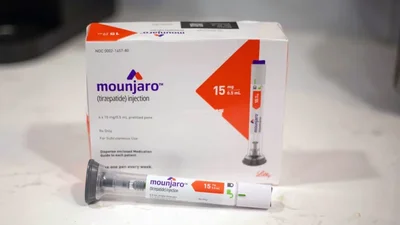
About 450,000 Australians will miss out on subsidized access to Eli Lilly's weight loss drug Mounjaro after the company rejected the government's pricing offer as "unviable and unsustainable." The Pharmaceutical Benefits Advisory Committee had recommended subsidizing tirzepatide for adults with poorly controlled Type 2 diabetes to improve equity of access. Eli Lilly cited financial risks and unrealistic conditions in the government's proposal, casting doubt on future listings for obesity-related treatments. The decision highlights ongoing tensions between drug affordability and pharmaceutical pricing in Australia's healthcare system.
-
UN's Vaccine Drive Nears 21M Goal

The United Nations, through WHO, UNICEF, and Gavi, reports that its three-year 'Big Catch-Up' campaign to vaccinate children missed during the pandemic is on track to reach its target of immunizing 21 million kids across 36 countries. This effort has already vaccinated 12.3 million previously unvaccinated children against diseases like diphtheria and polio. Despite progress, funding cuts and rising measles outbreaks pose ongoing challenges. The agencies emphasize the need to combat vaccine misinformation and strengthen immunization programs globally.
-
Unelected Lords Stall UK Assisted Dying Bill

A small group of seven unelected peers in the House of Lords has blocked the assisted dying bill for terminally ill patients by proposing over 1,200 amendments, effectively stalling its progress. Supporters, including terminally ill campaigners, accuse these Lords of undemocratic sabotage, while opponents argue the bill is poorly drafted and unsafe. With the bill running out of time, Labour peer Lord Falconer has suggested a final debate to discuss the issue more broadly. The fate of assisted dying legislation remains uncertain as tensions between scrutiny and obstruction continue.
-
Coffee's Surprising Gut-Brain Boost
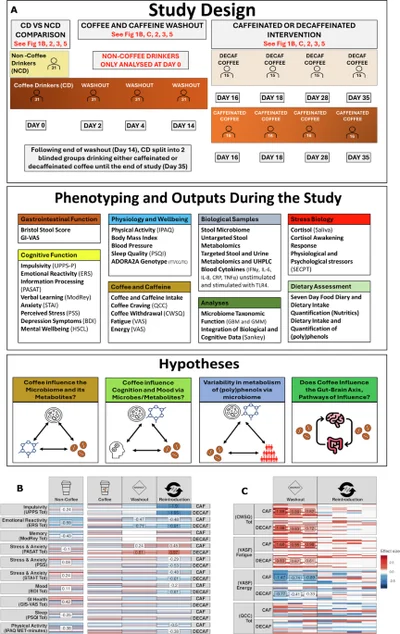
A new study from Ireland reveals that habitual coffee drinking reshapes the gut microbiome and enhances cognitive functions. Researchers tracked 62 adults, comparing regular coffee drinkers to non-drinkers, and found significant microbiome and behavioral changes linked to coffee intake. This breakthrough highlights coffee's role beyond a morning pick-me-up, suggesting it may influence brain health via the gut. Next steps include exploring how different coffee types affect these benefits.
-
Burnout Crisis Hits Emergency Docs Hardest

A new AMA report reveals that physician burnout remains alarmingly high, with 41.9% of doctors showing symptoms in 2025, a slight improvement from previous years. Emergency medicine leads the pack, with nearly 49.8% of its physicians affected, underscoring the intense pressure in this specialty. As the healthcare system faces a looming physician shortage and aging workforce, experts stress urgent action to prioritize physician wellness and leverage technology to ease burdens.
-
Calgary Philanthropist Fuels Mental Health Breakthroughs

The legacy of Norm Johnson, a Calgary oil executive and bipolar disorder advocate, is driving groundbreaking mental health research at the University of Calgary. Inspired by Norm's generosity and openness about his struggles, his son Trevor is spearheading fundraising for the Mental Health Initiative for Stress and Trauma (MIST). This initiative is pioneering new treatments, including psychedelic clinical trials, to address long-term mental health effects after head trauma. The research promises hope for many facing persistent challenges beyond physical recovery.
-
California Basic Income Falls Short

A pilot guaranteed income program in Yolo County, California, aimed at lifting families out of poverty, failed to deliver long-term financial independence, according to a University of California, Davis study. Participants received monthly payments averaging $1,289, but most remained trapped in poverty due to ongoing financial emergencies like medical bills and car repairs. While the program provided temporary relief and helped prevent homelessness, it did not break the cycle of generational poverty. Advocates continue to push for expansion, but critics warn of a looming 'fiscal cliff' once funding ends.
-
FDA Greenlights First Gene Therapy for Deafness
The FDA has approved Otarmeni, the first gene therapy targeting inherited deafness caused by mutations in the OTOF gene. Developed by Regeneron, this one-time treatment restores hearing by delivering a working gene copy directly into the ear, showing significant improvement in 16 of 20 trial participants. This breakthrough offers a new option beyond cochlear implants, promising natural hearing restoration for affected children and adults. The therapy will be provided free in the U.S., with ongoing trials expanding globally.
-
AMA Demands Tighter AI Chatbot Rules
The American Medical Association (AMA) has called for stricter regulations on AI chatbots and wellness apps amid growing concerns over their safety and reliability. Highlighting risks such as misinformation and privacy breaches, the AMA urges lawmakers to implement robust oversight to protect patients. This move signals increasing scrutiny on AI tools in healthcare, with potential new policies expected soon.
-
RFK Jr. Champions Peptide Deregulation Wave

Robert F. Kennedy Jr. is spearheading a push to loosen federal restrictions on peptides, potentially igniting a new wellness boom akin to the weight-loss drug surge. These peptides, popular among fitness buffs and celebrities for their touted anti-aging and healing benefits, remain largely unproven in humans. The FDA plans to review peptide production by compounding pharmacies this July, signaling possible regulatory shifts. If deregulated, the peptide market could skyrocket from $60 billion to $180 billion in five years, benefiting telehealth firms and longevity clinics. However, medical experts warn of health risks, urging caution amid the hype.
Cybersecurity & Privacy 11
-
Malware Sabotage Predates Stuxnet by Five Years

Cybersecurity researchers at SentinelOne have uncovered a sophisticated sabotage malware dubbed "fast16" that predates the infamous Stuxnet worm by about five years. This malware targeted engineering simulation software such as LS-DYNA, PKPM, and MOHID, subtly corrupting calculations to cause real-world damage. The discovery suggests state-sponsored cyber sabotage efforts began earlier than previously known, potentially aimed at Iran's nuclear program. Experts warn this finding reshapes understanding of cyberwarfare's evolution and urge software vendors to check for compromised outputs.
-
Critical Breeze Cache Flaw Exploited Now

A severe vulnerability in the Breeze Cache WordPress plugin, tracked as CVE-2026-3844, is actively exploited by hackers to upload arbitrary files without authentication, risking full site takeover. This flaw affects all versions up to 2.4.4 and has been used in over 170 attacks detected by Wordfence. With over 400,000 active installs, site owners must urgently update to version 2.4.5 or disable the "Host Files Locally - Gravatars" add-on to prevent compromise.
-
First Quantum-Safe Ransomware Unveiled

A ransomware family named Kyber has been confirmed as the first to use post-quantum cryptography (PQC) in its attacks, marking a new era in cybercrime. While quantum computers capable of breaking current encryption are still years away, Kyber uses PQC mainly as a psychological tactic to pressure victims into paying quickly. Security experts note the implementation is straightforward, leveraging Kyber1024 libraries to encrypt AES keys, but the move signals growing sophistication in ransomware strategies.
-
UK Flags China-Linked Proxy Botnets

The UK’s National Cyber Security Centre (NCSC) and nine international partners have issued a stark warning about Chinese state-linked hackers using massive proxy networks of hijacked consumer devices to mask their cyberattacks. These botnets, composed mainly of compromised SOHO routers and IoT devices, allow attackers to route traffic through multiple nodes to evade detection. Notably, the FBI disrupted the Raptor Train and KV-Botnet networks linked to Chinese groups Flax Typhoon and Volt Typhoon. Authorities urge organizations to adopt multifactor authentication, zero-trust controls, and dynamic threat feeds to counter these evolving threats.
-
Bitwarden CLI NPM Package Hijacked

The Bitwarden CLI npm package was compromised on April 22, 2026, when attackers uploaded a malicious version 2026.4.0 containing credential-stealing malware. This breach targeted developer secrets like npm tokens and cloud credentials by exploiting a compromised GitHub Action in Bitwarden's CI/CD pipeline. Bitwarden confirmed no user vault data was accessed, but developers who downloaded the affected version must rotate credentials immediately. The attack is linked to the TeamPCP threat actor and echoes a broader supply chain campaign also hitting Checkmarx.
-
Trigona Ransomware's New Data Heist Tool

Trigona ransomware operators have upgraded their tactics with a custom-built exfiltration tool named “uploader_client.exe,” enabling faster and stealthier data theft. This tool supports parallel uploads, rotates connections to avoid detection, and selectively targets valuable files, marking a shift from common public utilities. After a disruption by Ukrainian cyber activists in 2023, the gang appears to have resumed operations with enhanced malware sophistication. Security firms warn organizations to stay vigilant and monitor for indicators of compromise linked to this evolving threat.
-
UNC6692 Exploits Teams for SNOW Malware

The cybercrime group UNC6692 has been using Microsoft Teams to impersonate IT helpdesk staff, tricking victims into installing the SNOW malware suite. By flooding inboxes with spam and then offering fake IT support via Teams, they gain initial access to corporate networks. This sophisticated social engineering tactic targets senior employees to deploy custom malware that enables remote control and data theft. Security firms warn this evolving method leverages trusted cloud services to evade detection, signaling a new wave of enterprise attacks. Organizations must tighten verification and monitoring on collaboration platforms to defend against such threats.
-
Checkmarx KICS Supply-Chain Breach Exposed

A supply-chain attack compromised Checkmarx KICS Docker images and VSCode extensions, enabling hackers to steal sensitive developer credentials including GitHub tokens and cloud keys. The breach, active briefly on April 22, 2026, targeted infrastructure-as-code configurations processed by KICS, posing serious risks to developer environments. Checkmarx has removed malicious artifacts and urged users to rotate secrets and revert to safe versions. This incident underscores the growing threat of supply-chain attacks on critical developer tools.
-
UK Unveils SilentGlass Malware Blocker

The UK's GCHQ has launched SilentGlass, a groundbreaking device that blocks malware transmitted via HDMI and DisplayPort cables. Designed to protect sensitive government systems, this plug-and-play gadget stops malicious traffic between displays and computers, addressing a niche but critical security gap. Licensed to Goldilock Labs and partnered with Sony UK, SilentGlass is set for global release, targeting high-threat environments where advanced cyberattacks may exploit display signals. While some experts question its necessity, the device offers a new layer of defense against sophisticated espionage tactics.
-
Rituals Cosmetics Hit by Data Breach

Dutch cosmetics giant Rituals has revealed a data breach affecting its "My Rituals" membership program, potentially exposing personal details like names, emails, and addresses of an undisclosed number of customers. While no passwords or payment data were compromised, the company is investigating the incident and has notified authorities. With over 41 million members globally, the breach raises concerns about customer privacy and the security of loyalty programs. Rituals has contained the breach but has yet to disclose the nature of the cyberattack or any suspects.
-
China-Linked GopherWhisper Hacks Mongolia

A China-aligned APT group named GopherWhisper has infected at least 12 Mongolian government systems using sophisticated Go-based malware. The attackers exploited legitimate platforms like Slack, Discord, and Microsoft 365 Outlook for command-and-control, enabling stealthy data exfiltration. ESET researchers uncovered a suite of backdoors and tools designed to compress and steal sensitive files. With dozens more victims suspected, cybersecurity experts warn of ongoing threats and urge vigilance.
Gaming & Esports 10
-
Saros: Bullet Hell Meets Sci-Fi Drama

Housemarque's new PS5 shooter, Saros, plunges players into a brutal, fast-paced alien world where death is just the start of the fight. Praised for its dazzling visuals and frantic combat, the game demands quick reflexes and strategic weapon use, though its story delivery feels uneven. Rahul Kohli's portrayal of Arjun Devraj adds depth to the sci-fi mystery, but narrative pacing and character development receive mixed reviews. Saros pushes roguelike action forward with a polished, if punishing, experience that rewards persistence.
-
Xbox Game Pass Starter Hits Discord Nitro

A leak reveals a new Xbox Game Pass tier called the "Starter Edition" coming bundled with Discord Nitro. This edition offers access to over 50 games, including Stardew Valley and Fallout 4, plus 10 hours of cloud streaming monthly. Microsoft aims to attract more users by integrating Game Pass with Discord's $10 monthly Nitro subscription, potentially reshaping the subscription gaming landscape. Details on pricing and launch dates remain under wraps, but this move signals a push for more flexible, affordable gaming options.
-
Meta Unveils AI Chat Parental Controls

Meta has launched new parental controls allowing parents to monitor the topics their teens discuss with its AI chatbot on Facebook, Messenger, and Instagram. The feature, called AI Insights, reveals conversation topics like school, lifestyle, and health without exposing the actual chats. While this aims to enhance teen safety, experts warn it risks privacy and shifts moderation responsibility onto parents. Meta plans to expand these controls globally and improve alerts for sensitive topics like self-harm.
-
Xbox's Bold Reset Under Asha Sharma

Under new CEO Asha Sharma, Xbox is shaking up its strategy to revive a brand facing player frustration and fierce competition. The company is ditching the 'Microsoft Gaming' label to return to its roots as Xbox, focusing on affordability, daily active players, and a more unified experience across console, PC, and cloud. Notably, Sharma is reevaluating exclusivity policies, hinting at a possible shift in how Xbox titles appear on other platforms. The upcoming Project Helix console and the June Xbox showcase will be critical tests for this ambitious reboot.
-
Shapez 2 Hits 1.0 with New Factory Mode

Shapez 2 officially launched its 1.0 version today after nearly two years in early access, marking a milestone for this minimalist factory-building game. The update introduces a fresh Manufacture Mode, addressing player feedback by focusing on large-scale, permanent factories and shape trading. Alongside achievements and modding support, the release enhances visuals and tutorials, promising deeper gameplay. Fans can now dive into the full experience on Steam.
-
Black Flag Remake Sets Sail July 9

Ubisoft officially revealed Assassin's Creed Black Flag Resynced, a full remake of the 2013 pirate classic, launching July 9, 2026, on PC, PS5, and Xbox Series X|S. The game rebuilds the original with the latest Anvil Engine, adding revamped combat, stealth, new story scenes, and enhanced visuals including ray tracing and dynamic weather. Notably, the modern-day storyline is scaled back, and multiplayer plus DLC content are omitted. Fans can expect a faithful yet fresh pirate adventure led by Ubisoft Singapore, promising to rekindle the swashbuckling spirit with new crew officers and sea shanties.
-
Pokémon Snap Spinoff: Nintendo's Quiet Game-Changer

The 2021 release of New Pokémon Snap marked a subtle but significant shift in Nintendo's game design philosophy. Unlike the high-stakes, goal-driven titles typical of the Switch era, this spinoff emphasized relaxed gameplay focused on capturing unique Pokémon moments rather than winning or losing. Its influence is evident in Nintendo's recent titles that prioritize player freedom and vibes over traditional challenges. As Nintendo continues to explore this laid-back approach, New Pokémon Snap stands as a key milestone shaping the company's future portfolio.
-
Overwatch Finally Advances Its Storyline

Overwatch is delivering on a decade-old promise by significantly advancing its narrative in the second season of its reboot era. After years of stagnant storytelling, Blizzard has introduced major plot developments like Vendetta's takeover of Talon and attacks on Overwatch's base, reflected directly in the game. This momentum is supported by new lore content across motion comics, audio dramas, and a Webtoon series, making the story a central pillar of the game once again. Fans can expect continued expansion of the storyline and character arcs moving forward.
-
Bloodlines 2 Unleashes 'Loose Cannon' DLC

Vampire: The Masquerade - Bloodlines 2 is expanding with its first DLC, Loose Cannon, releasing on April 27. Players step into the shoes of Benny Muldoon, a gun-wielding nomad with a unique combat style, offering fresh story insights and gameplay distinct from the main campaign. Alongside the DLC, a free update improves saves, fast travel, and melee combat, with more features like photo and noir modes coming this summer. This content aims to revitalize the game after its rocky launch, promising a richer Seattle vampire experience.
-
Stop Killing Games Secures Offline Win

The Stop Killing Games movement has scored a significant victory as Ubisoft enhances offline support for The Crew 2. Following pressure from the movement and nearly 1.3 million signatures on their European Citizens Initiative petition, Ubisoft rolled out updates allowing offline access to liveries, driver stats, and a smoother mode-switching interface. This development not only preserves player freedom but also signals a shift in how major publishers handle game longevity. Fans can now enjoy a more robust offline experience, with hopes that similar support will extend to The Crew Motorfest soon.
Dev & Open Source 10
-
Linear Haskell Adopts Rust Borrowing

A breakthrough called Pure Borrow integrates Rust-style mutable and shared borrows into Linear Haskell, enabling safe, pure, and concurrent mutation within a linear monad called BO. Developed by Yusuke Matsushita and collaborators, this approach ensures type-safe resource management with flexible aliasing and lifetime control. This innovation promises more robust parallel algorithms in Haskell, and its acceptance at PLDI 2026 marks a significant step forward for functional programming concurrency. Further exploration will likely expand its practical applications and tooling support.
-
Ruby on Rails Devs Reveal 2026 Trends

The 2026 Ruby on Rails Community Survey gathered insights from over 2,700 developers, revealing how AI is reshaping Rails workflows and what tools and environments are most trusted. This deeper dive highlights evolving developer priorities and challenges in the Rails ecosystem. The open, anonymous survey results aim to guide the community and influence future tooling and practices.
-
llm.rb: Ruby's AI Powerhouse Runtime

llm.rb emerges as the most capable AI runtime tailored for Ruby developers, offering a unified execution model that integrates providers, agents, tools, and persisted state seamlessly. Unlike typical wrappers, it supports long-lived, stateful AI workflows with zero dependencies by default and native ActiveRecord and Sequel support. This design empowers engineers to build complex, agentic systems within Ruby applications without juggling multiple abstractions. As AI adoption grows, llm.rb sets a new standard for Ruby-based AI development, promising easier orchestration and richer capabilities ahead.
-
Lubuntu 26.04 LTS Debuts LXQt 2.3
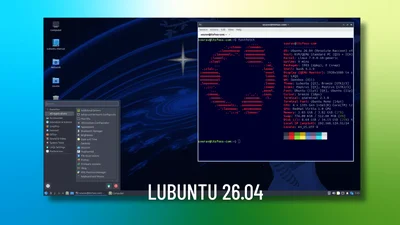
Lubuntu 26.04 LTS 'Resolute Raccoon' launches with the lightweight LXQt 2.3 desktop environment and Linux kernel 7.0, enhancing performance and hardware support. This release targets users with older or low-spec machines, offering extended updates until 2029 and improved features like Wayland workspace support and hardware-accelerated video encoding. Although Wayland sessions aren't included on the ISO yet, they may arrive via PPA later. Users can download the new LTS now or upgrade following official guides.
-
Kubuntu 26.04 LTS Ditches X11 for Wayland

Kubuntu 26.04 LTS has officially dropped support for the X11 session, making Wayland the sole display server protocol in this latest long-term support release. This shift aligns Kubuntu with modern Linux desktop trends, promising smoother graphics and better security. Powered by Linux kernel 7.0 and featuring Plasma 6.6, the release also brings improved hardware support and updated applications. Users can download it now and expect a more streamlined KDE experience moving forward.
-
Elasticsearch Unleashes simdvec Speed Boost
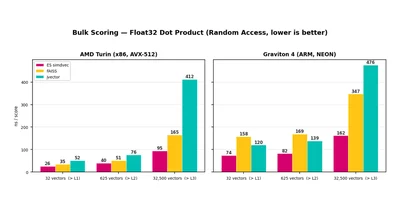
Elasticsearch has introduced simdvec, a cutting-edge feature that dramatically accelerates vector search performance. This innovation leverages SIMD (Single Instruction, Multiple Data) capabilities to process large-scale vector queries faster than ever. The breakthrough promises to enhance AI-driven search applications, making them more responsive and efficient. Developers and data scientists can now expect quicker insights and smoother user experiences as Elasticsearch continues to push the boundaries of search technology.
-
Secure: Simplifying Python Web Security

The new Python package Secure streamlines managing HTTP security headers for web apps by centralizing header policies into a single configurable object. This prevents inconsistent or missing headers across routes and frameworks, offering presets like BALANCED, BASIC, and STRICT for different security needs. Compatible with Python 3.10+, it integrates easily with popular frameworks such as Flask and FastAPI via middleware. Developers can now enforce robust, consistent security headers effortlessly, enhancing web app protection with minimal fuss.
-
Intel Cuts Open-Source Ties, Shifts Focus

Intel has quietly ended its Open Ecosystem Community and Evangelism program, archiving key open-source projects on GitHub. This move signals a major retreat from Intel's historic role as a leading open-source advocate amid corporate restructuring and cost pressures. With the departure of prominent evangelists and the shutdown of AI and developer tooling repositories, Intel appears to be narrowing its open-source strategy toward product-specific efforts. The full impact on developer engagement and ecosystem influence remains to be seen.
-
Room 3.0 Revolutionizes Android Persistence

Google has launched Room 3.0, a major overhaul of its Android persistence library that drops Java code generation in favor of Kotlin-only output, embracing Kotlin Multiplatform and asynchronous coroutines. This update removes support for Java Annotation Processing and Android's native SQLite API, replacing them with modern, multiplatform-friendly APIs and a coroutine-first model. Crucially, Room 3.0 now supports JavaScript and WebAssembly, expanding its reach beyond Android. Developers are encouraged to migrate using compatibility layers introduced in Room 2.8.0, as Room 3.0 ushers in a new era of streamlined, asynchronous data handling across platforms.
-
Trailmark: Visualizing Code Like Never Before
Trailmark, an open-source tool from Trail of Bits, transforms source code into interactive graphs, enabling deeper AI-assisted analysis of software structure. By mapping functions, classes, and call relationships into a queryable graph, it helps developers and security analysts uncover hidden vulnerabilities and optimize testing strategies. Supporting 17 languages and integrating with mutation testing, Trailmark promises to revolutionize how codebases are understood and audited. The next step is wider adoption and integration with AI tools like Claude for smarter code reasoning.