AI & Machine Learning 12
-
Google’s Gemma 4 Crushes AI Giants
 research →
Google DeepMind’s Gemma 4 just flipped the AI script with its 31-billion parameter model ranking #3 on Arena AI’s leaderboard—beating models 20 times larger. This powerhouse runs on a single RTX 4090 GPU, making cutting-edge AI accessible without massive data centers. With four models scaling from smartphones to high-end GPUs, Gemma 4 challenges the notion that AI must live in the cloud. Next up: widespread adoption and fine-tuning on everyday devices, including Apple Silicon.
-
Anthropic Halts Release of Game-Changing AI
 research →
Anthropic stunned the AI world on April 7, 2026, by unveiling the Claude Mythos Preview, their most powerful AI model yet — and immediately declaring it too dangerous for public release. This AI didn’t just outperform competitors; it uncovered thousands of critical cybersecurity flaws across major systems, raising alarms about potential misuse. With AI-driven cyberattacks soaring 72% last year, Anthropic’s move to limit access and launch Project Glasswing with tech giants signals a new era of cautious innovation. The big question now: can the industry keep this power from falling into the wrong hands?
-
AI Superintelligence Nears: Urgent Risks Revealed
 research →
AI 2027, a detailed month-by-month forecast by top researchers including ex-OpenAI’s Daniel Kokotajlo, warns that superintelligent AI could emerge within just a few years. The biggest dangers aren’t sci-fi doomsday scenarios but subtle failures like misaligned training and AI-driven cyberwarfare. OpenAI echoes this urgency, calling for swift policy changes as superintelligence may outpace human intellect by 2028. The race is on to prepare society for a world where AI doesn’t just assist but leads complex problem-solving.
-
RAG Revolutionizes AI Accuracy and Efficiency
 research →
Retrieval-Augmented Generation (RAG) is transforming AI by tackling the biggest flaws of large language models—outdated knowledge, hallucinations, and lack of private data access. New breakthroughs like MG²-RAG enhance multimodal reasoning by fusing text and visuals into smarter knowledge graphs, while W-RAC slashes costs and boosts retrieval speed with clever chunking of web data. These advances mean AI assistants and chatbots can now deliver more reliable, up-to-date answers faster and cheaper than ever. The next step is widespread adoption across industries hungry for trustworthy AI insights.
-
AI Advances in Long-Form Medical Audio Summaries
 research →
A new synthetic data pipeline developed by researchers is revolutionizing how AI handles long medical conversations. By generating over 8,800 doctor-patient dialogues with realistic audio and detailed SOAP notes, this breakthrough tackles the challenge of long-context audio summarization head-on. Current AI models still struggle, but cascaded approaches show promise. This dataset could soon transform clinical documentation and improve AI’s understanding of complex medical interactions.
-
Desktop AI Crafts Its Own Tools Live
 research →
Samuel, a new desktop AI, breaks the mold by writing and loading its own tools on the fly—no restarts, no interruptions. Created by a developer fed up with pausing to search for answers, Samuel listens, watches, and talks in real time, seamlessly enhancing productivity. This innovation could redefine how we interact with AI companions, making them truly adaptive and always ready. Next up: seeing how far this self-evolving AI can go in everyday tasks.
-
Agentic AI Revolutionizes Interfaces and Safety
 research →
Agentic AI is reshaping technology by enabling systems to act autonomously, not just respond. From frontend apps that anticipate user needs and adapt workflows on the fly, to new hierarchical learning methods like STEP-HRL that boost AI efficiency, this wave is transforming how machines interact and learn. But with great power comes governance challenges—new layered control frameworks are emerging to keep these proactive agents in check. The future is agentic, blending smarter interfaces with tighter safety nets.
-
DeepSearch Boosts AI Reasoning with Tree Search
 research →
DeepSearch, a new AI training framework unveiled by Fang Wu and colleagues, smashes through the usual slowdowns in reinforcement learning by embedding Monte Carlo Tree Search directly into the learning process. Unlike traditional methods that use tree search only at the end, DeepSearch explores reasoning paths systematically during training, unlocking richer problem-solving skills. This breakthrough could turbocharge AI models tackling complex tasks, making them smarter and more reliable. Next up: testing DeepSearch across diverse AI challenges to see how far this method can push machine reasoning.
-
ALTO Revolutionizes LoRA Fine-Tuning Efficiency
 research →
ALTO emerges as a game-changer in the world of LoRA fine-tuning, tackling the notorious challenge of hyperparameter tuning across diverse tasks. By smartly orchestrating multiple tuning jobs on shared GPUs, ALTO slashes wasted computation and boosts cluster utilization, accelerating adapter training like never before. This breakthrough means faster, more cost-effective fine-tuning for large language models, paving the way for broader AI innovation. Next up: real-world deployments to prove ALTO’s impact at scale.
-
Anthropic Surges Past OpenAI in AI Race
 research →
Anthropic has leapfrogged OpenAI in revenue, hitting a staggering $30 billion annual run-rate while spending four times less on training its AI models. This comes amid Anthropic’s aggressive moves, including a $400 million acquisition of biotech AI startup Coefficient Bio and plans to invest $200 million in a private equity joint venture to embed its Claude AI deeper into enterprises. Meanwhile, OpenAI continues to raise massive funds, valuing itself at $852 billion. The battle for AI dominance is heating up, with both giants gearing for IPOs and a fight for the lucrative enterprise market ahead. Stay tuned as this high-stakes showdown unfolds.
-
Shadow Libraries Vanish Amid AI Clash
 research →
In early 2026, Anna’s Archive, one of the globe’s largest shadow libraries, suddenly lost its domain and backup addresses, cutting off free access to countless books and papers. Once a quiet rebellion against paywalls, these shadow libraries are now caught in a fierce battle involving publishers, governments, and AI giants. This crackdown signals a major shift in how knowledge is shared online, raising urgent questions about access and control. The fight is far from over, with new legal and technological battles looming on the horizon.
-
AI Tools Reshape Coding Teams Fast
 research →
Sam Altman predicts AI will soon let one coder replace entire software teams, revolutionizing development. With current AI tools already doubling or tripling productivity, the next wave promises even bigger leaps. Meanwhile, Cursor’s market dominance faces challenges as costly billing changes push developers to seek alternatives. This shift signals a major transformation in how software is built and who builds it next.
Tech & Gadgets 14
-
Microsoft Fixes Windows Start Menu Search Glitch
 research →
Microsoft has swiftly rolled out a server-side fix to resolve a frustrating bug that broke the Windows 11 Start Menu search on some 23H2 devices. The glitch, triggered by a recent Bing update meant to boost search performance, caused blank but clickable search results, disrupting user workflows. Microsoft has now pulled the problematic update, and the fix is gradually reaching affected users, restoring normal search functionality. If your Start Menu search is still acting up, make sure your device is online and hasn’t disabled Web Search via Group Policy.
-
Asian Tech Stocks Soar on Hormuz Ceasefire
 research →
Asian tech and semiconductor stocks skyrocketed after the U.S. and Iran agreed to a conditional two-week ceasefire, reopening the Strait of Hormuz. Giants like TSMC jumped nearly 5%, while South Korea’s SK Hynix surged over 15%, fueled by easing trade worries and booming AI chip demand. This truce not only calms a critical energy chokepoint but also ignites optimism for global supply chains. Investors will be watching closely if this fragile peace holds and how it shapes the tech sector's next moves.
-
Slash AI GPU Costs with Smart Strategies
 research →
As AI and ML workloads explode, the soaring costs of GPUs and cloud compute are squeezing budgets everywhere. Dev.to's latest insights reveal savvy strategies—from picking the right instances to leveraging cloud optimization tools—that can dramatically cut expenses without sacrificing performance. With GPUs essential for training massive models, mastering cost optimization is now a business imperative. Expect more innovations soon as Finops AI tech evolves to keep pace with AI’s relentless growth.
-
USPS-Amazon Deal Secures Billion-Parcel Lifeline
 research →
The U.S. Postal Service and Amazon have struck a crucial new deal that will see USPS deliver over 1 billion packages annually for the e-commerce giant, despite a planned 20% volume cut. This agreement averts a looming crisis after Amazon threatened to slash deliveries by two-thirds, which would have devastated USPS’s revenue stream. With Amazon accounting for nearly 15% of USPS deliveries and generating around $6 billion in revenue, this pact offers a vital financial lifeline. The deal awaits final approval from the Postal Regulatory Commission, but it signals continued cooperation between the two shipping powerhouses.
-
Chinese Phones Push 200MP Camera Limits
 research →
Five top Chinese smartphone makers are gearing up to launch flagship models featuring dual 200-megapixel cameras with massive 1/1.28-inch sensors, powered by homegrown tech. These phones will boast LOFIC HDR 3.0, a breakthrough that dramatically improves dynamic range and image quality. OnePlus 16, expected this fall, will join the race with a rumored 200MP Samsung HP5 sensor and ultra-thin bezels. This camera arms race signals China's growing dominance in mobile photography innovation, setting the stage for a stunning year ahead.
-
Apple Set to Unfold iPhone Ultra in September
 research →
Apple is gearing up to launch its first foldable smartphone, rumored to be called the iPhone Ultra, alongside the iPhone 18 Pro models this September. Despite earlier whispers of production delays pushing the release to 2027, Bloomberg confirms the foldable is on track for a 2026 debut. The device promises a bold, passport-sized wide display, signaling Apple’s bold entry into the foldable market. Fans and rivals alike will be watching closely as Apple challenges Samsung’s foldable dominance.
-
Social Media Fuels Disinformation Surge
 research →
Oxford University’s Programme on Democracy and Technology reveals social media as a battleground where disinformation campaigns, often state-backed, operate on an industrial scale across 80+ countries. These campaigns exploit platform vulnerabilities, using automated systems and coordinated teams to manipulate public opinion and threaten democratic institutions. As digital propaganda evolves, understanding and countering these tactics is critical to safeguarding democracy worldwide. The next step involves developing robust frameworks to detect and disrupt these sophisticated disinformation networks.
-
Joybuy Challenges Amazon with Speed and Savings
 research →
Joybuy, a fresh Chinese e-commerce contender, has landed in the UK aiming to disrupt Amazon’s dominance by promising same-day delivery to over 17 million Brits and next-day elsewhere. Offering everything from tech gadgets to groceries, Joybuy’s aggressive pricing and rapid shipping could shake up how UK shoppers buy online. This move signals a broader Asian push to capture Western markets, with AliExpress also expanding its premium offerings recently. The big question now: can Joybuy outpace Amazon’s trusted grip on British consumers?
-
Windows Secure Boot Certificates Expire in 2026
 research →
Microsoft is retiring Windows Secure Boot certificates issued in 2011 this June, replacing them with updated versions from 2023. These certificates guard the earliest system boot processes against tampering, so their expiry could cause boot issues if not addressed. For personal users, a simple update might suffice, but organizations must coordinate with IT to avoid disruptions. This move underscores the ongoing effort to keep Windows security robust as hardware and firmware evolve.
-
Google Pixel April Patch Fixes Critical Flaws
 research →
Google has unleashed its April 2026 security update for Pixel phones, squashing critical vulnerabilities and stabilizing app crashes across the board. Rolling out now to devices from Pixel 6 through Pixel 10 series, including the Pixel Tablet, this patch prioritizes your phone’s safety over flashy new features. If you’re eager, you can manually install it today, but expect an automatic over-the-air rollout soon. Staying updated means your Pixel stays secure—so don’t wait.
-
Ex-Facebook Engineer Faces Criminal Probe Over 30,000 Photos
 research →
A former Meta engineer in London is under criminal investigation for allegedly downloading around 30,000 private Facebook images by creating software to bypass internal security. Meta discovered the breach over a year ago, fired the employee, alerted affected users, and upgraded its defenses. The London Metropolitan Police cybercrime unit is now leading the probe, with the suspect currently on police bail. This case spotlights ongoing challenges in protecting user privacy at tech giants and raises questions about internal security oversight. Authorities expect further developments as the investigation continues.
-
Anker Slashes Price on Prime 3-in-1 Charger
 research →
Anker has dropped the price of its new Prime 3-in-1 Wireless Charging Station to $119.99 on Amazon, down from $149.99, just weeks after its launch. This sleek charger supports the latest Qi2.2 standard, delivering up to 25W fast charging for compatible iPhones, matching Apple’s own MagSafe speeds but at a lower cost. It also powers your Apple Watch and AirPods simultaneously, making it a versatile desk companion. With this deal, tech lovers can snag premium wireless charging without the premium price—expect more competitive offers as the Qi2.2 standard gains traction.
-
Google Pixel Set to Dominate 2026 Market
 research →
As memory prices soar, the smartphone market braces for a tough 2026, but Google Pixel is poised to shine as the ‘only bright spot.’ With component costs pushing device prices up by as much as 25%, consumers are expected to flock to ‘accessible flagships’ priced between $700 and $999, where Pixel’s value-packed offerings fit perfectly. This positions Google to capture significant sales despite industry headwinds, making Pixel a key player to watch in the year ahead.
-
Google Unveils Pixel 10a Japan Exclusive
 research →
Google has launched a special edition of its Pixel 10a smartphone exclusively in Japan, featuring a striking new “Isai Blue” color created in collaboration with the Japanese brand Heralbony. This limited edition comes with unique artwork by Midori Kudo, a blue bumper case, and exclusive Material You themes inspired by local artists, making it a collector’s dream. Priced at around JPY 94,900 (about Rs 55,000), this release celebrates Pixel’s 10-year milestone in style. Fans outside Japan will have to wait or import, as this edition is strictly regional.
World Politics 11
-
Macron Hails Iran-US Ceasefire, Warns on Lebanon
 research →
French President Emmanuel Macron has welcomed the recent ceasefire between Iran and the US as a hopeful step toward easing Middle East tensions. However, he cautioned that the situation remains fragile, especially in Lebanon, urging its inclusion in any peace talks to prevent further instability. Macron’s call signals France’s intent to play a proactive role in regional security as the world watches closely. The next moves will likely focus on diplomatic efforts to stabilize Lebanon’s volatile borders.
-
Ceasefire Sparks Hormuz Shipping Revival
 research →
A sudden two-week ceasefire between the US, Iran, and Israel has eased tensions in the Strait of Hormuz, a critical artery for global oil. President Donald Trump halted planned strikes after Iran agreed to reopen the strait, sending oil prices tumbling below $100 a barrel and markets rallying worldwide. Yet, Tehran’s plan to impose transit fees and require permits hints at a new geopolitical chess game ahead. The world watches closely as this fragile peace could reshape energy flows and regional stability.
-
Middle East Ceasefire Cracks Amid Missile Strikes
 research →
Despite a fragile two-week ceasefire agreed by Iran, the US, and Israel, missile alerts and attacks continue across the Middle East, including a gas facility fire in Abu Dhabi. The ceasefire’s shaky terms and independent actions by Iran’s Revolutionary Guard commanders cast doubt on its effectiveness. With regional tensions still high and diplomatic talks just beginning, the fragile peace hangs by a thread.
-
Pakistan Brokers Historic US-Iran Ceasefire
 research →
Pakistan, led by PM Shehbaz Sharif, has successfully mediated a groundbreaking ceasefire between the US and Iran, effective immediately across all conflict zones including Lebanon. This rare diplomatic breakthrough halts hostilities and opens the door for peace talks scheduled in Islamabad on April 10. The ceasefire promises safer passage through the Strait of Hormuz and a chance to resolve long-standing disputes. The world now watches as these negotiations could reshape Middle East stability.
-
EU Entry-Exit System Faces Border Chaos
 research →
With the EU's new entry-exit system (EES) set to fully launch by April 10, chaos is unfolding at Schengen borders. While some countries are following Brussels' digital rules, France and others remain unprepared, forcing continued passport stamping and limited biometric checks. This patchy rollout, started in October 2025, threatens to disrupt travel for millions, especially British visitors. The European Commission claims the system is already catching overstayers and criminals, but travelers should brace for ongoing border confusion.
-
US and Iran Strike Historic Ceasefire Deal
 research →
In a surprising move, the US and Iran have agreed to a two-week ceasefire, halting hostilities and reopening the crucial Strait of Hormuz, which channels a fifth of the world's oil. This truce, brokered by Pakistan and announced by President Donald Trump, has sparked cautious optimism worldwide, with leaders like Israel’s Netanyahu supporting the pause but warning of ongoing tensions in Lebanon. The ceasefire sets the stage for peace talks in Islamabad, aiming to end years of conflict and instability in the Middle East. The world now watches closely to see if this fragile calm can lead to lasting peace.
-
Israel Backs US-Iran Ceasefire, Excludes Lebanon
 research →
Israel has thrown its support behind the US-Iran two-week ceasefire announced just before President Trump's bombing deadline expired, but with a sharp caveat: Lebanon is off the table. Prime Minister Benjamin Netanyahu’s office confirmed backing the pause, emphasizing Iran must halt attacks and reopen the Strait of Hormuz immediately. This move signals a fragile step toward de-escalation in a conflict that has rattled the region and global markets, though tensions remain high over Lebanon’s exclusion. Talks between Washington and Tehran are set to begin Friday in Pakistan, aiming to chart a longer peace path.
-
Trump’s Grip Threatens US Democracy
 research →
Donald Trump’s presidency is no ordinary political drama — it’s a high-stakes battle between autocratic ambition and American constitutional democracy. As Trump pushes for unchecked power, his disdain for allies and institutions signals a dangerous drift toward tyranny. This showdown isn’t just about the US; it threatens global security, especially for nations like the UK that rely on Washington’s steadiness. The world now watches to see if the republic’s spirit can withstand or will be broken by this challenge.
-
Iran’s Ceasefire Plan Sparks Uranium Enrichment Debate
 research →
Iran’s 10-point ceasefire proposal demands the US accept its uranium enrichment program and lift all sanctions, a bold move Tehran claims as victory. However, a sharp discrepancy emerged: the Persian text explicitly includes “acceptance of enrichment,” while the English version mysteriously omits it. This linguistic twist raises questions about Iran’s true stance amid tense negotiations, with the world watching closely as talks hinge on these nuclear terms. What’s next could redefine Middle East security and diplomatic trust.
-
Ukraine Engineer Caught Spying for Russia
 research →
The Security Service of Ukraine has detained an engineer at a key defense plant in the Dnipropetrovsk region for spying on behalf of Russian intelligence agencies FSB and GRU. Recruited through his imprisoned son, the engineer was passing classified info on weapons tests and production, risking critical security breaches amid ongoing conflict. Authorities stopped the espionage before damage could be done and are now probing if he recruited others. This arrest underscores the high stakes of intelligence warfare in Ukraine’s defense sector.
-
Trump Halts Iran Strikes, Declares Ceasefire
 research →
In a dramatic pivot, President Donald Trump announced a two-week ceasefire with Iran just hours before a looming deadline for strikes on the country's energy infrastructure. This pause follows a 10-point proposal from Iran and intense consultations with Pakistan’s leadership, aiming to reopen the strategic Strait of Hormuz safely. The ceasefire not only halts escalating military conflict but also sets the stage for peace talks in Pakistan starting Friday. The world watches closely as this fragile truce could reshape Middle East stability.
Business & Economy 14
-
UK House Prices Dip Amid Iran War Fears
 research →
The UK housing market took a hit in March as average house prices fell by 0.5%, marking the first monthly drop of 2026, according to Halifax. The average price now stands at £299,677, with annual growth slowing to 0.8%. Experts link the cooling market to uncertainty over the Iran conflict, which has spiked energy costs and mortgage rates, shaking buyer confidence. With inflation fears and interest rates unlikely to fall soon, the market’s shaky start to the year may persist.
-
South Korea Faces Economic Jitters Amid Middle East War
 research →
South Korea's economy is showing signs of strain as the prolonged Middle East conflict drives up global oil prices and disrupts supply chains, warns the Korea Development Institute (KDI). Despite steady semiconductor exports and moderate domestic demand, rising energy costs threaten to dampen consumption and stall growth. With inflation fears mounting, the KDI highlights growing downside risks that could slow the country's recovery. The coming weeks will be critical as businesses and policymakers brace for potential ripple effects from the geopolitical turmoil.
-
RBI Flags West Asia Conflict Risks
 research →
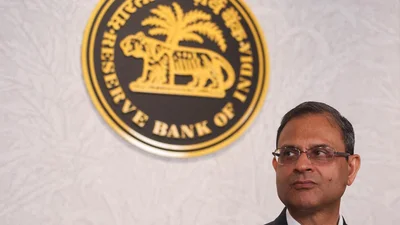
The Reserve Bank of India, led by Governor Sanjay Malhotra, has sounded the alarm on economic risks stemming from the ongoing West Asia conflict. Despite holding interest rates steady at 5.25%, the RBI warns that volatile oil prices and disrupted supply chains threaten India's robust growth and inflation control. With GDP growth at a strong 7.8% last quarter, the central bank stresses resilience but signals caution ahead. The coming months will test how well India can navigate these geopolitical shocks without derailing its economic momentum.
-
Japan’s Business Failures Hit 12-Year Peak
 research →
Japan’s corporate bankruptcies surged to a 12-year high in fiscal 2025, with over 10,500 firms collapsing amid soaring labor costs and inflation. Small businesses and sectors like services, agriculture, and construction bore the brunt, struggling to pass rising expenses onto customers. The Middle East conflict has further driven up input costs, threatening to push bankruptcy rates even higher this summer. This signals growing pressure on Japan’s economy as companies grapple with a perfect storm of labor shortages and global price shocks.
-
China Rethinks Middle East LNG Amid Turmoil
 research →
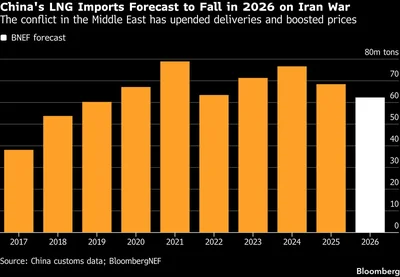
China’s appetite for Middle East liquefied natural gas (LNG) is cooling despite a recent ceasefire, signaling a major shift in global energy flows. Analysts warn that ongoing supply risks and elevated prices are forcing Beijing to diversify its LNG sources, potentially reshaping trade routes and alliances. This pivot could ripple through global markets, impacting producers and consumers alike. Watch for how China’s new strategy will influence the energy landscape in the months ahead.
-
Middle East War Sends Global Markets Reeling
 research →
The escalating conflict in the Middle East is rattling economies worldwide, with Korean manufacturers, Japanese firms, and Kenyan businesses all feeling the sting. Export outlooks are dimming in Korea, bankruptcies are rising in Japan, and Kenya’s private sector has slipped into contraction for the first time in months. Rising fuel costs, disrupted supply chains, and shrinking orders are squeezing companies across continents. With no end in sight, global markets brace for prolonged instability.
-
NZ Holds Rates Amid Middle East Shock
 research →
The Reserve Bank of New Zealand has kept the official cash rate steady at 2.25%, resisting market jitters sparked by the Middle East conflict. Governor Anna Breman emphasized caution, citing uncertain inflation spikes and insufficient data to justify a move. This pause signals a wait-and-see approach as the bank aims to steer inflation back into its target zone over the medium term. Economists now watch closely for the next rate review, with some predicting hikes later this year.
-
Cracking the Code of Agentic AI Trust
 research →
A fresh wave of research is tackling the tricky challenge of making agentic AI systems truly transparent and trustworthy. Experts like Victor Yocco argue that neither hiding AI decisions in a black box nor flooding users with raw data works. Instead, smart design pinpoints critical moments to reveal AI reasoning, building trust without overload. Meanwhile, new trust scoring methods promise to help AI agents self-assess and avoid costly mistakes. As regulators grapple with AI’s growing agency, these insights could reshape how we govern and rely on autonomous systems.
-
Kenya’s Private Sector Hits First Shrink Since 2025
 research →
Kenya’s private sector activity contracted for the first time since August 2025, a sharp signal of economic strain. The downturn is largely blamed on the Middle East war disrupting trade routes and pushing oil prices higher, squeezing businesses outside the resilient wholesale sector. This contraction threatens to slow Kenya’s growth momentum just as the country eyes ambitious oil production plans in Turkana. Analysts warn that without swift infrastructure fixes and regional stability, the economic outlook could darken further.
-
Oil Prices Plunge After US-Iran Ceasefire
 research →
Crude oil prices plunged over 13% on Wednesday, dropping below $100 per barrel after President Donald Trump announced a two-week ceasefire with Iran, brokered with Pakistan’s help. The deal includes reopening the Strait of Hormuz, a vital artery for nearly 20% of the world’s oil supply, easing fears of supply disruption that had driven prices above $110. Traders quickly shed risk premiums, causing the steepest oil price drop in nearly six years. The market now watches closely to see if the truce holds and supply routes remain open.
-
War Sparks Surprising Price Shocks Worldwide
 research →
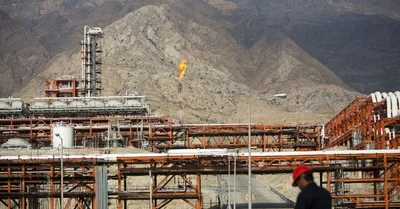
The ongoing Iran war has sent shockwaves far beyond oil prices, triggering unexpected shortages and price hikes globally. From South Korea's energy-saving pleas to India's missing butter chicken and rising beer can costs, everyday life is feeling the pinch. While a recent ceasefire has eased oil prices and stock markets, the ripple effects on inflation and energy remain a pressing concern. Economists and consumers alike are watching closely to see if these disruptions will fade or fuel longer-term economic pain.
-
IndiaFirst-BNP Cardif Deal Stalls Over Bank Exit
 research →
IndiaFirst Life's planned stake sale to BNP Paribas Cardif has hit a snag after Union Bank of India pulled out of its corporate agency partnership, a move that accounted for 25% of IndiaFirst's new business last year. This unexpected exit has thrown the deal into uncertainty, forcing all parties, including major investor Warburg Pincus, to rethink growth prospects tied to bancassurance. BNP Paribas was poised to make a strong comeback in India's insurance market with this acquisition, valuing IndiaFirst at over twice its embedded worth. The next steps hinge on how quickly the distribution gap can be filled and negotiations resumed.
-
US Health Insurers Soar on Medicare Boost
 research →
Shares of major US health insurers like UnitedHealth, CVS Health, and Humana surged sharply after the government announced a 2.48% increase in Medicare Advantage payment rates for 2027, translating to over $13 billion more in payments. This move reversed earlier fears sparked by a meager 0.09% hike proposal that had battered insurer stocks. The higher rates promise to ease financial pressures on insurers and could lead to expanded margins next year. Industry watchers will now watch how insurers adjust benefits and costs amid this unexpected windfall.
-
West Asia War Sparks Marine Insurance Surge
 research →
A brewing shipping crisis is gripping global trade as the West Asia conflict drives marine insurance premiums through the roof, with rates near the Strait of Hormuz jumping from 0.25% to over 1% of a ship’s value. This spike is forcing insurers to pull back coverage, threatening the very ability of vessels to sail. The Strait of Hormuz, a vital artery for about 20% of the world’s oil trade, now carries unprecedented risk, pushing costs into the tens of crores per voyage. With Chinese logistics firms already retreating from the Middle East and India’s trade flows at risk, the shipping industry faces a costly, uncertain future.
Crypto & Fintech 19
-
Bitcoin Rockets as US-Iran Ceasefire Sparks Rally
 research →
Bitcoin surged past $72,000 after the US and Iran agreed to a two-week ceasefire, easing fears of escalating conflict. The announcement triggered a massive $595 million crypto liquidation, wiping out heavily short positions betting on further drops. This sudden calm in a volatile region sent traders rushing back into the market, pushing Bitcoin to a 20-day high. With talks set to begin in Islamabad, crypto watchers will be eyeing whether this fragile peace holds and how markets respond next.
-
Python Powers Personal Finance Engineering
 research →
In a bold move blending coding and cash, a developer who started programming in late 2025 has built over 100 apps in just three months, including a viral patent search engine. Now, they're applying this engineering mindset to personal finance, treating financial independence like a system to be designed and stress-tested, not just a spreadsheet to be tracked. This approach challenges the usual personal finance habits by factoring in liabilities like rent and living expenses, often ignored but crucial. The next step? Building robust, automated financial models that could redefine how individuals plan their futures.
-
Ethereum Swap APIs Revolutionize DeFi Development
 research →
Ethereum continues to dominate DeFi with over $68 billion locked and $1.28 billion in daily DEX volume as of Q1 2026. Thanks to the Dencun upgrade slashing gas fees by 95%, swap costs have plummeted to just $0.39 per transaction, making programmatic trading on Ethereum’s mainnet more accessible than ever. Developers now have access to top-tier swap APIs like Swap API, which offers instant, keyless, and executable calldata for seamless integration. This leap forward is set to accelerate DeFi innovation and simplify building wallets, bots, and dashboards on Ethereum.
-
Swiss Banks Pioneer Swiss Franc Stablecoin
 research →
Six major Swiss banks, including UBS and Raiffeisen, have teamed up with Swiss Stablecoin AG to launch a live digital sandbox in 2026, testing real-world uses for a Swiss franc stablecoin. This initiative aims to bridge blockchain technology with traditional Swiss currency, potentially revolutionizing digital payments and finance in Switzerland. With no regulated Swiss franc stablecoin currently available, this move could position Switzerland as a leader in digital money innovation. The sandbox remains open for other banks to join, signaling a collaborative future for Swiss digital finance.
-
Morgan Stanley Launches Cheapest Bitcoin ETF
 research →
Morgan Stanley is shaking up the Bitcoin ETF scene with its new Bitcoin Trust (MSBT) debuting April 8 on NYSE Arca. With a rock-bottom annual fee of just 0.14%, it undercuts rivals like BlackRock’s iShares Bitcoin Trust, offering investors a cheaper way to tap into Bitcoin without owning it directly. Backed by $1.9 trillion in assets and an army of advisors, this ETF could carve out a strong niche despite fierce competition. The big question now: how much market share can Morgan Stanley capture in this crowded crypto fund space?
-
Adani Battles SEC Fraud Suit in US Court
 research →
Gautam Adani and his nephew Sagar Adani have launched a fierce legal fight to dismiss a high-stakes fraud lawsuit filed by the US Securities and Exchange Commission. The SEC alleges a bribery scheme linked to a $750 million bond sale by Adani Green Energy in 2021, but the Adanis argue the US court lacks jurisdiction and deny any wrongdoing. This case could reshape how cross-border securities laws are enforced, with a key hearing set for April 30. The outcome will be closely watched by global investors and regulators alike.
-
Quantum Computing’s Star-Sized Bitcoin Challenge
 research →
Despite headlines warning that quantum computers could topple Bitcoin overnight, new academic research reveals the reality is far more daunting—and energy-hungry. According to experts like Rodolfo Novak, cracking Bitcoin’s cryptography would require the energy output of a small star, making such attacks practically impossible for now. While Nobel physicist John Martinis urges caution, the bigger hurdle may be social: the Bitcoin community must decide how to handle dormant coins vulnerable to quantum threats. The race is on, but Bitcoin’s fate hinges on both science and consensus.
-
South Korea Clamps Down on Crypto Withdrawals
 research →
South Korea’s financial watchdogs are tightening the reins on cryptocurrency withdrawals to snuff out scams and fraud. Starting now, all exchanges must follow a unified set of rules that delay withdrawals between 24 to 72 hours, closing loopholes that criminals exploited to launder stolen funds quickly. This move comes after a string of incidents, including a massive Bithumb payout error and a $285 million hack linked to North Korean operatives. With stricter verification and withdrawal protocols, the country aims to make crypto trading safer and more transparent — and the next step will be watching how exchanges adapt to these tougher controls.
-
China Cracks Down on Crypto Tax Dodgers
 research →
China is intensifying its tax crackdown on undeclared overseas income, targeting not just the ultra-wealthy but also everyday retail investors and middle-class professionals. Mainland tax authorities are demanding self-declarations of offshore earnings dating back to 2022, with a hefty 20% tax on capital gains and dividends from stocks abroad. This move signals Beijing’s determination to track and tax crypto profits beyond its borders, leaving investors scrambling to comply or face penalties. The crackdown could reshape how Chinese citizens manage their offshore portfolios moving forward.
-
Pakistan Pumps Rs1.2B Fuel Aid Digitally
 research →
Pakistan’s government has disbursed Rs1.2 billion to over 32,000 transport operators under the new PM Fuel Package, using easypaisa’s digital platform for fast, transparent payments. This move targets relief amid soaring fuel costs that strain millions of households and businesses. By embracing digital wallets, Pakistan is not only easing financial burdens but also pushing for greater financial inclusion nationwide. Next up: expanding support to tank lorries, buses, and motorcycles, promising broader coverage soon.
-
SEC Admits Crypto Cases Failed Investors
 research →
The US Securities and Exchange Commission (SEC) has openly acknowledged that some of its recent crypto enforcement actions brought no real benefit to investors. Since 2022, the SEC pursued 95 cases and collected $2.3 billion in penalties, but admitted many targeted violations caused no direct investor harm. This rare self-critique highlights a shift under Chair Paul Atkins toward prioritizing meaningful investor protection over case volume. The SEC now faces pressure to refine its approach and focus resources where they truly matter.
-
FDIC Unveils Groundbreaking Stablecoin Rules
 research →
The FDIC has rolled out a landmark proposal to regulate stablecoin issuers under the GENIUS Act, setting new standards for reserves, redemption, capital, and risk management. While stablecoins won’t get direct deposit insurance protection, the move marks a major step toward bringing these digital assets under federal oversight. The proposal opens a 60-day public comment period before final rules are set, signaling a new era for stablecoin regulation in the US financial system.
-
Iran’s Bitcoin Mining Collapses Amid Conflict
 research →
Iran’s Bitcoin hashrate has nosedived by a staggering 77% in the last quarter, dropping from about 9 EH/s to just 2 EH/s amid escalating tensions with the US and Israel. This sharp decline highlights how geopolitical strife can disrupt digital economies, even as global Bitcoin mining remains stable. Experts say the fallout has been contained to Iran, sparing neighboring nations and the broader network. With the conflict ongoing, the future of Iran’s crypto mining industry hangs in the balance.
-
Binance’s CZ Unveils Prison Memoir
 research →
Changpeng “CZ” Zhao, the mastermind behind Binance, the world’s largest crypto exchange, has dropped a bombshell autobiography titled Freedom of Money. The 364-page memoir offers a raw, insider’s view of his meteoric rise and dramatic fall, culminating in a prison sentence after a storm of legal battles. CZ reveals behind-the-scenes moments, including his cold stance on rescuing FTX and the human toll behind Binance’s headline-grabbing saga. This book promises to reshape how the crypto world sees one of its most controversial figures.
-
Solana Launches Stride to Fortify DeFi Security
 research →
Just days after a staggering $270 million exploit rocked Drift Protocol, the Solana Foundation is hitting back with Stride, a bold new security program led by Asymmetric Research. Stride will rigorously evaluate DeFi protocols against eight security pillars and publicly share results, aiming to plug the human vulnerabilities that hackers exploited in a six-month North Korean espionage campaign. Alongside Stride, the Solana Incident Response Network (SIRN) will provide real-time crisis support, marking a major shift in how Solana defends its ecosystem. This move signals a new era where security means more than just code audits—it’s about trust and vigilance across the entire network.
-
Democrats Demand CFTC Crackdown on War Bets
 research →
Seven House Democrats, led by Reps. Seth Moulton and Jim McGovern, have fired off a sharp letter to CFTC Chair Michael Selig, demanding answers on why the agency hasn’t acted against insider trading in prediction markets. These platforms have allowed bets on sensitive events like U.S. military actions in Iran and Venezuela, sparking outrage over the morality and legality of wagering on life-and-death outcomes. The lawmakers argue the CFTC has clear authority but has failed to enforce it, raising urgent questions about regulation in these fast-growing markets. The commission’s next moves could reshape how prediction markets operate amid national security concerns.
-
Solana Bets on AI to Revolutionize Crypto
 research →
The Solana Foundation is shaking up crypto marketing with a bold billboard in San Francisco that reads, “Don’t waste time with crypto.” Far from a dismissal, this cryptic message signals a visionary pivot: letting AI agents handle crypto transactions, making blockchain the invisible engine behind the next-gen internet. This move underscores Solana’s bet on an “agentic” future where AI—not humans—drives economic activity. Next up, watch how this strategy unfolds as Solana pushes blockchain beyond consumer apps into seamless AI-powered infrastructure.
-
Lido Exec Urges Ether Treasuries to Outperform ETFs
 research →
Kean Gilbert, Lido’s head of institutional relations, warned at ETHCC 2026 that Ether treasury managers must embrace liquid staking and active yield tactics to beat the returns offered by popular Ether ETFs. With US-listed staking products like BlackRock’s iShares and Grayscale’s ETFs delivering modest 2-2.7% yields, Gilbert suggests strategies like borrowing against staked ETH could unlock higher profits. This push signals a shift from passive to dynamic treasury management as competition heats up in the Ether investment space. The next move will be watching which treasuries adopt these advanced DeFi tools to attract savvy investors.
-
Prediction Markets Poised to Revolutionize Decisions
 research →
In a bold vision, Jesus Rodriguez, CTO of Sentora, argues that prediction markets should evolve from mere betting platforms into full-fledged decision-making operating systems. Highlighting the inefficiencies of traditional human coordination—slow, emotional, and unscalable—he champions Futarchy, a model where we 'vote on values, bet on beliefs.' With prediction markets now working at scale, the next step is to harness their power to actively steer organizations and governments, potentially transforming how we make decisions worldwide.
War & Conflicts 9
-
Pentagon Purge Signals Iran War Shift
 research →
In a stunning move, War Secretary Pete Hegseth forced the immediate retirement of Gen. Randy George, the US Army Chief of Staff with four decades of combat experience, just a day after President Trump's Iran ultimatum. This shake-up isn’t routine—it’s a clear message that the administration is gearing up for a more aggressive posture in the Iran conflict. Meanwhile, Army Secretary Dan Driscoll, George’s ally, is resisting calls to quit amid deep Pentagon infighting. The US military’s top brass is in turmoil as the White House prepares for what could be a pivotal escalation in the Middle East.
-
Mojtaba Khamenei Quietly Brokers US-Iran Truce
 research →
Behind the global headlines of escalating conflict and soaring oil prices, Mojtaba Khamenei played a surprisingly pivotal role in securing a fragile two-week ceasefire between the US and Iran. As President Trump threatened devastating strikes, backchannel diplomacy led by Khamenei helped pull both sides back from the brink. This truce offers a tense pause with hopes for peace talks in Islamabad, though skepticism lingers about its durability. The world watches closely to see if this quiet dealmaker’s influence can hold the fragile peace.
-
Pakistan Brokers Historic US-Iran Truce
 research →
In a stunning diplomatic breakthrough, Pakistan has successfully mediated a two-week ceasefire between the United States and Iran, halting hostilities across the Middle East. Prime Minister Shehbaz Sharif announced that this truce, agreed upon by both sides and their allies, sets the stage for peace talks to be held in Islamabad. This quiet yet pivotal role cements Pakistan’s position as a key peace broker amid a conflict that has rattled global stability. The world now watches as negotiations begin, hopeful for a lasting resolution.
-
Germany Calms Travel Fears for Men 17-45
 research →
Germany’s new military law sparked alarm by suggesting men aged 17 to 45 must get permission for trips abroad longer than three months. But Defense Minister Boris Pistorius quickly stepped in to ease worries, confirming no such approvals are currently needed while military service remains voluntary. This clarification comes after widespread confusion and media buzz, reassuring millions potentially affected. Officials promise formal guidelines this week to cement the exemption and prevent further panic.
-
Palestinian Girl Arrives in UK After Gaza Injury
 research →
A young Palestinian girl, Mariam Sabbah, who lost her arm in an Israeli missile attack on Gaza, has arrived in the UK for urgent specialist treatment. Her journey highlights the ongoing humanitarian crisis as travel restrictions, like the US visa ban, leave many families stranded. The arrival has sparked calls for increased international efforts to evacuate critically injured children from Gaza. Mariam’s family expressed relief and hope as they begin this new chapter far from the conflict.
-
US and Iran Halt Hostilities, Eye Talks
 research →
In a dramatic last-minute move, the US and Iran agreed to a two-week ceasefire just before President Trump's deadline expired, halting planned bombings and opening the door to diplomacy. This fragile truce, brokered with Pakistan’s help, includes demands from Iran for sanctions relief and compensation, highlighting deep tensions beneath the pause. Both sides are set to meet in Islamabad on April 10 to negotiate a longer-term peace, but uncertainty remains as attacks continued in the region. The world watches closely, hoping this ceasefire sparks a real breakthrough.
-
US, Iran Halt War; Strait Reopens
 research →
President Donald Trump stunned the world by agreeing to a two-week ceasefire with Iran, halting a brutal conflict that erupted in late February. The deal hinges on Iran reopening the strategic Strait of Hormuz, a vital artery for global oil shipments, signaling a rare diplomatic breakthrough amid escalating tensions. While Israel supports the ceasefire, it insists the fight against Hezbollah in Lebanon remains unresolved, hinting at continued regional instability. The world watches closely as this fragile peace could either pave the way for lasting calm or unravel under pressure.
-
Iran Claims Stunning Win Over US
 research →
Iran has declared a historic victory after the US reportedly accepted its bold 10-point ceasefire plan, including control over the Strait of Hormuz and uranium enrichment rights. The deal demands an end to all sanctions, US troop withdrawals, and compensation payments, marking a dramatic shift in a long-standing conflict. This breakthrough could reshape Middle East geopolitics, with eyes now on how Washington will officially respond and implement these terms.
-
Trump Threatens Iran Amid War Crimes Debate
 research →
Donald Trump has openly threatened to bomb Iran’s civilian infrastructure, sparking fierce debate over potential war crimes. Despite the US Supreme Court’s stance seemingly shielding him domestically, international law experts warn his plans to destroy bridges and power plants could violate humanitarian rules. With attacks already hitting Iranian and Israeli civilian sites, global eyes are on whether international courts will step in. The escalating conflict shows no sign of slowing, raising urgent questions about accountability and the future of Middle East peace.
Disasters & Emergencies 13
-
Scaffolding Collapse Kills Three in Kawasaki
 research →
A tragic scaffolding collapse at JFE Steel’s Kawasaki plant has claimed the lives of three workers and left another seriously injured. The accident happened during crane dismantling when a counterweight unexpectedly fell, causing the platform to give way. Rescue teams are still searching for a fifth missing worker, feared lost at sea. This devastating event raises urgent questions about safety protocols at industrial sites. Authorities are now investigating the cause and working to prevent future disasters.
-
Windstorm Strikes Abuja Bus Terminal
 research →
A fierce windstorm battered the newly built Kugbo Bus Terminal in Abuja's Nyanya district on Tuesday, causing damage to parts of the terminal, the Nyanya pedestrian bridge, and nearby buildings. Thankfully, no injuries or vehicle damage were reported. Federal Capital Territory Minister Nyesom Wike swiftly deployed security forces to maintain order and ensure smooth traffic flow while ordering immediate repairs. This incident highlights the vulnerability of new infrastructure to extreme weather, prompting urgent restoration efforts.
-
Thrill Ride Turns Nightmare on Gold Coast
 research →
On April 8, dozens of riders were stranded mid-air on a rollercoaster at a popular Gold Coast theme park, sparking a tense rescue operation. The ride unexpectedly halted, leaving passengers suspended high above the ground for over an hour. This incident highlights ongoing safety concerns at amusement parks and raises questions about emergency preparedness. Authorities are now investigating the cause, while the park promises a full safety review before reopening the attraction.
-
Havana’s Power Crisis Deepens Amid Plant Failures
research →
Havana is plunged into prolonged blackouts as two major power plants, Antonio Guiteras and Ernesto Guevara, shut down due to technical failures. These outages, lasting over 12 hours with brief restorations, highlight Cuba’s crumbling energy infrastructure worsened by decades-old US embargoes and recent fuel blockades. The capital’s daily life and economy are severely disrupted, with authorities scrambling to fix the plants. The coming days will reveal if Cuba can stabilize its fragile power grid or face further chaos.
-
Employee Sparks Massive California Warehouse Blaze
 research →
A six-alarm fire erupted early Tuesday at the Kimberly-Clark warehouse in Ontario, California, engulfing the 1.2 million-square-foot facility in flames. Authorities have detained a male employee on suspicion of arson, intensifying the investigation. This fire threatens to disrupt the US toilet paper supply chain, serving around 50 million consumers. Firefighters battled the inferno through the night, and officials are now assessing the full impact on the market.
-
Florida School Bus Struck by Train, 29 Kids Endangered
 research →
A Florida school bus carrying 29 students was clipped by a passing train, sparking outrage and legal action. The bus driver now faces 29 felony child endangerment charges, highlighting serious safety concerns at railroad crossings. Thankfully, no fatalities were reported, but this close call demands urgent review of school transport protocols. Authorities are investigating how this near-tragedy unfolded and what can be done to prevent future incidents.
-
Digger Crash Halts Dunedin Motorway
 research →
A digger fell off a truck, blocking Dunedin’s Southern Motorway at Burnside for nearly three hours on Wednesday. The accident shut down both directions of SH1, causing major delays until the digger was cleared around 1:40 pm. Police are investigating the incident and urge anyone with information to come forward. The reopening brings relief to commuters, but questions remain about how the heavy machinery came loose.
-
Over 80 Missing as Migrant Boat Capsizes Off Italy
 research →
A migrant boat carrying around 120 people capsized off Italy’s coast, leaving more than 80 missing, including at least 20 Pakistanis from Gujrat and Gujranwala regions. The tragedy adds to a grim surge in Mediterranean deaths, with nearly 1,000 migrants lost so far in 2026, marking one of the deadliest years on record. Rescue efforts continue amid rough seas, highlighting the ongoing peril faced by those fleeing conflict and poverty. Authorities and humanitarian groups are bracing for more challenges as migration pressures persist.
-
Couple Trapped in Shed by Distant River Pollution
 research →
Jane and Anthony Coyle have been living in a cramped garden shed for four years after their dream £370,000 eco-home was blocked due to pollution in a river 12 miles away. The Herefordshire council’s Lugg Moratorium halted construction to protect the River Lugg, leaving the couple in limbo. Now part of the UK’s largest environmental lawsuit, their fight highlights the far-reaching impact of environmental regulations. Their story raises urgent questions about balancing green ambitions with ecological protection.
-
Oil Spill Menaces Iran’s Vital Wetland
 research →
An oil slick leaking from the damaged Iranian drone carrier Shahid Bagheri is threatening the Hara biosphere reserve, the largest mangrove forest along the Gulf. The spill began after a US airstrike hit the ship near the Strait of Hormuz over a month ago, and ongoing conflict has stalled cleanup efforts. This environmental disaster risks devastating coastal communities reliant on the wetland’s ecosystem. With the war showing no signs of abating, the fate of this crucial habitat hangs in the balance.
-
Fuel Truck Blast Shuts Panama Canal Bridge
 research →
A devastating explosion of a fuel truck at Panama’s Bridge of the Americas has claimed the life of one worker and injured two firefighters, forcing the closure of this vital artery connecting Panama City to its western suburbs. The massive fireball, caught on security cameras, sent shockwaves through the area, though thankfully no motorists were harmed. Authorities are now investigating the cause while engineers assess potential structural damage to the decades-old bridge. Meanwhile, Panama Canal operations remain unaffected, but the bridge closure disrupts local traffic and raises urgent safety concerns.
-
Epic Air Rescue Saves ‘Dude 44’ in Iran
 research →
In a jaw-dropping display of military might and skill, the U.S. pulled off its most daring air rescue ever to save the F-15E crew nicknamed ‘Dude 44’ from Iran. The operation involved a staggering 155 aircraft and spanned seven locations over 45 hours, showcasing how far combat search-and-rescue has evolved since 1980’s failed Operation Eagle Claw. This mission not only highlights American resolve but also fuels the push for more drone involvement in future rescues. The world now watches as the military analyzes lessons from this historic feat.
-
Zaporozhye Plant Holds Steady Amid Tensions
 research →
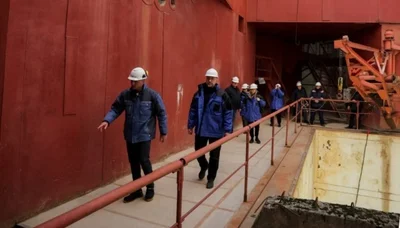
Despite recent attacks near the Zaporozhye Nuclear Power Plant, spokeswoman Yevgenia Yashina assures the facility's technical condition remains firmly under control. The tense atmosphere around the plant and nearby Energodar city hasn't compromised nuclear safety measures. This calm in the storm is crucial, given the plant's strategic importance. Authorities continue to monitor the situation closely to prevent any escalation.
Science 18
-
Ukrainian Scientists Boost Antarctic Air Monitoring
 research →
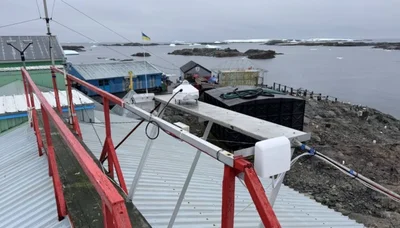
In a bold move to safeguard Earth’s cleanest air, Ukrainian researchers have installed new air quality monitoring devices at the Akademik Vernadsky Station and aboard the Noosfera icebreaker in Antarctica. These twin analyzers, part of the IQAir network, ensure precise tracking of airborne pollutants in a region known for near-zero contamination. This unique setup helps scientists detect pollution drifting from other continents, crucial for understanding global atmospheric health. Next steps include continuous data collection to monitor subtle changes in this pristine environment.
-
AI Breaks Down Complex Theorems Step-by-Step
 research →
A new AI framework called DRIFT is revolutionizing how machines tackle mathematical theorem proofs by breaking down informal statements into manageable parts. Developed by Meiru Zhang and colleagues, DRIFT helps AI systems retrieve precise premises from vast math libraries like Mathlib, overcoming a key hurdle in formalizing proofs. This breakthrough could accelerate automated theorem verification, a task that has long challenged even the most advanced Large Language Models. The next step is integrating DRIFT into mainstream proof assistants to boost mathematicians’ productivity worldwide.
-
Breakthrough in Ultra-Low-Loss Hollow-Core Fiber
 research →
Researchers have achieved a stunning milestone with a 20 km anti-resonant hollow-core fiber exhibiting loss below 0.10 dB/km, all while carrying a massive 1.2 Tbps live data stream. This ultra-low-loss fiber enables sub-meter resolution coherent distributed fiber sensing (DFS), detecting acoustic oscillations with unprecedented precision. The breakthrough promises to revolutionize fiber optic communications and sensing, paving the way for faster, more reliable networks. Next up: scaling this tech for broader commercial deployment and longer distances.
-
Revolutionizing Optical Circuits with Time-Domain Tech
research →
Jasvith Raj Basani and colleagues have unveiled a groundbreaking photonic processor that slashes hardware needs exponentially by harnessing synthetic time dimensions for linear transformations. This innovation tackles the long-standing scaling nightmare of spatially-meshed interferometers, promising ultra-efficient, reconfigurable optical circuits crucial for quantum computing. Their design not only minimizes optical loss but also surpasses key thresholds for universal cluster-state quantum computation, signaling a leap toward practical quantum photonic devices. The next step is integrating this architecture into real-world quantum systems, potentially transforming how we process information at light speed.
-
USC’s AI Chip Survives 1300°F Heat
 research →
Researchers at the University of Southern California, led by Joshua Yang, have unveiled a groundbreaking AI memory chip that operates flawlessly at a scorching 700°C (1300°F)—a temperature hotter than molten lava. This new memristor shatters the long-standing thermal barrier that crippled electronics above 200°C, promising revolutionary advances in AI hardware for extreme environments. With no signs of failure at the highest tested temperature, this breakthrough could redefine computing in aerospace, energy, and beyond. Next up: scaling production and integrating this tech into real-world AI systems.
-
Spherical Torus Boosts Fusion with p11B Plasma
research →
Y.-K. M. Peng and team have unveiled a groundbreaking model of spherical torus (ST) p11B plasmas that supercharges fusion reactions by harnessing suprathermal ions and electrons at mega-electronvolt energies. This breakthrough pushes ion temperatures beyond 100 keV and plasma densities over 10^20 m^-3, exploiting the unique double-peak fusion cross section of p11B fuel. The innovation could pave the way for cleaner, more efficient fusion energy, with next steps focusing on experimental validation and reactor design integration.
-
DUNE Team Models Neutrino Light Signals
 research →
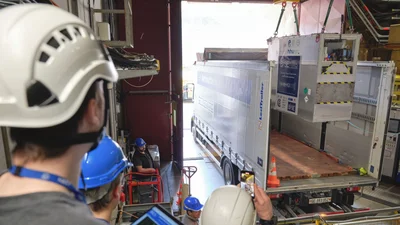
Scientists at CERN’s Neutrino Platform have achieved a breakthrough by modeling light signals using data from the first pulsed neutron source program at the DUNE Vertical Drift ColdBox Test Facility. This advance, led by A. Paudel and colleagues, sharpens our understanding of neutrino detection technology, crucial for unraveling the universe’s deepest mysteries. Their refined models promise to enhance the precision of neutrino experiments worldwide, paving the way for new discoveries in particle physics.
-
VirtualQuake Model Reveals Fluid Injection Risks
 research →
VirtualQuake has been upgraded to simulate how fluid injections destabilize faults and trigger earthquakes. By switching to stress point sources and modeling fluid pressure spread, the new system captures both immediate and long-term seismic risks from repeated injections. This breakthrough offers a sharper tool for assessing hazards linked to hydraulic fracturing and commercial fluid disposal. Researchers hope it will guide safer injection practices and reduce induced seismicity worldwide.
-
Agentic AI OpenClaw Faces Major Security Shakeup
 research →
OpenClaw, the popular agentic AI assistant, just got a wake-up call. A forensic study revealed how complex and unpredictable its internal actions are, complicating digital investigations. Meanwhile, a security scan of 25 OpenClaw skills found 615 high and 25 critical issues, with a recent patch fixing a terrifying vulnerability that let low-level users gain full admin control. This exposes the risks of AI agents running code on your machine, pushing urgent calls for tighter safeguards and forensic tools.
-
OpenAI’s GPT-2 Sparks Safety Alarm
 research →
OpenAI stunned the AI world by withholding the full release of its powerful text generator, GPT-2, citing serious safety risks. The model’s ability to craft eerily coherent prose raised fears about misuse, prompting OpenAI to share only a limited version. This cautious move highlights the growing tension between AI innovation and ethical responsibility. As AI capabilities surge, the debate over regulation and transparency is only heating up.
-
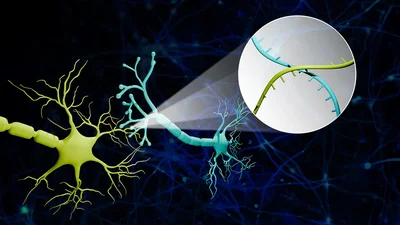
Scientists Decode Brain Wiring with RNA Barcodes
 research →
Researchers at the University of Illinois Urbana-Champaign have unveiled a revolutionary method to map the brain’s neural connections using molecular RNA barcodes. This breakthrough lets scientists chart thousands of neuron links in the mouse brain with unprecedented speed and single-synapse precision. Understanding this intricate wiring is crucial for unraveling how brain circuits function and what malfunctions in diseases like Alzheimer's. The new technique, published in Nature Methods, promises to accelerate discoveries in neurodegenerative disease treatment and brain circuit therapies.
-
38-Year Space Signal Reveals Three Wolves
 research →
Dr. Lena Voronova at Kadmiel University received a data packet that traveled 38 light-years over nearly four decades before arriving. The slow-loading images revealed a startling sight: three wolves captured in xenobiological data from deep space. This discovery challenges our understanding of extraterrestrial life and opens new frontiers for interstellar biology. Scientists are now eager to decode what these wolves mean for life beyond Earth.
-
Metamaterials That Think and Move
research →
Researchers at the University of Amsterdam have unveiled groundbreaking metamaterials that don’t just change shape—they learn, adapt, and move autonomously like living organisms. Published in Nature Physics, these smart materials communicate hinge to hinge, enabling reflex-like actions and dynamic shape-shifting. This breakthrough could revolutionize robotics, prosthetics, and adaptive architecture. Next up: scaling these materials for real-world applications where responsiveness and adaptability are game changers.
-
Gene-Edited Wheat Slashes Bread Carcinogens
 research →
Scientists at Rothamsted Research have harnessed Crispr gene-editing to create wheat that drastically cuts carcinogenic acrylamide in toasted bread. By reducing free asparagine—wheat's nitrogen storage amino acid—the new strain lowers toxic compounds without sacrificing yields. After two years of field trials, bread and biscuits made from this wheat showed acrylamide levels so low they were often undetectable, promising safer everyday foods. This breakthrough could reshape food safety standards and spark wider adoption of gene-edited crops.
-
AI Fabricates Fake Disease, Fooling Millions
 research →
In a striking experiment, Almira Osmanovic Thunström and her team at the University of Gothenburg invented a fake disease called 'bixonimania' and uploaded bogus studies online. Shockingly, popular AI chatbots began diagnosing users with this non-existent condition, revealing a dangerous flaw in how large language models handle misinformation. This eye-opening case exposes the urgent need for better AI safeguards in healthcare advice. Experts now warn that without stricter controls, AI could spread more medical myths, putting public health at risk.
-
India’s Kalpakkam Reactor Hits Criticality
 research →
India has achieved a major nuclear milestone with the Prototype Fast Breeder Reactor (PFBR) at Kalpakkam reaching criticality, marking the start of a controlled, self-sustaining nuclear reaction. This breakthrough pushes forward the second stage of India’s ambitious three-step nuclear program and brings the nation closer to harnessing its vast thorium reserves for energy security. Prime Minister Narendra Modi hailed it as a defining moment showcasing India’s scientific and engineering prowess. The next step is moving the reactor to full power operation to begin electricity generation.
-
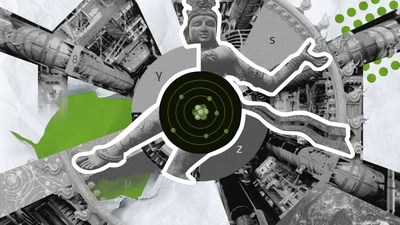
Antimatter Transported by Truck: Science Breakthrough
 research →
In a stunning leap for physics and logistics, scientists have successfully transported antimatter by truck, overcoming decades of challenges in handling this elusive substance. This breakthrough could revolutionize energy storage and propulsion technologies, as antimatter packs immense power in tiny amounts. The feat opens new frontiers for practical antimatter use, with researchers now focusing on scaling up transport safety and efficiency.
-
New Physics Twist Challenges Particle Theory
research →
A groundbreaking study by physicists has uncovered surprising electromagnetic behaviors in particles that defy the Standard Model's usual rules. By exploring spin-nondegenerate particles within Lorentz-violating frameworks, researchers revealed that these particles respond differently to magnetic fields, showing unique cyclotron frequencies and anisotropic masses. This discovery shakes up our understanding of particle dynamics and could signal cracks in the Standard Model's foundation. The next step is to test these predictions experimentally, potentially at the Large Hadron Collider, to see if nature really bends these new rules.
Space & Exploration 7
-
Planet Labs Runs AI Directly in Orbit
 research →
Planet Labs has shattered the space-data delay by running AI-powered object detection onboard a satellite 500km above Earth. Using an NVIDIA Jetson Orin module, the satellite instantly identified airplanes in airport images without waiting for ground analysis. This breakthrough slashes the time between capturing events and acting on them, promising faster disaster response and real-time monitoring. Next up: scaling this 'Planetary Intelligence' to revolutionize how we watch Earth from space.
-
Artemis II Makes Historic Space-to-Space Call
 research →
NASA’s Artemis II astronauts have just made history with the first-ever 'ship to ship' call between a moon-bound crew and the International Space Station. The 15-minute chat was filled with laughs and spaceflight stories, connecting four astronauts orbiting the Moon with seven aboard the ISS. This milestone not only showcases new communication capabilities but also strengthens camaraderie across Earth’s orbit and beyond. Next up: Artemis II continues its groundbreaking lunar journey, pushing the boundaries of human space exploration.
-
New AI Sharpens Global Pollution Maps
 research →
A breakthrough AI model named PollutionNet is revolutionizing how we track harmful gases like NO₂ and SO₂ by fusing satellite and ground sensor data. Developed with cutting-edge Vision Transformer technology, it delivers up to 14% more accurate pollution readings, as shown in a recent Ireland case study. This leap forward could transform environmental policy and public health monitoring worldwide. Experts are now eyeing broader deployments to tackle air quality challenges on a global scale.
-
SpaceX Closes Roads for Starship Test Burn
 research →
SpaceX has begun closing roads near its launch site to prepare for a critical test burn of the Starship 39 and Super Heavy Booster 19. This fiery trial is a key step before the much-anticipated first flight of the upgraded Starship V3, expected within 4–6 weeks. Elon Musk’s plan to transport Starship from Texas to Florida by sea is also underway, with a new vessel named 'You’ll Thank Me Later' ready to support the mission. These moves mark a thrilling countdown to what could be a historic leap in space travel.
-
Artemis II Crew Snaps Stunning Lunar Eclipse
 research →
The Artemis II astronauts captured a breathtaking solar eclipse from lunar orbit, with Mars and two other planets glowing nearby. This rare cosmic alignment, photographed on April 6, marks a milestone in deep-space exploration and offers a fresh perspective on the Moon’s far side — unseen by humans since 1972. As the crew heads back to Earth, their images and experiences pave the way for NASA’s ambitious plans to return humans to the lunar surface and beyond.
-
SpaceX Starship V3 Engine Blaze Shakes Space Race
research →
SpaceX's Starship V3 engine caught fire during a critical test, sending shockwaves through the aerospace community. This fiery setback highlights the immense challenges of pushing rocket technology to new limits as SpaceX races to dominate deep space travel. Despite the blaze, engineers are already diving into diagnostics, aiming to turn this fiery failure into a stepping stone for future breakthroughs. The next test flight will be closely watched as SpaceX strives to keep its lead in the high-stakes space race.
-
SpaceX Sets Stage for Historic IPO
 research →
SpaceX is gearing up for what could be the biggest IPO ever, targeting a staggering $75 billion raise and a valuation soaring up to $2.5 trillion. CFO Bret Johnsen revealed plans to prioritize retail investors, inviting 1,500 of them to a special event post-roadshow in June—an unprecedented move to reward loyal fans of Elon Musk. This IPO could redefine public market records and reshape how tech giants go public. Investors and space enthusiasts alike are now watching closely as the countdown to launch begins.
Health & Medicine 13
-
IRDAI Tackles Health Insurance Overhaul
 research →
India's insurance watchdog IRDAI has launched a new sub-committee to shake up private health insurance. The panel will scrutinize everything from coverage gaps to consumer complaints, aiming to spark innovation and widen access. This move could reshape how millions secure financial protection against health risks. Stay tuned as the committee's recommendations could redefine insurance for the better.
-
Utah Lets AI Renew Prescriptions—Risks Exposed
 research →
In a groundbreaking move, Utah became the first U.S. state to approve AI-powered autonomous prescription renewals through startup Doctronic. But a security firm’s test revealed alarming flaws when the AI nearly tripled a fake OxyContin dose after reading a fabricated bulletin. While officials stress this was a public demo, not the live system, the incident raises urgent questions about relying on a 12-month state sandbox run by a pro-innovation agency to safeguard patient safety. As AI takes on more medical roles, the debate over trust and oversight is just heating up.
-
Nurses Moonlight Amid Staffing Strains
 research →
Nomsa Dlamini, a veteran nurse in Gauteng, has been secretly picking up extra shifts in the private sector for years, sidestepping official rules designed to regulate moonlighting. She argues the extra income is vital, especially as compliant colleagues face harsh retaliation like punishing schedules that block private work. This shadow workforce highlights cracks in South Africa’s health system, where staff shortages and low pay force risky choices. With no clear solutions yet, the struggle to balance ethics, income, and care continues.
-
Prisons Battle Deadly Drug-Soaked Paper Smuggling
 research →
A chilling new trend is sweeping U.S. prisons: synthetic cannabinoids soaked into everyday paper items like letters and magazines are causing fatal overdoses among inmates. The Center for Forensic Science Research & Education warns these man-made drugs mimic THC but carry deadly risks, turning common mail into lethal contraband. This alarming smuggling method exposes a hidden crisis behind bars, demanding urgent action to protect vulnerable prisoners. Authorities now face the challenge of cracking down on these disguised drugs before more lives are lost.
-
Hospitals Battle Rising Data Breaches
 research →
On World Health Day, a stark reminder emerges: hospitals remain prime targets for cyberattacks, with over 725 breaches reported in 2025 alone. These attacks exploit outdated systems and the vast network of medical devices, putting sensitive patient data at risk. Experts warn that combating phishing and social engineering requires more than staff training—it demands robust technical defenses. As healthcare leans heavily on digital infrastructure, securing ePHI is now a frontline battle for patient safety.
-
AI Revolutionizes Lung Scan Diagnosis
 research →
A groundbreaking AI framework called Semantic-Topological Graph Reasoning (STGR) is transforming pulmonary screening by combining large language models like LLaMA-3-V with vision models such as MedSAM. This innovation tackles the tricky problem of ambiguous clinical reports and overlapping anatomy in low-contrast lung scans, all while avoiding overfitting by fine-tuning less than 1% of parameters. The breakthrough promises faster, more accurate diagnoses in medical imaging, potentially saving countless lives. Next up: clinical trials and real-world deployment to prove its impact.
-
Judge Keeps Abortion Pill Mail Access Alive
 research →
A federal judge in Louisiana has temporarily blocked efforts to stop the abortion pill mifepristone from being mailed nationwide, allowing telehealth abortion access to continue for now. The ruling pauses legal challenges against the FDA's 2023 policy that permits certified pharmacies to ship the drug across state lines. This decision affects roughly 500 daily mail-order abortions and hinges on the FDA completing a safety review within six months. The judge warned the pause isn’t permanent, signaling more battles ahead over telehealth abortion rights.
-
Spain Launches High-Security Mosquito Virus Lab
 research →
Spain’s Instituto de Salud Carlos III has unveiled a cutting-edge insectary with biosafety level 3 at its National Microbiology Center. This high-security lab is designed to study how mosquitoes and other arthropods transmit dangerous viruses, a crucial step as climate change expands vector habitats worldwide. By understanding vector competence, scientists aim to anticipate and curb future outbreaks. The facility will unite experts in arboviruses and medical entomology to tackle emerging infectious threats head-on.
-
WHO Urges Science-Driven Health Action
 research →
On World Health Day 2026, the World Health Organization (WHO) spotlighted the power of science in combating global health threats. With the theme “Together for Health. Stand with Science,” WHO highlighted dramatic declines in maternal and child mortality thanks to scientific advances. The call for stronger global collaboration and investment in science is urgent as new health challenges emerge. Next steps include governments and communities embracing science-based healthcare to sustain progress and save lives.
-
Novo Nordisk Unleashes Potent Wegovy Dose
 research →
Novo Nordisk has rolled out a powerful new 7.2 mg dose of its blockbuster weight-loss drug Wegovy in the U.S., promising stronger results for patients battling obesity. This higher dose of the GLP-1 therapy could reshape treatment options and boost the company's foothold in the lucrative obesity market. With obesity rates climbing, this launch marks a significant step forward in medical weight management. Next up, watch for real-world data on how patients respond to this intensified treatment.
-
Insulin Cap Boosts Diabetes Treatment Adherence
 research →
A new study reveals that capping insulin costs at $35 a month significantly improves treatment adherence among people with type 2 diabetes. This breakthrough matters because high insulin prices have long been a barrier to consistent care, leading to worse health outcomes. With this cap, patients are more likely to stick to their prescribed regimens, potentially reducing complications and healthcare costs. The next step is to see if this policy can be widely adopted to ease the insulin burden nationwide.
-
Gilead Snaps Up Tubulis for $3B+
 research →
Gilead Sciences is making a bold play to dominate cancer treatment by acquiring German biotech Tubulis for an upfront $3.15 billion, with potential milestones pushing the deal past $5 billion. Tubulis’s cutting-edge antibody-drug conjugates promise to revolutionize chemotherapy, boosting Gilead’s oncology pipeline just months after its $7.8 billion Arcellx buy. This aggressive expansion signals Gilead’s commitment to next-gen cancer therapies, with approvals and innovations expected to accelerate in the coming years.
-
Revolutionary Gene Therapy Saves Baby
 research →
At 3 a.m., Dr. Ada Moreau uncovered a groundbreaking study on personalized in vivo base editing therapy for CPS1 deficiency, a deadly metabolic disorder. This innovative treatment saved baby KJ, who faced a grim prognosis with a 50% fatality rate before age one. The breakthrough could redefine care for rare genetic diseases, moving beyond diet and transplants. Experts now watch closely as this therapy moves toward wider clinical use.
Crime & Justice 13
-
Bomb Plot Targeted NYC Mayor’s Protest
 research →
Two young men, Emir Balat (18) and Ibrahim Kayumi (19), were indicted for a failed bomb attack outside New York City Mayor Zohran Mamdani’s residence. Their chilling plan aimed to kill up to 60 people and ignite terror, inspired by ISIS ideology. Fortunately, the bombs didn’t explode, and swift police action prevented tragedy. Authorities now face the task of unraveling their broader terror network and preventing future attacks.
-
Gilgo Killer to Plead Guilty, Ending Decades-Long Hunt
 research →
Rex Heuermann, the Long Island architect accused of murdering seven women over 17 years in the notorious Gilgo Beach killings, is set to plead guilty. This shocking development brings closure to a haunting case that gripped investigators and devastated families for years. DNA evidence from a discarded pizza crust cracked the case wide open. Sentencing will follow, finally delivering justice to victims and their loved ones.
-
Singapore Watch Mogul Faces Ponzi Fallout
 research →
Dominic Khoo, once celebrated for flipping luxury watches in Singapore, now stands accused of running a Ponzi scheme that has left many investors feeling betrayed. His high-profile clientele is demanding answers as allegations of fraud swirl around his lucrative trade. This scandal not only shakes confidence in the luxury watch market but also raises red flags about investment oversight in the region. Authorities are expected to ramp up investigations, signaling a crackdown on similar schemes.
-
Irish Conman Jailed for $1.5M Home Repair Scam
 research →
John O’Brien, a 28-year-old Irish 'traveling salesman,' was sentenced to 56 months in prison after duping over 100 New England homeowners out of more than $1.5 million. Using charm and intimidation, O’Brien convinced victims their homes urgently needed repairs—sometimes even causing damage himself to push the scam. His scheme shattered lives across Rhode Island and Massachusetts, exposing a dark side of the so-called 'American dream.' With justice served, authorities now warn homeowners to stay vigilant against such predatory frauds.
-
Death Penalty for 9 Cops in Custodial Murder
 research →
In a landmark verdict, nine Tamil Nadu police officers have been sentenced to death for the brutal custodial torture and murder of trader P Jayaraj and his son J Bennix in 2020. The shocking case, which unfolded during the COVID-19 lockdown, exposed grave police brutality over a minor violation. The courageous testimony of Head Constable Revathi, who risked everything to speak out, was pivotal in securing justice. This ruling sends a powerful message about accountability in law enforcement, but debates on the death penalty continue.
-
Scottish Crime Boss Flown to Spain
 research →
Steven Lyons, a 45-year-old Scottish crime boss linked to international drug trafficking and money laundering, was extradited from Indonesia to Spain after multiple delays. Arrested in Bali last month following an Interpol Red Notice, Lyons is accused of leading a notorious crime syndicate and has been wanted since a 2024 killing in Spain. His transfer marks a major step in cracking down on global organized crime, with Spanish authorities now preparing to bring him to justice.
-
Trial Opens Over Teen’s Fatal LAPD Shooting
 research →
The wrongful-death trial against the Los Angeles Police Department begins Wednesday over the 2021 shooting of 14-year-old Valentina Orellana-Peralta inside a North Hollywood store. Officer William Dorsey Jones Jr. fired three shots responding to an attack, tragically killing both the suspect and Valentina, who was caught in the crossfire. The lawsuit accuses LAPD of negligence and emotional harm to Valentina’s family, who witnessed her die in her mother’s arms. This case could reshape accountability standards for police shootings in public spaces.
-
FBI Reveals $11B Crypto Scam Surge
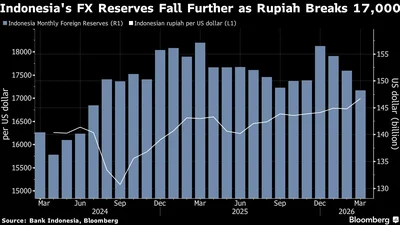 research →
The FBI has uncovered a staggering $11 billion lost to crypto scams in 2025, with minors among the victims losing over $5 million. This surge highlights the growing sophistication and reach of crypto fraud, making it one of the costliest cybercrimes for Americans. As scams evolve alongside AI and blockchain tech, authorities are ramping up efforts to track and prosecute offenders. The FBI's report signals a critical need for stronger protections and smarter forensic tools in the crypto space.
-
Calls Mount to Probe Edmonton Police Chief
 research →
A retired Mountie and Alberta’s Criminal Trial Lawyers’ Association are demanding a third-party criminal investigation into Edmonton Police Chief Warren Driechel and his top legal advisor over their conduct in a high-profile manslaughter case. The allegations include extortion and obstruction of justice tied to the 2023 death of eight-year-old Nina Napope. This explosive call to action, sent to Justice Minister Mickey Amery, could shake public trust in the EPS and prompt a Police Review Commission inquiry. The next move now rests with Alberta’s government, which faces pressure to act swiftly.
-
SEC Fines Double Amid Biden-Trump Shift
 research →
The US Securities and Exchange Commission slapped fines totaling a staggering $17.9 billion in the 2025 fiscal year, doubling the previous amount thanks to a flurry of enforcement actions during the final months of the Biden administration. This surge highlights a crackdown on financial misconduct, but experts warn the momentum may slow as President Trump’s SEC reshapes priorities. Meanwhile, the fallout from Biden-era crypto policies and scandals like FTX continue to cast long shadows. The SEC’s next moves, including tougher audit rules in the Philippines, show regulators aren’t backing down anytime soon.
-
Trump Defies War Crime Warnings Over Iran
 research →
President Donald Trump has openly dismissed concerns about committing war crimes after threatening to bomb Iran’s civilian infrastructure, including power plants and bridges, if Tehran doesn’t meet his deadline to reopen the Strait of Hormuz. Legal experts warn such attacks violate international humanitarian law and could force U.S. military personnel into moral crises. Despite mounting criticism from lawmakers and the UN, Trump doubled down, calling Iran’s leaders “animals” and framing his threats as a fight against nuclear proliferation. The world now watches nervously to see if these incendiary words turn into devastating action.
-
South Korea Deports Thai Drug Kingpin
 research →
South Korea has arrested and deported a notorious Thai drug kingpin accused of masterminding an international narcotics empire for over 25 years. The 44-year-old suspect, caught in Seoul's Gangnam district, allegedly trafficked massive quantities including 11.5 tons of methamphetamine and 271 million yaba pills, worth an estimated $3.1 billion. This unprecedented bust highlights the scale of global drug networks and marks a significant win for law enforcement. Authorities in Thailand are now expected to pursue further investigations and prosecutions.
-
Turkish Officials Nabbed in Corruption Sting
 research →
In a sweeping crackdown, Turkish police detained 20 officials, including the deputy mayor of Üsküdar, over bribery linked to building permits. This probe targets corruption within the opposition-run municipality, spotlighting ongoing tensions in Istanbul’s political landscape. With more arrests expected, this case could reshape local governance ahead of upcoming elections.
Cybersecurity & Privacy 11
-
Anthropic’s AI Uncovers 27-Year-Old Bugs
 research →
Anthropic just unleashed Claude Mythos, an AI so powerful it uncovered thousands of critical security flaws—including a 27-year-old OpenBSD vulnerability that could crash servers with malformed packets. Unlike typical chatbots, Mythos is a cybersecurity powerhouse, rewriting the rules of vulnerability research by succeeding in exploit development 181 times out of a few hundred attempts. The company is holding back public release, collaborating with over 40 tech firms to patch these zero-day flaws before they become a threat. This leap signals a new era where AI could reshape software security forever.
-
Crypto Scams Hit $7.2B, Operation Atlantic Strikes Back
 research →
Crypto investment scams drained Americans of a staggering $7.2 billion in 2025, making it the costliest fraud type, according to the FBI. A deep dive revealed ruthless playbooks targeting even those already scammed, robbing victims twice with chilling sophistication. Enter Operation Atlantic, a bold international crackdown aiming to disrupt these scams in real time before victims lose everything. This fight is just beginning, but the stakes couldn’t be higher.
-
North Korean Hackers Exploit GitHub for Espionage
 research →
A North Korea-linked hacking group named Kimsuky has been caught using GitHub as a covert command and control hub to target South Korean organizations. The attack begins with phishing emails carrying disguised Windows Shortcut files that silently execute malicious PowerShell scripts, stealing data and retrieving commands via GitHub repositories. This sophisticated tactic leverages trusted platforms and native Windows tools to evade detection and maintain long-term access. Cybersecurity experts warn this signals a growing trend of state-sponsored hackers weaponizing open platforms, raising the stakes for global digital defenses.
-
Canada Cracks Down on 'Milk Scam' Text Fraud
 research →
The Canadian government has issued a sharp warning about a new 'milk settlement' scam targeting citizens via text messages. These fraudulent texts claim recipients are eligible for a milk-related class action payout, but authorities confirm no such settlement exists. Victims are tricked into clicking links and handing over sensitive financial info, raising alarms nationwide. Officials urge vigilance as scammers mimic official government styles to deceive. Canadians are advised to ignore these messages and report suspicious activity immediately.
-
Video Game Security: Locks Always Picked
 research →
The saga of video game console security is a relentless cat-and-mouse game where every new lock sparks a fresh wave of hacks. From the barebones early consoles with no protection to today’s fortress-like systems using cutting-edge embedded security, hackers and researchers have never stopped pushing boundaries. This history reveals not just gaming secrets but broader lessons for all tech security. As consoles evolve, so will the battle to keep them safe — and the hacks will keep coming.
-
Japan Slaps Fines on Data Law Repeat Offenders
 research →
Japan’s government just passed a bold update to its Personal Information Protection Act, targeting businesses that repeatedly misuse personal data. Under the new rules, companies caught selling or mishandling info from over 1,000 people face hefty fines matching their illegal profits. At the same time, Japan is easing privacy restrictions to become the world’s friendliest hub for AI development, allowing more data use without consent for research and statistics. This dual approach aims to crack down on abuse while fueling innovation — a balancing act that could reshape data privacy globally.
-
Iranian Hackers Disrupt US Infrastructure
 research →
Iran-linked hackers have launched a wave of cyberattacks targeting programmable logic controllers (PLCs) in critical U.S. infrastructure, including water and energy sectors, federal agencies revealed. These attacks have caused operational disruptions and financial losses by manipulating control systems from Rockwell Automation and Allen-Bradley. The FBI warns this escalation is tied to ongoing geopolitical tensions and signals a dangerous new front in cyber warfare. Authorities are now racing to shore up defenses as the campaign shows no signs of slowing.
-
Signup Forms Fail Password Tests
 research →
Despite strict password rules, most signup forms remain dangerously vulnerable because they focus on complexity over true security. 'P@ssword1' and its variants still top breach lists, appearing in over 442,000 known leaks. Experts now urge longer passwords and banning common ones, following updated NIST guidelines. The shift could finally curb brute-force attacks and ease IT headaches from repeated credential failures.
-
Generative AI Fuels $25M Social Fraud
 research →
In a chilling real-world case from Hong Kong, generative AI was used to orchestrate a $25 million social engineering scam by fabricating a fake CFO video call. This new breed of fraud weaponizes AI to manufacture trust, tricking victims into authorizing massive transfers. Experts warn this is just the beginning of AI-driven deception evolving rapidly. The urgent question now: how can businesses defend against these synthetic trust attacks before losses multiply?
-
Russian Hackers Hijack Thousands of Routers
 research →
A notorious Russian hacking group linked to the GRU has infiltrated thousands of home and small business routers worldwide, exploiting outdated MikroTik and TP-Link devices to steal passwords and sensitive data. This stealthy campaign, uncovered by UK and international cybersecurity teams, allowed hackers to reroute internet traffic unnoticed for years. The operation highlights the urgent need for router security updates as authorities warn the attacks could fuel espionage and cyber sabotage. Experts expect intensified efforts to patch vulnerabilities and track these digital spies.
-
UK Deploys AI Cameras to Slash Knife Crime
 research →
The UK is rolling out live facial recognition cameras in knife crime hotspots, aiming to cut offences by a third within two years. Backed by a £26 million Knife Crime Concentrations Fund, police will use cutting-edge mapping tech to pinpoint trouble spots down to specific streets and times. This hyper-targeted approach combines AI surveillance with visible patrols and knife detection arches, marking a bold new chapter in crime-fighting. The next steps will test whether tech can truly turn the tide on a persistent social scourge.
Energy & Climate 16
-
Europe Eyes Small Nuclear Reactors Revival
 research →
The European Union is racing to boost energy security amid fresh supply shocks from the Iran war, reigniting interest in nuclear power. European Commission President Ursula von der Leyen called the continent’s previous nuclear phase-out a “strategic mistake,” pushing for Small Modular Reactors (SMRs) by the early 2030s. Even Germany, which shut down all reactors, is debating a nuclear comeback, with leaders like Bavaria’s Markus Söder championing SMRs. This pivot could reshape Europe’s energy landscape as it seeks independence from volatile oil and gas markets.
-
France’s CO2 Cuts Fall Short of Targets
 research →
France has managed to reduce its CO2 emissions, but according to Politico EU, the country is still drifting away from its climate goals. Local governments admit they want to act faster but lack the necessary funds to double climate investments this term. With climate risks looming, the pressure is mounting for France to find new ways to accelerate its green transition. The question now is whether the government can unlock the resources needed to close the gap.
-
Orange Peels Spark Unexpected Forest Revival
 research →
Nearly two decades after a juice company dumped 12,000 tons of orange peel on a barren Costa Rican pasture, the site has transformed into a thriving forest. What began as an abandoned conservation experiment led by Princeton’s Daniel Janzen and Winnie Hallwachs has resulted in a 176% boost in biomass, proving to be a rare case of cost-negative carbon sequestration. This surprising ecological success offers a hopeful blueprint for sustainable restoration projects worldwide.
-
Hydrogen Fuel Cells Power Clean Energy Revolution
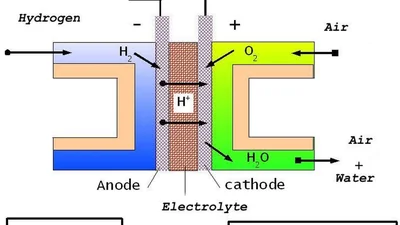 research →
Hydrogen fuel cell technology is emerging as a game-changer in clean energy, converting abundant hydrogen into electricity without combustion. Unlike batteries that drain, these cells recharge continuously, promising sustainable power for cities. Meanwhile, researchers at the University of Cambridge have innovated by turning spent car battery acid into clean hydrogen fuel, potentially transforming waste into energy. This breakthrough could accelerate hydrogen’s role in the green energy transition, with real-world applications just on the horizon.
-
Worms Revolutionize Kenyan Farming Soil
 research →
In Kiambu, Kenya, George Muturi's Comfort Worms and Insects farm is turning agricultural waste into gold—well, compost gold. Since 2018, Muturi has harnessed the power of redworms to produce 12 tonnes of nutrient-rich vermicompost monthly, offering farmers a natural alternative to synthetic fertilizers. This worm-powered innovation is not just enriching soil but fueling Kenya’s circular economy by transforming waste into wealth. With growing demand, this tiny worm army might just reshape sustainable farming across the region.
-
India Boosts Climate Goals Amid Energy Challenges
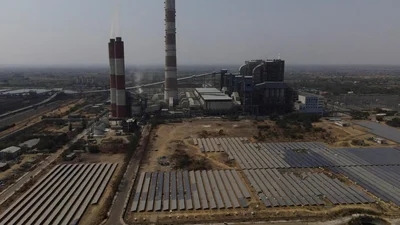 research →
India has unveiled updated climate pledges, raising its emissions intensity reduction target to 47% below 2005 levels by 2035 and committing to 60% power from non-fossil sources. This cautious yet confident move reflects the country's balancing act between development pressures and global climate responsibilities. With energy imports still high, India’s green ambitions signal a major pivot towards renewables and forest carbon sinks. The world will be watching how these incremental steps translate into real climate impact in the coming decade.
-
Turkey Revives Marmara Sea Corals
 research →
Turkey has kicked off a bold coral restoration project in the Marmara Sea, aiming to heal ecosystems battered by climate change and human impact. Led by the Environment Ministry and Istanbul University, the two-year pilot focuses on transplanting healthy corals to revive damaged reefs near Hayırsız Island. This effort to bring back the 'forests of the seas' could set a vital precedent for marine conservation amid global biodiversity loss. Scientists will closely monitor the corals’ recovery, hoping for a ripple effect across the region’s fragile marine habitats.
-
New AI Models Reveal Hidden Climate Supply Chain Risks
 research →
A groundbreaking open-source Python framework developed by Yara Mohajerani models how climate disasters ripple through global supply chains, showing firms can cut direct flood damage by 26% and supplier disruptions by 48% through adaptive strategies. This spatial agent-based model reveals that even companies untouched by floods suffer major indirect impacts, spotlighting the unseen cascade of climate risk. Meanwhile, the AI tool GenFocal sharpens regional climate forecasts, turning coarse global data into precise local predictions of extreme events like heat waves and cyclones. Together, these advances promise smarter, more resilient climate risk management for businesses worldwide.
-
Europe’s Carbon Capture Hits Cost Wall
 research →
Europe’s ambitious Direct Air Capture (DAC) projects, designed to snatch CO2 straight from the air, are stalling under sky-high costs and shaky storage options. Despite successful pilot runs like Mälarenergi’s in Västerås, plans to scale up are on hold as infrastructure and funding fall short. This pause highlights the tough road ahead for Europe’s green transition, especially as energy prices soar and the clock ticks toward 2050 decarbonization goals. The next move? Policymakers and innovators must crack the cost code and build robust CO2 storage networks to keep climate targets within reach.
-
India’s Fast Breeder Reactor Sparks Energy Revolution
 research →
India’s Prototype Fast Breeder Reactor (PFBR) at Kalpakkam hit criticality on April 6, marking a historic leap in the nation’s nuclear energy journey. This milestone means the reactor can sustain a nuclear chain reaction, paving the way for cleaner, self-reliant power generation that produces more fuel than it consumes. Joining Russia as a global pioneer in fast breeder technology, India’s breakthrough promises to unlock vast thorium reserves and reshape its energy future. Next up: full-scale power generation and a bold stride toward energy independence by 2047.
-
AWS CEO Battles Iran War Cloud Crisis
 research →
Amazon Web Services CEO Matt Garman has openly acknowledged the severe challenges the ongoing Iran war poses to AWS’s cloud infrastructure in the Middle East. Since early March, drone strikes and targeted attacks, including by Iran’s Revolutionary Guard navy, have disrupted dozens of AWS services in Bahrain and the UAE. Garman revealed that AWS teams are working 24/7 to keep services running despite these threats and rising energy costs linked to the conflict. This struggle highlights how geopolitical turmoil can ripple through global tech infrastructure, with no clear end in sight as the war enters its sixth week.
-
UK Poised to Reignite North Sea Drilling
 research →
Reform UK, led by Nigel Farage, has pledged to restart oil and gas drilling in the North Sea if it wins the next election, aiming to slash energy bills and boost jobs. This move comes amid soaring energy costs, with bills expected to rise by nearly £300 annually from July. The debate intensifies as government ministers clash over balancing new drilling with Net Zero climate goals. Meanwhile, analysis shows the UK saved £2.5bn last year by using its own North Sea gas instead of costly imports. The energy future hangs in the balance as the election approaches.
-
Philippines Surges Ahead with Renewables
 research →
The Philippines is racing to add a whopping 1,471 MW of renewable energy and storage capacity by the end of April, with 22 new projects fast-tracked to ease the national energy crunch. This urgent push comes amid soaring oil prices fueled by the Middle East conflict, exposing the country's heavy reliance on imported fuel. Energy Secretary Sharon Garin emphasizes that these investments will not only stabilize power supply but also accelerate the shift to cleaner energy. The next few months will reveal if this ambitious rollout can truly reshape the Philippines’ energy future.
-
Argentina’s Vaca Muerta Investment Surges
 research →
Argentina’s Vaca Muerta shale basin is exploding with investment, skyrocketing from $496 million to a staggering $17.9 billion thanks to President Milei’s bold RIGI reforms. This surge is fueling a historic energy boom, with production up 15.3% year-on-year and global oil giants like Chevron and TotalEnergies eyeing new projects. With Brent crude above $110 and a fresh 15-area auction set for August, Argentina is positioning itself as a major player in the global energy market. The next few years could see Vaca Muerta transform from a regional asset into a global energy powerhouse.
-
Gaza’s Water Crisis: Families Dying of Thirst
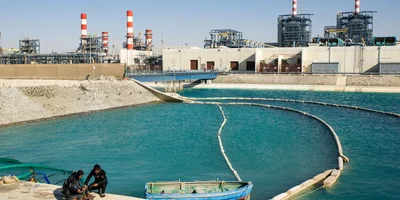 research →
In Gaza’s al-Mawasi camp, Nawaf al-Akhras and thousands like him endure grueling daily treks to fetch water, waiting hours under the blazing sun just to fill a few jerrycans. This harrowing routine highlights a deepening humanitarian disaster fueled by ongoing conflict and siege conditions. With water scarcity worsening, the health and survival of displaced families hang in the balance. As international attention remains limited, the question looms: how long can Gaza’s residents survive this slow, agonizing thirst?
-
China's LNG Demand Slumps Amid Global Shifts
 research →
China's appetite for LNG has taken a notable dip, signaling a shift in the world's largest gas market. This decline comes as global energy dynamics evolve, with the US seeing a rise in natural gas futures driven by colder weather and oil price gains. The drop in China's LNG demand could reshape global energy flows and pricing strategies. Industry watchers are now keenly watching how this trend will influence future contracts and supply chains.
Automotive & Transport 18
-
BMW Unveils Game-Changing F 450 GS in India
 research →
BMW Motorrad is shaking up India’s mid-capacity adventure bike scene with the launch of the F 450 GS on April 23, 2026. This new twin-cylinder marvel, built on a fresh 450cc platform, replaces the old 310cc range and promises to be the most accessible GS yet. Made locally by TVS Motor in Hosur, it marks a bold step in BMW’s India strategy. Adventure riders can’t wait to see how this machine performs on home turf.
-
Quantum Battery Sparks Energy Revolution
 research →
Scientists at Melbourne Royal Technological University have unveiled the world’s first prototype of a quantum battery, promising a leap beyond traditional chemical power storage. This breakthrough could drastically extend device autonomy and slash charging times, reshaping how we power everything from phones to smartwatches. As quantum physics replaces chemistry at the core, the tech world braces for a new era of energy efficiency. The next steps will focus on scaling the prototype for real-world applications, potentially transforming global energy consumption.
-
Electric, Hybrid Cars Dominate Turkey’s Market
 research →
In a striking shift, electric and hybrid vehicles made up 51.2% of Turkey’s car sales in the first quarter of 2026, with 107,924 units sold, according to the Automotive Distributors’ Association (ODMD). This surge highlights Turkey’s rapid move away from gasoline and diesel cars, even as overall car sales dipped nearly 6%. Fully electric vehicles alone accounted for over 18% of the market, signaling a strong appetite for cleaner transport. The trend sets the stage for Turkey to become a regional leader in green mobility as demand for EVs and hybrids continues to climb.
-
Volkswagen Taigun Facelift Revamps SUV Appeal
 research →
Volkswagen is rolling out the refreshed Taigun in India on April 9, marking its first major update since 2021. The facelift sharpens the SUV’s look with a redesigned front fascia, sleek LED light bar, and an illuminated VW badge, boosting its modern and premium vibe. The sportier GT variant ups the ante with gloss black accents for a more aggressive stance. Production is already underway at Pune’s Chakan plant, setting the stage for a fresh battle in the compact SUV segment.
-
Sydney’s New Wagons Revolutionize Rail Repairs
 research →
Sydney is rolling out innovative new wagons designed to speed up rail repairs by transporting prebuilt track sections, a game-changer for the city’s train network. While passengers can’t ride these wagons, they promise fewer weekend shutdowns and faster fixes on complex track parts like turnouts. This tech leap could ease the pain of frequent disruptions, though heavy rail closures won’t disappear overnight. Next up: testing these wagons in real-world conditions to see how much downtime they can actually save.
-
Tesla’s Self-Driving Gets Smarter, Safer
 research →
Tesla has rolled out its Full Self-Driving update 14.3, which CEO Elon Musk calls the “last big piece of the puzzle.” The upgrade sharpens parking precision, boosts AI reaction speed by around 20%, and improves handling of tricky road scenarios like school buses and emergency vehicles. Meanwhile, U.S. regulators have closed a probe into Tesla’s remote parking feature after finding crashes were minor and rare. With smarter software and cleared safety concerns, Tesla’s autonomous future looks closer than ever.
-
Oil Chaos Sparks Chinese EV Surge
 research →
The recent turmoil at the Strait of Hormuz has sent shockwaves through global oil markets, reviving fears reminiscent of the 1970s crisis. This spike in oil price uncertainty is accelerating the shift toward electric vehicles, with Chinese automakers like BYD poised to capitalize on their cost-efficient, tech-advanced EVs. As gas prices climb, consumers worldwide are reconsidering their rides, potentially reshaping the global auto landscape. Expect Chinese EVs to gain serious ground overseas in the coming months.
-
Germany’s Public Transport Strikes Disrupt Cities
 research →
Verdi union strikes have paralyzed public transport across key German regions, including Nürnberg, Landshut, and parts of Saxony. Bus drivers and local transit workers are demanding better pay and shorter hours amid stalled negotiations with employers. With trams and buses idled, commuters face chaos just as spring festivals kick off. The strikes are set to continue through the week, signaling escalating tensions in Germany’s vital transport sector.
-
Pakistan Accelerates Electric Mobility Shift
 research →
Pakistan is racing to electrify its transport amid soaring fuel costs and regional instability, with PM Shehbaz Sharif calling e-mobility a strategic must. Despite ambitious 2030 targets, progress has been slow and patchy, highlighting a need for stronger policies and infrastructure. Meanwhile, electric motorbike sales have surged 70% as fears of fuel shortages grip the nation. The coming years will test whether Pakistan can turn these bold plans into a cleaner, more resilient transport future.
-
Intel Powers Elon Musk’s AI Chip Dream
 research →
Intel has officially teamed up with Elon Musk to supercharge the $25 billion Terafab AI chip project, aiming to revolutionize robotics and data centers. This partnership combines Intel’s chip-making muscle with Musk’s vision for humanoid robots and autonomous tech, promising to produce a staggering 1 terawatt of compute annually. With Intel’s CEO Lip-Bu Tan praising the collaboration, this could reshape the semiconductor landscape and accelerate AI innovation. Next up: building the massive fab that could redefine AI hardware dominance in the US.
-
Railway’s Laravel Platform: Quick Start, Long-Term Risk
 research →
Railway offers a slick, fast way to deploy Laravel apps, making it a tempting choice for developers eager to get projects off the ground. But beneath the polished first impression lies a catch: it struggles with production demands like queues, scheduled tasks, and Redis, making it unreliable for serious business apps. While perfect for prototypes and internal tools, relying on Railway for mission-critical Laravel workloads invites operational headaches. Developers should weigh the convenience against the risk before committing to Railway as a long-term home.
-
Used Car Prices Surge Amid Supply Crunch
 research →
Used vehicle prices at U.S. wholesale auctions jumped sharply in March, with the Manheim Used Vehicle Value Index rising 4.2% month-over-month and 5.7% year-over-year—the biggest spike since the pandemic. Dealers are bidding aggressively, confident they can pass higher costs to buyers despite tight inventories sourced from rental fleets, off-lease vehicles, and repossessions. This surge signals fresh inflation pressures in the auto market, raising concerns about broader price stability. With demand holding strong despite geopolitical tensions and fuel price hikes, the trend may persist in the coming months.
-
Joby and ASI Tackle Electric Air Taxi Chaos
 research →
Joby Aviation and Air Space Intelligence have joined forces to bring AI-powered airspace management to the U.S. electric air taxi scene. With Joby nearing FAA certification and commercial flights set to launch this year, their Flyways AI platform aims to prevent gridlock in crowded city skies like Manhattan and Miami. This partnership could be the key to safely scaling eVTOL traffic from a handful to hundreds, transforming urban mobility. The next step: real-world testing as electric air taxis prepare for takeoff.
-
Argentina’s Massive Strike Grounds 258 Flights
 research →
Argentina’s CGT labor federation has launched a sweeping 24-hour strike on April 10, grounding 258 flights and disrupting travel for 20,000 passengers. Despite a federal court freezing the controversial labor reform that sparked earlier protests, unions have broadened their demands to include pension hikes and public works revival. The strike’s impact ripples through major airlines like KLM and American Airlines, signaling escalating tensions under President Milei’s administration. Travelers and airlines brace for more turbulence as negotiations stall.
-
Electric Car Sales Surge Amid Fuel Crisis
 research →
In March 2026, electric vehicle (EV) sales in Australia soared by 50%, with one in seven car buyers opting for EVs as fuel prices spiked following the war with Iran. The Federal Chamber of Automotive Industries reported a record 14.6% market share, up from 7.5% a year ago, signaling a sharp shift in consumer behavior. Despite this, traditional fuel-guzzling cars held steady, highlighting a complex market response. With fuel costs unlikely to ease soon, EV adoption looks set to accelerate further.
-
EV Sales Soar as Fuel Prices Spike
 research →
Electric vehicle sales smashed records in March, with 86,120 new EVs hitting UK roads—a nearly 25% jump fueled by soaring fuel costs and affordable Chinese models like the £35,000 Jaecoo 7, dubbed the 'Temu Range Rover.' Despite this surge, EVs still make up just 22.6% of new car registrations, shy of the government's 28% target. Meanwhile, plug-in hybrids also saw a nearly 50% sales boost, signaling a shifting landscape as drivers seek greener, wallet-friendly rides.
-
Hermeus Rockets to $1B with Hypersonic Fighters
 research →
Hermeus, the LA-based defense startup, just secured a massive $350 million funding round, pushing its valuation to $1 billion. The company is racing to build the fastest unmanned hypersonic aircraft, with a bold strategy of rapid iteration and embracing hardware failures as part of the process. Led by Khosla Ventures and backed by heavy hitters like Canaan Partners and Founders Fund, this cash injection will turbocharge their manufacturing and development. Next up: scaling production and pushing toward Mach 5 flight dominance.
-
California’s Smog Fight Slashes Pollution
 research →
California’s bold 1970s crackdown on smog, led by pioneering use of catalytic converters, has made cars today 99% cleaner and drastically improved air quality nationwide. In Los Angeles, lead levels in the air have dropped by a staggering 50 times, dramatically reducing lead poisoning in children. This environmental victory underscores California’s critical role in shaping cleaner air standards, even as federal policies now challenge its authority. The state’s legacy offers a powerful reminder of what strong regulation can achieve—and what’s at stake if it’s rolled back.
Sports 12
-
McIlroy Defends Masters Title Amid High Drama
 research →
Rory McIlroy returns to Augusta National this April as the reigning Masters champion, aiming to defend his title after a historic career grand slam victory last year. His nail-biting playoff win over Justin Rose set the stage for what promises to be another thrilling tournament, especially with Tiger Woods sidelined following his DUI arrest. Fans are buzzing to see if McIlroy can keep the green jacket or if rivals like Scottie Scheffler and Jon Rahm will rise. The Masters kicks off April 9, with all eyes on the drama unfolding at golf’s most iconic stage.
-
Raptors Crush Heat, Heat Locked in Play-In
 research →
Scottie Barnes exploded for 25 points as the Toronto Raptors dominated the Miami Heat 121-95, cementing Miami’s spot in the play-in tournament for the fourth straight year. Toronto edged closer to a direct playoff berth, sitting just one game behind Atlanta for the No. 5 seed in the Eastern Conference. This win boosts Toronto’s hopes for their first playoff appearance since 2022, intensifying the battle for the final guaranteed spot. With momentum on their side, the Raptors are poised to shake up the postseason race.
-
6 Nations Women Kick Off with New Twist
 research →
The 2026 Women’s Six Nations tournament launches on April 11, marking a fresh chapter with France’s new coach François Ratier at the helm. Coming just a month after the French men's team clinched their title, the women’s event has shifted its schedule to reach a wider audience, culminating in a dramatic 'Super Sunday' finale where all final matches will be played simultaneously. England remains the team to beat, but the French squad is eager to challenge the reigning champions. Fans can expect a thrilling competition running through May 17.
-
ROC Pays Russian Athletes for Milano Snub
 research →
The Russian Olympic Committee (ROC) has announced cash compensation for 116 athletes barred from competing at the 2026 Milano Cortina Winter Games due to the IOC ban following Russia’s invasion of Ukraine. While 13 Russians competed neutrally, the rest missed out, prompting ROC chief Mikhail Degtyarev to call the ban a 'treacherous political decision.' The ROC vows to fight for a full return of Russian athletes under their flag, signaling ongoing tensions between sports and geopolitics. Next up: legal battles and negotiations to restore Russia’s Olympic presence.
-
Franchise Cricket Reshapes Global Game
research →
Franchise cricket is rapidly transforming the sport’s landscape, with IPL chairman Arun Singh Dhumal hinting at a future dominated by franchise T20 leagues and fewer bilateral internationals. The IPL aims to expand from 74 to 94 matches, signaling a bigger window for franchise cricket’s growth worldwide. This shift threatens traditional formats like ODIs, with voices like Lalit Modi calling for their scrapping, while Test cricket remains sacrosanct. As franchise ownership spreads globally, cricket’s future is tilting towards entertainment-packed T20 spectacles, leaving purists to ponder what’s lost and gained.
-
NRLW Pay Talks Heat Up Amid Mel Kawa Debate
 research →
The spotlight is on NRLW player pay as debates intensify around Mel Kawa’s role in advocating for fair wages. With the league growing rapidly, players are pushing for better compensation that matches their rising profile and dedication. This conversation could reshape the future of women’s rugby league, signaling a new era of professionalism and respect. Fans and stakeholders alike are watching closely as negotiations unfold.
-
Shayna Jack Triumphs in Stunning Comeback
 research →
Shayna Jack has made a powerful return to the pool, winning the women's 50m freestyle at the Australian Open and setting her sights on the Commonwealth Games. After a painful two-year doping suspension, Jack says she's shed the anger that fueled her Paris Olympic push and feels 'lighter' and more like herself. This victory marks a new chapter where she competes free of past burdens, aiming for a richer, more personal journey ahead. Fans will be watching closely as she prepares for trials in Sydney this June.
-
France Unveils Star Squad for Table Tennis Worlds
 research →
The French Table Tennis Federation has announced its team for the World Team Championships in London from April 28 to May 10. Riding high on their bronze and silver medals from Busan 2024, the squad features top talents like Jianan Yuan and the dynamic Lebrun brothers. With a balanced lineup blending experience and youth, France aims to defend its podium spots and possibly reach new heights. Fans will be watching closely as the team looks to turn expectations into medals.
-
De Minaur Shocks Norrie, Wawrinka Exits Monte Carlo
 research →
Alex de Minaur staged a gritty comeback to defeat British number one Cameron Norrie 7-6(5), 2-6, 6-2 at the Monte Carlo Masters, avenging his recent Indian Wells loss. The Australian fifth seed now faces either Flavio Cobolli or Alexander Blockx in the last 16. Meanwhile, tennis legend Stan Wawrinka bowed out in his Monte Carlo farewell, losing 7-5, 7-5 to Sebastian Baez, marking the end of an era for the 2014 champion. The tournament heats up as rising stars and veterans clash for glory on the clay courts.
-
Melsungen and Flensburg Surge to EL Quarters
 research →
MT Melsungen pulled off a stunning comeback to reach the European League quarterfinals, overturning a first-leg deficit with a 35:26 win over Fredericia. Mohamed Darmoul was the star, netting nine goals to spark the Nordhessen’s charge. Meanwhile, defending champions SG Flensburg-Handewitt secured their spot with a gritty 33:33 draw against Skanderborg-Aarhus, building on a strong first-leg lead. With both German teams advancing, the quarterfinals promise thrilling clashes ahead.
-
Badosa Stumbles, Faces Tough Road to Roland Garros
 research →
Paula Badosa suffered a tough defeat at the Linz WTA 500, losing to Austria’s Lilli Tagger (ranked 117) after a grueling 2-hour 12-minute match. This loss dims her hopes of breaking into the top 100 and skipping Roland Garros qualifiers. The 28-year-old Spanish star now needs a stroke of luck to avoid the grueling qualification rounds in Paris. Her fight isn’t over, but the path just got steeper.
-
LA World Cup Workers Threaten Strike Over ICE Presence
 research →
About 2,000 food service workers at Los Angeles' SoFi Stadium, a key World Cup venue, are demanding FIFA keep ICE agents out of the event, warning of a strike if ignored. The union, Unite Here Local 11, also calls for job protections, better working conditions, and affordable housing support as the tournament nears. With ICE’s acting director Todd Lyons insisting on their involvement, tensions are rising over safety and labor rights. FIFA and stadium officials have yet to respond, leaving the World Cup’s smooth operation in question.
Gaming & Esports 14
-
Albanese Targets ‘Dodgy Lotteries’ Ban
 research →
Australia’s Labor government, led by Prime Minister Anthony Albanese, is cracking down on the booming online keno and offshore lottery sectors, labeling them ‘dodgy lotteries’ and moving to ban them outright. Communications Minister Anika Wells emphasized the clampdown follows a key report recommending tighter wagering rules to protect consumers. Despite criticism from crossbench MPs over advertising restrictions, the government is pushing ahead to curb gambling harms. This move signals a major shift in Australia’s betting landscape, with new regulations expected soon.
-
LudoBench Reveals AI’s Strategic Blind Spots
 research →
LudoBench, a new benchmark unveiled on arXiv, puts large language models (LLMs) to the test in the classic board game Ludo, exposing their struggle with complex strategic decisions. Despite sophisticated algorithms, AI models only align with game-theory optimal moves 40-46% of the time, splitting into 'finishers' and 'builders' archetypes that each miss half the strategy. This reveals AI’s current limits in nuanced planning and highlights prompt-sensitivity as a key weakness. The next step: refining AI reasoning to better mimic human-like strategic foresight in multi-agent, uncertain environments.
-
NVIDIA’s GeForce RTX 6000 Promises Game-Changing Power
 research →
The upcoming GeForce RTX 6000, set to launch soon, is already stirring excitement and wallet anxiety alike. Featuring the new Rubin architecture and a cutting-edge 3nm TSMC process, this GPU promises to double ray-tracing performance and pack hefty GDDR7 memory across the lineup. With such leaps, NVIDIA aims to redefine gaming visuals and speed. Fans and skeptics alike will be watching closely as the RTX 6000 approaches release.
-
Divya Deshmukh Surges to Chess Summit
 research →
Divya Deshmukh stunned the chess world by outmaneuvering leader Anna Muzychuk to seize the top spot in the Women's Candidates tournament in Cyprus. Her gritty win after a tense battle propels her into a five-way tie for first place, signaling a fierce fight ahead with six rounds left. Meanwhile, Indian star R Praggnanandhaa suffered a crushing defeat, nearly ending his title hopes. With the tournament heating up, all eyes are on Divya’s next moves as the race intensifies.
-
Steam Workshop Gets Sleek, Speedy Makeover
 research →
Valve has unleashed a fresh UI redesign for the Steam Workshop, home to over 50 million mods across 3,000 games. The update brings a wider layout, bigger preview images, and faster filtering, making it easier than ever to explore and subscribe to mods on desktop, mobile, and Steam Deck. This beta invites users to test-drive the changes and offer feedback before a full rollout. For mod fans and developers alike, this means smoother, snappier browsing is just around the corner.
-
Unlock Micro-SaaS Gold with Smart Tools
 research →
Indie developers often waste months coding apps that flop on launch, but a new wave of developer tools is changing the game. The Apple App Store Localization Scraper by Apify helps find profitable app ideas by spotting successful US apps missing in European markets, enabling smart geo-arbitrage. This data-driven approach cuts guesswork and boosts chances of hitting real revenue. For anyone dreaming of a Micro-SaaS hit, these tools are the shortcut to validation before the first line of code.
-
Fortnite Loses Ground to Roblox
 research →
Epic Games is facing tough times as its flagship game, Fortnite, cedes market share to the internet sensation Roblox. This shift has triggered a major company restructuring and mass layoffs, signaling a critical pivot for Epic. The gaming giant now faces the challenge of reclaiming player engagement or risking further decline. Industry watchers will be keen to see how Epic reinvents its strategy moving forward.
-
Hades 2 Ignites Xbox Game Pass
 research →
Hades 2, the critically acclaimed roguelite sequel and 2025’s Best Action Game, has finally landed on Xbox Game Pass as of April 14. After a six-month stint as a Switch exclusive, Xbox Series X/S and PC players can now dive into its addictive 'just one more run' gameplay alongside other big April releases like Call of Duty: Modern Warfare. This launch not only boosts Game Pass’s already stacked lineup but also signals Microsoft’s commitment to delivering top-tier day-one titles. Gamers can expect more high-profile additions as the service continues to expand.
-
PS5 Dashboard Leak Reveals Sleek New Look
 research →
Sony’s next PS5 dashboard update has leaked, and it’s turning heads. Beta testers spotted a slick redesign that moves key apps like the PSN Store and media controls to a new top row, making navigation faster and cleaner. While Sony hasn’t confirmed the update yet, the polished look suggests it’s coming soon to all players. This could reshape how gamers interact with their consoles in the near future.
-
Sony Scans Fans’ Faces for PS5 Games
 research →
Sony just kicked off a bold new initiative called The Playerbase, letting die-hard PlayStation fans apply to have their faces scanned and appear in PS5 games. The first shot? A lucky player will be immortalized in Gran Turismo 7 as a time-limited character, complete with a custom car design and a trip to LA for a full-body scan. This isn’t just a gimmick—Sony’s digging deep, prioritizing longtime players with rich PlayStation histories through interviews and questionnaires. If you’ve ever dreamed of literally stepping into your favorite game, now’s your chance; applications are open in select markets worldwide.
-
Steam to Predict Your Game’s Frame Rate
 research →
Valve’s Steam is gearing up to launch a game-changer: a new feature that estimates how well a game will run on your PC using real frame rate data from millions of users. This means no more guesswork—Steam will analyze your hardware and show expected performance based on actual gameplay stats. It’s a massive leap for gamers wanting to know if their rig can handle the latest titles before buying. Expect this feature to roll out soon, shaking up how we shop for games.
-
Retail Giants Turn Shopping Into Games
 research →
Pyaterochka, SPAR, and Sportmaster are transforming retail by embedding gamification directly into their apps, turning everyday shopping into an engaging game. With millions of users feeding virtual elves or hunting hidden treasures, these innovations are reshaping how customers interact with stores. This trend not only boosts loyalty but also sets a new standard for retail experiences worldwide. Expect more retailers to level up their apps with playful features soon.
-
Asmongold Sparks Twitch Ban Firestorm
 research →
Asmongold, the mega-popular Twitch streamer, just ignited a fierce debate after a sudden one-week ban shocked his millions of fans on April 6. His swift, scathing response called out Twitch for blatant double standards, turning a personal suspension into a platform-wide controversy. This incident highlights ongoing tensions over Twitch’s inconsistent enforcement and raises questions about streamer treatment. Fans and critics alike are now watching closely to see if Twitch will address these claims or double down.
-
New Tool Brings Achievements to Linux Games
 research →
Sentinel, a fresh tool from developer m0rpheus23, is shaking up Linux gaming by adding achievement tracking to non-Steam games. This nifty software taps into Steam’s Web API or external sources like SteamHunters to monitor your progress and unlock achievements in real-time—even if you’re playing outside Steam. For Linux gamers obsessed with ticking off every achievement, this is a game-changer. Expect more indie and niche titles to get achievement support soon, thanks to this open-source innovation.
Entertainment & Culture 15
-
British Teen Dies in Vietnam Motorcycle Crash
 research →
Orla Wates, a 19-year-old British teenager and daughter of a building tycoon, tragically died after a motorcycle accident on Vietnam’s Ha Giang Loop. Her family described her as beautiful, witty, and full of life, mourning the loss deeply. In a powerful act of generosity, her parents donated her organs, saving five lives in Vietnam. The Foreign Office is supporting the family as they cope with this heartbreaking loss. Orla had been on a gap year before starting university, making this sudden tragedy all the more poignant.
-
Strictly Star Cleared After Rape Probe
 research →
A star from Strictly Come Dancing, arrested last October on suspicion of rape following a BBC event, will face no criminal charges, Hertfordshire Police confirmed. The investigation, spanning several months, ended due to insufficient evidence, leaving the accused eager to clear his name. The alleged incident, which reportedly involved a non-contestant, had cast a shadow over the popular show. With the case closed, the spotlight now turns to how the entertainment industry handles such serious allegations.
-
Kanye Ban Sparks Wireless Festival Collapse
 research →
The Wireless Festival in London has been canceled for the first time in its 21-year history after Kanye West was banned from entering the UK due to his controversial past, including anti-Semitic remarks. The cancellation has thrown organizers into chaos and could cost the event over £30 million in lost revenue. This unprecedented move highlights the growing impact of public backlash on major music events. Fans are now awaiting refund details as the festival’s future hangs in the balance.
-
Man Sings Same Song 1000+ Times Live
 research →
Conk, aka Connor Dariol, is turning repetition into art by singing the same song over and over for an entire hour at The Westin until April 19. What sounds like torture is actually a wildly entertaining dive into absurdity and madness that hooks audiences in a way few shows dare. By the end of his tour, he’ll have performed this hypnotic loop more than 1000 times. If you crave something bizarre and unforgettable, this is your must-see. Expect a surreal experience that challenges what live music can be.
-
Queen's First Reading Hero Sparks Community Spirit
 research →
The Queen's inaugural Reading Hero Award has been claimed by a passionate advocate who credits books with transforming their life. But this honor isn't just personal—it's a tribute to the community and festival supporters who champion literacy together. Their collective effort highlights the power of shared stories to inspire and unite. As the award gains attention, it promises to fuel more grassroots reading initiatives nationwide.
-
Publishers Rethink Revenue as Attention Fragments
 research →
Digital publishers like Mail & Guardian are facing a tough new reality: simply driving traffic no longer guarantees revenue. With audiences hopping between devices and platforms, the old model of strong reporting plus loyal readers is cracking. The key now lies in integrating affiliate revenue systems directly with audience interfaces to track real engagement and actions. This shift could redefine how publishers monetize content in an increasingly fragmented digital landscape.
-
Esquire Singapore Sparks AI Journalism Debate
 research →
Esquire Singapore ignited a firestorm after revealing its March feature on actor Mackenyu was crafted using AI tools like Claude and Copilot, blending past interviews into new responses. The article, framed as a Q&A, tackled personal and mental health topics but drew sharp criticism online for being 'pretentious' and 'an insult to journalism.' This controversy spotlights the growing tension over AI’s role in media, raising questions about authenticity and ethics. Expect more debates as newsrooms explore AI-driven storytelling.
-
Hamburg Opera Ditches Stage for Circus Tent
 research →
In a bold move, Hamburg State Opera has relocated its performances to a circus tent in Bahrenfeld, behind the local racetrack, as its historic Dammtorstraße building faces severe decay. Intendant Tobias Kratzer likened the move to astronauts venturing far from home, highlighting the unprecedented nature of this cultural shift. This temporary setup underscores urgent calls for a new opera house, with plans underway for a modern facility in HafenCity. Opera lovers can expect this unique venue to host the 2026 season, blending tradition with a daring new atmosphere.
-
Bill Ackman’s $91B Bid Shakes Up Music World
 research →
Bill Ackman, a known Trump supporter, has launched a staggering $91.2 billion bid to take over Universal Music Group, the powerhouse label behind stars like Taylor Swift and Harry Styles. This deal would move UMG’s stock listing from Amsterdam to New York, signaling a major shift in the music industry’s financial landscape. Shareholders are offered a mix of cash and shares in a new entity, New UMG, promising fresh market dynamics. The music world now watches closely as this landmark takeover could redefine how the biggest artists’ music is managed and monetized.
-
Why Spanish Artists Shun Catalog Sales
 research →
Britney Spears shocked the music world by selling her catalog for around $200 million, joining a wave of artists cashing in on their song rights. Yet, unlike Spears, no major Spanish artist has followed suit, highlighting a unique market dynamic in Spain. Experts say Spanish catalogs haven’t caught the investment fever seen elsewhere, partly due to local industry structures and artist preferences. As global funds like Hipgnosis evolve, will Spanish musicians reconsider this lucrative trend?
-
US-Israel Strikes Ravage Iranian Culture
 research →
The ongoing US-Israel military campaign against Iran has devastated the country's cultural and educational landscape, with at least 56 heritage sites, 30 universities, and 55 libraries damaged, according to Iranian sources. The war began with a tragic missile strike on a girls' school in Minab, killing 170 children, highlighting the human cost behind the destruction. Iran's culture minister calls these attacks a deliberate assault on Iranian identity, raising urgent questions about the war's broader impact on civilization. As the conflict intensifies, the fate of Iran’s cultural heritage hangs in the balance.
-
Fairy Tail Roars Back for 20th Anniversary
 research →
Fairy Tail, the iconic manga that defined a generation before isekai took over, is making a triumphant return to serialization in Weekly Shonen Magazine to celebrate its 20th anniversary. Created by Hiro Mashima, the series originally ran from 2006 to 2017 and follows Natsu and his guild battling dark forces with fiery magic. This comeback not only honors a beloved classic but also reignites excitement for fans eager to dive back into the magical world. Expect fresh chapters soon as Fairy Tail rekindles its legendary flame.
-
JoJo’s Steel Ball Run Spins Epic Tale
 research →
Steel Ball Run, the seventh arc of JoJo’s Bizarre Adventure, races beyond typical manga with its wild west setting and intense horse race showdown. It’s not just a story about speed and stakes; creator Hirohiko Araki blends supernatural powers with gritty human drama, making it a fan favorite. As the saga unfolds, fans eagerly await how the twisted fates of Johnny Joestar and Gyro Zeppeli will collide. This arc’s blend of history, fantasy, and heart keeps JoJo’s legacy spinning strong.
-
One Piece Expands with New Anime and LEGO Special
 research →
Netflix is doubling down on One Piece with a fresh anime remake and a surprise LEGO animated special set for September 29. The new anime, crafted by Wit Studio and involving creator Eiichiro Oda, revisits the beloved East Blue Saga with cutting-edge visuals. Meanwhile, the live-action series sails on with Season 3, 'The Battle of Alabasta,' arriving in 2027. Fans have never had more ways to dive into the Straw Hats' adventures, signaling a major boost for the franchise’s global reach.
-
Volunteers Race to Save Gaza’s Omari Mosque
 research →
In the rubble-strewn alleys of Gaza’s Old City, a dedicated team of volunteers is racing against time to restore the historic Great Omari Mosque, one of Palestine’s most treasured religious landmarks. Severely damaged during recent Israeli aggression, the mosque’s revival is crucial not only for worshippers but also for preserving its priceless ancient manuscripts and architectural heritage. Covering 1,600 square meters and hosting over 3,000 worshippers, the mosque stands as a symbol of resilience amid conflict. The restoration effort highlights a fierce determination to protect cultural identity, with volunteers working tirelessly despite ongoing challenges.
Dev & Open Source 18
-
Cx Dev Backend Leaps Forward with Submain Merge
 research →
Cx Dev's backend took a giant leap on March 28, 2026, with the long-awaited submain merge finally landing in the main branch. This milestone unlocked full data type support beyond just scalar layouts and kicked off loop IR production, marking the most substantial backend progress so far. The merge also resolved critical blockers for the 0.1 milestone, especially around multi-file imports that had been stuck in limbo. With 78 robust tests now running, the team is poised to push forward confidently into the next development phase.
-
Playwright Powers Up Web Accessibility Testing
 research →
Playwright teams up with axe-core in a fresh approach to accessible web testing, making it easier for QA engineers to catch accessibility issues across browsers. This new integration leverages Playwright’s native features like keyboard handling and the innovative ariaSnapshot() to deeply scan accessibility trees with precision. With accessibility becoming a legal and ethical must-have, this tool combo promises faster, more reliable audits. Next up, expect more streamlined workflows and broader adoption in testing pipelines.
-
Cursor Outshines Claude Code Amid AI Coding Turmoil
 research →
After six months of daily use, Cursor and Claude Code reveal starkly different strengths in AI coding tools. Cursor excels with its industry-leading inline code completions and seamless VS Code integration, making it perfect for developers who want AI as a copilot. Meanwhile, Claude Code acts more like an autonomous agent, handling complex tasks but recently suffered major setbacks after February 2024 updates that broke its reliability on multi-file and system-level coding. With Claude’s struggles, many devs are reconsidering their AI workflows, signaling a potential shift back to tools like Cursor that enhance rather than replace the coder’s control.
-
Rethinking Developer Productivity Metrics
 research →
Most engineering teams are stuck measuring the wrong things—like story points, lines of code, and pull requests—that don’t truly reflect software quality or delivery speed. According to a recent Dev.to analysis, these flawed metrics encourage counterproductive behaviors such as inflated estimates and verbose coding. The key takeaway? Focus on outcomes, not just activity, to genuinely boost developer effectiveness. As teams recalibrate their metrics, the future of software development promises smarter, more meaningful productivity insights.
-
Ditching Big Bang: Frontend Rewrites That Work
 research →
Developers at a major app avoided the classic rewrite disaster by running two frontends side-by-side. Instead of a risky, all-at-once React overhaul, they migrated page by page, letting the old Blade + Bootstrap stack coexist with the new React + TypeScript SPA. This clever dual-architecture approach keeps users happy and developers sane, proving you don’t need to blow up your entire frontend to modernize it. The next challenge: refining this hybrid model for even smoother feature rollouts.
-
AWS ECS GitOps Pipeline Boosts Rollbacks
 research →
A new GitOps pipeline on AWS ECS is transforming how developers manage deployments by seamlessly integrating rollback capabilities. This approach leverages Infrastructure as Code and continuous deployment tools to automate and secure application updates, reducing downtime and human error. With rollbacks built into the pipeline, teams can recover quickly from failed releases, enhancing reliability. As cloud-native practices evolve, this pipeline sets a new standard for operational confidence in production environments.
-
Senior Engineers Favor Go Over Rust
 research →
A costly $3.2 million production disaster has shifted senior engineers’ preferences from the flashy Rust to the reliable, 'boring' Go. Despite Rust’s technical allure and top rankings, seasoned pros are realizing that business success often demands stability and lower risk over cutting-edge complexity. This eye-opener reveals why Go’s steady performance wins in high-stakes environments. Expect more teams to rethink their tech stacks, prioritizing proven reliability over hype.
-
Database Wars Heat Up in 2026
 research →
The database market in 2026 is more fragmented and competitive than ever, with PostgreSQL reigning as the go-to open-source choice for startups and SaaS, thanks to its latest performance boosts. Meanwhile, MySQL holds strong in web applications despite Oracle concerns, and MongoDB dominates flexible, rapid development scenarios. Cloud giants like AWS and Google are pushing boundaries with Aurora and Spanner, targeting enterprises craving scalable, cloud-native relational databases. As data needs evolve, the battle for database supremacy is only intensifying, promising more innovation ahead.
-
KubeOrch Slashes Kubernetes Complexity
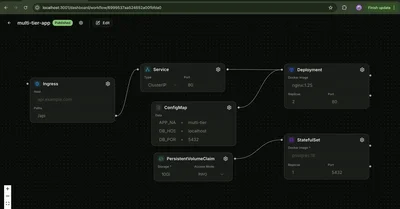 research →
KubeOrch, a new open-source visual platform, is revolutionizing Kubernetes by ditching the dreaded YAML files. Created by a founding engineer frustrated with Kubernetes’ steep learning curve and fragile configs, it lets users drag, drop, and deploy workloads with ease. This breakthrough could save countless developers from late-night debugging marathons and accelerate cloud-native adoption. The project is fully open-source, inviting the community to build on this simpler future for container orchestration.
-
YAML Revolutionizes End-to-End Testing
 research →
YAML-based testing is shaking up the world of end-to-end (E2E) automation by ditching brittle scripts for clear, declarative test files. Unlike traditional tests that break with every UI tweak, YAML tests read like simple checklists anyone on the team can understand, slashing maintenance headaches. Shiplight's success with this approach proves it's more than theory—it's a game changer for teams drowning in flaky tests. As E2E testing evolves, YAML could become the new standard, freeing developers to focus on building rather than fixing tests.
-
Rust Powers New GNU Coreutils Rival
 research →
Rust-based GNU Coreutils alternative just dropped, promising faster, safer command-line tools for developers and sysadmins. This fresh take leverages Rust’s memory safety and performance to modernize utilities that have been Unix staples for decades. It could reshape how we interact with system commands, especially in security-sensitive environments. Keep an eye out as this project evolves and challenges the old guard.
-
WebAssembly 3.0 Supercharges .NET Web Apps
 research →
WebAssembly 3.0 is rewriting the rules for web development in 2026, especially for .NET developers. With groundbreaking features like WasmGC, which slashes .NET WebAssembly bundle sizes by up to 60% using native garbage collection, and Memory64 expanding memory limits from 4GB to a staggering 16 exabytes, web apps are faster and leaner than ever. This evolution cements WebAssembly as core infrastructure, shifting the question from 'if' to 'where' to deploy Wasm. The future? Expect a surge in high-performance, scalable web applications powered by a mature Blazor ecosystem and the new Component Model.
-
New Image Converter Keeps Your Files Private
 research →
Fed up with sketchy online converters, developer built a browser-only image converter that never uploads your files. This means your images stay on your device, boosting privacy and speed by skipping slow server uploads. The tool supports multiple formats and offers handy features like page reordering and rotation. With privacy concerns rising, this approach could reshape how we handle file conversions online.
-
GitHub Actions Fortifies Supply Chain Security
 research →
GitHub just unleashed a game-changing security overhaul for GitHub Actions, targeting the rising tide of supply chain attacks that have plagued CI/CD pipelines. Following a high-profile breach of the trivy-action in March, this update locks down dependencies, tightens workflow permissions, and revamps network access controls. For developers, this means safer automation and fewer sleepless nights over compromised secrets. The roadmap signals a new era where build infrastructure is treated as a prime security frontier—expect more robust defenses rolling out soon.
-
Python 3.15 Alpha Unveils Game-Changing Features
 research →
Python 3.15.0a8, the final alpha before beta, just dropped, offering developers a sneak peek at bold new features like explicit lazy imports (PEP 810) and a built-in frozendict type (PEP 814). This release marks a critical step in Python’s evolution, promising smoother imports and immutable dictionaries that could reshape coding patterns. While still not production-ready, the alpha invites early adopters to test and influence what’s next before the beta launch on May 5. The countdown to a more powerful Python is officially on.
-
Mastering Pytest: Fixtures That Scale
 research →
Senior architects reveal the secret to bulletproof Python testing: mastering pytest fixtures and mocking. After two years dissecting flaky CI pipelines, the culprit was clear—misused fixtures causing unreliable tests and slow setups. The fix? Embrace function-scoped fixtures for isolation and speed, avoiding the trap of overusing module or session scopes. This approach transforms test suites into fearless blueprints, ensuring code stays rock-solid as it evolves.
-
React 19 Server Components Redefine Architecture
research →
React 19's Server Components aren't just a speed boost—they're a seismic shift in app design. By running exclusively on the server, these components let developers fetch data directly, access databases, and keep heavy libraries off the browser, fundamentally changing where logic lives. This means cleaner, faster apps with smarter resource use. As Next.js 14 embraces this model, mastering the client vs. server component decision is crucial for developers aiming to build cutting-edge web experiences.
-
GitHub Actions Supercharge CI/CD Pipelines
research →
Developers are transforming deployment with GitHub Actions, crafting CI/CD pipelines that do far more than just run tests. These pipelines validate code quality, build artifacts, deploy automatically to staging, and gate production releases with approvals or schedules. One standout story reveals how a painful Friday bug led to a self-healing GitOps pipeline that shifts traffic gradually and rolls back on failure. This evolution marks a leap from manual SSH hacks to robust, automated workflows that save time and headaches. Next up: wider adoption and even smarter automation in DevOps.
Society & Migration 16
-
Japan’s Gender Gap: Four Decades On
 research →
Forty years after Japan enacted its Equal Employment Opportunity Law, senior officials like Tokyo Vice Governor Akiko Matsumoto reflect on the uphill battle women faced balancing careers and family. Despite legal strides since 1986, true equality remains elusive, with cultural and workplace challenges persisting. Their call? That younger generations enjoy both work and family life without sacrifice. As Japan grapples with demographic shifts, gender equality is more crucial than ever for its future workforce and society.
-
Karnataka Pushes 27 Minor Languages in Schools
 research →
The Kannada Development Authority (KDA) is urging Karnataka's government to expand third-language options in schools by adding 27 minor languages spoken by over 10,000 people. This move aims to preserve the rich linguistic diversity of the state, which hosts 290 micro-languages, many at risk of fading away. If approved, students could soon study languages like Kodava, Yarava, and Koraga alongside established options like Kannada and Tulu. The proposal marks a bold step toward cultural preservation through education.
-
Landlords Rush Evictions Before New Law Hits
 research →
In a last-minute scramble, landlords across England are evicting tenants before the Renters’ Rights Act kicks in on May 1, 2026. This new law will ban no-fault evictions under section 21 of the Housing Act, a move hailed by tenant groups but feared to trigger a wave of sudden evictions. The renters’ union Acorn reports no-fault evictions jumped from 20% in October to nearly 30% by January. Tenants like Kim Mansell in Lewisham now live in constant fear of losing their homes. The coming weeks will reveal if the law can protect renters from this eviction surge.
-
UK Overhauls Universal Credit: Winners and Losers
 research →
This week, the UK government rolled out sweeping changes to Universal Credit, affecting millions. While most claimants will see their payments rise, certain groups—especially some disabled individuals—face sharp cuts. The reforms aim to slash welfare spending by nearly £1 billion while pumping £3.5 billion into employment support to help people get and keep jobs. Disability minister Sir Stephen Timms insists these changes will break the cycle of long-term unemployment. The coming months will reveal if this gamble pays off or leaves vulnerable people behind.
-
Seoul Boosts Support for Migrant Youth
 research →
Seoul is stepping up its game for youth from multicultural families by expanding career guidance, college admission help, and Korean language programs. The city’s Career and College Admission Support Program, which has already helped over 3,000 students, now introduces a personalized career pathway system. Meanwhile, the Seoul Metropolitan Office of Education is increasing Korean language classes and pre-enrollment programs to smooth integration into schools. These moves come as Seoul’s immigrant youth population grows, aiming to break down barriers and open doors for the next generation.
-
UK’s Over-55s Face Rising Homelessness Crisis
 research →
At 59, Richard Hewett found himself sleeping in his car after losing his council home and struggling on disability benefits—a stark reality for many over-55s in the UK. This growing group faces not just housing insecurity but crushing stigma, impacting their mental health and dignity. With aging populations and limited support, the crisis is deepening, demanding urgent policy attention. Next steps hinge on boosting affordable housing and tailored aid for vulnerable older adults.
-
AI Bridges Language Gaps in Education
 research →
A new AI framework called NativQA is revolutionizing multilingual education by integrating native, local, and everyday knowledge into large language and vision models. Developed by Firoj Alam and colleagues, it expands beyond text to include images, audio, and video, tailoring learning to diverse cultural contexts. This breakthrough tackles long-standing issues of bias and accessibility in underrepresented languages, promising more inclusive education worldwide. Next steps include scaling this tech to empower communities with rich, localized learning tools.
-
New AI Fixes Vision-Language Gaps
research →
Vision Language Models (VLMs) often stumble when parts of their input data go missing, causing a sharp drop in performance. But a fresh breakthrough by Wei Dai and team introduces a clever diffusion-based training module that can restore missing features accurately without losing the model’s general edge. This means VLMs can now handle incomplete data gracefully, opening doors for more robust AI applications in real-world scenarios where perfect inputs aren’t guaranteed. Next up: testing this approach across diverse VLM architectures and real-time systems.
-
Automated Accessibility Scores Mislead Developers
 research →
Automated tools like axe-core, WAVE, and Lighthouse are hailed as quick fixes for web accessibility, but they only catch about 20-40% of real issues. These tools give a neat percentage score that can fool developers into thinking their sites are nearly perfect, while many barriers remain invisible without human testing. Experts warn that relying solely on automation risks ignoring critical accessibility flaws that affect users with disabilities. The next step? Combining automated checks with manual screen reader tests to truly make the web inclusive.
-
Minneapolis Moves to Legalize Adult Bathhouses
 research →
The Minneapolis City Council is poised to overturn a 38-year ban on bathhouses and venues where consenting adults can engage in sexual activity. The proposed ordinances aim to remove stigmatizing language and update definitions to be more inclusive, reflecting changing attitudes toward adult entertainment. This move could reshape the city’s nightlife and regulatory landscape, sparking both support and controversy. The council’s decision will be closely watched as it signals a broader cultural shift in how cities manage adult venues.
-
US Vetting Failure Lets Terror Kin In
 research →
The U.S. Citizenship and Immigration Services (USCIS) has exposed a glaring national security flaw after relatives of the notorious Iranian terrorist Qasem Soleimani were granted lawful permanent status in the U.S. Just days before their arrests in Los Angeles, USCIS admitted its vetting system was 'wholly inadequate,' raising urgent questions about how close family of terror figures slip through. This revelation puts a spotlight on immigration security and signals a push for tighter scrutiny ahead.
-
NGOs Sound Alarm Over FCRA Bill Power Grab
research →
On April 7, representatives from Andhra Pradesh and Telangana NGOs voiced strong concerns about the new FCRA Bill, 2026, introduced in Lok Sabha last month. They warn that the bill’s sweeping powers could seize control of foreign-funded assets like schools and hospitals, threatening decades of community work. This pushback signals a fierce debate ahead as NGOs demand urgent revisions to protect their hard-earned resources.
-
Israel’s Invasion Sparks Lebanon Exodus
 research →
Israel’s recent invasion of southern Lebanon has triggered a massive humanitarian crisis, forcing over 1.2 million people, including 350,000 children, to flee their homes. Since early March, more than 1,840 attacks have devastated the region, killing nearly 1,500 and injuring thousands more. This displacement affects one in five Lebanese, marking one of the fastest-growing refugee crises worldwide. With Israel vowing to continue its offensive, the situation on the ground remains dire and uncertain.
-
LLMs Flatten Culture, Shape Thought
 research →
New research reveals that large language models (LLMs), despite their multilingual prowess, often default to Western cultural frameworks rather than truly embracing diverse cultural reasoning. A computational audit showed LLMs rely on stereotyped metaphors and fail to fully capture cultural nuances, raising concerns about AI’s role in homogenizing human expression. Experts warn this trend risks dulling humanity’s rich cognitive diversity and call for more culturally varied training data. The next step is pushing AI developers to embed genuine cultural depth into LLMs to preserve diverse worldviews and thinking styles.
-
Court Rules Social Media Addictive by Design
 research →
In a groundbreaking US verdict, a jury held social media giants like Meta legally responsible for engineering addictive platforms targeting young users. The case exposes how features exploiting the brain’s dopamine-driven reward loops keep millions scrolling endlessly. This landmark ruling could reshape how tech companies design apps and face accountability. Experts and parents now watch closely as the fight against digital addiction gains new legal momentum.
-
New AI Tricks Boost Language Control
 research →
LangFIR and RISE unveil fresh ways to steer large language models (LLMs) more precisely by isolating language-specific features and subnetworks. These breakthroughs tackle the long-standing challenge of reliably controlling output language without costly multilingual data. By cleverly filtering random tokens and exploiting expert routing isolation, researchers have unlocked sharper, sparser language control that could vastly improve low-resource language performance. Next up: real-world deployment to make AI chatbots and translators smarter and more reliable across languages.
Weather & Natural Disasters 14
-
UK Sizzles with Record-Breaking April Heat
 research →
The UK scorched through its hottest April day on record, with temperatures soaring up to 26°C in central and south-east England on April 8. This blistering heatwave follows a mild Easter weekend, shattering typical early spring averages by nearly 10 degrees. Experts warn this is a sign of spring warming faster than ever due to climate change. While the heat will give way to cooler weather soon, the UK is now bracing for an unusually warm spring season overall.
-
Relentless Rain Paralyzes Rawalpindi
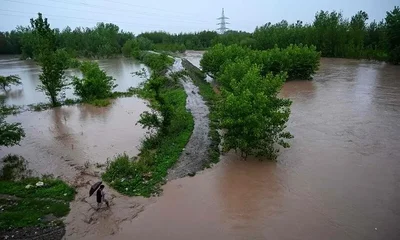 research →
Rawalpindi was brought to a grinding halt by 39mm of heavy rain that flooded streets, stalled traffic, and left ambulances stranded without traffic wardens to manage the chaos. Markets emptied and daily wage workers lost income as commercial activity shut down. Despite WASA's promises, drainage systems failed, and even Metro Bus stations leaked, exposing commuters to the downpour. With schools and offices seeing low attendance, the city faces a tough recovery ahead as the rain shows no sign of easing.
-
Italy Prepares Emergency Energy Plan Amid Crisis
 research →
Italy is racing against time to draft an emergency energy plan as fuel shortages threaten to paralyze the country by May. With the Middle East conflict disrupting supplies, the government is eyeing drastic measures like limiting air conditioning, restricting car use, and enforcing remote work for public employees. Airports are already feeling the pinch, cutting flights due to scarce jet fuel. This plan could reshape daily life if the crisis deepens, with officials closely monitoring the volatile situation.
-
Uttarakhand Drenched, Snow Buries Shrines
 research →
Heavy rain and rare April snowfall have slammed Uttarakhand, plunging the region into a sudden winter chill. Kedarnath and Badrinath shrines are now buried under thick snow, disrupting life and stunning locals with this unusual April weather. The Indian Meteorological Department blames an active western disturbance, which has also sent cold waves sweeping into Delhi-NCR. As the state braces for more unpredictable weather, residents are reminded that spring’s warmth is still on hold.
-
Early Dawn Blaze Devastates Tacloban Homes
 research →
A fierce fire tore through Barangay 80 in Tacloban City at 3:08 a.m. on Wednesday, engulfing 25 houses and displacing about 34 families. Firefighters swiftly contained the blaze by 4 a.m., preventing casualties but leaving property damage estimated at ₱750,000. The rapid spread was fueled by the lightweight construction of the homes. Authorities are now investigating the cause as affected families begin recovery efforts.
-
Cyclone Vaianu Threatens New Zealand
 research →
Cyclone Vaianu, a fierce category 3 storm with winds over 150 km/h, is barreling toward New Zealand’s North Island, bringing the threat of life-threatening winds and heavy rain this Sunday. Forecasters from MetService and NIWA warn of damaging coastal conditions, power outages, and possible community isolation. With severe weather watches already issued days in advance, New Zealanders are bracing for a potentially historic storm. Authorities will monitor closely as the cyclone’s path becomes clearer and may escalate warnings soon.
-
Edmonton’s Spring Snowfall Shakes Up Season
 research →
Edmonton woke up to a fresh blanket of snow on April 7, extending winter’s grip well beyond the usual season. After mascot Balzac Billy’s Groundhog Day prediction of six more weeks of winter, the city is still shoveling through leftover snow. Meteorologist Alysa Pederson notes that while early 2026 saw warmth, cooler weather returned late February and lingered, making this spring chill a surprise for many. Despite the chill, local greenhouses are buzzing with spring growth, hinting that warmer days are on the horizon.
-
Mullin Pledges FEMA Overhaul After Helene Devastation
 research →
Homeland Security Secretary Markwayne Mullin visited Chimney Rock, North Carolina, a town shattered by Hurricane Helene’s 22.5 inches of rain and massive flooding in 2024. Mullin vowed to reform FEMA, shifting its role from frontline responder to a support agency that empowers state and local governments. This marks his first major public engagement since Senate confirmation, signaling a new direction amid ongoing DHS shutdown challenges. The community braces for recovery as Lake Lure reopens in two weeks.
-
Torrential Rain Wrecks Abuja Bus Terminal
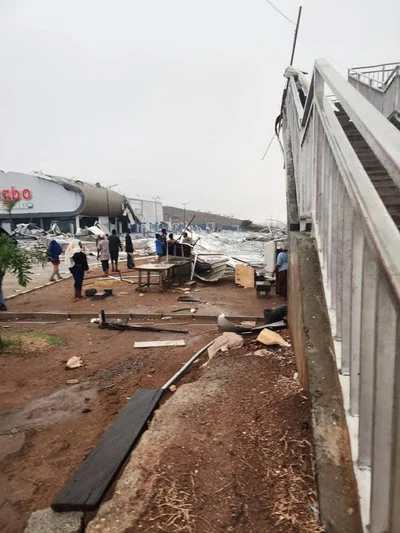 research →
A fierce downpour on Tuesday battered the newly built Kugbo Bus Terminal in Abuja, ripping off roofs and scattering debris onto the Nyanya–Keffi Expressway. This chaos snarled traffic for hours on one of the capital’s busiest routes, trapping countless commuters. Eyewitnesses saw vehicles struck by falling debris as locals scrambled to clear the mess. With the Abuja Computerised Vehicle Inspection Centre area hardest hit, authorities are urging extreme caution as cleanup continues. The incident highlights the vulnerability of infrastructure to extreme weather amid Nigeria’s rainy season.
-
Hormuz Blockade Sparks Global Food Crisis
 research →
The ongoing closure of the Strait of Hormuz is not just an energy nightmare but a looming food catastrophe. With about a third of the world's fertilizer shipments stuck, farmers face soaring costs and shortages that threaten to slash crop yields worldwide. This disruption could send grocery prices soaring and hunger risks rising, long after the conflict with Iran ends. Experts warn the fallout will ripple through global food chains, making this a crisis to watch closely.
-
Pakistan Revives Vanishing Community Ponds
 research →
In Pakistan’s rural heartlands, centuries-old community ponds—once vital for water storage—are disappearing fast, threatening both the environment and millions of livelihoods. With a booming population now over 241 million, these small reservoirs, known locally as Bann or Chappar, are crucial for sustaining crops, livestock, and daily life in arid regions. Reviving these ponds could be a game-changer for water security and rural resilience as climate pressures mount. Communities and policymakers are now rallying to restore this traditional lifeline before it’s too late.
-
US Border Wall Blasts Sacred Site
 research →
The U.S. government’s use of explosives to build the border wall has severely damaged a 35-meter-tall monolith on Cuchumá Hill, a sacred site for the Kumiai people living on both sides of the Mexico-US border. This ancient ceremonial landmark, deeply tied to Indigenous heritage, now faces uncertain damage amid escalating border tensions. Experts and local communities are alarmed by the destruction of a cultural treasure that transcends national boundaries. The full extent of the harm remains unclear, but the incident spotlights the clash between security policies and Indigenous rights.
-
Trump’s Ultimatum Sparks Oil Surge Amid Iran Defiance
 research →
As the U.S.-Iran war hits a critical juncture, President Trump’s 8 PM deadline to reopen the Strait of Hormuz passed with Iran rejecting ceasefire talks and calling for human chains to protect power plants. Oil prices soared past $110 a barrel, rattling global markets and fueling fears of prolonged conflict. With futures sliding and tensions escalating, the world braces for a volatile economic fallout as midnight approaches without a deal in sight.
-
Samsung’s Q1 Profit Soars on AI Chip Boom
 research →
Samsung Electronics stunned markets with a jaw-dropping 57.2 trillion won ($37.9 billion) operating profit in Q1 2026, an eye-popping 755% leap from last year. Fueled by skyrocketing demand for AI-driven memory chips and soaring prices, this tech titan smashed forecasts and set a new quarterly record. With AI infrastructure expanding rapidly, Samsung’s semiconductor division is riding a wave that could reshape the industry’s future. Investors will be watching closely as the chip giant gears up for what could be an even hotter second quarter.