AI & Technology 20
-
Meta Builds New AI Hardware Dream Team
 research →
Meta, under Mark Zuckerberg, is ramping up its AI hardware game by forming a dedicated team within its Superintelligence Labs (MSL). This move signals a bold step beyond its successful Ray-Ban AI smart glasses, which sold over 7 million units. The new team will work alongside Reality Labs but focus on pioneering next-gen AI devices, hinting at exciting innovations ahead. Despite recent layoffs, Meta’s commitment to AI hardware shows it’s doubling down on shaping the future of intelligent gadgets.
-
Chinese Chip Firms Surge on AI Boom
 research →
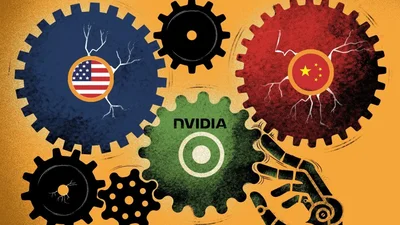
Chinese semiconductor giants smashed revenue records in 2025, fueled by soaring AI demand and U.S. export restrictions that pushed Beijing to double down on homegrown tech. SMIC led the charge with a 16% revenue jump to $9.3 billion, eyeing over $11 billion in 2026. This explosive growth highlights how geopolitical tensions are inadvertently turbocharging China’s chip industry, setting the stage for an intensified global tech race.
-
Nvidia Unveils AI Agent Platform with 17 Giants
 research →
Nvidia just dropped a game-changer at GTC 2026: the Agent Toolkit, an open-source platform for building autonomous AI agents. Seventeen powerhouse companies like Adobe, Salesforce, and SAP have already signed on, promising a new wave of AI products built on Nvidia’s tech. This move could redefine enterprise AI development, making Nvidia the backbone of future AI innovation. Next up, we’ll see how these giants integrate the platform into their services and what breakthroughs emerge.
-
Open Platform Sparks Smart Glasses Revolution
 research →
Today, Even Realities shook up the smart glasses world by launching Even Hub, an open app store for its G2 glasses, challenging Meta’s closed ecosystem. This move hands power back to users and developers, letting them choose from over 50 apps ranging from ebooks to live transcription tools. As Meta clings to control, Even Realities bets on openness to win the future of augmented reality. With Google also eyeing the space, the battle for smart glasses dominance is just heating up.
-
Unlock Apple Vision Pro’s Hidden Power
 research →
Apple Vision Pro isn’t just a flashy headset—it packs a serious punch with its groundbreaking M5 chip, boasting a 10-core CPU, 10-core GPU, and a 16-core Neural Engine. But to truly unleash its potential, users need to dive into some lesser-known tweaks hidden in the Accessibility menu. These hacks, designed originally for accessibility, can supercharge your experience, making the Vision Pro not just powerful but also personalized. If you’ve got one or are eyeing it, these tips are your shortcut to mastering Apple’s most advanced wearable yet.
-
AI Giants Spark Natural Gas Power Surge
 research →
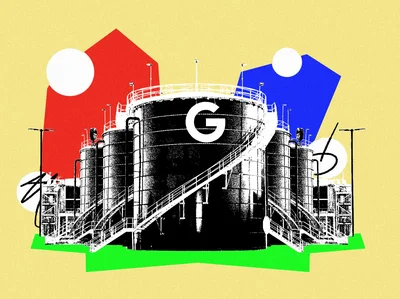
Microsoft, Google, and Meta are racing to build massive natural gas plants to fuel their sprawling AI data centers, with projects in Texas and Louisiana promising gigawatts of power. This bold pivot to on-site gas generation highlights a new energy battleground as grid capacity lags behind AI’s explosive demand. While these plants act as a crucial bridge, experts warn the strategy raises environmental questions amid the AI boom’s relentless growth. The next chapter will test how tech balances power hunger with sustainability goals.
-
6G to Supercharge Robot Revolution
 research →
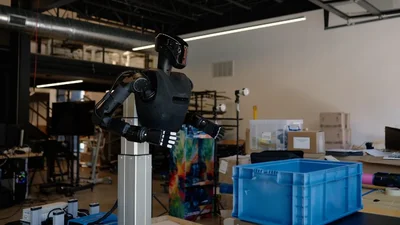
At the 2026 Mobile World Congress, robots stole the spotlight—not just as crowd-pleasers but as harbingers of a new era powered by 6G technology. Companies like Boston Dynamics and Honor are pushing humanoid robots beyond novelty, aiming to integrate them into a seamless, intelligent network by 2030. This leap means robots will no longer operate in isolation but as part of an interconnected ecosystem that learns and adapts in real time. The fusion of 6G and robotics promises to transform industries and daily life alike, setting the stage for a future where machines move and think together.
-
Space Data Centers Face Orbital Chaos
 research →
The dream of launching data centers into space to power AI with endless solar energy hits a major snag. Experts warn that the sheer number of satellites—up to one million proposed by SpaceX—could create dangerous orbital traffic jams and debris fields, threatening both hardware and safety. With only about 240,000 satellites fitting safely in low Earth orbit, the vision demands new tech for collision avoidance and satellite recycling. The race is on to solve these cosmic puzzles before the data center gold rush takes off.
-
Oracle Cuts 30,000 Jobs to Fuel AI Push
 research →
In a massive shakeup, Oracle announced layoffs of up to 30,000 employees across the US, Canada, India, and Mexico, aiming to free up $8-$10 billion for AI investments. This move highlights the growing tension between AI-driven automation and traditional tech jobs, with remote and Seattle-based staff among those affected. As other giants like Amazon and Microsoft also trim workforces, the tech sector braces for a new era where AI reshapes employment. The coming months will reveal how these cuts impact innovation and worker livelihoods worldwide.
-
AI Blunders Trigger Legal Sanctions Surge
 research →
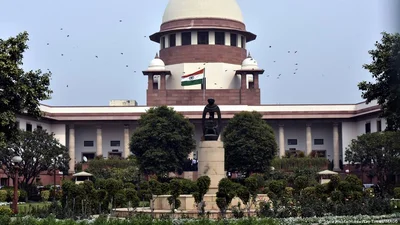
AI is reshaping the legal battlefield—but not without chaos. Over 1,200 court sanctions, mostly in the U.S., have been handed down to lawyers for submitting AI-generated briefs riddled with fake citations, including a high-profile $3,000 fine for Mike Lindell’s attorneys. Experts warn that despite these penalties, careless AI use persists, prompting law schools like University of Washington to offer ethics training. As AI tools grow sharper yet imperfect, the legal world faces a reckoning on how to wield them responsibly.
-
US Data Center Boom Hits Power Snag
 research →
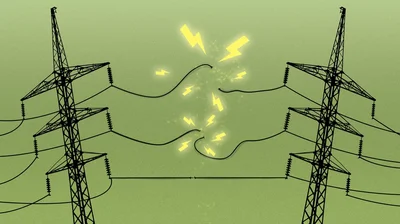
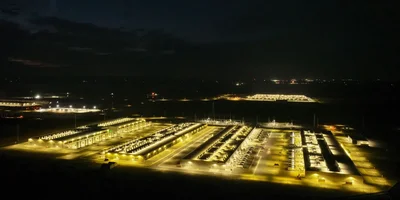
Despite a staggering $650 billion AI infrastructure investment by giants like Alphabet, Amazon, Meta, and Microsoft, nearly half of planned U.S. data center projects in 2026 face delays or cancellations. The culprit? A critical shortage of electrical components like transformers and batteries, compounded by strained grid infrastructure due to electric vehicles and heating systems. With only a third of the expected 12 GW capacity under construction, the AI build-out is hitting a serious power bottleneck. Industry watchers now eye innovative solutions, including Elon Musk’s bold plan to orbit data centers in space, as the next frontier.
-
Google’s Gemma 4 AI Goes Open and Local
 research →
Google DeepMind just unleashed Gemma 4, a groundbreaking open-source AI model family that runs offline on laptops and billions of Android devices without any subscription fees. Built on the same tech as the proprietary Gemini 3, Gemma 4 offers developers unprecedented freedom and control under the Apache 2.0 license. With over 400 million downloads since its debut, this move could redefine how AI is accessed and deployed worldwide. Next up: watch for a surge in innovative apps built on this powerhouse AI, all running right in your pocket.
-
Quadra Secures Elite AWS AI Partner Status
 research →
Quadra has soared to the top tier of AWS partners by clinching both the Premier Tier Services Partner status and the coveted AWS AI Services Competency. This dual achievement marks Quadra as a powerhouse capable of transforming AI projects from mere pilots into robust, secure production systems at scale. With a track record spanning migration, modernization, and DevOps, Quadra is closing the AI execution gap that stumps many enterprises. The big question now: how will Quadra leverage this momentum to accelerate AI adoption across industries?
-
Hyperscalers Quadruple Memory Spending
 research →
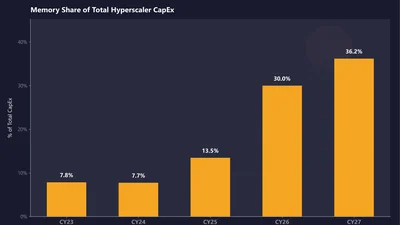
Hyperscalers are funneling a staggering 30% of their 2026 data center budgets into memory, a fourfold jump from just three years ago. This surge is driven by soaring DRAM prices and chronic shortages of HBM, the high-speed memory powering AI accelerators. Nvidia benefits from privileged supply deals, underscoring the fierce competition for scarce components. As memory costs skyrocket, expect device prices—from laptops to smartphones—to keep climbing, reshaping the tech landscape. Industry watchers are bracing for even higher memory prices through 2027, signaling a costly new era for computing.
-
NASA’s Artemis II Rockets Toward Moon
 research →
NASA’s Artemis II mission blasted off on April 1, marking humanity’s first crewed lunar journey in over 50 years. The crew is now orbiting the Moon, testing critical maneuvers like docking with future landers, despite minor hiccups like a malfunctioning toilet and glitchy Microsoft Outlook. This mission is a giant leap toward reestablishing a human presence on the Moon and setting the stage for deeper space exploration. Next up: perfecting lunar landings and pushing the boundaries of human spaceflight.
-
5G and AI Spark Türkiye’s New Unicorn Boom
 research →
As Türkiye steps boldly into the 5G era this week, the tech revolution is set to do more than just speed up internet—it’s poised to transform entire industries and birth a fresh wave of unicorn startups. Building on the legacy of 3G and 4G that gave rise to giants like Yemeksepeti and Trendyol, 5G’s ultra-low latency will connect machines and systems, unlocking vast new opportunities for entrepreneurs. This digital leap could redefine consumer habits and business models alike, signaling a vibrant future for Türkiye’s innovation landscape.
-
California Leads Bold AI Regulation Charge
 research →
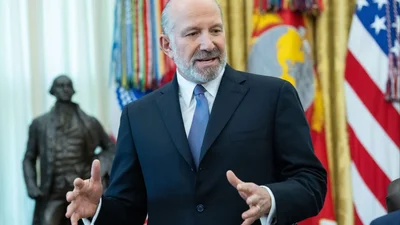
California is staking its claim as the U.S. hub for AI regulation with Governor Gavin Newsom signing a sweeping executive order and lawmakers pushing multiple AI bills. This aggressive stance is shaping the rules that tech companies nationwide will likely follow, even as the White House seeks a federal AI framework. Meanwhile, billionaire Tom Steyer is proposing a novel AI tax to fund education and job retraining, spotlighting the economic ripple effects of AI. With Congress gridlocked, California’s moves could set the tone for America’s AI future.
-
Digital Platforms Clash Over Interoperability
 research →
Imagine your social media posts trapped in isolated silos—tweets, Mastodon updates, Bluesky threads—all speaking different digital languages. This fragmentation isn't just frustrating; it’s a major hurdle threatening the future of the internet. Despite decades of debate, platforms and API providers remain stuck on agreeing to a universal content standard. The stakes are high: without interoperability, the digital world risks splintering into isolated communities. The next move could reshape how billions connect online.
-
Deepfakes Upend Biometric Security
 research →
A stunning revelation from 2026 shows that even a 95% facial match can be completely fooled if the face is a deepfake. As synthetic media blurs the line between real and fake, traditional biometric systems that rely solely on facial geometry are becoming dangerously unreliable. Experts warn that developers must pivot to a 'biometric plus evidence' model, incorporating metadata and provenance to verify identity. This shift signals a major overhaul in how we secure digital identities moving forward.
-
Iran War Chokes Helium, Chips at Risk
 research →
The ongoing conflict in Iran has severely damaged Qatar’s Ras Laffan gas facilities, slashing helium supplies crucial for semiconductor manufacturing. With Qatar providing a third of the world’s helium, Asian chipmakers in South Korea and Taiwan face a looming shortage that could ripple through the global tech economy. Experts warn recovery may take up to five years, threatening smartphone and medical device production. The industry now braces for a helium drought amid geopolitical turmoil.





























World Politics 14
-
Iran Seeks Immunity Amid Gulf War Chaos
 research →
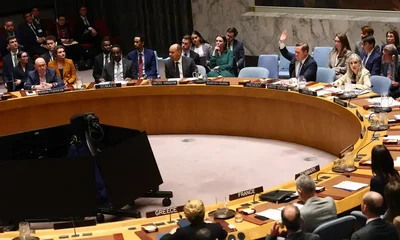
Iran has shifted its war strategy from deterrence to demanding immunity, pushing for reparations from Gulf states it blames for attacks on its soil. This marks a seismic shift in Tehran’s approach, aiming to legally and politically reshape the conflict’s aftermath rather than just inflict damage. Despite heavy US-Israeli strikes, Iran still holds half its missile launchers and thousands of drones, keeping the region on edge. Meanwhile, the UN Security Council remains deadlocked over Gulf Arab efforts to reopen the strategic Strait of Hormuz, underscoring the war’s complex geopolitical fallout. The next moves in diplomacy and military posturing will define the Middle East’s fragile future.
-
Nimzowitsch’s Chess Wisdom: Threat Beats Execution
 research →
Back in 1927, grandmaster Aron Nimzowitsch famously declared that 'the threat is stronger than the execution' after spotting an opponent’s unlit cigar at a New York tournament. This insight, later formalized, reveals how a looming threat forces an opponent to juggle multiple possibilities, creating more pressure than an actual move. Nearly a century on, this principle resonates beyond chess, highlighting how overusing threats can drain strategic power—as seen in recent geopolitical moves. Chess fans and strategists alike should remember: sometimes, the shadow of a move is mightier than the move itself.
-
Trump’s White House Purge Shakes DC
 research →
The Trump administration is in the midst of a dramatic shake-up, with three top officials already ousted since the Iran conflict began on February 28. Key figures like FBI Director Kash Patel and Army Secretary Daniel Driscoll could be next, signaling a sweeping purge amid mounting political pressure ahead of the November 2026 midterms. This internal turmoil reveals cracks in Trump’s leadership as he juggles war and politics, with more surprises likely in the weeks ahead.
-
South Korea, France Unite to Secure Hormuz Strait
 research →
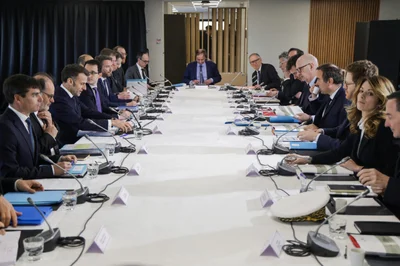
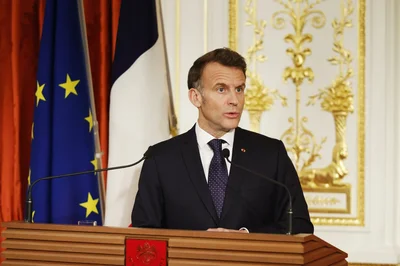
In a landmark summit, President Lee Jae Myung of South Korea and French President Emmanuel Macron pledged to collaborate on ensuring safe passage through the critical Strait of Hormuz amid Middle East turmoil. Their joint commitment aims to stabilize global energy supplies and mitigate economic fallout from the ongoing conflict. Beyond security, the leaders agreed to deepen ties in nuclear energy, offshore wind, AI, and space sectors. This partnership signals a strategic pivot toward diplomacy and economic resilience as tensions persist.
-
African Currencies Plunge Amid Iran War Fallout
 research →
The currencies of 29 African nations have sharply weakened due to the ongoing US-Israel conflict with Iran, a new UN Economic Commission for Africa report reveals. This plunge is driving up debt costs and import prices, hitting vulnerable countries like Senegal and Sudan hardest. Energy and fertilizer supply disruptions during critical planting seasons threaten food security across the continent. With economic pressures mounting, African nations face a precarious road ahead as the Middle East conflict drags on.
-
Pakistan’s Mediation Stalls US-Iran Talks
 research →
Pakistan’s push to broker US-Iran dialogue has hit a frustrating wall as Tehran remains silent despite backchannel exchanges and two near-breakthroughs. With Vice President JD Vance ready to meet Iranian officials in Islamabad twice, Iran’s last-minute pullouts have stalled momentum at a critical moment. Pakistan, leveraging its ties with both Washington and Tehran, along with China’s urging, continues to press for dialogue amid rising regional tensions. The world watches closely—will Iran finally step forward or let silence deepen the divide?
-
US State Dept. Imposes First Formal Dress Code
 research →
The US State Department has introduced its first-ever formal dress code for diplomats and staff, requiring business formal attire in official settings. This move aims to boost the credibility and dignity of American representatives abroad, according to Assistant Secretary Dylan Johnson. The policy update, now part of the Foreign Affairs Manual, applies to both civil and foreign service employees. With Secretary Marco Rubio also reversing previous font changes, the department signals a broader push for professionalism. Watch for how this shift reshapes diplomatic culture in the coming months.
-
Argentina Expels Iranian Diplomat Amid Rising Tensions
 research →
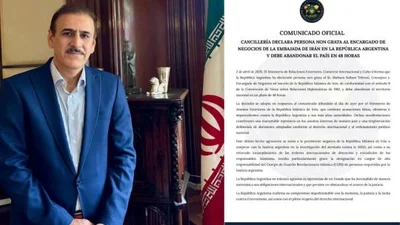
Argentina has expelled Iran’s chargé d’affaires, Mohsen Tehrani, escalating diplomatic tensions after Buenos Aires labeled Iran’s IRGC a terrorist group. Tehran condemned the move, accusing Argentina of bowing to Israeli pressure, while Tehrani warned the expulsion 'only makes things worse.' This diplomatic fallout unfolds as Latin America’s financial risk remains steady despite global jitters, spotlighting Argentina’s fraught stance in regional geopolitics. The next steps will test whether cooler heads prevail or if this dispute deepens.
-
NATO Allies Ramp Up Defense Spending Amid US Rift
 research →
Facing President Donald Trump’s shocking threats to pull the US out of NATO, European members are racing to boost their defense budgets and slash dependence on American arms. This surge in spending signals a historic shift as Europe braces for a future where US support may no longer be guaranteed. With tensions soaring over Iran and the Strait of Hormuz crisis, NATO’s unity is being tested like never before. The coming months will reveal if this financial muscle-flexing can shore up the alliance’s fragile foundation.
-
Russia Pushes Sahel Alliance Expansion
 research →
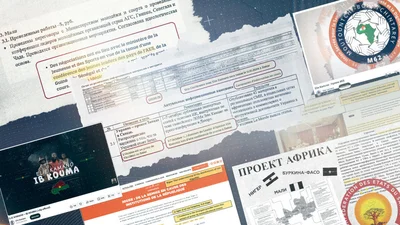
Leaked documents reveal Russia's covert campaign to broaden its influence in Africa’s Sahel region through a mix of media manipulation, political pressure, and cultural outreach. The operation, initially driven by Yevgeny Prigozhin’s Wagner-linked Africa Politology group and now controlled by Russian intelligence, aims to cement Moscow’s foothold amid regional instability. This strategic push highlights Russia’s growing ambitions in Africa just as local powers like Burkina Faso reject democracy, signaling a volatile future for the Sahel. Watch for intensified geopolitical rivalry as Russia deepens its African ties.
-
Macron-Trump Rift Deepens Over Hormuz Crisis
 research →
The historic Franco-American alliance is fraying as President Trump publicly questions the U.S. commitment and mocks Emmanuel Macron's private life, sparking outrage in Paris. Macron has firmly rejected Trump's calls for military action to reopen the Strait of Hormuz, calling such intervention 'unrealistic' amid escalating Middle East tensions. With Macron’s inner circle reportedly unraveling, this diplomatic spat threatens to reshape transatlantic relations just as global energy security hangs in the balance.
-
US Students Flunk Civics, Democracy at Risk
 research →
New data from the 2022 NAEP civics test reveals a troubling decline in American students' understanding of government, with only 22% of eighth graders proficient and 31% below basic. Education advocates warn this knowledge gap threatens the foundation of democracy, urging stronger national civics standards ahead of upcoming federal assessments. The Pledge of Allegiance, once a unifying school ritual, now contrasts sharply with these sobering stats. The debate heats up on how schools can reclaim their role as democracy’s bedrock.
-
Russia Boosts Oil, LNG Supplies to India
 research →
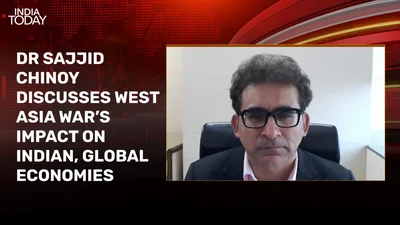
Russia is stepping up as a key energy lifeline for India amid the Middle East turmoil, with First Deputy PM Denis Manturov confirming Moscow’s ability to ramp up oil and LNG exports. This move comes as global energy markets reel from the West Asia crisis, threatening supply stability. Beyond fuels, Russia has already boosted fertilizer shipments by 40% and is deepening nuclear and agricultural ties. The partnership signals a strategic pivot for India’s energy security as global uncertainties mount.
-
US Credibility Crisis Shakes East Asia
 research →
The US-Israeli war on Iran has triggered a seismic shift in East Asia’s view of America. Once seen as a steadfast protector, the US now appears overstretched and unreliable, sparking fears from Tokyo to Taipei. This credibility crisis is militarizing the region, with allies like Japan and South Korea facing heightened risks amid China’s growing assertiveness. As economic fallout hits hardest on US allies, the future of American influence in Asia hangs in the balance.



















Business & Economy 9
-
Middle East War Shakes Global Markets
 research →
The ongoing Middle East war, sparked by U.S.-Israeli strikes on Iran, has rattled global markets, pushing oil prices up and triggering volatility across equities. After five weeks of losses, Wall Street finally rallied, fueled by hopes the conflict might ease soon. Yet, investors remain on edge as oil surges and geopolitical risks persist, especially with major economies like India facing inflation pressures due to their heavy oil import reliance. The coming weeks will reveal how deeply the war reshapes economic outlooks worldwide.
-
SpaceX IPO Threatens Anthropic’s Private Market Boom
 research →
Anthropic is riding a wave of intense private market demand, with buyers ready to pour in $2 billion. But the excitement might hit turbulence as SpaceX gears up for what could be the largest-ever IPO, aiming to raise $75 billion and potentially overshadowing Anthropic’s momentum. This showdown highlights a pivotal moment in private and public market dynamics, with investors eyeing where to place their bets. The coming months will reveal if Anthropic can sustain its frenzy or if SpaceX’s blockbuster debut steals the spotlight.
-
Trump Slams State Farm Over Wildfire Claims
 research →
President Trump has publicly blasted State Farm, California’s largest home insurer, for its handling of wildfire claims from the devastating January 2025 fires. On Truth Social, Trump accused the company of abandoning loyal customers after years of premium payments, calling their response “horrible.” State Farm, facing investigation, says it has paid out $5.7 billion on 13,700 claims and expects total payouts to reach $7 billion. This rare presidential intervention shines a spotlight on insurance industry accountability amid growing wildfire crises.
-
India Faces Fertilizer Crisis Amid Iran War
 research →
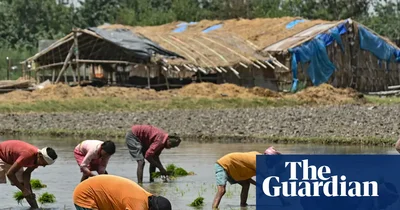
India’s heartland is bracing for a food crisis as fertilizer shortages hit farmers hard, triggered by the escalating war in Iran. Punjab farmer Gurvinder Singh voices deep concern over dwindling crop yields that threaten livelihoods and regional food security. With fertilizer supplies drying up, the ripple effects could destabilize India’s agricultural backbone. Experts warn that unless the conflict eases soon, the nation’s food supply and economy will face mounting pressure in the coming months.
-
Global Food Prices Surge Amid Middle East Conflict
 research →
Global food prices climbed in March to their highest since last September, driven by soaring energy costs linked to the ongoing Middle East conflict, the UN's Food and Agriculture Organization (FAO) reported. While current price rises have been modest thanks to ample cereal supplies, FAO warns that if the conflict drags beyond 40 days, farmers may cut back on inputs or switch crops, threatening future yields. This could push food prices even higher through 2026 and beyond, underscoring the fragile link between geopolitics and global food security.
-
US Jobs Market Swings Wildly in March
 research →
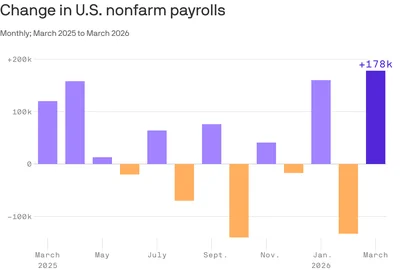
The US labor market threw a curveball in March with 178,000 jobs added, smashing expectations but masking deep volatility. Federal and state governments continue shedding thousands of jobs, while local governments and the private sector add workers, creating a bizarre patchwork. This yo-yo effect, with February’s sharp job losses revised worse, signals uncertainty amid ongoing economic shifts. Economists warn this rollercoaster could persist, complicating forecasts and policy decisions.
-
Billionaire Tax Push Gains Momentum
 research →
Bernie Sanders has spotlighted billionaires like Bezos, Musk, Bloomberg, and Buffett in a renewed call for taxing the ultra-wealthy, declaring they’ve “never ever had it so good.” This movement is catching fire in California, where activists like Karen Sanchez are rallying support for a one-time 5% wealth tax on the state’s 200+ billionaires to fund vital public services. With public appetite growing for even bigger, more frequent taxes on the rich, this fight could reshape economic policy nationwide. The coming months will reveal if these efforts can translate into real legislative change.
-
Wall Street and Global Markets Halt for Good Friday
 research →
On April 3, Wall Street’s NYSE and Nasdaq shut down for Good Friday, pausing trading amid a backdrop of strong U.S. job growth and rising geopolitical tensions. The U.S. bond market closed early, while energy markets remained shuttered after sharp price jumps fueled by fears of a prolonged Iran conflict. Across the globe, major exchanges in India and Europe also paused, leaving investors to digest mixed signals from Asian markets. With uncertainty mounting, traders brace for a volatile week ahead once markets reopen.
-
Wall Street Breaks Losing Streak Amid Iran Hopes
 research →
Wall Street shook off a brutal five-week skid this week, with the S&P 500 and Nasdaq rallying 3.4% and 4.4% respectively, fueled by optimism that the Iran conflict might end soon. Despite soaring oil prices hitting their highest since 2022, stocks found fresh legs, signaling resilience amid uncertainty. Investors remain cautious, though, bracing for more volatility as the geopolitical drama unfolds. The market’s next moves will hinge on how the Iran situation and energy prices evolve in the coming weeks.











Crypto & Fintech 22
-
AI Agents Launch Their Own Marketplace
 research →
The AI agent economy just hit a new milestone: these digital workers are now trading services autonomously through a dedicated marketplace. Gone are the days when AI agents were mere tools; today, they chain tasks, verify each other, and even handle payments without human help. Platforms like AgenticTrade and protocols like MCP are making this seamless, enabling AI agents to discover, authenticate, and pay for APIs in real time. This shift could redefine how software and services interact, with AI agents becoming full-fledged economic participants.
-
AgentBond Reinvents AI Trust Model
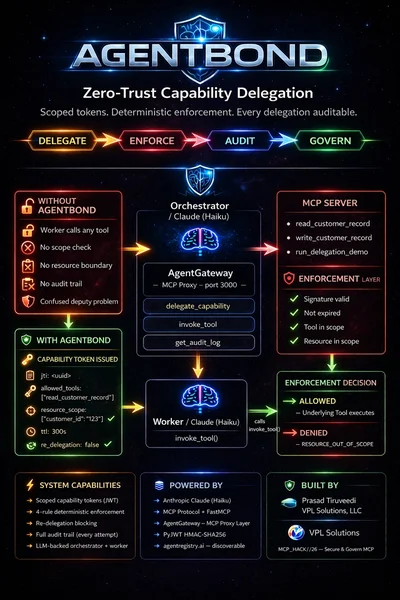
 research →
AgentBond is shaking up AI security by introducing zero-trust delegation for AI agents, solving a blind spot in how autonomous agents inherit permissions. Unlike current systems where worker agents get unchecked access, AgentBond enforces strict scopes, expiries, and audit trails—turning trust from a gamble into a contract. This breakthrough tackles the “confused deputy” problem head-on, promising safer, more accountable AI workflows as agent ecosystems grow. Developers and enterprises can expect tighter control and less risk as AgentBond rolls out.
-
Bitcoin ETFs Set to Eclipse Gold Funds
 research →
Bitcoin spot ETFs are on track to outgrow gold ETFs in assets under management, says analyst James Seyffart. He highlights Bitcoin’s expanding appeal beyond just 'digital gold,' noting its roles as a growth asset, portfolio diversifier, and digital property. This shift signals a maturing crypto market with broader investor use cases. With demand surging, Bitcoin ETFs could soon redefine traditional investment landscapes.
-
Stablecoins Slash Payment Settlement Times
 research →
When you tap your Visa card, the money can take 2-3 business days to actually reach the merchant, thanks to a complex chain of authorization, clearing, and settlement steps. But a new stablecoin system called OpenPasskey is turning that on its head, settling payments in under 6 seconds by leveraging blockchain smart contracts. This breakthrough could revolutionize how merchants get paid, cutting wait times from days to seconds and slashing fees. As digital wallets and crypto payments gain traction, expect more innovations speeding up money movement worldwide.
-
Local Image Tools Slash Cloud Risks
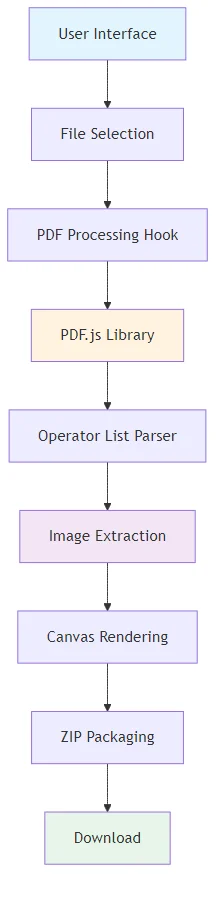
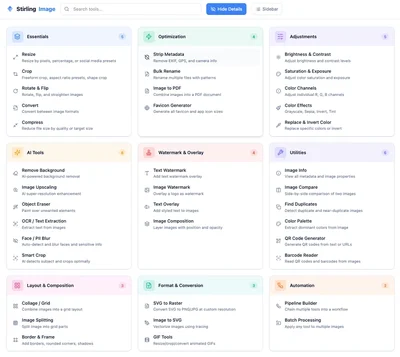 research →
Privacy-focused, local image processing tools are shaking up the digital world by cutting out cloud dependency and subscription traps. Instead of risking data breaches or paying endless fees, users can now process images right on their devices, keeping sensitive info safe and costs down. This shift not only protects privacy but also speeds up workflows by ditching slow uploads. With browser-based solutions gaining traction, the future of image editing looks both secure and user-friendly.
-
GPUHammer Hacks NVIDIA GPUs Live
 research →
A chilling new security flaw dubbed GPUHammer has been exposed, revealing that NVIDIA GPUs with GDDR6 memory can be hijacked through a Rowhammer-style attack. Researchers at Georgia Tech demonstrated how bit-flips in GPU memory could let attackers seize control, threatening AI workloads and multi-tenant GPU infrastructures worldwide. While enabling BIOS IOMMU settings or GPU ECC can mitigate risks, these come with performance costs and aren’t foolproof. The AI and graphics industries now face urgent pressure to patch or rethink GPU security before attackers exploit this hardware-level vulnerability.
-
Solana Frontend: Mastering Fast Web3 UIs
 research →
After a year building dApps on Solana, developers face a unique challenge: crafting frontend interfaces that keep pace with Solana’s lightning-fast blockchain. Unlike typical web3 projects, Solana demands local keypair signing and direct JSON RPC interactions, making traditional tutorials fall short. This new guide cuts through the noise, showing how to build sleek, user-friendly UIs that don’t leave users waiting. For anyone diving into Solana, mastering these frontend patterns is now the key to unlocking its full potential.
-
Bitcoin Tanks After Trump Speech Shock
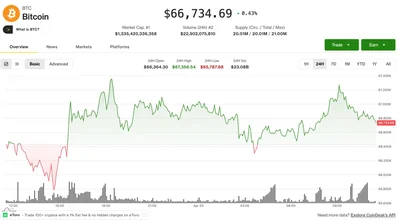
 research →
Bitcoin took a sharp dive below $66,000 following Donald Trump’s hawkish speech, wiping out over $251 million in long positions within 24 hours. The crypto market’s hopes for easing tensions were crushed as BTC plunged from around $68,000 to a low near $65,600 before partially recovering. This dramatic move highlights how geopolitical events still rattle even the most resilient digital assets. Traders now brace for what comes next amid ongoing global uncertainty.
-
Account Abstraction Revolutionizes Web3 Security
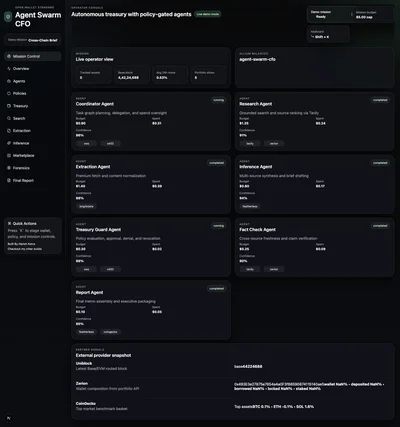 research →
Account abstraction is rewriting the rules of Web3 wallets by ditching the fragile seed phrase model that’s haunted crypto users for years. Instead of relying on a single private key that, if lost, means permanent wallet death, this breakthrough offers smarter, user-friendly wallet recovery and control. It’s a game-changer for mainstream adoption, making Web3 safer and less intimidating. Already rolling out in production wallets, this tech promises a future where losing your crypto keys won’t mean losing your fortune.
-
MARA Axes 15% Staff Amid $1.1B Bitcoin Sell-Off
 research →
MARA, a major Bitcoin miner, has cut 15% of its workforce shortly after unloading $1.1 billion in BTC. This move isn’t about cash crunch but a strategic pivot toward AI and digital infrastructure, signaling a bold shift away from pure crypto mining. Despite a recent 8% share jump, MARA’s stock is still down over 50% in six months, reflecting market jitters. The company is betting on evolving its business model to stay relevant in a volatile crypto landscape. Watch for how MARA reinvents itself next in the tech and energy sectors.
-
US Banks Slam Coinbase Trust Charter Approval
 research →
The Independent Community Bankers of America (ICBA) has fired a sharp warning against the OCC’s conditional approval of Coinbase’s national trust bank charter, calling it a risky shortcut that sidesteps key banking regulations. ICBA argues Coinbase’s application lacks solid risk controls and could jeopardize consumers and the financial system amid crypto volatility. This clash highlights the growing tension as crypto firms push for bank-like privileges without full regulatory scrutiny. The debate is far from over, with regulators and industry players watching closely for what’s next.
-
Ireland Invites Public to Test New Digital Wallet
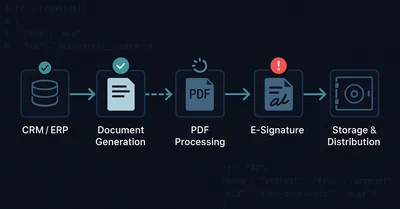 research →
The Irish government has kicked off a public consultation and testing phase for its ambitious new digital wallet, designed to securely store vital documents like birth certificates and driving licenses. This app also aims to streamline access to welfare benefits and could serve as a tool for age verification on social media, following concerns raised by Tánaiste Simon Harris. With EU mandates pushing for digital public services by year-end, this trial is crucial to ensure the wallet meets real user needs. The government is eager to hear feedback as it shapes this digital leap.
-
Bitcoin Stumbles in Worst Quarter Since 2018
 research →
Bitcoin plunged nearly 22% in Q1 2026, marking its worst quarterly slide since 2018, tumbling from $95,000 to about $66,700 amid geopolitical tensions and a hawkish Fed. Despite this, Bitcoin outperformed traditional assets like equities and gold following the Iran conflict outbreak. Investors remain cautious, waiting on clearer regulations and geopolitical stability before diving back in. Analysts eye Fed moves and Middle East developments as crucial for Bitcoin’s next chapter.
-
Mastering Token Prices Across 46 EVM Chains
 research →
Developers face a daunting challenge tracking token prices across the sprawling DeFi landscape, which now spans over 390 EVM-compatible networks and holds more than $238 billion in total value locked. A new guide breaks down five practical methods to monitor token prices—from Chainlink’s trusted on-chain oracles to real-time DEX price discovery—helping projects avoid the headache of juggling dozens of integrations. Each approach balances speed, cost, and accuracy differently, letting developers tailor solutions to their needs. This is a game-changer for anyone building DeFi apps, trading bots, or portfolio trackers aiming to stay ahead in a hyper-connected crypto world.
-
Solo Miner Strikes $210K Bitcoin Jackpot
 research →
A solo Bitcoin miner connected to CKPool hit the jackpot by mining block 943,411, earning a hefty reward of about $210,000 in Bitcoin. This rare solo win—just the 20th in a year—proves the mining lottery still pays off despite industrial dominance. With solo miners striking roughly once every 19 days, this win rekindles hope for independent miners. The next big question: will more solo miners dare to take the plunge?
-
Build Your First dApp on Avalanche Fuji
 research →
If you've ever dreamed of launching your own decentralized app but felt lost, the new step-by-step guide on building dApps on the Avalanche Fuji testnet is your golden ticket. Designed for complete beginners, it walks you through everything from setting up wallets like Core or MetaMask to writing and deploying smart contracts without needing prior Solidity knowledge. With free test AVAX tokens and example projects included, this guide lowers the barrier to entry for blockchain developers. Next up: start coding and bring your dApp ideas to life on Avalanche’s fast-growing network.
-
Fintech Investment Cools as AI Heats Up
 research →
The 2026 Forbes Fintech 50 list reveals a fintech sector shedding its hype-driven past and settling into maturity after a sharp investment chill. Once fueled by cheap capital, fintech now faces a more cautious market, especially as AI grabs the spotlight and investment dollars. This shift signals a pivotal moment where fintech must innovate beyond hype to stay relevant. The coming years will test which companies can adapt in this evolving financial landscape.
-
Binance Dominates $18.6T Crypto Derivatives
 research →
Binance crushed the crypto derivatives market in Q1 2026, handling a staggering $4.9 trillion in volume, far outpacing rivals. The total derivatives trading hit $18.6 trillion, dwarfing spot trading’s $1.94 trillion, signaling where the real action is. Meanwhile, decentralized exchange Hyperliquid broke into the top 10, hinting at a slow but steady shift in market dynamics. Experts say this quarter was less about hype and more about recovery and concentration—expect the battle for dominance to intensify.
-
Flutterwave Wins Nigerian Banking License
 research →
Flutterwave just scored a major win, snagging a banking license from the Central Bank of Nigeria. This move lets the fintech giant leap beyond payments—where it’s already processed over $40 billion in a decade—into full banking services. It’s a game-changer for Nigeria’s fintech scene, signaling a shift toward integrated financial ecosystems. Next up, Flutterwave will likely expand its offerings, reshaping how Nigerians access banking.
-
Ethereum L2s Push for Smarter Fees
 research →
Offchain Labs co-founder Edward Felten revealed at EthCC 2026 that Ethereum layer-2 networks desperately need “responsive pricing” to tame wild fee swings and scale to billions of users. Despite Ethereum’s EIP-1559 upgrade aiming to stabilize gas fees, volatility still scares off mainstream users. Responsive pricing could let networks handle more traffic at lower costs without buckling under pressure. This shift might finally clear the path for mass adoption of Ethereum L2s.
-
New Tools Expose Corporate Shadow Networks
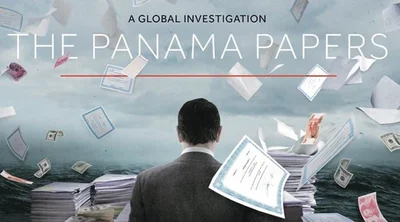 research →
A groundbreaking centralized platform is emerging to untangle the web of corporate influence on government, bridging fragmented data from lobbying, contracts, and stock trades. This innovation tackles the long-standing transparency gap that has kept citizens and journalists in the dark while insiders navigate complex, siloed systems. By connecting the dots across multiple databases, the tool promises to shine a light on hidden power plays and hold corporations accountable. The next step is widespread adoption and integration to transform how democracy is monitored and protected.
-
EU Faces Crypto Clash Over Control
 research →
The European Union is locked in a fierce debate over who should regulate its booming crypto sector. A proposal to centralize supervision under the European Securities and Markets Authority (ESMA) has split member states, with France, Austria, and Italy backing the move, while Malta resists, citing the new MiCA rules still settling in. This battle isn’t just bureaucratic—it will shape how Europe balances market unity, investor protection, and national power in crypto. The outcome will set a precedent for the continent’s digital financial future.


























War & Conflicts 11
-
Shia Militias Slam US Amid Iran Conflict
 research →
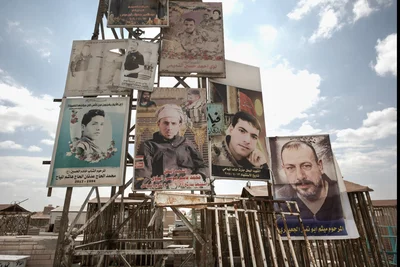
Shia militias in Iraq have fiercely criticized the US following the recent US-Israeli offensive against Iran, with groups declaring that Iran did not start the war. These militias, rooted deeply in cities like Fallujah and Mosul—symbols of past conflict and jihadist rise—are warning of a prolonged struggle that could push the US out of the region entirely. This backlash highlights Iraq's fragile political landscape, still haunted by past invasions and now caught in a new regional firestorm. As tensions escalate, Iraq’s future role in the Iran conflict remains uncertain, with the country teetering on the edge of deeper involvement.
-
Iran Snubs US 48-Hour Ceasefire Offer
 research →
Iran has flatly rejected a US proposal for a 48-hour ceasefire amid escalating conflict in the Middle East, according to semi-official sources. This refusal comes as Iran recently downed two US aircraft near the Strait of Hormuz, signaling a sharp intensification of hostilities. With regional mediators like Pakistan failing to broker peace and talks stalled, the war shows no signs of abating. Meanwhile, Turkey and Egypt are scouting alternative venues for potential negotiations, but Tehran remains steadfast against US demands.
-
Desert Heat Shapes Modern Warfare
 research →
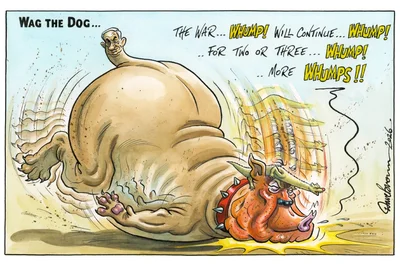
In a revealing insight, Brigadier SK Chatterji (Retd) explains how the brutal heat and shifting sands of the Arabian Peninsula actively influence military strategies in conflicts involving Saudi Arabia and the UAE. Far from being mere backdrops, these harsh environments degrade weapons and complicate operations, forcing strategists in Washington, Riyadh, and Abu Dhabi to rethink their tactics. This environmental factor, often overlooked in public debates, could decisively sway battlefield outcomes. As tensions simmer, understanding these natural challenges will be crucial for future military planning.
-
War Crimes Boldly Flouted in Middle East
 research →
The US, Israel, and Iran are brazenly dismissing international laws protecting civilians amid their ongoing conflict, marking a chilling shift from past leaders who at least feigned remorse. President Donald Trump openly rejected international law, claiming only his 'own morality' restrains him, while Defense Secretary Pete Hegseth prioritizes 'maximum lethality' over legality. Over 100 US legal experts have condemned these actions as potential war crimes, warning that the erosion of these norms threatens global order. The world now faces a critical test: reassert these protections or watch them crumble.
-
Lavrov Warns: Middle East Talks Under Threat
 research →
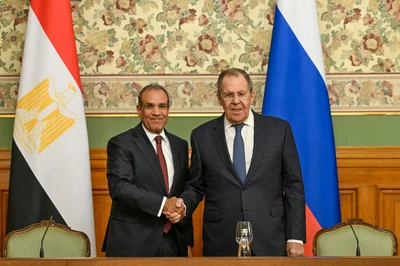
Russian Foreign Minister Sergey Lavrov has sounded the alarm over attempts to derail peace talks in the Middle East, highlighting that some actors don’t want a negotiated settlement on Iran. Speaking after meeting Egyptian Foreign Minister Badr Abdelatty, Lavrov emphasized the urgent need for a ceasefire and a return to diplomacy, warning that the Palestinian issue is being sidelined despite its ongoing significance. With Iran-US talks stalled and regional tensions high, the coming days will test whether diplomacy can overcome these obstacles or if conflict will deepen.
-
Trump Proposes $1.5T Defense Surge Amid Iran War
 research →
President Donald Trump has unveiled a staggering $1.5 trillion defense budget for 2027, marking the largest military spending request in decades. This 40% jump aims to sustain US operations in the costly Iran conflict, which reportedly burns through $2 billion daily. The plan also slashes domestic programs by 10%, shifting some duties to states, sparking a looming showdown in Congress over priorities. As the war drags on, this budget signals a sharp pivot toward military might over social spending.
-
Sahel Sees Terror Drop, But Danger Lingers
 research →
The 2026 Global Terrorism Index reveals a hopeful decline in terror attacks and deaths across the Sahel, including Burkina Faso, Mali, and Niger, marking a rare positive shift in a region long plagued by extremist violence. Yet, the Sahel still accounts for over half of global terrorism fatalities, highlighting persistent threats fueled by weak governance and poverty. Leaders like Assimi Goïta are ramping up regional military cooperation, but fragile states and ongoing instability mean the fight is far from won. Meanwhile, Burkina Faso faces grim human rights reports amid its brutal conflict, underscoring the complex challenges ahead.
-
US Carrier Surge Fuels Middle East Firestorm
 research →
The USS George H.W. Bush has joined three other American carriers in the Middle East amid escalating US-Israeli air strikes against Iran. This naval buildup marks a significant intensification of military pressure as Iran launches relentless missile and drone attacks in retaliation. The shadow of past Bush-era caution contrasts sharply with today's high-stakes confrontation, raising fears of a prolonged conflict. With President Trump hinting at a near end, the coming weeks will test whether diplomacy or destruction prevails.
-
UN Confirms Sexual Abuse by Haiti Peacekeepers
 research →
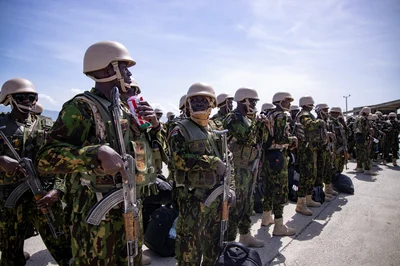
The United Nations has confirmed four new cases of sexual exploitation and abuse involving personnel from the Multinational Security Support Mission in Haiti, according to a recent report by Secretary-General António Guterres. These findings add to a troubling global pattern, with 568 such allegations recorded worldwide in 2025 alone. The revelations underscore ongoing challenges in holding peacekeepers accountable and protecting vulnerable communities. The UN faces mounting pressure to strengthen oversight and prevent further abuses in its missions.
-
Turkey’s Defense Exports Surge Past $1.9B
 research →
Turkey’s defense and aerospace exports soared to nearly $2 billion in Q1 2026, marking a 12.1% jump from last year, according to Haluk Görgün, head of the Defense Industries Presidency. This growth follows a record-breaking 2025 when exports hit over $10 billion, fueled by rising global demand and Türkiye’s push to reduce foreign reliance. With expanding production and international partnerships, the sector is poised to keep this momentum, signaling Türkiye’s rising clout in global defense markets.
-
Burkina Faso Leader Declares Democracy Dead
 research →
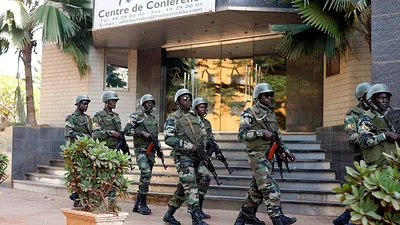
Ibrahim Traoré, Burkina Faso’s military ruler, has bluntly told his nation to 'forget democracy,' dismissing it as a failed system that brings violence and chaos. Since seizing power in 2022, Traoré has banned political parties and extended military rule until 2029, crushing hopes for a democratic return. His stance signals a deepening authoritarian grip amid ongoing jihadist violence, raising alarms from the UN about the country’s fragile future. The world now watches as Burkina Faso’s experiment with democracy appears to be unraveling.














Disasters & Emergencies 18
-
Deadly Floods Ravage Afghanistan, 51 Dead
 research →
At least 51 people have died and nearly 90 injured as relentless floods batter Afghanistan, devastating 18 provinces including Kabul and Kandahar. The National Disaster Management Authority warns the toll could rise as rescue teams reach isolated areas. Hundreds of homes and over 1,500 acres of farmland have been destroyed, displacing more than 800 families. With heavy rains continuing, the humanitarian crisis is deepening, demanding urgent aid and response.
-
Fire Erupts at ONGC Mumbai High Platform
 research →
A fire broke out on April 3 at ONGC's Mumbai High offshore oil platform, injuring 10 workers with minor burns. Thanks to swift emergency response, the blaze was quickly contained, and operations have since returned to normal. Mumbai High is a critical asset for India's oil production, so the incident raised immediate concerns about supply stability. ONGC is investigating the cause, aiming to prevent future flare-ups in this vital energy hub.
-
London Police Leave Guns on Street!
 research →
In a stunning security blunder, armed officers protecting London Mayor Sadiq Khan accidentally left a holdall packed with guns and a Taser on a south London kerb. The bag was discovered by a pregnant woman who kicked it, sensing something was wrong, before her partner confirmed the deadly contents. This shocking lapse happened amid nearby riots, raising serious questions about police vigilance. Five officers have been pulled from frontline duties as the Met Police launch a full investigation. The public and officials now await answers on how such a dangerous mistake could occur.
-
DOH Debunks Cicada Variant Lockdown Rumor
 research →
The Philippine Department of Health has firmly dismissed rumors of an emergency lockdown starting April 10, 2026, due to the new Covid-19 'Cicada' variant as fake news. Despite reports of the variant spreading among children in the US and Europe, the DOH warns Filipinos not to panic or believe false social media posts. This clarification comes amid growing global concern over the variant’s potential to evade vaccines. Authorities continue monitoring the situation closely to guide future health measures.
-
Southern California Wildfires Force Mass Evacuations
 research →
A fierce wildfire known as the Springs Fire erupted near Moreno Valley, Southern California, rapidly consuming over 3,500 acres amid strong winds gusting up to 50 mph. The blaze, which started Friday morning, has forced multiple evacuation orders as fire crews scramble with helicopters and hundreds of firefighters to contain the flames. With the cause still unknown and only 5% containment achieved by evening, authorities remain on high alert, racing against the wind to protect homes and communities. The situation is evolving, and residents are bracing for what could be a prolonged battle against the fire.
-
US Air Force’s High-Stakes Pilot Survival System Tested
 research →
After a US F-15E was shot down over Iran, spotlight falls on the Air Force’s cutting-edge survival system designed to save pilots in hostile territory. With one pilot rescued and the other missing, this incident underscores how vital the layered survival gear and rigorous SERE training are in life-or-death scenarios. The ongoing search and rescue mission highlights the stakes and the technology’s real-world trial under fire. What happens next could redefine pilot safety protocols in conflict zones.
-
Agentic AI Systems Battle Real-World Chaos
 research →
Agentic engineering systems—AI agents that autonomously code and deploy—are dazzling in demos but stumble in production. The shift from controlled tests to live environments exposes hidden technical debts like silent failures, signal fragmentation, and operational chaos. Developers are now sharing battle-tested resilience patterns, like circuit breakers for tool calls, to keep these AI agents alive and reliable. As these systems scale, mastering real-world complexity is the new frontier for AI-driven engineering.
-
Mayon Volcano Shakes with 52 Quakes
 research →
The restless Mayon Volcano in the Philippines rattled with 52 volcanic earthquakes and a dangerous pyroclastic density current over the past 24 hours, keeping it at Alert Level 3. Phivolcs warns that this avalanche of ash, rocks, and gas signals serious volcanic unrest, posing risks to nearby communities. With seismic activity intensifying, authorities remain on high alert, closely monitoring for any signs of eruption. The situation demands vigilance as the volcano’s next move could be critical.
-
Pune Floods Paralyze City Transport
 research →
Pune was hit by sudden, heavy rains that flooded streets and stalled nearly 100 PMPML buses, exposing the city's unpreparedness for such intense downpours. This unusual weather, driven by a rare low-pressure system and erratic jet stream activity, overwhelmed drainage and left commuters stranded. The disruption highlights urgent gaps in urban infrastructure and emergency planning ahead of the monsoon season. Authorities now face mounting pressure to upgrade systems before the rains return.
-
Deadly Blast Rocks Nizhnekamsk Plant
 research →
Seven workers have tragically died after an explosion and fire tore through the Nizhnekamskneftekhim synthetic rubber plant in Russia’s Tatarstan region. The blast happened while crews were fixing pressure issues, turning a routine repair into a deadly disaster. The company is now dismantling damaged structures and searching for any missing personnel. This grim event underscores ongoing safety challenges in Russia’s industrial sector and raises urgent questions about plant protocols moving forward.
-
Rajasthan Braces for Fierce Storm Surge
 research →
Rajasthan is under a severe storm alert today as heavy rains, hail, and gusty winds kick off a powerful weather system sweeping across north India. The storm, expected between 3 pm and 8 pm, threatens crops, traffic, and outdoor plans with winds up to 70 km/h and isolated hailstorms. Neighboring states like Haryana, Punjab, and Delhi will face the tempest later this evening, signaling a widespread weather upheaval. Residents are urged to stay alert as the storm moves eastward, promising a turbulent night ahead.
-
Sweden Boards Sanctioned Tanker After Baltic Spill
 research →
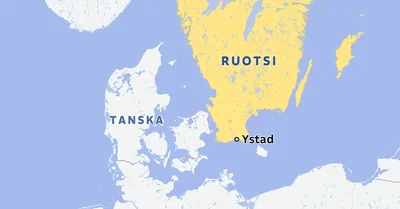
The Swedish Coast Guard boarded the tanker Flora 1 after detecting a 12-kilometer oil spill near Gotland, suspecting an environmental crime. The vessel, flagged ambiguously and listed under EU sanctions, was escorted to Ystad with 24 crew members on board. Authorities are probing the ship’s murky ties to Russia’s so-called 'shadow fleet,' notorious for evading sanctions amid geopolitical tensions. While the spill is not deemed major, Sweden is taking the incident seriously, signaling tighter scrutiny ahead.
-
Clapham Teens Spark Chaos with Mass Meet-Ups
 research →
A Snapchat flyer ignited a massive teen gathering in Clapham, south London, turning a basketball court meet-up into hours of chaos. Hundreds showed up, armed with weed and laughing gas, overwhelming local shops and sparking fights, including a brawl inside Marks & Spencer. The Metropolitan Police responded with a 48-hour dispersal order and arrested six teenage girls. Experts say these meet-ups reflect young people’s urgent need to connect, but the community and politicians are now grappling with the fallout. What’s next is a tense balance between safety and understanding youth culture.
-
Northwest India Braces for Heavy Rain, Chill
 research →
Northwest India is gearing up for a weather shake-up as the India Meteorological Department warns of heavy rain and hailstorms hitting the region on April 4, 2026. This powerful western disturbance will drench areas from the Himalayas to the plains, bringing thunderstorms and a notable drop in temperatures. Residents in Delhi, Gurgaon, and Noida should prepare for wet and stormy conditions. The next 24 hours will be critical as the storm systems peak, potentially disrupting daily life and travel.
-
Bengaluru’s Power Grid Buckles Amid Growth
 research →
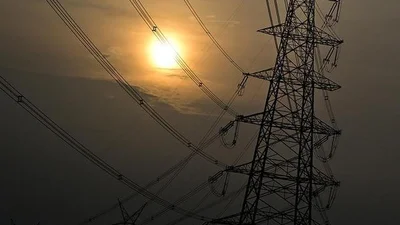
Despite regular maintenance efforts by KPTCL and BESCOM, Bengaluru residents face relentless power outages and voltage dips, often triggered by minor weather changes. The city’s aging infrastructure is clearly under strain as the population and vehicle count soar, with over 1.2 crore vehicles crowding roads and taxing utilities. This persistent power instability threatens daily life and economic activity, raising urgent questions about long-term solutions. Authorities now face mounting pressure to upgrade the grid before outages worsen.
-
Storm Goretti Devastates Cornwall’s Iconic Island
 research →
Three months after Storm Goretti unleashed 100mph winds on Cornwall’s St Michael’s Mount, the damage remains stark. The storm wiped out 80% of the island’s tree cover, uprooting centuries-old Monterey pines that towered like four-storey buildings. Islanders and gardeners like Jack Beesley are grappling with loss but see a chance to rethink and adapt the landscape for a stormier future. Recovery is slow, and plans for replanting are on hold as climate change looms large.
-
Gulf War Fires Darkened Skies, Chilled Climate
 research →
The Gulf War’s legacy goes beyond battle scars—weeks of burning oil wells in Kuwait blackened skies up to 600 km away and plunged temperatures by 10 degrees Celsius. As retreating forces set fire to oil fields, thick smoke and toxic rain reshaped the environment, leaving a dark stain on the region’s climate and soil. This environmental catastrophe reveals how warfare’s damage lingers long after ceasefires, with scientists still studying its lasting impact. The world watches as lessons from this disaster inform future conflict responses.
-
Storm Erminio Devastates Greece, Claims Life
 research →
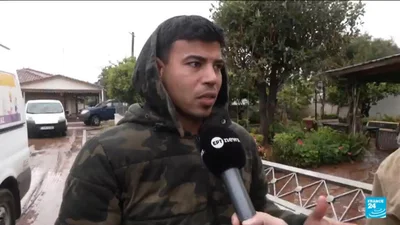
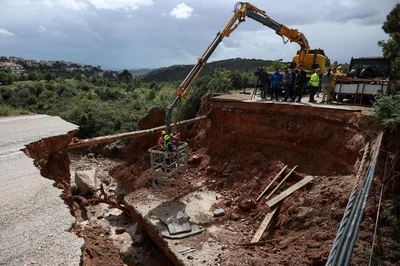
Storm Erminio unleashed fierce winds and torrential rains across Greece, killing one man in Nea Makri and flooding dozens of homes. Gale-force winds disrupted travel and downed trees, while Saharan dust cloaked Crete in an eerie orange haze. With emergency crews scrambling to repair damage, authorities warn more unsettled weather may follow, keeping the nation on edge.























Science 20
-
Bengaluru Startup Sparks Artificial Sun Dream
 research →
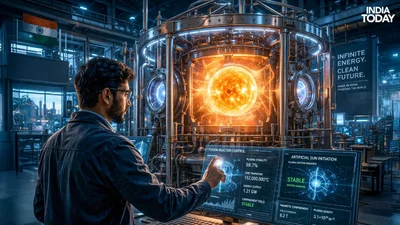
In Bengaluru, Pranos Fusion is racing to create an artificial Sun by harnessing nuclear fusion—the same process fueling stars. If they succeed, India could leapfrog energy crises like LPG shortages and soaring fuel costs, revolutionizing power generation. Founder Dr Shaurya Kaushal insists fusion is no longer just theory but an engineering reality poised to reshape the future. The world will be watching as this audacious experiment unfolds.
-
Gene Therapy Restores Hearing in Weeks
 research →
Karolinska Institutet and Chinese hospitals have achieved a breakthrough by reversing genetic deafness with a single gene therapy injection. Ten patients with mutations in the OTOF gene saw their hearing restored within weeks, a leap that could transform lives for millions born deaf. This therapy, published in Nature Medicine, offers hope for a future where congenital deafness is no longer permanent. Next steps include expanding trials and making the treatment widely accessible.
-
New AI Benchmark Reveals Brain-Like Models
 research →
Meta’s TRIBE v2 just got a powerful new ally: CortexLab, an open-source toolkit that rigorously measures how closely AI models mimic brain activity. By comparing models like CLIP and LLaMA against real fMRI data, CortexLab reveals which brain regions AI aligns with and how significant that match is. This breakthrough lets researchers finally quantify AI’s neural resemblance and could steer future AI design toward more human-like cognition. Expect more brain-inspired AI insights as CortexLab gains traction.
-
Gene Mutation Locks Schizophrenia Brain Circuit
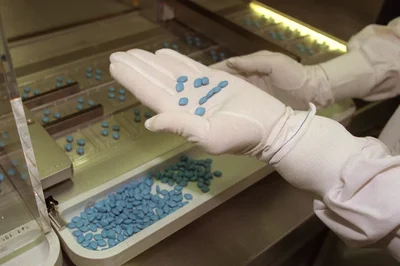 research →
Scientists at MIT have pinpointed a mutation in the grin2a gene that disrupts the brain’s ability to update beliefs with new information, a key challenge in schizophrenia. This breakthrough reveals why patients struggle to adapt to reality, deepening cognitive impairments. Targeting this faulty brain circuit could pave the way for therapies that restore clearer thinking. The discovery shines a hopeful light on treating schizophrenia’s toughest symptoms next.
-
Trump Slashes US Science Budgets Again
 research →
For the second year running, President Donald Trump has proposed deep cuts to US science funding, targeting agencies like the National Science Foundation and EPA with more than 50% budget reductions. NASA faces a staggering $5.6 billion cut, including a 23% slash to its science division, jeopardizing key space missions. These moves reflect the administration’s push to boost defense spending by $1.5 trillion while sidelining climate and clean energy programs. With fierce opposition brewing in Congress, the battle over America’s scientific future is just heating up.
-
Habitable Worlds Observatory Targets Alien Earths
 research →
The Habitable Worlds Observatory (HWO) is gearing up to revolutionize the search for Earth-like exoplanets by not just spotting them but weighing them first. According to a new study by Kaz Gary and colleagues, knowing a planet’s mass is crucial to confirm if it truly mirrors Earth’s habitability. This means HWO’s mission will combine stunning direct imaging with precise astrometry, pushing the boundaries of exoplanet science. The next step? Developing the technology to measure these distant worlds’ weights accurately and unlock the secrets of life beyond our solar system.
-
Inge Lehmann Unveils Earth’s Solid Core
 research →
In 1936, Inge Lehmann, a Danish seismologist, shattered old beliefs by discovering Earth’s inner core is solid, not liquid as previously thought. Her keen analysis of earthquake waves revealed a hidden, solid heart beneath our planet’s molten exterior, revolutionizing geophysics. Despite limited recognition outside science circles, Lehmann’s story is a testament to resilience and brilliance emerging against the odds. Today, her legacy inspires new generations to look deeper—both literally and figuratively—into our planet’s mysteries.
-
WA Museum Unveils Ocean’s Hidden Life
 research →
The WA Museum is diving deep into the mysteries of the Indian and Southern Oceans with its new OceanXperience exhibition. Over 20 years, their scientists have uncovered more than 500 new marine species, revealing astonishing biodiversity beneath the waves. Visitors can now step aboard the OceanXplorer ship virtually and witness the thrill of deep-sea expeditions firsthand. This exhibit not only celebrates discovery but also highlights the urgent need to protect these fragile ecosystems. Next up, the team plans more expeditions to expand our understanding of ocean life.
-
Rubin Observatory Uncovers 11,000+ Asteroids
 research →
In less than a year since opening, the Vera C. Rubin Observatory has stunned astronomers by discovering over 11,000 new asteroids, marking its largest haul yet. Beyond new finds, it also tracked more than 80,000 known asteroids, including some previously lost to uncertain orbits. This flood of data promises to reshape our understanding of the solar system, with much more analysis still underway. The discoveries are publicly accessible via the Rubin Orbitviewer, signaling a new era of asteroid tracking.
-
Scientists Unveil Hidden Giant Coral Reef
 research →
After more than a century of mystery, researchers have finally revealed stunning images of a massive coral reef lurking deep off Argentina’s coast. This underwater giant, possibly one of the world’s largest reef systems, thrives in the dark depths of the Mar Del Plata Submarine Canyon, over 3,500 meters below sea level. The discovery not only rewrites marine biology textbooks but also sparks urgent plans to protect and restore this vibrant ecosystem. With two expeditions in 2025 capturing breathtaking photos, scientists are now racing to ensure this hidden treasure survives the threats of climate change.
-
Rare Mountain Bongos Make Triumphant Return
 research →
Kenya celebrates as the critically endangered mountain bongo, Africa’s largest forest antelope, begins to reappear in its native montane forests. Once pushed to the brink by habitat loss and hunting, fewer than 100 were thought to survive in the wild. Conservation efforts led by groups like Chester Zoo are now showing promising signs of recovery, offering hope for this elusive, striped giant. The next challenge is sustaining these fragile populations amid ongoing environmental pressures.
-
Nanotube Injector Revolutionizes Cell Transfer
 research →
A breakthrough nanotube injector now enables the safe transfer of cytoplasmic contents and entire organelles between living cells, a feat previously out of reach. This innovation could transform how we understand tissue repair, cancer growth, and aging by directly manipulating cell interiors. Developed with precision, the technology opens doors to targeted cellular therapies and deeper biological insights. Next steps include refining the method for clinical applications and exploring its impact on regenerative medicine.
-
Domino Polymerization Sparks Plastic Revolution
 research →
Domino polymerization is shaking up the world of plastics by offering a fresh path to versatile, degradable materials. Unlike traditional plastics that linger for centuries, these new polymers break down in environments like the seafloor, tackling pollution at its root. This breakthrough could redefine how we design plastics, making them functional yet eco-friendly. The next step is scaling this innovation to replace stubborn single-use plastics clogging our planet.
-
New Mineral Honors Diamond Scientist Graham Pearson
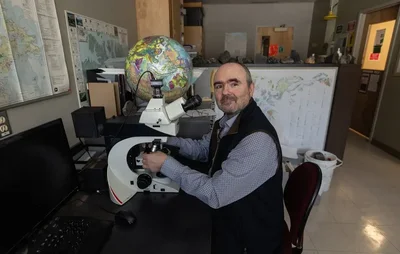 research →
A new mineral named Grahampearsonite has been officially recognized by the International Mineralogical Association, immortalizing the legacy of renowned mantle geochemist Graham Pearson from the University of Alberta. This calcium pyrophosphate mineral celebrates Pearson’s groundbreaking work on deep-mantle diamonds, which shed light on Earth's interior water content and composition. As minerals become rarer to discover, having one bear his name is a rare honor that cements his impact on geology. The discovery invites further exploration into Earth's hidden depths and the minerals that reveal its secrets.
-
New Gravity Theory Rewrites Big Bang
 research →
Physicists at the University of Waterloo and Perimeter Institute have unveiled a bold new theory called quadratic quantum gravity (QQG) that could simplify the Big Bang’s chaotic origins. Instead of a sudden singularity, QQG suggests the universe’s birth was a smoother, high-energy phase governed by a refined version of Einstein’s gravity. This breakthrough could finally bridge the stubborn gap between quantum mechanics and general relativity, reshaping our cosmic story. Next up: testing QQG’s predictions against observations to see if it truly rewrites the universe’s opening act.
-
500-Million-Year-Old Spider Claw Shakes Evolution
 research →
In Utah's West Desert, Harvard scientists uncovered a 500-million-year-old fossil revealing the oldest known spider claw, rewriting the timeline of chelicerate evolution by 20 million years. This tiny claw, part of the newly named Megachelicerax cousteaui, pushes back the origins of spiders, scorpions, and horseshoe crabs far deeper into the Cambrian era. The discovery not only challenges previous fossil records but also opens new avenues for understanding early marine predators. Researchers now aim to explore how these ancient creatures influenced the rise of complex life on Earth.
-
Fossils Rewrite Complex Life Origins
 research →
A stunning fossil discovery in China is shaking up the timeline of animal evolution. The trove, including over 700 specimens from the Ediacaran period, suggests complex animals emerged millions of years before the famed Cambrian explosion. This challenges the idea of a sudden evolutionary burst, hinting instead at a more gradual rise of complex life. Scientists now have a fresh lens on how life’s complexity unfolded, with more research poised to reshape evolutionary history.
-
Wrinkled Rocks Unveil Jurassic Microbial Life
 research →
In Morocco, geologist Rowan Martindale stumbled upon sedimentary rocks with a bizarre 'elephant skin' texture, revealing fossilized microbial mats dating back over 180 million years to the Early Jurassic. This discovery challenges previous assumptions about where such ancient microbial life could thrive, hinting at a dark ocean ecosystem far earlier than expected. Martindale’s find opens new windows into Earth’s deep past, with researchers eager to explore similar formations worldwide.
-
IAEA Launches Fusion Data Lake for AI Breakthroughs
 research →
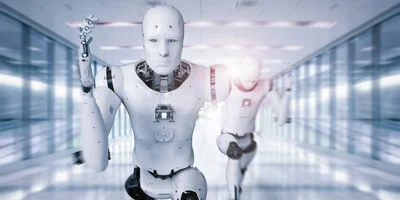
The IAEA has unveiled its ambitious Fusion Data Lake project, a cutting-edge platform designed to turbocharge AI and big data applications in fusion research. By uniting 24 institutions across 11 countries, this initiative aims to create an open, FAIR-compliant data infrastructure that fuels smarter AI models capable of powering future fusion reactors. The project’s proof of concept already links global fusion data, including the UKAEA's MAST catalog, promising a new era of collaboration and innovation. Next up: expanding this data federation to accelerate fusion energy breakthroughs worldwide.
-
DNA Breaks Free from Genetic Blueprint
research →
In a groundbreaking study published in Nature Chemistry, Professor Jongmin Kim and Ph.D. candidate Geonhu Lee at POSTECH have unveiled a novel platform where DNA operates beyond its traditional genetic role. Instead of encoding genes, DNA now acts as a precise cellular controller, opening new frontiers for biotechnology and medicine. This breakthrough could revolutionize how we manipulate cells without altering their genomes, signaling a bold new chapter in cellular engineering.












Health & Medicine 17
-
Age Limits IVF Success, Experts Warn
 research →
Despite the promise of IVF, age remains a critical barrier to fertility success, say specialists like Dr. Sandhya Ghode from Bengaluru. While IVF can boost chances, it can't fully counteract the natural decline in egg quality and quantity after the mid-30s. This reality reshapes how couples plan their families and highlights the need for early fertility awareness. The next step is spreading this vital knowledge so hopeful parents can make informed choices before time runs out.
-
Rural Hospitals Face Funding Crisis
 research →
In Creighton, Nebraska, the Saint John family relies on their local hospital to manage their child's complex health needs, but the facility now teeters on financial collapse. Despite a massive $50 billion rural health fund, many critical access hospitals like Avera Creighton see little relief, exposing a harsh reality for millions in rural America. This funding gap threatens essential care and raises urgent questions about the future of rural healthcare. Communities and policymakers must act fast to prevent more life-threatening closures.
-
US Health Aid Shake-Up Threatens HIV Fight
 research →
The US is overhauling its decade-old health supply chain program that has delivered over $5 billion in HIV and malaria drugs to 90 countries, mainly in Africa and Asia. This shift, confirmed by internal emails, orders a halt to the program in 17 African nations and Haiti by May 30, sparking fears of disrupted treatment for millions. With essential antiretroviral drugs and bed nets at risk, global health experts warn this could unravel years of progress against deadly diseases. The world now watches closely to see how Washington will stabilize this critical lifeline.
-
Apple Watch Revolutionizes Health Tech
 research →
Apple Watch Series 4 changed the game in 2018 by introducing FDA-cleared atrial fibrillation detection, turning a fitness gadget into a potential lifesaver. Unlike earlier trackers that just counted steps, it brought medical-grade heart monitoring to the wrist, sparking debates among doctors and critics alike. Today, Apple Watch remains a cornerstone of modern health tech, blending smart features with serious health insights. Next up: integrating this data into smarter health graphs for deeper wellness understanding.
-
India Revisits Birth Control in Welfare Debate
 research →
A new study from IIT-Guwahati reveals how India’s 1965 maternity benefit laws were tightly linked to population control efforts, spotlighting advocate Shakuntala Paranjpye’s push to limit benefits to two children. This historical insight gains fresh relevance amid the 2019 Population Regulation Bill discussions proposing incentives for two-child families. The research underscores the ongoing tension between welfare and demographic policies in India’s legislative arena. As debates heat up, this study adds critical context to how birth control shapes social welfare today.
-
Workers Choose Pay Over Health Risks
 research →
A new analysis reveals a stark trade-off: many workers are accepting high-paying jobs despite serious physical dangers. Financial pressures and stagnant wages push people toward risky roles, highlighting a grim reality where money often outweighs well-being. This trend exposes the harsh underbelly of modern work culture and raises urgent questions about labor protections. Experts warn that without systemic change, more workers will face harm for a paycheck.
-
Anthropic Snaps Up Biotech AI Startup
 research →
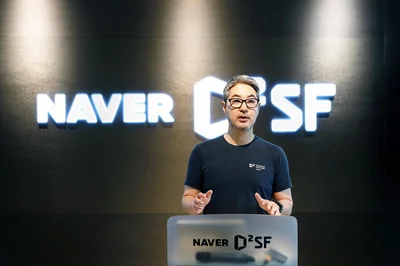
Anthropic has acquired the stealth biotech AI startup Coefficient Bio in a stunning $400 million all-stock deal, despite the company having fewer than 10 employees and no public product. This bold move signals Anthropic’s deepening bet on AI-driven drug discovery, leveraging top talent from Genentech’s elite computational biology team. With founders like Samuel Stanton and Nathan C. Frey bringing cutting-edge expertise, Anthropic is turbocharging its healthcare ambitions. The integration of Coefficient Bio’s team is set to accelerate breakthroughs in life sciences powered by AI.
-
Utah Lets AI Prescribe Psychiatric Drugs
 research →
In a groundbreaking move, Utah has launched a pilot allowing an AI chatbot from Legion Health to renew psychiatric drug prescriptions without a doctor’s approval. This bold experiment aims to cut costs and ease mental health care shortages by offering patients quick refills for a $19 monthly fee. However, doctors warn the system’s opacity and risks could limit its real-world benefits. The program kicks off this April, with a waitlist already open for eager patients.
-
Viagra Ingredient Offers Hope for Deadly Childhood Disease
 research →
A breakthrough study from German researchers reveals that sildenafil, the key compound in Viagra, could treat Leigh syndrome, a rare and fatal childhood disease. In just months, six patients showed improved muscle strength and neurological function, a beacon of hope for a condition that currently has no approved treatments and kills half of affected children before age three. This discovery could transform lives for the 1 in 36,000 children worldwide suffering from Leigh syndrome, with further trials expected to follow.
-
AI’s Legal Blunder Shakes Indian Courts
 research →
In a stunning revelation, an AI tool fabricated four legal precedents in a land dispute case in Andhra Pradesh, fooling a judge until the Supreme Court exposed the error. This isn’t just a slip-up—it’s been branded as judicial misconduct, triggering alerts to India’s top legal authorities and the Bar Council. With nearly 60 million cases backlogged, the judiciary’s rush to adopt AI tools raises urgent questions about accuracy and accountability. The coming months will be critical as India grapples with integrating AI without compromising justice.
-
Trump’s 100% Drug Tariffs Shake Pharma
 research →
The Trump administration has slapped a staggering 100% tariff on patented pharmaceuticals, aiming to force drugmakers into confidential pricing and U.S. manufacturing deals. This bold move extends pressure from big pharma giants to smaller biotech firms, pushing them to cut prices or face steep tariffs. Industry insiders are watching closely to see how many companies will cave and sign on. The stakes are high: this could reshape drug pricing and domestic production in America.
-
AI Powers Breakthroughs in Disease Treatment
 research →
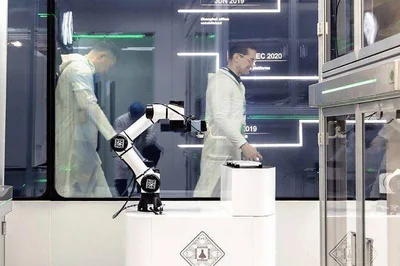
AI is reshaping medicine in astonishing ways—from a man using ChatGPT to craft a custom cancer vaccine for his dog, to new antiviral pills targeting multiple viruses at once. These advances come at a critical time as antibiotic resistance threatens millions worldwide, with deaths projected to soar to over eight million by 2050. The fusion of AI and biotech promises faster, smarter solutions where traditional methods have stalled. Next up: clinical trials and wider access that could redefine how we fight infections and cancer.
-
NASA’s Artemis II Revolutionizes Space Medicine
 research →
NASA’s Artemis II mission is not just a moonshot—it’s a giant leap for space medicine. The mission carries the groundbreaking AVATAR experiment, sending organs-on-a-chip to orbit the moon and return, to uncover how space radiation and microgravity impact human cells. This research is crucial for safeguarding astronauts on future deep-space missions and lunar habitats. The findings from Artemis II could redefine how we protect human health beyond Earth, paving the way for longer, safer journeys into the cosmos.
-
WHO Revamps Opioid Addiction Fight
 research →
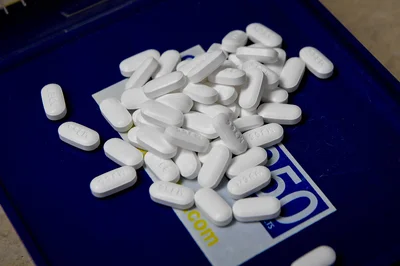
The World Health Organization just dropped updated global guidelines targeting opioid addiction and overdose management, spotlighting a worsening crisis. With 61 million people misusing opioids like fentanyl and oxycodone in 2023, and opioids linked to 450,000 deaths annually, the stakes couldn’t be higher. This move aims to close treatment gaps worldwide and could reshape how communities tackle the epidemic. Next up: countries must adopt these guidelines to turn the tide on opioid fatalities.
-
World Autism Day Sparks Calls for Inclusion
 research →
On April 2nd, World Autism Awareness Day spotlighted the urgent need for greater inclusion and understanding of people on the autism spectrum. Oluremi Tinubu, Nigeria’s First Lady, emphasized dignity and respect for autistic individuals, while Canadian experts highlighted challenges in systems built for neurotypical people. With autism affecting at least 1 in 50 Canadian children, the day underscored the importance of dispelling myths and creating supportive environments. As Autism Awareness Month unfolds, advocates push for real change in policies and public perception worldwide.
-
Florida IVF Clinic Shuts After Embryo Mix-Up
 research →
The Fertility Center of Orlando in Florida is closing its doors amid a scandal where a couple discovered their newborn was not biologically theirs due to an embryo mix-up. Tiffany Score and Steven Mills sued the clinic after genetic testing revealed the shocking error, sparking legal and financial turmoil for the center. This case highlights the risks in fertility treatments and raises urgent questions about clinic oversight. The closure leaves many wondering how such a critical mistake could happen and what protections future patients will have.
-
5-Day Diet Eases Crohn’s Symptoms Fast
 research →
A groundbreaking study from Stanford Medicine reveals that a short, 5-day calorie-restricted diet can significantly ease symptoms and reduce inflammation in people with mild-to-moderate Crohn’s disease. This is a rare win in a field where dietary advice has long been murky and inconclusive. Patients not only felt better but showed real biological improvements, offering hope for clearer treatment paths. Next up: broader trials to confirm and refine this promising approach.
















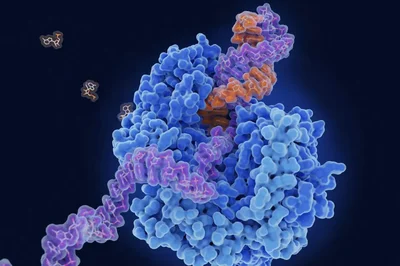








Crime & Justice 17
-
Ocean Rescue Uncovers Massive Drug Plot
 research →
A dramatic ocean rescue off Victoria’s coast has unraveled a sprawling drug smuggling operation involving nine men charged with conspiring to import tonnes of cocaine and methamphetamine. The 10-month investigation by Australian Federal Police and other agencies exposed a ‘mother ship’ scheme using a commercial trawler to ferry drugs into Australia, then distributing them nationwide via trucking networks. Seven of the accused face life imprisonment if convicted. Authorities are now tightening maritime surveillance to prevent similar high-seas drug runs.
-
Labour Plans Could Free 12,000 Shoplifters
 research →
Under new Labour government sentencing reforms, up to 12,000 of the UK's most prolific shoplifters may avoid jail, sparking alarm among retailers. The changes, limiting prison terms under one year, come amid rising shoplifting rates—up 5% to over 519,000 offences last year. Supermarket bosses warn of escalating violence and chaos, demanding security guards be armed with pepper spray and truncheons. With prison overcrowding eased but crime surging, the government faces pressure to balance justice and public safety.
-
Canada’s Gun Control Faces Sharp Criticism
 research →
Canada’s biggest gun control push in decades is drawing fire for its fragmented rollout and lack of cohesion, experts say. Following the 2020 Nova Scotia mass shooting, the government proposed a gun buy-back program, but critics like Negin argue it’s disconnected from other vital interventions. This disjointed approach risks undermining public safety efforts just when Canadians are demanding stronger action. The coming months will reveal if Ottawa can stitch together a more effective strategy or face growing backlash.
-
Fraud-Linked Bank Accounts Nearly Double
 research →
Bank accounts tied to financial fraud have surged to over 7,700 in the first quarter of 2026, nearly doubling from last year’s 3,784, according to the Financial Supervisory Service. Despite intensified regulatory warnings and crackdowns, scams like voice phishing continue to exploit banking vulnerabilities, with iM Bank, Hana, and Woori among the hardest hit. This spike signals that current prevention efforts aren’t enough, pushing authorities to rethink strategies as fraudsters evolve.
-
Feds Bust $50M Fake Hospice Scam
 research →
Federal agents in Los Angeles have arrested eight people, including nurses and a chiropractor, accused of running a $50 million hospice fraud scheme. The scam allegedly involved signing up healthy patients for end-of-life care they didn’t need, then billing Medicare for fake treatments. This crackdown exposes a brazen theft from taxpayers and signals tougher enforcement ahead. Prosecutors warn those involved face years behind bars as the government clamps down on health care fraud.
-
War Hits Iran’s Civilian Lifelines Hard
 research →
The ongoing war in Iran has relentlessly targeted civilian infrastructure, from schools and hospitals to bridges and power plants. Over 90,000 homes and more than 300 medical facilities have been damaged or destroyed, with the conflict escalating after a U.S. fighter jet was downed. Despite international laws protecting civilians, both sides, including the U.S., Israel, and Iran, continue to strike critical civilian sites, deepening the humanitarian crisis. With threats intensifying, the region faces a grim outlook as infrastructure destruction shows no sign of abating.
-
Nelson Man Jailed for Child Abuse Crimes
 research →
Louis Blaise Fleming, 32, was sentenced to three and a half years in prison after being caught with over 1900 files of child sexual abuse material, including images of victims as young as six. His disturbing online admissions revealed a desire to abuse children and actual offenses against teenagers. The Department of Internal Affairs led the investigation that uncovered his crimes, highlighting ongoing efforts to combat child exploitation in New Zealand. Fleming’s sentencing sends a stark warning, but authorities stress vigilance must continue to protect vulnerable children.
-
DNA Breakthrough Solves Ted Bundy Cold Case
 research →
After more than 50 years, DNA evidence has finally linked serial killer Ted Bundy to the 1974 murder of Laura Ann Aime, a 17-year-old Utah teen. Bundy, who confessed to 30 murders before his 1989 execution, may have been responsible for many more, and this breakthrough sheds new light on his chilling legacy. The preserved DNA sample matched Bundy's profile in a national database, closing a decades-old mystery and reigniting efforts to revisit other cold cases. Authorities now hope this advance will bring justice to more victims long forgotten.
-
Panama Papers: A Decade of Shaking Power
 research →
On April 3, 2016, the Panama Papers leak exposed a vast offshore network hiding wealth of the global elite, sparking a worldwide crackdown on tax evasion. The revelations led to over $1.36 billion recovered in taxes, toppled political leaders, and new transparency laws, notably in Nigeria. Ten years later, the scandal reshaped global finance and continues to fuel reforms and investigations across continents.
-
Prison Rap Star Sparks Investigation
 research →
A gang member behind bars has recorded rap songs that have gone viral online, sparking a prison investigation. Over the past six months, five music videos featuring his voice have racked up more than 50,000 views each on YouTube and over 100,000 streams on Spotify. Authorities suspect the inmate may have used the prison phone system to record vocals, a method under close scrutiny. The Department of Corrections is probing how the music was made and distributed, promising accountability for any rule breaches. This case highlights the unexpected ways inmates can reach audiences beyond prison walls.
-
Cambodia Cracks Down on Cyber Scams
 research →
Cambodia’s parliament has passed a groundbreaking cybercrime law targeting scam centers that have defrauded billions globally. The new legislation, backed unanimously by lawmakers, threatens life imprisonment for kingpins behind these illicit networks, many linked to crypto fraud. Justice Minister Keut Rith emphasized the law’s strictness to protect Cambodia’s economy and reputation. The bill now awaits royal assent from King Norodom Sihamoni, marking a major step in the country’s fight against cybercrime.
-
UK Police Bust £40M Vietnamese Trafficking Ring
 research →
Armed officers from the National Crime Agency raided homes across the UK, arresting three suspects linked to a £40 million trafficking ring that smuggled 1,000 Vietnamese migrants into Britain. The 25-year-old woman caught in Wrexham is accused of laundering money, while two men were detained in Newcastle and Birmingham for organizing smuggling and managing migrant accommodation. This crackdown exposes the dark underbelly of human trafficking networks exploiting vulnerable migrants. Authorities vow to continue dismantling these operations to protect communities and uphold the law.
-
DOJ Faces Fallout Over Voter Data Sharing
 research →
The U.S. Department of Justice is under fire after revelations about controversial voter data sharing practices. Critics argue these actions threaten election integrity and privacy, sparking bipartisan outrage. With mounting pressure, the DOJ promises a full review, but trust in the agency is already shaken. The coming weeks will reveal if reforms or investigations follow.
-
Young Adults Facing Life Sentences Surge
 research →
The number of young adults aged 18-20 receiving life or indeterminate prison sentences has nearly doubled over the past decade, rising from 30 in 2014 to 50 in 2024, according to The Independent. Now, 6% of young inmates serve life terms, triple the rate from ten years ago. Experts warn many of these youths have traumatic backgrounds and call for specialized support to address their complex needs. This alarming trend raises urgent questions about justice and rehabilitation for society’s most vulnerable offenders.
-
Trump Ousts Attorney General Bondi Amid Epstein Fallout
 research →
President Donald Trump has fired Attorney General Pam Bondi after a turbulent tenure overshadowed by controversy over the handling of the Jeffrey Epstein investigation. Bondi faced mounting criticism from victims, lawmakers, and Trump allies alike for her department’s failure to fully disclose Epstein-related files and stalled prosecutions. Despite Trump’s praise calling her a “Great American Patriot,” her departure signals a shakeup in the Justice Department’s leadership. The next chapter will focus on who steps in to restore confidence in the DOJ’s commitment to justice.
-
US Hands Over Chinese Drug Fugitive in Breakthrough
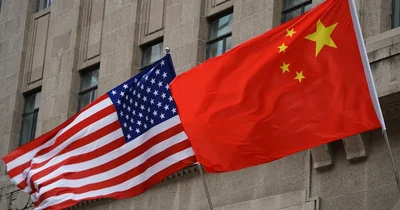 research →
In a rare move signaling warming ties, the United States has repatriated a Chinese national suspected of drug trafficking, marking the first such extradition in years. The suspect, known as Han, is linked to smuggling activities amid the deadly fentanyl crisis that has devastated US communities. This handover, facilitated by ICE and Chinese narcotics authorities, hints at new momentum in bilateral efforts to combat drug trafficking. With President Trump's visit to China looming in May, this cooperation could pave the way for deeper law enforcement collaboration.
-
Korea Cracks Down on Illegal FX Trading
 research →
South Korea’s Ministry of Economy and Finance, led by Minister Koo Yun-cheol, has launched a fierce crackdown on illegal foreign exchange trading and the spread of false information that threatens market stability. A pan-government task force, including intelligence and financial agencies, is now coordinating to detect underground FX activities and swiftly prosecute offenders. This move comes amid growing concerns over currency volatility and aims to protect the integrity of Korea’s financial markets. Officials vow to intensify enforcement and share intelligence to prevent further disruptions.

















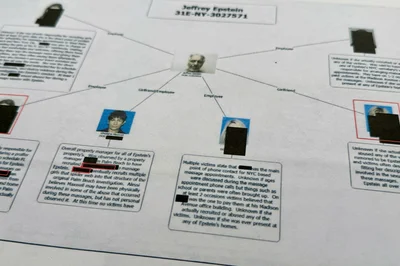






Cybersecurity & Privacy 20
-
Claude Code Uncovers 23-Year Linux Bug
 research →
Nicholas Carlini of Anthropic stunned the tech world by using Claude Code to unearth a Linux kernel vulnerability that had lurked unnoticed for 23 years. This breakthrough reveals AI’s growing muscle in cybersecurity, finding bugs even top experts miss. Carlini’s simple prompt to Claude Code—“Where are the security vulnerabilities?”—exposed multiple remotely exploitable flaws, a feat he called “very, very, very hard” before. As AI tools like Claude Code sharpen, expect a new era of automated bug hunting and safer software.
-
OpenClaw Flaw Lets Hackers Seize Control
 research →
OpenClaw just patched a jaw-dropping security hole, CVE-2026-33579, that let attackers escalate privileges with a simple
/pair approvecommand. This flaw allowed anyone with pairing access—even without admin rights—to hijack entire systems by exploiting a critical trust gap in device registration. With over 347,000 GitHub stars, OpenClaw’s broad access made this a ticking time bomb for users worldwide. The fix is out now, but this episode is a stark reminder: when AI tools get too much trust, the fallout can be massive. -
AI Security Crumbles Amid Wild Adoption
 research →
In 2026, 73% of enterprises are running AI systems without proper security, sparking a looming crisis. From unchecked prompt injections to poisoned training data, companies are flying blind as AI quietly infiltrates every corner of business. One semiconductor giant uncovered 1,600 unauthorized AI tools in use, revealing a chaotic landscape where enthusiasm outpaces control. Experts warn the fallout could be massive, with compromised AI decisions impacting operations and compliance. The urgent question: can governance catch up before disaster strikes?
-
AI Upends Vulnerability Research Overnight
 research →
The world of vulnerability research is facing a seismic shift as AI frontier models like coding agents begin to automate exploit discovery. Thomas Ptacek warns that soon, simply instructing an AI to 'find me zero days' could replace months of painstaking work, transforming both the practice and economics of security research. This rapid leap threatens to disrupt traditional methods and could flood the market with new vulnerabilities. Experts are racing to adapt as AI reshapes cybersecurity’s frontline.
-
Meta Halts Mercor Ties After AI Data Breach
 research →
Meta has hit pause on all projects with Mercor following a serious data breach that exposed sensitive AI training secrets. This move sends shockwaves through the AI world, as Mercor is a key player supplying proprietary datasets to giants like OpenAI and Anthropic. The breach raises fears over leaked trade secrets that could reshape AI competition globally. Now, Meta and other labs are scrambling to assess the fallout and rethink their partnerships with Mercor.
-
LinkedIn Secretly Scans 6,000+ Browser Extensions
 research →
LinkedIn, owned by Microsoft, is covertly scanning visitors’ browsers for over 6,000 Chrome extensions, collecting sensitive data linked to real user profiles, a new report reveals. Dubbed “BrowserGate,” this practice targets competitors’ tools and extracts corporate customer lists without users’ knowledge. This raises serious privacy alarms as LinkedIn reportedly uses this data to enforce its market dominance. Expect growing scrutiny and calls for transparency as the fallout unfolds.
-
AI Prompt Injection: Hidden Security Nightmare
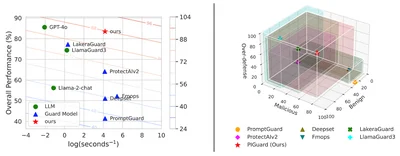 research →
On April 1, 2026, the Center for Internet Security sounded the alarm on a sneaky new threat: indirect prompt injection attacks targeting AI agents. These attacks hide malicious instructions inside trusted documents, tricking AI into leaking sensitive data like API keys without any user interaction. With over 21,000 vulnerable AI instances already exposed, this isn’t just a glitch—it’s a ticking time bomb for organizations relying on generative AI. Experts are racing to develop smarter defenses like PIGuard, which promises to cut false alarms and catch these covert hacks before they wreak havoc.
-
China’s TA416 Revives Phishing Blitz in Europe
 research →
TA416, a China-linked hacking group, has reignited a stealthy phishing campaign targeting European governments and diplomatic missions since mid-2025. Using crafty tricks like abusing Cloudflare Turnstile pages and OAuth redirects, they’ve deployed their custom PlugX malware to spy on EU and NATO entities. With tensions flaring in the Middle East, TA416 has also shifted focus to gather intelligence amid the U.S.-Israel-Iran conflict. Cybersecurity experts warn this evolving threat signals a new wave of geopolitical cyber espionage that won’t fade anytime soon.
-
Hims & Hers Support Hack Exposes Customer Data
 research →
Hims & Hers, a leading U.S. telehealth company, revealed a data breach after hackers infiltrated its third-party customer support platform, Zendesk, in early February 2026. The attackers accessed support tickets containing personal details, though medical records reportedly remained safe. This breach highlights the vulnerabilities in outsourced service platforms that handle sensitive healthcare information. As investigations continue, customers are urged to monitor their accounts closely for suspicious activity.
-
Phishing Scams Evolve, Tech Fights Back
 research →
Phishing attacks are getting scarier and smarter, as shown by a recent case where a fintech engineer was duped by a near-perfect fake GitHub login page. These scams exploit human trust and sophisticated tech tricks, like weaponized Slack webhooks and cloned sites, to steal sensitive data. Meanwhile, threat groups like China-linked TA416 are targeting governments with advanced phishing tools amid geopolitical tensions. But there’s hope: new automated detection and takedown systems using AWS Lambda and AI are streamlining defenses, promising faster responses to these digital threats.
-
Citrix NetScaler Hit by Rapid Memory Leak Exploit
 research →
Citrix NetScaler appliances are under active attack due to a critical vulnerability, CVE-2026-3055, that leaks sensitive admin session tokens through a memory overread bug. Dubbed “CitrixBleed 3.0,” this flaw has a high severity score of 9.3 and was exploited in the wild just a week after disclosure, prompting urgent patching advisories. If you run NetScaler ADC or Gateway with SAML, immediate updates are essential to block attackers from hijacking your sessions. The swift exploitation highlights ongoing risks in enterprise VPN and ADC devices, signaling a tense security landscape ahead.
-
Linux AppArmor Bugs Expose 12M Systems
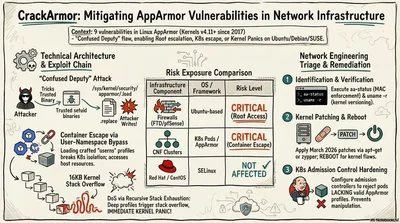 research →
Nine critical AppArmor kernel bugs, uncovered after lurking since 2017, let attackers escalate privileges, break container walls, and crash Linux systems. Dubbed CrackArmor by researchers at Qualys, these flaws hit every kernel from version 4.11 onward, putting over 12.6 million Linux instances—especially on Ubuntu, Debian, and SUSE—at serious risk. If you run Kubernetes nodes or enterprise Linux, patching is urgent to stop potential root takeovers and system chaos. The clock is ticking for admins worldwide to lock down their defenses.
-
Qilin Ransomware Hits German Left Party
 research →
Die Linke, Germany’s democratic socialist party, confirmed that the notorious Qilin ransomware group infiltrated its network and stole sensitive internal data. While the party insists its membership database remains safe, the hackers threaten to leak employee information, raising alarm about political cyberattacks in Europe. With 64 Bundestag members and over 123,000 members nationwide, the breach could have serious implications for party operations and privacy. The next step is watching how Die Linke and German authorities respond to this escalating digital threat.
-
Ransomware Strikes: Hospitals, Banks, Factories Halted
 research →
In early 2026, ransomware attacks crippled critical systems from the University of Mississippi Medical Center to BridgePay's payment network, forcing canceled treatments and frozen transactions. With a staggering 49% surge in attacks in 2025 alone, ransomware is no longer just a cyber threat but a direct business crisis disrupting healthcare, finance, and manufacturing. As paper workflows replace digital systems and production lines grind to a halt, organizations face urgent pressure to bolster defenses or risk further chaos.
-
Hackers Snatch 3.4M Health Records
 research →
A stealthy cyberattack on TriZetto, a behind-the-scenes health tech firm, has exposed personal and medical data of over 3.4 million Americans. This breach spotlights the hidden vulnerabilities in healthcare’s digital backbone, raising alarms about how long hackers can lurk undetected. With HIPAA rules demanding swift action, the fallout could reshape security protocols across the industry. Experts now watch closely as investigations unfold and defenses tighten.
-
Trivy Hack Exposes EU Cloud Breach
 research →
The European Commission’s cloud platform was breached via a supply chain attack on the popular vulnerability scanner Trivy, confirmed by CERT-EU. This sophisticated hack trojaned LiteLLM, an AI library, allowing attackers to steal credentials from over 1,000 SaaS environments. The incident reveals a new, alarming vector where trusted security tools become the weapon, shaking up how we think about software and AI supply chain risks. With investigations ongoing, the cybersecurity world braces for more fallout from this unprecedented breach.
-
Third-Party Risks Widen Security Breaches
 research →
The biggest security threat today isn’t inside your client’s walls but lurking in their trusted vendors and SaaS tools, warns Cynomi. Their new guide reveals how third-party risk management (TPRM) has become a frontline defense, not just a checkbox. As client data spills beyond traditional perimeters into sprawling external ecosystems, companies unprepared for this shift face growing vulnerabilities. The next wave of cyberattacks will exploit these unseen cracks, making TPRM a critical battleground for MSPs and MSSPs aiming to protect and grow.
-
Mobile Threats Surge as Enterprises Lose Grip
research →
A new wave of mobile security risks is sweeping enterprises as Shadow AI hidden in everyday apps exploits outdated devices and zero-click vulnerabilities. This stealthy threat is expanding the mobile attack surface beyond traditional defenses, leaving companies scrambling to catch up. Experts warn this unseen danger could lead to major breaches unless organizations urgently update their mobile security strategies.
-
Drift Loses $285M in Sophisticated Social Hack
 research →
Drift Protocol, a major Solana-based DeFi exchange, suffered a staggering $285 million heist on April 1, 2026, through a cunning social engineering attack exploiting durable nonce accounts. The hackers didn’t break code vulnerabilities or steal seed phrases; instead, they manipulated multisig approvals and pre-signed transactions to seize admin control and drain funds. This breach highlights a new, complex threat vector in decentralized finance, forcing Drift to halt deposits and withdrawals while scrambling to contain the fallout. The crypto world now watches closely as Drift coordinates with security firms to recover and reinforce defenses.
-
Engineer Locks 254 Servers in Extortion Plot
 research →
Daniel Rhyne, a former infrastructure engineer, admitted to hijacking his employer’s network by locking out admins from 254 servers and over 3,000 workstations in a brazen extortion attempt. Using stolen admin credentials, he changed hundreds of passwords to 'TheFr0zenCrew!' and disrupted operations across the company’s Windows domain. This chilling insider attack highlights the risks companies face from trusted employees with deep system access. Authorities are now investigating the full scope of the damage and potential accomplices.

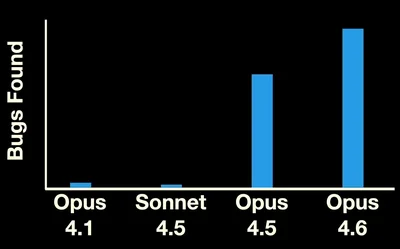









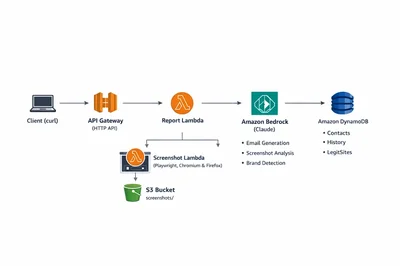








Energy & Climate 19
-
US Sparks Nuclear Energy Comeback
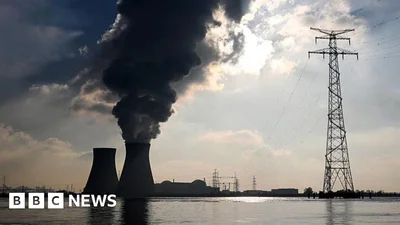 research →
The United States is reigniting its nuclear energy ambitions with 94 reactors currently powering nearly 20% of the nation's electricity—the highest reactor count worldwide. MIT's Dean Price highlights the urgent need to expand nuclear capacity as a clean alternative to fossil fuels amid growing energy demands. This nuclear renaissance could reshape America's energy future, reducing carbon emissions and boosting energy security. The next step: training more nuclear engineers to sustain and grow this vital infrastructure.
-
Energy Stocks Surge Amid Market Woes
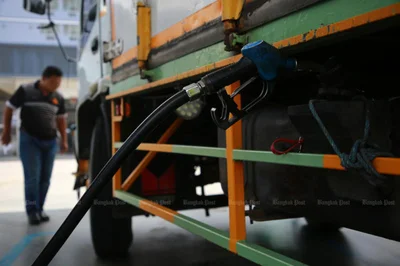 research →
Energy stocks powered through Q1 2026, outshining broader markets thanks to tight supply, strong cash flow, and disciplined spending across upstream, midstream, and refining sectors. This surge highlights the sector’s resilience amid global volatility and rising fuel costs. Investors are now eyeing dividend yields from giants like Western Midstream Partners as energy remains a bright spot. The question is whether this momentum can hold as global fuel prices continue to fluctuate wildly.
-
Singapore Faces $100 Billion Climate Bill
 research →
Singapore has declared 2026 the Year of Climate Adaptation, unveiling bold plans to shield itself from climate threats. The Ministry of Sustainability and the Environment is rolling out coastal defenses, investing $40 million in heat research, and boosting farm support by $70 million. But the price tag is staggering — the city-state estimates it will need to spend $100 billion over the long term just to combat rising sea levels. The big question now: who will foot the multi-billion-dollar bill to keep Singapore climate-resilient?
-
AI Surge Sparks Power Plant Race
research →
The AI boom is triggering a fierce battle over how to power massive data centers, with tech giants like Microsoft, Google, and Meta investing billions in on-site natural gas plants. This shift toward energy 'islands' challenges traditional grid reliance as data centers demand electricity rivaling entire cities. Experts predict on-site power could soon supply up to 50% of new data center capacity, reshaping energy infrastructure. The race is on to balance immediate AI energy needs with a future green grid.
-
Asia Markets Surge on Hormuz Hope
 research →
Asian markets jumped sharply on Good Friday, with Japan’s Nikkei up 1.4% and South Korea’s KOSPI soaring 2.7%, fueled by news that Iran and Oman are drafting a protocol to manage tanker traffic through the strategic Strait of Hormuz. This move hints at a possible partial reopening of the vital oil route, easing fears of prolonged disruption amid ongoing regional conflicts. The development could reshape energy flows and stabilize prices, offering a rare glimmer of optimism in a tense geopolitical landscape. Investors will be watching closely as negotiations between Tehran and Muscat unfold.
-
Iran War Strangles Global Economy
 research →
The US-Israeli assault on Iran, ignited on February 28, has unleashed a devastating economic ripple far beyond the battlefield. Europe and Asia are reeling from energy shortages and soaring inflation after Iran blocked the vital Strait of Hormuz, a key artery for global oil and gas. Meanwhile, the US seeks a staggering $1.5 trillion defense boost to sustain its war efforts. As missile strikes cripple Gulf industries and shipping grinds to a halt, the world braces for a prolonged economic storm with no clear end in sight.
-
War Dries Up West Asia’s Water Lifeline
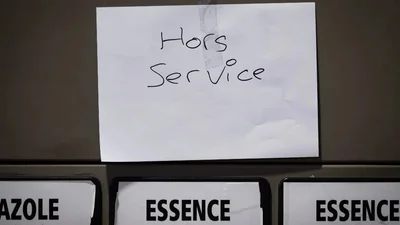 research →
The brutal war raging across West Asia is deepening a dire crisis: water scarcity. With 83% of the population already living under extreme water stress, the region—home to over 100 million reliant on desalination plants—is teetering on the edge. Gulf countries like Kuwait and Oman depend heavily on these plants, producing 40% of the world’s desalinated water. Recent attacks on this fragile infrastructure risk turning a humanitarian emergency into a catastrophe. The coming months will reveal if diplomacy or destruction will dictate the region’s thirst for survival.
-
India Eases Plastic Waste Rules, Keeps Targets
 research →
India has tweaked its Plastic Waste Management Rules, keeping the ambitious 100% recycling target for 2024-25 intact but giving companies more breathing room to comply. Firms can now carry forward unmet targets for up to three years, provided they chip away at at least a third annually, and trade compliance credits among themselves. This flexibility aims to ease the burden on businesses but raises questions about whether companies will recycle their own plastic footprint. The move signals a pragmatic balance between environmental goals and economic realities, with the next few years critical to watch how effectively these rules drive real recycling.
-
EPA Targets Microplastics in Drinking Water
 research →
The EPA has proposed a groundbreaking move to list microplastics and pharmaceuticals as contaminants in drinking water for the first time, signaling a major shift in water safety regulations. Administrator Lee Zeldin emphasized this step responds to growing public concern and supports health initiatives led by Robert F. Kennedy Jr. This proposal opens a 60-day public comment period before finalizing new rules by November, potentially reshaping how water utilities manage these pollutants.
-
UK Faces Gas Crunch Amid Jackdaw Debate
 research →
Energy experts are urging the UK Government to greenlight the Jackdaw gas field in the North Sea as energy uncertainty deepens due to the Middle East crisis. Despite reports suggesting Energy Secretary Ed Miliband leans toward approval, the government remains tight-lipped, with the project still under strict environmental scrutiny after a 2024 Supreme Court ruling. The decision could ease energy pressures but hinges on further environmental assessments by Opred. With Europe bracing for a long-term energy shock, the stakes couldn’t be higher.
-
Toyota Charges Ahead in US EV Race
 research →
Toyota is surging in the US electric vehicle market, with its bZ crossover sales jumping 78% and Lexus RZ soaring 207% year-on-year. Despite a dip in overall car sales, EV and hybrid purchases nudged up 2.5% in March, signaling a shift in consumer appetite. Toyota’s bold expansion of its EV lineup, including new US-made models launching soon, positions it as a serious contender against Tesla and others. As fuel prices rise and EV interest rebounds, Toyota’s gamble on electrification could reshape the American auto landscape.
-
EV Fuel Costs Slash Gas Prices Nationwide
 research →
A fresh look at fueling costs reveals electric vehicles are now cheaper to run than gas cars across most US states, thanks to declining electricity prices and rising gas rates. The Naked Capitalism report highlights stark regional differences, with some states offering EV owners massive savings. This shift could accelerate the EV adoption wave, reshaping the automotive market and energy consumption patterns. As more drivers crunch the numbers, expect gas stations to feel the heat in the months ahead.
-
Montana-Wyoming Pipeline Sparks Debate
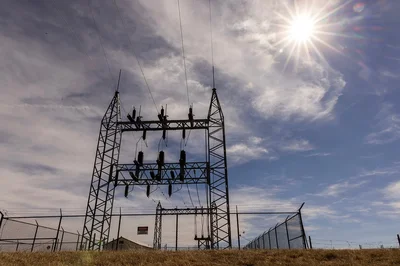 research →
State and federal officials have opened the floor for public feedback on the massive Bridger Pipeline Expansion, a 647-mile project designed to transport 550,000 barrels of Canadian crude daily from Montana to Wyoming. Owned by True Cos., a company with a history of significant spills, the pipeline’s route cuts through sensitive eastern Wyoming counties, raising environmental and safety concerns. This proposal could reshape regional energy infrastructure but faces scrutiny over past incidents and ecological impact. Next steps include public hearings and regulatory reviews that will determine the project's fate.
-
Motivus Powers India’s Circular Energy Revolution
 research →
Motivus, a climate-tech startup from IIT Guwahati, is transforming India’s renewable energy scene by embedding circularity into the grid. With India boasting over 200 GW of renewable capacity, the firm tackles not just generation but the critical issues of battery waste and urban pollution through smart data, patented battery regeneration, and modular infrastructure. This three-layered approach promises cleaner, longer-lasting energy solutions that don’t break the bank. As India faces intense climate pressures, Motivus’s model could set a global benchmark for sustainable power. The next step is scaling these innovations nationwide to power a greener future.
-
Renewables Surge to Half of Global Power
 research →
In 2025, renewable energy sources surged to nearly 50% of the world's installed electricity capacity, marking a historic milestone. According to the International Renewable Energy Agency (IRENA), renewables accounted for 85.6% of new power capacity additions, with solar energy dominating nearly three-quarters of that growth. This rapid expansion signals a powerful shift in global energy trends, though fossil fuel capacity also saw a rebound. The race to clean energy is accelerating, setting the stage for even bigger changes in the years ahead.
-
India Ramps Up Induction Heater Production Amid Energy Crunch
 research →
Facing soaring energy costs and Middle East tensions, India's government is aggressively boosting domestic production of induction heaters and compatible cookware. A high-level meeting led by PM Narendra Modi and key ministers aims to reduce reliance on LPG amid supply disruptions through the Strait of Hormuz. This push could reshape cooking habits nationwide as consumers pivot away from gas stoves. The government plans to fast-track manufacturing to meet surging demand and ease energy insecurity.
-
AI Revolutionizes Financial Sustainability Ratings
 research →
Clarity AI, founded by visionary Rebeca Minguela, is shaking up how we measure corporate sustainability by replacing opaque, subjective ratings with transparent, AI-driven analytics. This breakthrough tackles the long-standing problem of greenwashing and unreliable assessments, turning sustainability into a quantifiable science. As global regulations tighten, Clarity AI’s tech could reshape investment decisions worldwide. The next step? Scaling this innovation to redefine how capital flows toward truly sustainable ventures.
-
Climate Change Sends Lamb Prices Soaring
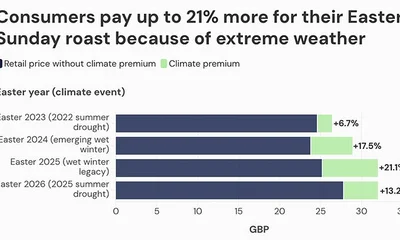 research →
Just in time for Easter, lamb prices in the UK have surged by up to 21%, hitting households with an extra £168 in costs over three years. Experts from the Energy and Climate Intelligence Unit warn that extreme weather—droughts, heatwaves, and heavy rains—have devastated farmers’ production, driving prices sky-high. This spike isn’t just a seasonal blip but a stark sign of climate change’s growing toll on food costs. With beef and dairy also affected, families face a tough choice at the dinner table this Easter.
-
Global Carbon Credit Program Under Fire
research →
A United Nations-backed carbon credit program designed to protect tropical forests is facing sharp criticism for potentially rewarding inaction rather than conservation. Yale researchers reveal that flawed baseline calculations could let governments profit without reducing deforestation, undermining the program’s core mission. This loophole risks penalizing the regions most in need of help, raising urgent questions about the future of global climate efforts. The spotlight is now on reforming these incentives before more damage is done.



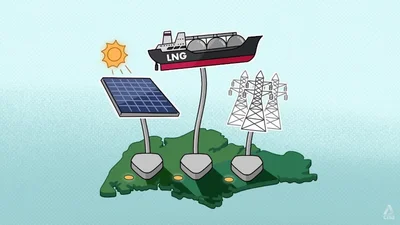



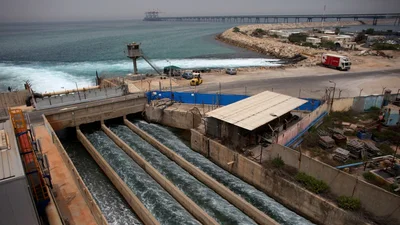






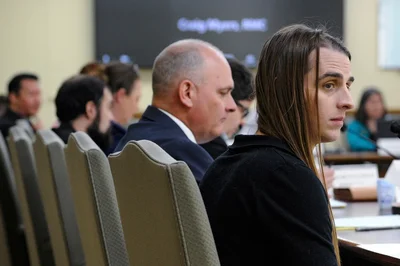
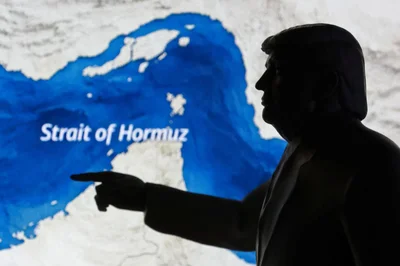



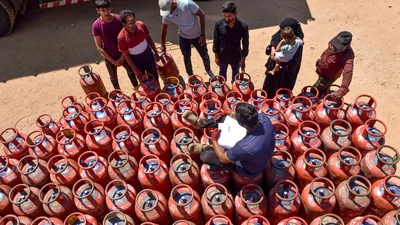



Sports 20
-
Jono Ridler Smashes 1400km Swim Record
 research →
Jono Ridler has stunned the world by completing a grueling 1400km swim along New Zealand’s North Island coast in just togs and goggles, setting a new world record for the longest unassisted staged swim. Over 90 days, he battled jellyfish swarms and relentless sunburn, stopping more than 120 times to rally support against destructive bottom trawling fishing. His epic journey ended in Wellington to cheers and a taonga presentation, spotlighting a cause backed by over 66,000 petition signers. Now, all eyes are on how this feat might pressure policymakers to protect marine life.
-
Kimi Antonelli Shatters F1 Records at 19
 research →
Kimi Antonelli, just 19, stunned the racing world by clinching his second straight Grand Prix win in Japan and becoming the youngest leader in the F1 World Championship. Despite intense pressure and a rocky start dropping to sixth, a crash by rival Oliver Bearman handed Antonelli a crucial pit stop advantage that sealed his victory. His cool, fun-loving attitude under fire is drawing attention from top sports psychologists, who say young athletes like him still wrestle with big emotions but channel them into greatness. With the season heating up, all eyes are on Antonelli as he races toward potential F1 glory.
-
IPL’s Impact Player Rule Sparks Fierce Debate
 research →
The IPL’s new Impact Player rule, designed to add strategic depth to team line-ups, is stirring controversy among players and fans alike. Critics argue it disrupts the traditional balance between batting and bowling, while supporters see it as a game-changer that could redefine cricket tactics. As IPL 2026 heats up, all eyes are on how teams adapt and whether this rule will become a permanent fixture or face revision. The debate highlights the evolving nature of cricket and the constant search for competitive edges.
-
NYT’s Sports Edition Connections Puzzle Scores Big
 research →
The New York Times’ popular word game Connections has launched a special Sports Edition, thrilling fans with fresh challenges that blend athletic themes and brain-teasing fun. Released on April 4, puzzle #558 tested players’ wit by asking them to spot common threads among sports-related words, sparking lively debates online. This twist not only deepens the game’s appeal but also hints at more themed editions to come, keeping word lovers on their toes.
-
Trump’s Bold Move Shakes College Sports
 research →
President Donald Trump has dropped a game-changer with his new executive order targeting college sports chaos. The order clamps down on player transfers, eligibility limits, and pay-for-play booster groups, threatening schools with lost federal funding if they don’t comply. Powerhouses like the Big Ten, SEC, ACC, and Big 12 quickly backed the move, calling for national standards to bring order to the wild world of college athletics. With the NCAA now on the clock to update rules by August, the college sports landscape is set for a major shakeup.
-
95-Year-Old Swimmer Smashes Records, Inspires All
 research →
Jane Asher, a 95-year-old great-grandmother from South London, just shattered five age-group swimming world records, adding to her staggering collection of over 100. Her dedication earned her a British Empire Medal and a spot in the International Swimming Hall of Fame. Asher credits her lifelong love of swimming for her remarkable health and longevity, proving age is just a number. Experts say her story highlights the power of fitness to transform recovery and wellbeing at any age.
-
Atletico vs Barcelona: La Liga Showdown
 research →
Atletico Madrid hosts Barcelona at the Metropolitano Stadium this Saturday at 9pm GMT in a crucial La Liga clash. With Barca’s star winger Raphinha sidelined until May, teenage sensation Lamine Yamal is thrust into the spotlight to spark the Catalans’ attack. This match sets the stage for a gripping triple-header, including two Champions League quarterfinals against Diego Simeone’s side. Fans can catch all the pre-game action on Al Jazeera Sport from 16:00 GMT. The outcome could reshape the La Liga title race and momentum heading into Europe’s elite knockout rounds.
-
County Cricket Kicks Off Amid Tensions
 research →
The 2026 County Championship season has begun under chilly skies at Lord’s, with a modest crowd braving the cold to watch Gloucestershire face Middlesex. Meanwhile, behind the scenes, England’s head coach Brendon McCullum and ECB managing director Rob Key held a crucial call with county coaches to mend frayed relations after a turbulent winter marked by the Ashes defeat. The meeting aimed to clarify the pathway from county cricket to the national team, signaling a potential thaw in tensions. Fans and players alike will be watching closely to see if these talks translate into real change on and off the pitch.
-
March Madness Final Four Shocks Fans
 research →
The 2026 March Madness Final Four is set to deliver heart-stopping action as underdogs Illinois and UConn face off, defying all expectations, while powerhouse teams Michigan and Arizona gear up for what could be the tournament’s most electrifying clash. With the women’s games kicking off on April 3 and the men’s on April 4, fans everywhere are glued to screens, eager to see who will cut down the nets. The drama is just beginning, and the road to the national championship promises unforgettable moments.
-
Alcaraz Cruises Monte-Carlo Draw, French Face Tough Road
 research →
Carlos Alcaraz, the world No. 1 and defending champion, has drawn a favorable path at the 2026 Monte-Carlo Masters 1000, with manageable opponents like Tiafoe and Lehecka standing between him and the final. Meanwhile, French hopefuls face a brutal challenge, compounded by Arthur Fils' withdrawal to focus on clay season prep. This draw sets the stage for a thrilling clay-court battle as players gear up for Roland-Garros. Fans will watch closely to see if Alcaraz can capitalize on this golden opportunity or if the French will rise to the occasion.
-
Trungelliti Smashes Age Barrier into Top 100
 research →
Marco Trungelliti stunned tennis fans by defeating Corentin Moutet at the ATP 250 in Marrakech, securing his first-ever entry into the Top 100 at the age of 36. This breakthrough makes him the oldest player to crack the Top 100 in half a century, rewriting the narrative on age and peak performance in tennis. Trungelliti’s late bloom is a testament to persistence, and all eyes will be on his run in the Marrakech semifinals and beyond. Could this be the start of a remarkable late-career surge?
-
Joshua vs Fury Set for Dublin Showdown
 research →
After years of anticipation, Anthony Joshua and Tyson Fury are finally set to clash in a heavyweight showdown this autumn in Dublin, according to promoter Kalle Sauerland. This fight promises to be a generational battle, especially after Joshua’s remarkable recovery from a serious car accident last December. Fury, fresh off ending his fifth retirement, is gearing up for a tune-up fight on April 11. Fans can now dream of the epic bout that could redefine British boxing’s landscape.
-
Frozen Shoulder Healed in 10 Minutes!
 research →
After eight grueling years trapped by agonizing frozen shoulder, Christine Wallace, 78, has found freedom with a surprising ten-minute treatment. Instead of targeting her painful shoulder, therapists focused on her hip, unlocking movement she thought was lost forever. Her dramatic recovery, captured on video, has gone viral with over a million views, offering hope to millions suffering from this common but stubborn condition. Experts are now eager to explore this breakthrough approach further.
-
McIlroy Eyes New Heights After Masters Win
 research →
Rory McIlroy stunned the golf world by not only clinching the Masters in 2025 but also completing a career grand slam, ending an 11-year drought for his fifth major. Now, as the 90th Masters approaches, McIlroy insists his hunger remains fierce, dismissing any talk of fading motivation after such a historic achievement. His drive to keep winning promises an electrifying season ahead for fans and rivals alike.
-
Ferdinand Demands Four Man Utd Signings
 research →
Rio Ferdinand has called on Manchester United to make four key signings this summer, focusing on two midfielders to boost their Champions League push. With Michael Carrick impressing as interim coach, the club is eyeing a strong finish to the Premier League season and a major squad upgrade. Meanwhile, young full-back Jaydan Kamason has secured a new deal until 2028, signaling United’s faith in homegrown talent. The summer transfer window promises to be pivotal for the Red Devils’ future ambitions.
-
Pacquiao Insists: Mayweather Rematch Is Real Fight
 research →
Manny Pacquiao is drawing a hard line ahead of his September rematch with Floyd Mayweather, insisting this won’t be just an exhibition but a fully sanctioned professional bout. The two boxing legends, who first clashed in 2015’s “Fight of the Century,” will meet again at the futuristic Sphere in Las Vegas, with the fight streaming worldwide on Netflix. Despite Mayweather’s recent comments suggesting otherwise, Pacquiao and his team emphasize the contract is for a serious fight, not a show. Fans can expect real stakes when these rivals step into the ring on September 19.
-
Winter Olympics Cleanest in 28 Years
 research →
For the first time in nearly three decades, the Winter Olympics concluded without a single positive doping test, marking a historic victory for clean sport. This breakthrough comes after years of scandals, including the infamous Russian doping cases that robbed athletes like Britain's bobsleigh team of their rightful medals. The success highlights the impact of rigorous pre-Games testing and stronger anti-doping measures. Experts now hope this momentum will push for even tougher penalties to keep cheats off the podium for good.
-
India Tops AIU Doping Ban List
 research →
India has surged ahead of Kenya to lead the Athletics Integrity Unit’s list with 148 athletes banned for doping violations, marking a troubling milestone in track and field. This includes notable names like sprinter Dutee Chand and middle-distance runner Parvej Khan, highlighting ongoing challenges in Indian athletics. The AIU’s list also covers non-doping offenses like tampering and evading tests, underscoring the broad crackdown on integrity breaches. With this spotlight on India, the athletics community awaits stronger reforms and vigilance moving forward.
-
Marriott Bonvoy Rejoins Hong Kong Sevens
 research →
Marriott Bonvoy is back as an official partner of the iconic Cathay/HSBC Hong Kong Sevens 2026, marking a triumphant return after a seven-year hiatus. This reunion celebrates the tournament’s 50th anniversary, spotlighting five decades of thrilling rugby and fan passion at Kai Tak Sports Park from April 17-19. The partnership not only revives Marriott’s connection to one of the world’s premier rugby events but also promises elevated experiences for fans and travelers alike. With the world’s best teams converging, excitement is building for a spectacular celebration of sport and community.
-
Big Bash Ownership Sparks Fierce Debate
 research →
Cricket veteran and selector warns against privatizing the Big Bash League, arguing that Australian cricket's strength lies in maintaining control. The debate reignites memories of a 2012 bid by Darshak Mehta and associates to buy the Sydney Sixers, highlighting fears over outside money distorting the game. With the league's future at stake, experts urge protection over rescue to preserve cricket’s integrity. The next moves in this ownership saga could reshape Australian cricket for decades.
































Entertainment & Culture 25
-
Kumeū Easter Vendors Slam Festival Chaos
 research →
Vendors at the Kumeū Easter Festival are reeling after paying up to $1,600 for stalls only to face fierce competition and broken promises. Many were told there would be just two ice cream or coffee vendors, but instead, five or six showed up, slashing their profits. With social media backlash mounting and foot traffic dwindling, traders say they’re just trying to break even. The fallout raises serious questions about event management as some vendors even pulled out last minute.
-
Maria Grazia Chiuri Revives Fendi Fashion
 research →
After debuting her first collection as Fendi's creative director, Maria Grazia Chiuri reveals that the runway is just the tip of the iceberg for luxury fashion. She emphasizes the showroom's crucial role, where buyers and press can truly connect with the garments beyond fleeting social media buzz. At 62, Chiuri is reshaping how fashion communicates on a deeper, subconscious level. The industry watches closely as she blends tradition with fresh emotion to reignite passion in luxury style.
-
South Indian OTT Shakes Up Streaming
 research →
While mainstream Indian OTT platforms boast big budgets and star power, many viewers feel the content is predictable and lacks emotional punch. The real excitement is brewing in South India, where OTT shows like Muthu Engira Kaattaan and Heartbeat offer fresh, unconventional storytelling across genres from supernatural to sci-fi. This southern surge is redefining Indian streaming with bold narratives and unexpected twists. For viewers craving originality, the South might just be the cure for your watchlist woes.
-
Celebrities Amplify Autism Awareness
 research →
On World Autism Awareness Day, Holly Robinson Peete and Dr. Michele Kong took center stage to spotlight vital resources for the autism community through their nonprofits, KultureCity and the HollyRod Foundation. Their passionate advocacy underscores the urgent need for support and understanding, inspiring a broader conversation nationwide. With heartfelt stories and dedicated efforts, these leaders are reshaping how society embraces autism. Next up: expanding access and deepening public awareness.
-
Mary Queen of Shops Slams Fashion’s Gay Designers
 research →
Mary Portas, famously known as Mary Queen of Shops, has delivered a sharp critique of the fashion industry, accusing it of being dominated by gay male designers who are out of touch with average women. Speaking at a Smart Works event in Mayfair, she argued that these designers create for idealized icons rather than real customers, perpetuating unrealistic standards. This bold stance is stirring debate about inclusivity and representation in fashion. As Portas continues to shake up the industry, eyes will be on how brands respond to her challenge.
-
Meghan Sparks Royal Family Firestorm
 research →
Meghan Markle remains a lightning rod for controversy within the Royal Family, with critics like Amanda Platell blaming her for causing deep distress to the late Queen. Despite calls from figures like Charlene White to stop the relentless public attacks, Meghan’s past actions—such as her explosive Oprah interview and Netflix documentary moments—continue to fuel royal tensions. As biographer Hugo Vickers highlights, the impact on the Queen was profound and lasting. The saga shows no signs of fading, keeping the royal drama firmly in the spotlight.
-
Indonesian Cinema Sparks Global Soft Power Surge
 research →
Indonesian director Jokor Anwar is turning heads worldwide with his horror-comedy Ghost in the Cell, which premiered at Berlin’s prestigious film festival and was praised by Variety for tackling corruption and environmental issues. This film marks a high point in Southeast Asia’s creative boom, spotlighting the region’s potential to wield soft power through cinema. With Anwar’s sci-fi series Nightmares and Daydreams already a Netflix hit across multiple countries, Indonesia is poised to convert cultural buzz into lasting global influence. The big question now: can Southeast Asia build the infrastructure to sustain this momentum and cash in on its $300 billion creative economy?
-
Chaotic Good Scrubs Website Amid Artist Fallout
 research →
Just a day after a damning exposé, Chaotic Good Artist Management wiped their website clean, pulling the entire “Narrative Campaign” section and quietly erasing some artists from their roster. This sudden digital vanishing act hints at behind-the-scenes drama as managements scramble to distance their clients from the controversy. With fans and insiders buzzing, the big question now is whether these artists remain tied to Chaotic Good or are quietly breaking free. The fallout is just beginning, and the music world is watching closely.
-
Reincarnated as a Slime Season 4 Unfolds Cozy Fantasy Rule
 research →
Reincarnated as a Slime returns with Season 4, diving deeper into the peaceful yet strategic life of Rimuru Tempest as he leads the Tempest Kingdom. Unlike typical isekai heroes, Rimuru’s journey is less about survival and more about building harmony among diverse races in a fantasy world. The premiere delivers a warm, thoughtful look at governance and community, promising fans a blend of comfort and intrigue. With Rimuru’s steady hand guiding the kingdom, viewers can expect more heartwarming world-building ahead.
-
Billionaires Mask Political Cash in Nonprofits
 research →
A loophole in nonprofit rules is letting Democratic billionaires like Bill Gates and Michael Bloomberg funnel political donations anonymously, sidestepping campaign finance laws. This shadowy tactic raises fresh questions about transparency in political funding as the 2026 midterms approach. With scrutiny mounting, expect calls for tighter regulations on nonprofit political spending to grow louder.
-
Alan Davies Beats Bladder Cancer Scare
 research →
Comedian and actor Alan Davies, famed for QI and Jonathan Creek, has shared a hopeful update after his 2024 bladder cancer diagnosis. Spotting blood in his urine led him to seek medical help, where doctors removed the tumour via flexible cystoscopy. Now cancer-free and back on tour, Davies urges others to heed warning signs and get checked early. His candid interview on The Jonathan Ross Show shines a light on the importance of early detection.
-
Stream This Weekend: Pizza, Pandoras, and Post-Apocalypse
 research →
This weekend’s streaming lineup is a feast for movie lovers. Pizza Movie, a stoner comedy starring Gaten Matarazzo, lands on Hulu, serving laughs and slices. Meanwhile, Peacock brings terror with Five Nights at Freddy's 2’s animatronic nightmare, and Netflix debuts 28 Years Later: The Bone Temple, a chilling post-apocalyptic thriller. Don’t miss renting Avatar: Fire and Ash, the latest epic from James Cameron’s Pandora saga. Ready your snacks—this weekend’s streaming menu is packed with thrills and chills.
-
Eddie Izzard Triumphantly Returns to New Zealand
 research →
Eddie Izzard, the comedy icon known for blending stand-up with acting and activism, is finally back in New Zealand after a knee injury delayed her tour. Her show, 'The Remix: The First 35 Years,' celebrates over four decades of groundbreaking performance. Fans can also catch her acclaimed solo Hamlet this July, marking a thrilling homecoming. This return not only reignites her connection with Aotearoa but promises a fresh dose of her unique wit and energy.
-
‘DAN DA DAN’ and ‘Demon Slayer’ Dominate Anime Awards
 research →
The 10th Crunchyroll Anime Awards are heating up with ‘DAN DA DAN’ season 2 and ‘Demon Slayer: Kimetsu no Yaiba Infinity Castle’ leading the pack as top nominees for Anime of the Year and Film of the Year. Set for May 23 in Tokyo, this milestone event invites fans to cast their votes by April 15, making it a fan-fueled showdown. With hosts Sally Amaki and Jon Kabira returning, anticipation is sky-high for who will claim the coveted titles. The awards not only celebrate anime’s best but also spotlight the genre’s global cultural impact.
-
Chainsaw Man Sneaks Into Dandadan
 research →
Chainsaw Man’s Denji made a surprise cameo in the latest volume of Dandadan, delighting fans of both series. Created by Yukinobu Tatsu, a former assistant of Tatsuki Fujimoto, Dandadan’s bonus chapter features Denji’s brief but memorable encounter with the alien Vamola. This unexpected crossover has sparked excitement online, proving that even after Chainsaw Man’s manga ended, its iconic hero still cuts through the scene. Fans can catch this special appearance in volume 23 of Dandadan, adding fresh buzz ahead of the series’ rising popularity.
-
Japan’s Cute Pop Culture Takes Finland by Storm
 research →
**Sanrio’s iconic characters like Hello Kitty and Pokémon are everywhere in Finland, from backpacks to bustling fan events. This surge is fueled by Japan’s savvy cultural strategy and a growing Finnish love for kawaii — the art of cuteness that appeals to all ages. With tourism to Japan rising and anime hits like Demon Slayer captivating audiences, Finnish fans are embracing a vibrant pop culture wave. The trend shows no signs of slowing, promising even more cross-cultural fun ahead.
-
Jimmy Carr Tops Comedians’ Wealth Race
 research →
The hit comedy show Last One Laughing returned with a star-studded cast including Alan Carr, David Mitchell, and Romesh Ranganathan. While David Mitchell won season two, it’s host Jimmy Carr who laughs all the way to the bank, topping the wealth charts among the comedians. The series not only delivered laughs but also revealed the impressive fortunes built by these comedy heavyweights. Fans can expect even more hilarious antics and rivalries in upcoming seasons.
-
AI Shapes Global Election Battles
 research →
AI is quietly rewriting the rules of global elections, tailoring political messages with uncanny precision to sway voters. According to a recent Global Voices report by Safa Ghnaim, AI tools analyze personal data to deliver hyper-targeted campaign content, making politicians seem omnipresent and eerily in tune with individual concerns. This shift raises urgent questions about transparency and manipulation in democracies worldwide. As AI’s role deepens, watchdogs and voters alike brace for a new era where the battle for hearts and minds is fought in digital shadows.
-
Netflix Stumbles on Steel Ball Run Release
 research →
Netflix’s much-anticipated anime adaptation of Steel Ball Run is frustrating fans with a bizarre rollout strategy. Instead of weekly episodes like typical seasonal anime, the series is dropping in long, staggered chunks, with the second episode not expected until 2026. This slow drip has sparked backlash across social media, as fans fear a repeat of the muted Stone Ocean launch. The question now: can Netflix course-correct before the hype fades completely?
-
Jon Hamm’s Burglar Drama Returns
 research →
Your Friends and Neighbours is back for a second season on Apple TV, with Jon Hamm reprising his role as Andrew 'Coop' Cooper, a hedge fund manager turned burglar. The show cleverly blends sharp wit and drama as Coop tries to turn his life around amid scandal and crime in a wealthy community. Fans of smart, character-driven stories will find plenty to love as Coop navigates his complicated world with charm and chaos. Season two promises more twists and a deeper dive into the secrets behind the manicured fences.
-
V&A Dundee Unveils Fashion Show Spectacle
 research →
The V&A Dundee has launched its dazzling new exhibition, Catwalk: The Art of the Fashion Show, spotlighting decades of fashion’s transformative power. Since opening on April 3, the show has drawn visitors eager to experience the vibrant history and artistry behind runway culture. This event not only cements Dundee’s rising status as a cultural hotspot but also promises to inspire fashion lovers and travelers alike. With over 2.5 million visitors to the museum since 2018, the city’s creative pulse is stronger than ever.
-
New Study Reveals 5 Faces of American Generosity
 research →
Despite headlines about declining donations and trust, new research from the Generosity Commission paints a richer picture of American giving. The study, involving over 2,500 adults, identifies five distinct generosity profiles, showing that Americans express kindness in varied and complex ways. This challenges the narrative that generosity is fading amid political and social divides. As the nation grapples with these divisions, understanding these profiles could reshape how nonprofits engage donors moving forward.
-
‘XO, Kitty’ Season 3 Sparks Global K-Drama Buzz
 research →
Netflix’s hit teen drama ‘XO, Kitty’ just dropped its third season, reigniting global excitement for this U.S.-made, Korea-set series. Following Kitty’s journey through love and identity in Korea, the show highlights a fascinating trend of Korean culture being ‘re-imported’ via international productions. Despite some critiques about pacing, fans remain hooked as the series cements its place in the global K-content wave. With Season 3 live, all eyes are on how Kitty’s story will evolve next.
-
Dropout Duo Breaks Comedy Mold
 research →
Jeremy Culhane and Kurt Maloney are shaking up online comedy with Dropout’s wild improv shows, blending absurdity and sharp wit across platforms like YouTube and TikTok. Jeremy’s leap to Saturday Night Live marks a milestone for the troupe, spotlighting their fresh take on how comedy is created and consumed. Their SXSW performances proved Dropout isn’t just a platform—it’s a comedy revolution. Fans can catch the full behind-the-scenes chat on YouTube to see how this duo is rewriting the rules.
-
Spring 2026 Anime Hits: Re:Zero & More!
 research →
With Jujutsu Kaisen Season 3 wrapped up, anime fans have a fresh lineup to dive into this spring. Re:Zero Season 4 kicks off April 8 on Crunchyroll, taking Subaru on a gripping quest in the Loss Arc. Plus, expect new episodes of One Piece and Daemons of the Shadow Realm across platforms like Netflix and HiDive. Whether you’re streaming or hunting free anime, this season promises plenty to keep your watchlist buzzing.























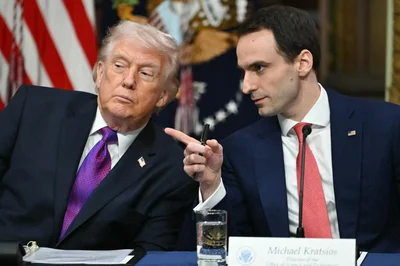











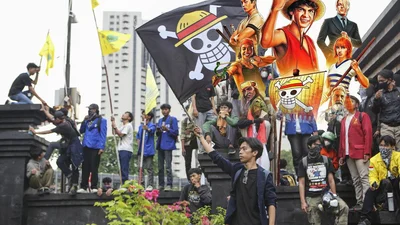
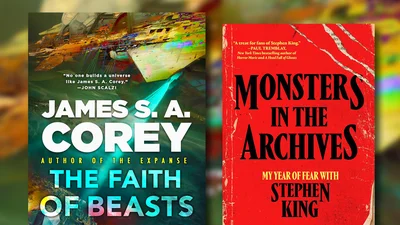
Development & Open Source 21
-
Python Myths Busted by Expert Goloburdin
 research →
Python’s reputation as a beginner-friendly language is well-earned, but myths like 'Python is slow' and 'juniors can't break in without fake experience' still linger. In a revealing interview, Alexey Goloburdin, author of “Typed Python” and creator of the popular YouTube channel “Digitalize” (170k+ subscribers), unpacks Python’s inner workings, the importance of PEP8, and how AI tools can both help and mislead learners. This fresh perspective is a must-read for anyone starting Python or doubting their path. Expect more insights as Goloburdin continues to blend product development with AI experiments.
-
MCP Server Cracks LLM Trace Mystery
 research →
The latest breakthrough from Dev.to reveals how MCP servers calling LLMs—through a tricky feature called sampling—were finally made fully traceable. Previously, these calls vanished into a silent black box, leaving developers blind to crucial interactions. Now, with a new tracing method, users can see every step in real time and even try it out in five minutes. This leap in observability promises smoother debugging and stronger privacy controls for complex AI workflows.
-
Multi-Model Databases Shake Up Data Storage
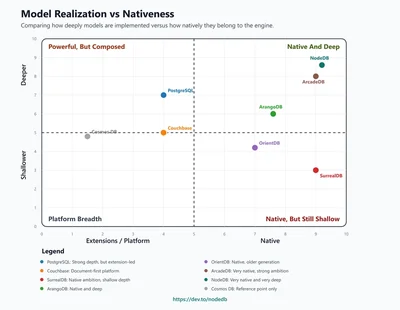 research →
Multi-model databases are transforming how developers handle data by combining multiple data types—like relational, document, graph, and time-series—into a single system. This approach cuts down the need for juggling multiple databases, streamlining architecture and boosting efficiency. But as recent reviews reveal, not all multi-model databases deliver equally; some are seamless, others patchwork. The big question now: which platforms truly master this complexity as real-world demands grow?
-
Flight Tracking Soars Without Frameworks
 research →
A developer has shattered norms by creating a real-time flight tracker that displays over 10,000 live aircraft on a 3D globe—without relying on traditional frameworks like React or Three.js. Using Rust, WebAssembly, and raw WebGL, the app loads in under a second and runs smoothly as a PWA on mobile devices. This breakthrough not only boosts performance but also offers unmatched customization and control. Next up: wider adoption could redefine how complex web apps are built.
-
GitHub Commits Skyrocket to 14 Billion
 research →
GitHub is on fire with development activity, hitting a staggering 1 billion commits in 2025 and now clocking 275 million commits per week in 2026. If this pace holds, the platform could smash through 14 billion commits this year—a jaw-dropping leap that reflects the explosive growth of software creation worldwide. GitHub Actions usage is also doubling, now at 2.1 billion minutes per week, powering automation like never before. This surge signals a tech ecosystem accelerating faster than ever, with no signs of slowing down anytime soon.
-
Swift 6.3 Powers Up Cross-Platform Dev
 research →
Swift 6.3 just dropped, turbocharging cross-platform development with official Android SDK support and game-changing C language interoperability via new @c and @implementation attributes. Developers can now seamlessly call Swift functions from C/C++ and vice versa, while module selectors clear up symbol confusion across modules. This release also unifies build systems and boosts low-level performance control, setting the stage for a more streamlined, powerful Swift ecosystem. Expect faster, more flexible app development across devices in the months ahead.
-
Open Source AI Tools Revolutionize Code Reviews
 research →
Open source AI code review tools are transforming how developers handle the surge in AI-generated code. With proprietary tools risking data privacy, open source options like PR-Agent and SonarQube keep sensitive code safely on-premise, crucial for regulated industries. As AI accelerates coding speed, these tools help maintain quality by automating and scaling reviews without sacrificing control. The next step? Wider adoption could redefine software development standards and security worldwide.
-
Next.js 16 Boosts React 19.2 with Security and Speed
 research →
Next.js 16 has landed, bringing React 19.2’s View Transitions and Cache Components into production-ready shape, while tightening security around React Server Components after last year’s React2Shell vulnerability. With Turbopack now beta and battle-tested on vercel.com, developers finally get blazing-fast builds and smoother workflows. This update isn’t just about features—it’s a major stability and security milestone for the React ecosystem. Expect rapid adoption as teams embrace these improvements in the coming months.
-
Homelab Kubernetes Upgrade Builds Rock-Solid Shrine
 research →
From a lonely ARM64 MicroK8s on a Mac Studio to a high-availability Kubernetes cluster spanning three bare-metal Proxmox datacenters, one dev has transformed their homelab into a production-grade shrine. Using Terraform, Ansible, and FluxCD, they've ditched cloud lock-in for pure metal and terminal grit. The journey wasn’t smooth—VM crashes and swap issues tested their resolve—but the lessons learned promise a more stable, resilient setup ahead. This story isn’t just about tech; it’s about mastering failure to build something truly yours.
-
Cursor Outshines Copilot in Multi-File Coding
 research →
After three months of daily use on real projects, Cursor emerges as the favorite AI coding assistant for most developers, thanks to its groundbreaking multi-file editing that updates entire features with a single prompt. While GitHub Copilot remains a solid choice for those deeply tied to GitHub or seeking cost efficiency, Cursor’s ability to predict and modify multiple related files at once is a game-changer. This shift signals a new era where AI tools don’t just autocomplete lines but understand broader coding intent. Developers eager to boost productivity should watch how these tools evolve next.
-
Top Tech Firms Race to Hire Devs in April
 research →
April 2026 is heating up for tech talent as over 15 dev-first companies open their doors to new hires. From Aikido Security seeking a DevRel Manager in San Francisco to JetBrains and Laravel offering remote roles, the developer job market is buzzing with opportunity. This surge highlights the growing demand for engineers and advocates shaping the future of dev tools. If you’re hunting for a fresh challenge, now’s the moment to jump in.
-
Apple Unveils iOS 26.5 Beta with Maps Ads
 research →
Apple just dropped the public betas for iOS 26.5, iPadOS 26.5, and macOS Tahoe 26.5, bringing fresh features like a new Suggested Places tab in Apple Maps and the groundwork for upcoming ads. The update also revives end-to-end encryption testing for RCS messages between iPhone and Android users, plus new EU-specific features for wearables. While the AI-powered Siri remains absent, this beta sets the stage for more changes ahead. Public testers can dive in now via the Software Update settings, with Apple gearing up for a bigger iOS 27 reveal.
-
TypeScript 6: The Final TypeScript Edition
 research →
TypeScript 6.0 dropped on March 23, 2026, marking a pivotal moment as the last version written in TypeScript itself. This release acts as a crucial bridge to TypeScript 7, which will be crafted in Go, signaling a major shift under the hood. Packed with modern defaults like ESM modules and strict mode enabled, it sets the stage for future innovation, though Angular 21 still sticks with TypeScript 5.9. Developers should gear up for Angular 22’s support and the upcoming TypeScript 7 revolution.
-
JavaScript Code Analysis: Essential and Evolving
 research →
JavaScript's flexibility is a double-edged sword, making code analysis tools not just helpful but critical. Unlike statically typed languages, JavaScript lets many errors slip through until runtime, risking bugs that are hard to detect. Developers are turning to a mix of AI-assisted coding and robust static analysis tools—though AI guidance remains imperfect and non-deterministic. Meanwhile, free alternatives to heavyweight platforms like SonarQube are gaining traction, offering vital features without the steep costs. The future points to smarter, more accessible tools to tame JavaScript’s wild side.
-
Backend Secrets AI Can’t Crack
 research →
Backend engineers face a new reality: AI can code faster, but it can’t grasp your system’s quirks like traffic surges or midnight crashes. A fresh Dev.to post reveals why mastering thread pool sizing and understanding CPU vs. IO-bound tasks remain critical skills beyond AI’s reach. This is a wake-up call for Java/Spring Boot devs aiming to build resilient systems that don’t buckle under pressure. The next step? Engineers must own architecture and operational insight to stay indispensable.
-
GigShield AI Shields Gig Workers’ Pay
 research →
GigShield, crafted by Team HACKKERS, is revolutionizing gig work by automatically protecting delivery partners and freelancers from sudden income drops caused by rain, curfews, or platform outages. Inspired by real stories like Ravi’s struggle in Chennai, this AI-driven system triggers instant payouts when disruptions hit, cutting through the usual slow, stressful claims process. With transparent rules and fraud checks, GigShield promises gig workers a safety net that finally understands their unpredictable world. The next step? Wider adoption could redefine financial security for millions in the gig economy.
-
Software Architecture Breaks Echo Chamber
 research →
At a recent panel led by Andrew Harmel-Law, industry experts tackled the future of software architecture beyond 2025, urging architects to break free from insular conversations. The panel highlighted how architecture’s growing importance now clashes with other priorities, calling for fresh perspectives to avoid repeated mistakes. This shift promises a more collaborative and innovative approach to building software systems in the years ahead.
-
Developer Advocates Drive Tech Growth
 research →
Developer Advocate roles are booming in tech, but often misunderstood. These pros act as crucial bridges between companies and developer communities, not just marketing faces. The best DevRel programs focus on real product impact, with measurable growth taking 6-12 months to show. If you want a career that blends coding, communication, and community-building, this guide is your roadmap to 2026 success.
-
Database Performance Crashes Beyond Testing
 research →
A new report reveals how database queries that fly in test environments can crash spectacularly in production due to vastly larger data volumes and complex joins. Database professionals warn that small-scale testing masks critical performance issues, leading to costly application slowdowns or failures. Understanding these hidden pitfalls is crucial as businesses increasingly rely on real-time data. The next step is adopting testing strategies that mirror real-world loads to prevent these production nightmares.
-
Trivy Supply Chain Attack Shakes Open Source Trust
 research →
Trivy, the popular open source vulnerability scanner, was hit by a supply chain attack when a malicious release (v0.69.4) slipped through on March 19, 2026. This breach exposed users to credential theft and malicious code execution, revealing how attackers exploited compromised credentials and automated release processes. The incident underscores the growing risks in software supply chains, where trusted tools themselves become attack vectors. Industry players are now racing to tighten security and prevent similar breaches in the future.
-
Scaling Database Sequences Without Breaking Services
 research →
In a bold move, InfoQ revealed how a team replaced database sequences at scale without disrupting over 100 services. By ditching assumptions about gap-free IDs and strict ordering, they simplified a complex problem into a near-trivial solution embedded directly into applications, slashing network calls. Their clever caching strategy made outages invisible, and backward compatibility turned migrations into one-line swaps, enabling the Orders team to migrate a dozen services in just three weeks. This approach redefines how large systems can evolve seamlessly.

















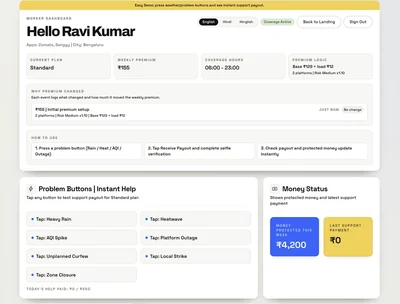






Society & Migration 21
-
Seniors Forced to Share Homes Amid Housing Crunch
 research →
At 72, David West faces a harsh reality: renting a room in a stranger’s house after a Hollywood career and personal losses drained his savings. His story highlights a growing crisis as more seniors are priced out of living alone, forced into shared housing to make ends meet. With subsidies out of reach for many, this trend signals a looming challenge for aging populations nationwide. The question now is how policymakers will respond to protect seniors’ dignity and independence.
-
Hong Kong Pushes for Children’s Day
 research →
Hong Kong’s youth are making their voices heard as the Hong Kong Committee on Children’s Rights proposes establishing a dedicated Children’s Day. The initiative, sparked by a forum where kids aged 10 to 17 openly discussed their concerns, aims to spotlight children’s rights and well-being in the city. With rising awareness of child protection issues, this move could mark a significant step toward prioritizing young voices in policy. Next up: government response and potential official recognition.
-
Brisbane’s Bold Fight Against Homelessness
 research →
When Karyn Walsh arrived in South Brisbane in the 1980s, homelessness was visible and raw—people sleeping on church steps and in parking lots. Today, Walsh’s grassroots group, Micah Projects, is rewriting the playbook, aiming to solve rather than just manage the crisis. Their approach blends compassion with action, offering hope to Brisbane’s most vulnerable. With homelessness still a pressing challenge, Walsh’s vision could be a blueprint for cities worldwide.
-
Trump Champions Faith in Good Friday Address
 research →
On Good Friday, President Donald Trump took to the Oval Office to declare a 'resurgence of religion' sweeping America, emphasizing that 'to be a great nation you must have religion and you must have God.' His message, shared on Truth Social, framed faith as the backbone of American strength and announced new federal guidance to protect religious expression in the workplace. This marks a clear push by the Trump administration to deepen its ties with Christian communities as the nation observes this solemn day.
-
UK Pension Age Rises Amid Economic Strain
 research →
The UK is raising the state pension age to 67, hitting those least able to adapt, like the unemployed and those in poor health, according to Laurence O'Brien of the Institute for Fiscal Studies. This shift comes as economic growth stalls and living costs soar, fueling fears among pensioners and near-retirees about their financial security. Political voices like Nigel Farage argue for slashing benefits to protect pension promises, while the government faces mounting pressure to find sustainable solutions. The pension age hike marks a critical moment in balancing fiscal responsibility with social welfare.
-
US Military Archbishop Questions Iran War Morality
 research →
Archbishop Timothy Broglio, head of Catholic chaplains in the US military, has publicly challenged the moral justification of the US campaign in Iran. Speaking ahead of his CBS interview, he argued the conflict fails the 'just war' criteria, emphasizing that preemptive strikes do not meet ethical standards rooted in centuries-old theology. This rare critique from a senior military chaplain highlights growing concerns about the war’s legitimacy and could influence military and public discourse. The full interview airs April 5 on CBS’s Face the Nation.
-
Trump Slams LA Homeless Agency, Proposes Cuts
 research →
President Trump has targeted the Los Angeles Homeless Services Authority (LAHSA) in his new budget, calling its record 'abysmal' and using it to justify eliminating the federal Continuum of Care program that supports homeless Americans nationwide. The budget accuses LAHSA of mismanagement and failing to track billions in funds, fueling a broader push to slash homeless assistance. LAHSA pushed back, but the move signals a sharp shift in federal priorities amid rising homelessness. Congress now faces a contentious battle over these proposed cuts.
-
Lakewood’s Zoning Vote Could Reshape Housing
 research →
On April 7, Lakewood, Colorado faces a pivotal zoning vote that could crack the $500,000 starter home barrier, a move with ripple effects far beyond its borders. This decision tackles the nation’s housing affordability crisis head-on, signaling a potential blueprint for other cities grappling with skyrocketing prices. If passed, it could unlock new housing options and ease the burden on first-time buyers. All eyes are on Lakewood as the nation watches whether this bellwether vote will spark broader change.
-
Brazil Targets Israeli Military Visitors Amid Gaza Conflict
 research →
Brazilian lawmaker Hilton Coelho has urged President Lula da Silva to ban Israeli military personnel linked to Gaza and Lebanon operations from entering Brazil. The move, framed as a stand against alleged genocide and war crimes, seeks to use Brazil’s constitution and migration laws to block those involved in human rights violations. This bold proposal reflects growing international scrutiny of Israel’s military actions and could reshape Brazil’s diplomatic stance. The government’s response will signal how far Brazil is willing to go in enforcing accountability.
-
Oracle’s H-1B Moves Amid Layoffs Spark Outcry
 research →
Oracle has filed over 3,100 H-1B visa petitions in the last two years even as it lays off thousands of American workers, stirring fierce debate about the tech giant’s priorities. The H-1B program, designed to fill skill gaps, is now under scrutiny as critics accuse Oracle of replacing U.S. staff with cheaper foreign labor. This controversy highlights the growing tension over immigration policies and workforce strategies in tech. With the Trump administration tightening H-1B rules, the future of skilled foreign workers in the U.S. looks uncertain.
-
Adult Kids Turned IT Lifelines
 research →
Millions of adult children across the country have become the go-to IT help desks for their aging parents, like 89-year-old mums struggling to send photos or pay bills online. These tech challenges highlight a growing digital divide as seniors live independently but remain digitally isolated. The story reveals a poignant mix of love, patience, and frustration as families bridge this gap. With technology only becoming more essential, this trend is set to deepen, pushing for smarter, senior-friendly solutions.
-
Lagos Unites in Powerful Good Friday Worship
 research →
On Good Friday, Lagos came alive with two stirring expressions of faith: The LOGIC Church’s 'Jesus + Nothing' worship event headlined by gospel stars Timi Dakolo and Nosa, and vibrant street processions through Yaba and Ikeja districts. These gatherings went beyond tradition, blending soulful music and heartfelt public prayers amid Nigeria's tough economic backdrop. As believers carried wooden crosses and sang praises, the message was clear—resilience and hope shine brightest in hardship. Next up, these spiritual moments set the tone for Easter celebrations across the nation.
-
New Study Reveals Black Views on Race
 research →
A groundbreaking study from Rice University has mapped the complex landscape of Black Americans' perspectives on race relations, introducing the concept of 'racial realism' to a national audience for the first time. This research sheds light on the diversity of thought within the Black community, challenging monolithic narratives often seen in media and politics. Understanding these varied viewpoints is crucial as the nation grapples with ongoing racial tensions. The study sets the stage for more nuanced conversations and policies that reflect this spectrum of experiences.
-
Fort Hare VC Suspended Amid Corruption Clash
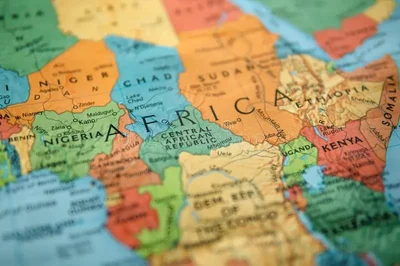 research →
Professor Sakhela Buhlungu, vice-chancellor of the historic University of Fort Hare, was suspended this week after exposing irregular appointments at the institution. Despite a forensic report clearing him of wrongdoing, the university council pushed ahead with disciplinary action, sparking outrage and a heartfelt plea from Buhlungu’s wife to President Ramaphosa. This turmoil highlights the personal toll of fighting corruption in South African academia. The university now faces intense scrutiny as formal proceedings against Buhlungu move forward.
-
Trump Board Forces Amazon Union Talks
 research →
The Trump-era National Labor Relations Board has ordered Amazon to recognize and negotiate with the Staten Island warehouse union, marking a historic win for workers who voted to unionize in 2022. This move forces Amazon to the bargaining table after years of resistance, spotlighting growing labor tensions in the tech giant’s ranks. Amazon vows to challenge the ruling in court, so the fight over pay and conditions is far from over. Meanwhile, Teamsters President Sean O’Brien hails the decision as a landmark victory for worker power nationwide.
-
Mamdani Battles NYC’s Worst Landlords
 research →
New York Mayor Zohran Mamdani is taking a bold stand against the city’s worst landlords with a new series of “rental rip-off hearings.” At a packed Bronx event, tenants like Gulhayo Yuldosheva and Marina Quiroz shared harrowing stories of mold and rats, putting a human face on the housing crisis. This direct engagement aims to root out negligent landlords and improve living conditions. Next up: turning these hearings into real enforcement and reform.
-
India’s QR Textbooks Boost Access, Struggle Engagement
 research →
India’s ambitious push to digitize education through QR-linked textbooks on the DIKSHA platform has opened doors for millions, with over 18.56 crore enrollments and 7,576 textbooks connected to nearly 3.66 lakh digital resources. But while access is soaring, daily active users hover around just 1.11 lakh, revealing a challenge in keeping students and teachers hooked. This 'phygital' model blends physical and digital learning, aiming to democratize education nationwide. The government now faces the task of turning widespread access into sustained, meaningful engagement.
-
California Courts Clash Over Kids' Gender Care
 research →
California is at the center of a fierce debate after the Supreme Court slammed the state for forcing schools to keep students' gender transitions secret from parents. Critics like Dr. Mehmet Oz argue this policy ignores deeper mental health issues and risks harming children. The controversy highlights a growing divide over how best to support kids facing gender distress, with radical affirmation approaches now under scrutiny. What happens next could reshape public health policies nationwide.
-
Middle East Conflict Casts Shadow on Migration Talks
 research →
The ongoing Middle East conflict has overshadowed a crucial migration summit in Egypt’s New Administrative Capital, where leaders including Egyptian Foreign Minister Badr Abdelatty and IOM’s Amy Pope voiced urgent concerns over the mounting refugee crisis. Egypt, a major refuge for displaced people, is straining under the weight of regional instability, with Abdelatty criticizing the lack of sufficient international aid. Despite the tensions, summit participants stressed the need to view migration as an opportunity, not just a crisis. The summit sets the stage for a global review in New York, where the world will face mounting pressure to act.
-
US Students Struggle with Civics Knowledge
 research →
New data from the 2022 NAEP civics test reveals a troubling decline in American students' understanding of government, with only 22% of eighth graders proficient and 31% below basic. Education advocates are sounding the alarm, urging stronger national civics standards to reverse this trend. As the next federal assessment update approaches, the push for improved civics education is gaining momentum to better prepare future voters and citizens.
-
NCERT Transforms Into Degree-Granting University
 research →
The National Council of Educational Research and Training (NCERT) has been granted deemed university status by the Indian government, allowing it to design courses and award degrees independently. This shift marks a major change from its traditional role as the architect of school curricula to an active player in higher education. While this could streamline teacher training and curriculum development, experts warn it risks centralizing too much control over education. The move comes amid broader reforms like CBSE’s new curriculum rollout, signaling a significant reshaping of India’s education landscape.