AI & Machine Learning 15
-
Claude, GPT, Gemini: Engineering AI Showdown
 research →
A new benchmark pits Anthropic's Claude, OpenAI's GPT, and Google's Gemini head-to-head under real engineering workloads, revealing how these AI giants perform beyond simple prompts. This systems-level test evaluates latency, context handling, and debugging prowess, marking a shift as LLMs become core infrastructure for developers. The results highlight operational strengths and weaknesses critical for teams relying on AI to build and maintain complex software. Next steps include deeper multi-GPU interpretability and steering advances to optimize these models further.
-
Anthropic Halts Mythos Release, Raises $122B
 research →
Anthropic stunned the AI world by declaring its latest model, Claude Mythos, too dangerous for public release, marking an unprecedented move in AI history. Meanwhile, OpenAI secured a massive $122 billion funding round, shifting the AI race focus from sheer power to leadership in governance, trust, and capital. Anthropic also rolled out Claude Cowork broadly, expanding AI's role in everyday work beyond coding. The coming months will reveal how these strategic moves reshape AI's future landscape.
-
OpenAI Backs Bill Limiting AI Liability
 research →
OpenAI has endorsed Illinois' SB 3444, a bill shielding AI developers from liability in catastrophic events caused by AI, such as mass deaths or billion-dollar damages. This marks a strategic shift as OpenAI moves from opposing liability bills to supporting broader protections for frontier AI models costing over $100 million to train. The bill could set a precedent for major AI labs like Google and Meta, balancing innovation with safety transparency. Next, the bill faces legislative hurdles and scrutiny from AI policy experts wary of its broad immunity.
-
Run AI Locally: Browser LLMs Break Free
 research →
Running large language models (LLMs) directly in your browser is now a reality, thanks to JavaScript-powered tools that enable offline AI inference at zero cost. This breakthrough offers users privacy, no vendor lock-in, and offline functionality, all without expensive GPU clusters. While initial model downloads can delay first use and device capabilities vary, this approach democratizes AI access and development. Expect more apps to adopt local AI inference, reshaping how we interact with intelligent software.
-
xAI Battles Colorado Over AI Speech Rules
 research →
Elon Musk’s xAI has sued Colorado to block a new AI law that restricts chatbot speech, arguing it violates free speech protections. The law, Senate Bill 24-205, targets algorithmic discrimination in key sectors but, according to xAI, forces the company to promote state ideological views. This legal fight highlights growing tensions over AI regulation as states push boundaries and tech firms push back. The case will test how far governments can go in shaping AI-generated content.
-
AI Agents Revolutionize Work and Business
 research →
OpenAI reports enterprise AI agents now generate 40% of its revenue, signaling a major shift toward 'agentic workflows' where AI systems autonomously coordinate and act within business tools. Meanwhile, a new survey reveals that AI has replaced parts of jobs for 20% of full-time U.S. workers, with many adopting new AI-driven tasks. Engineers are focusing on building robust production AI agents in Python that reliably handle tool calls, failures, and observability, moving beyond mere demos. This evolution marks a critical turning point as AI agents become integral to both enterprise operations and everyday work life.
-
Alibaba’s Qwen Dominates Global AI Downloads
 research →
Alibaba Cloud’s Qwen 3.5 model series has surged past 50% of global open-source AI model downloads, hitting nearly 1 billion cumulative downloads by March 2026. This dominance highlights China’s growing lead in the AI space, outpacing rivals like Meta’s Llama and DeepSeek. Meanwhile, Alibaba is also spearheading a $290 million investment into next-gen AI video models, signaling a shift beyond traditional language models. The industry will be watching closely as China pushes AI innovation amid geopolitical tech tensions.
-
Open Source LLMs Top Paid AI Models
 research →
GLM-5.1, an open-source large language model by Z.ai, has outperformed paid AI models like Claude Opus 4.6 and GPT-5.4 on the SWE-Bench Pro benchmark. This marks a turning point as free, open-source models challenge industry giants with cutting-edge performance and flexible MIT licensing. Alongside GLM-5.1, Meta’s Llama 4, Google’s Gemma 4, and DeepSeek V4 showcase diverse strengths in parameters and context handling. The rise of open-source LLMs signals a new era of accessible, high-performance AI, with ongoing innovations expected to accelerate adoption and development.
-
AI Revolutionizes Video Editing
 research →
AI is transforming video editing by automating tedious tasks like transcription, scene detection, and cut alignment. Tools such as OpenAI's Whisper enable creators to quickly produce short-form content for platforms like TikTok and YouTube Shorts. This shift addresses the bottleneck of manual editing, speeding up workflows and enabling more dynamic content. As AI tech advances, expect even more seamless and creative video production tools soon.
-
AI Revolutionizes Drug and Protein Design
 research →
AI breakthroughs are transforming drug and protein design, with Professors Gyu Rie Lee and David Baker creating artificial proteins that recognize specific compounds from scratch. Meanwhile, OpenAI’s GPT-5 autonomously ran 36,000 biological experiments via robotic labs, slashing protein production costs by 40%. Google DeepMind’s merger with Brain has accelerated pharmaceutical AI efforts, aiming for human trials in oncology this year. These advances mark a new era in programmable biology, promising faster, cheaper drug development ahead.
-
AI Revolutionizes Biological Experiment Automation
 research →
AI-driven automation is transforming biological experiments by enabling faster, more precise molecular design and lab processes. Researchers from leading institutions like Brookhaven National Laboratory and Texas A&M University are leveraging AI to embrace uncertainty and improve molecular predictions, pushing the boundaries of experimental biology. This breakthrough promises to accelerate drug discovery and biotech innovation, with ongoing efforts to refine AI models and integrate them into real-world labs. The next steps involve scaling these AI tools and addressing challenges in reliability and cost monitoring.
-
New AI Tool Detects Speaker Drift in TTS
 research →
Researchers have unveiled the first automatic framework to detect speaker drift in text-to-speech (TTS) models, a subtle shift in voice identity that disrupts speech coherence. By combining cosine similarity measures with large language models, this method reliably spots inconsistencies in synthesized speech, especially in long or interactive audio. This breakthrough addresses a key challenge in TTS quality and opens doors for more natural, stable AI voices. Next steps include refining detection and integrating it into commercial TTS systems for improved user experience.
-
LLMs Face Patient Lies, Accuracy Drops
 research →
MedDialBench reveals that large language models (LLMs) diagnosing medical cases suffer major accuracy losses when patients fabricate symptoms rather than just withholding info. Testing five top LLMs across thousands of dialogues, researchers found lying patients cause 1.7 to 3.4 times worse diagnostic errors than silent ones. This insight highlights a critical challenge for AI health assistants aiming for reliable real-world use. Future work will focus on improving LLM resilience against deceptive patient behaviors.
-
Alibaba Boosts AI Cloud with $290M
 research →
Alibaba is ramping up its AI cloud business with a $290 million investment, aiming to accelerate growth and capitalize on soaring AI demand. Analysts predict cloud revenue growth to hit around 40% this quarter, fueled by increased token usage and strategic price hikes on AI services. This move positions Alibaba to compete aggressively in the global AI cloud market, following similar investments by rivals like Amazon. The company’s next steps include expanding AI monetization and reshuffling its AI units to maximize long-term margins.
-
New AI Tools Spot Mental Health Hallucinations
 research →
Researchers have developed advanced AI methods to detect hallucinations in mental health applications powered by multimodal large language models. These hallucinations, which can mislead users, vary in how easily they can be spotted—some are obvious, others elusive. By creating datasets and intervention techniques, scientists aim to reduce risks and improve trust in AI-driven mental health tools. This breakthrough paves the way for safer, more reliable AI assistance in psychiatric care.
Tech & Gadgets 14
-
TSMC Revenue Soars on AI Chip Boom
 research →
TSMC reported a staggering 35% jump in first-quarter revenue, hitting a record $35.7 billion, driven by relentless global demand for AI chips. Despite the turmoil from the Middle East conflict threatening supply chains, the chipmaker's sales outpaced analyst expectations, underscoring AI's unstoppable momentum. With key clients like Apple and Nvidia fueling growth, TSMC is poised to surpass its 30% annual growth target. The industry now watches closely how geopolitical risks might shape future semiconductor investments.
-
Why SaaS Costs Spiral Out of Control
 research →
Companies with over 50 employees often discover that up to a third of their SaaS subscriptions go unused, driving up costs by 40% year over year. This widespread issue stems from a lack of visibility rather than procurement mistakes, as software stacks grow organically without centralized oversight. Understanding this pattern is crucial for businesses aiming to rein in expenses without burdening teams with extra governance. The challenge now is to implement smarter management strategies that keep software spending efficient and purposeful.
-
EU Slaps $7B Fines on US Tech Giants
 research →
The European Union has imposed over $7 billion in fines on major U.S. tech companies like Google, Apple, and Meta since 2024, citing antitrust violations. These penalties have escalated tensions between the EU and the U.S., with American officials accusing the bloc of stifling innovation. Meanwhile, the EU insists its strict enforcement benefits consumers and promotes fair competition. The dispute signals ongoing friction in transatlantic tech regulation and trade relations.
-
Odoo, NetSuite, SAP: Best ERP for Mid-Market?
 research →
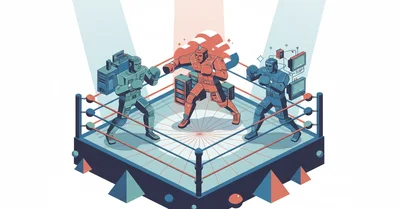
Mid-market companies earning between $5M and $250M face a tough ERP choice among Odoo, NetSuite, and SAP. This article cuts through marketing fluff to reveal who each platform truly serves and the real costs involved. With ERP decisions shaping a decade of operations, understanding these differences is crucial. Businesses must weigh features, scalability, and price before committing to avoid costly regrets.
-
Amazon Eyes Selling Chips by the Rack
 research →
Amazon CEO Andy Jassy revealed that if AWS’s chip business operated independently, it would generate around $50 billion annually by selling chips to AWS and third parties. Demand is so high that Amazon may soon sell entire racks of its home-grown Graviton chips to outside customers, though it has so far declined requests to buy all its AI server capacity. This signals a major push into the AI hardware market, challenging established players like Nvidia. The next steps will likely involve expanding third-party sales and scaling chip production to meet soaring demand.
-
Superfast Wi-Fi Transforms In-Flight Experience
 research →
Passengers are now holding Zoom meetings and playing low-latency games at 35,000 feet thanks to superfast Wi-Fi powered by Elon Musk’s Starlink. Airlines like United are set to roll out this high-speed internet on flights to and from Australia, revolutionizing how travelers work and entertain themselves midair. This leap in connectivity marks a major shift in onboard expectations, promising more productivity and comfort in the skies. The rollout is expected to expand, reshaping the future of commercial aviation.
-
US Mobile Teams Up with Starlink
 research →
US Mobile is entering the home internet market by partnering with Starlink to offer a combined mobile and residential internet service. This unique move leverages US Mobile’s ability to switch between the three major cellular networks, now integrating satellite broadband for seamless connectivity. Customers will enjoy a single bill through US Mobile, simplifying their experience. This partnership could shake up the home internet landscape, especially in underserved areas. Next steps include rolling out the service and competing with established providers like AT&T’s OneConnect.
-
Indian IT Giants Signal Layoff Surge
 research →
Major Indian IT firms including Infosys, HCL Technologies, and Hinduja Global Services have filed multiple WARN notices across US states like Texas, Florida, and Pennsylvania in early 2026. These filings indicate layoffs surpassing the entire 2025 figures, highlighting rapid restructuring driven by AI's impact on billion-dollar transformation deals. Industry experts warn that onsite US employees face growing redeployment challenges amid shrinking demand. The coming months will reveal how these companies navigate workforce shifts in an AI-driven landscape.
-
Agentic CRM: The Future of Work
research →
At the recent HumanX conference in San Francisco, Bret Taylor, CEO of Sierra and ex-Salesforce co-CEO, unveiled a groundbreaking shift in enterprise software interaction. Sierra’s new AI agent, Ghostwriter, can autonomously create specialized agents from natural language prompts, eliminating the need for traditional clicking interfaces. This innovation promises to simplify complex workflows and transform how businesses operate. Industry watchers expect this agentic CRM approach to redefine productivity in the coming years.
-
Amazon's Leo Satellite Internet Set for 2026
 research →
Amazon CEO Andy Jassy announced that the company's satellite internet service, Leo, will launch by mid-2026. The network promises download speeds up to 1 Gbps, significantly faster than Starlink’s current offerings. Major partners like Delta, JetBlue, AT&T, and NASA are already on board for early use. While consumer availability details remain unclear, Leo aims to disrupt the satellite internet market with faster speeds and lower costs. The next step is scaling up satellite deployment to meet this ambitious timeline.
-
Salesforce Shifts Amid AI Revolution
 research →
Salesforce remains vital but faces a shift as companies rethink usage in the AI era. Blavity’s CEO, Morgan DeBaun, plans to cut CRM costs by replacing Salesforce with AI-driven alternatives after 2027, aiming for 50-60% savings. Yet, Slack stays indispensable despite AI advances. Salesforce’s new Agentforce Script offers precise AI control, signaling a hybrid future. The CRM landscape is rebuilding from scratch, with major changes ahead at events like SaaStr AI Annual 2026.
-
DOJ Probes NFL Media Deals
 research →
The U.S. Department of Justice has launched an antitrust investigation into the NFL's media rights agreements, scrutinizing whether these deals inflate costs for viewers. This probe challenges the 1961 Sports Broadcasting Act's exemption that lets the league negotiate collectively. With the NFL eyeing new contracts and possible partnerships with Netflix, the inquiry could reshape how fans access games. The league insists its model remains fan-friendly, with over 87% of games on free broadcast TV.
-
Apple Cracks Down on Vibe Coding Apps
 research →
Apple's App Store guidelines have led to the removal of three popular vibe coding apps in the last month, including the widely used app Anything. Vibe coding, which lets users create apps and websites by chatting with AI models like ChatGPT and Claude, has surged in popularity but now faces hurdles due to Apple's strict policy against unreviewed software delivery. Apple insists this move is about user privacy and security, not targeting vibe coding specifically. The industry now watches closely to see how developers will adapt to guideline 2.5.2 and whether Apple will soften its stance.
-
Intel’s EMIB-T Boosts AI Chip Power
 research →
Intel’s EMIB-T packaging technology, featuring through silicon vias, is set to roll out in fabs this year, overcoming power and scaling limits of previous designs. This advance comes as TSMC’s CoWoS capacity remains tight, positioning Intel to capture billions in packaging revenue. The tech targets high-power AI accelerators, crucial as AI workloads demand more robust hardware. Next steps include production ramp-up and broader adoption in AI chip manufacturing.
World Politics 11
-
Taiwan Faces Rising Chinese Military Pressure
 research →
Taiwanese officials warn of escalating Chinese naval and air activity near the island, even as Beijing promotes peace talks with Taiwan's opposition leader Cheng Li-wun. The opposition Kuomintang’s resistance to increased defense spending complicates Taiwan’s efforts to bolster security amid growing threats. With the U.S. distracted by Middle East conflicts and a looming Trump-Xi summit, Taiwan fears its resolve may be questioned. The government stresses the urgent need to demonstrate determination to defend itself and maintain international support.
-
US and Iran Gear Up for Ceasefire Talks
 research →
Negotiators from the US and Iran are preparing for critical ceasefire talks set to begin in Islamabad, aiming to halt escalating violence involving Israel and Hezbollah. The talks come amid heightened tensions, including a recent drone attack on Kuwait blamed on Iran-linked militias. While hopes for a formal agreement remain low, these discussions mark a pivotal step toward stabilizing the region, with parallel Israel-Lebanon negotiations also planned in Washington next week.
-
Guinea-Bissau Activist Murder Sparks Outcry
 research →
The body of Vigario Luis Balanta, a 35-year-old activist and vocal critic of Guinea-Bissau's military rulers, was found brutally murdered near Bissau. His killing, marked by gunshot wounds and stab injuries, has heightened tensions in the country following the recent coup. Balanta’s death underscores the dangerous environment for dissenters under the new regime. The UN has condemned the killing as brutal, and civil society groups demand justice as the nation grapples with political instability.
-
Djibouti's Guelleh Eyes Sixth Term
 research →
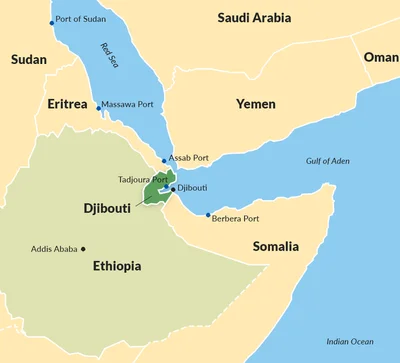
Ismail Omar Guelleh is poised to secure a sixth term as Djibouti’s president after parliament removed the 75-year age limit last October. The 78-year-old leader, in power since 1999, faces minimal opposition and continues to emphasize national unity amid regional instability. His rule has transformed Djibouti into a key military and commercial hub in the Horn of Africa. The election outcome will likely reinforce his long-standing grip on power and Djibouti’s strategic role.
-
Venezuelan Protests Demand Pay Hikes
 research →
Tensions flared in Caracas as around 2,000 Venezuelan protesters clashed with police demanding higher wages and pensions amid a deepening cost-of-living crisis. Despite acting President Delcy Rodríguez announcing a wage increase on May 1, demonstrators rejected token raises, calling instead for meaningful salary boosts with real purchasing power. The unrest highlights growing frustration with the interim government following Nicolás Maduro's ousting in January. Observers now watch closely to see if the administration will meet protesters’ demands or face escalating unrest.
-
Israel and Lebanon Set to Talk Peace
 research →
Israeli Prime Minister Benjamin Netanyahu announced plans to begin direct negotiations with Lebanon soon, aiming to disarm Hezbollah and normalize relations. This move follows Lebanon's repeated calls for demilitarization amid ongoing conflict, despite a ceasefire between Iran and the US that excludes Lebanon. Talks are expected to start next week in Washington, signaling a potential shift in Middle East tensions. The outcome could reshape regional security and influence the fragile Iran-US ceasefire.
-
Japan Moves to Rewrite Constitution
 research →
Japan's ruling coalition, led by the Liberal Democratic Party and Japan Innovation Party, has proposed forming a committee to draft constitutional amendments, focusing on national emergencies and formal recognition of the Self-Defense Forces. This marks the most significant push since World War II to alter Article 9, which renounces war and forbids military forces. Prime Minister Sanae Takaichi, fresh off a landslide election win, argues the changes reflect Japan's current reality and security needs. The debate signals a pivotal shift in Japan’s national identity and defense policy, with deliberations just beginning in the Diet.
-
Lebanon Pushes for Ceasefire Ahead of Talks
 research →
Lebanon is calling for a temporary ceasefire to pave the way for broader peace talks with Israel, according to a senior Lebanese official. This move follows Israeli Prime Minister Benjamin Netanyahu's announcement to start direct negotiations soon. The talks, expected to be mediated by the U.S., aim to address longstanding tensions and could reshape regional dynamics. No dates or locations have been set yet, but the initiative signals a potential thaw in a historically volatile relationship.
-
US to Host Israel-Lebanon Talks Next Week
 research →
The US Department of State announced it will host direct negotiations between Israeli and Lebanese officials next week in Washington, aiming to discuss a ceasefire and disarmament of Hezbollah. This move follows Israeli Prime Minister Benjamin Netanyahu's directive to resolve the conflict swiftly. The talks come amid ongoing tensions and conflicting ceasefire claims involving the US, Israel, Iran, and Lebanon. Observers will watch closely to see if these discussions can pave the way for lasting peace in the region.
-
Middle East Ceasefire Faces Lebanon Rift
 research →
Despite a ceasefire agreement between the US and Iran, fighting in Lebanon continues, with Israel striking over 100 targets. French President Emmanuel Macron and other world leaders urge Lebanon's inclusion in the truce to ensure lasting peace. Israeli Prime Minister Netanyahu has offered to start direct talks with Lebanon focused on disarming Hezbollah and stabilizing relations. The situation remains volatile as conflicting views on Lebanon's role in the ceasefire persist.
-
Philippines Launches Strategic South China Sea Base
 research →
The Philippines has officially opened a new coast guard command center on Thitu Island in the contested South China Sea, aiming to strengthen its sovereignty in a region heavily patrolled by Chinese forces. This base covers about 68,000 square kilometers and marks a significant upgrade from previous oversight based in Palawan. The move underscores ongoing tensions as China continues to assert broad claims over the sea, despite international rulings against them. The Philippines plans to maintain a permanent commodore-level commander and enhanced maritime presence to safeguard its interests.
Business & Economy 14
-
Ecuador's Economy Poised for Recovery
 research →
Ecuador’s economy is set to rebound with a 2.0% growth forecast in 2026 after a 2% contraction in 2024, supported by a $5 billion IMF Extended Fund Facility approved in 2024. The country faces a severe oil production slump to a 22-year low, straining fiscal revenues and widening the deficit to $5.3 billion. However, booming non-oil exports, especially record shrimp sales, are helping offset losses. Despite these gains, security risks and fiscal fragility continue to challenge investor confidence. The government’s next steps will focus on stabilizing finances and sustaining export growth.
-
Foreign Investors Pull Billions from India
 research →
Foreign portfolio investors sharply sold off Indian financial stocks in late March, withdrawing over ₹60,000 crore—the largest outflow since 2012. This sell-off accounted for 43% of the total ₹67,081 crore pulled from 21 sectors amid valuation concerns and geopolitical tensions. Meanwhile, domestic mutual fund inflows hit a record high, showing strong local investor confidence. The Reserve Bank of India's aggressive intervention to stabilize the rupee has sparked worries among global investors, potentially complicating future inflows. Market watchers now await how these dynamics will shape India's financial markets in the coming months.
-
Indian Banks Exit Forex Bets Ahead of RBI Deadline
 research →
Indian banks have swiftly unwound nearly all their $40 billion net open positions in overseas forex markets ahead of the Reserve Bank of India's April 10 deadline. This decisive move reflects the tightening regulatory stance, limiting banks' compliance flexibility. With positions scaled back to the new $100 million cap, the rupee is expected to trade between 93 and 94.50 per dollar, showing a mild depreciation trend. Market watchers now await how this will impact currency volatility going forward.
-
China’s Factory Prices Break Deflation Streak
 research →
China’s factory-gate prices rose 0.5% in March, ending a 41-month deflation streak as the Iran war drives up global oil costs. This imported inflation pressures corporate margins and complicates Beijing’s economic recovery efforts. Analysts warn that without stronger domestic demand, growth could slow further. The government faces tough choices balancing stimulus with rising costs.
-
IMF Slashes Global Growth Outlook Amid Mideast War
 research →
The International Monetary Fund announced a downward revision of its global growth forecast due to the ongoing Middle East conflict. IMF Managing Director Kristalina Georgieva highlighted the war’s lasting damage, including soaring energy prices, infrastructure destruction, and disrupted supply chains. The fund plans to allocate up to $50 billion in emergency aid to affected countries, while warning that food insecurity could impact 45 million people. This grim outlook signals prolonged economic challenges ahead despite a fragile ceasefire.
-
South Korea Labor Talks Hit Snags
 research →
President Lee Jae Myung met with KCTU leader Yang Kyung-soo to discuss workers' rights amid controversy over a law forcing employers to convert non-regular workers to permanent status after two years. Lee criticized the law for backfiring, causing employers to limit contracts to just under two years. Yang praised some government policies but pushed for higher minimum wages and AI labor impact assessments. The talks signal ongoing tensions as South Korea seeks balanced labor reforms.
-
Middle East Oil Supply Under Threat
 research →
Oil prices surged as attacks on Saudi Arabia’s energy infrastructure slashed production by nearly 600,000 barrels a day, pushing Brent crude above $96 and WTI near $99 per barrel. The fragile US-Iran ceasefire has done little to ease fears over supply disruptions, especially around the critical Strait of Hormuz. Investors remain cautious as geopolitical tensions continue to cast a shadow over global oil markets. The situation demands close monitoring as any further escalation could tighten supplies and drive prices higher.
-
Gas Prices Fuel US Inflation Surge
 research →
US inflation is set to jump sharply to around 3.4% in March, driven by soaring gas prices following the Iran war. This marks the largest monthly increase since 2022 and threatens the Federal Reserve's 2% inflation target. Policymakers are now signaling possible interest rate hikes to combat sustained inflation pressures. The coming months could see continued volatility in energy costs, complicating economic recovery efforts.
-
US Debt Interest Hits Record High
 research →
The US government’s interest payments on its massive Treasury debt surged to $307 billion in Q4 2025, up 2.4% from the previous quarter. Despite a strong rise in tax receipts to a record $902 billion, the growing debt burden continues to strain federal finances. This trend highlights the challenge of balancing fiscal responsibility with economic demands. Analysts warn that managing this debt will be critical as the government navigates future budget pressures.
-
Bank of Korea Holds Rates Amid Middle East Tensions
 research →
The Bank of Korea maintained its benchmark interest rate at 2.5% for the seventh straight time, citing ongoing uncertainty from the Middle East conflict. This cautious stance reflects concerns over rising inflation, currency volatility, and slowing growth prospects. The central bank has been easing since October 2024 but paused rate cuts last July. Markets now await the next policy meeting on May 28 to gauge future moves.
-
Gold Climbs Amid US-Iran Ceasefire Hopes
 research →
Gold prices edged slightly lower on Friday but are set for a third straight weekly gain, buoyed by renewed optimism over a US-Iran ceasefire. The easing conflict has softened inflation fears and reduced expectations for aggressive US interest rate hikes, supporting gold's appeal as a safe haven. Despite recent volatility linked to the Middle East tensions, investors are closely watching developments that could stabilize markets further.
-
Iran's Corn Buying Sparks Global Concern
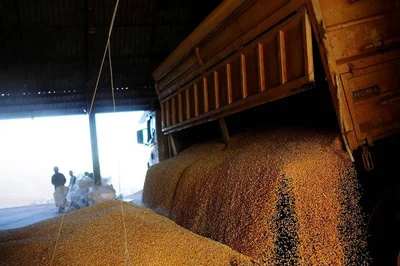 research →
Iran has emerged as the leading buyer of Brazilian corn, accounting for 22% of exports last year, with 9.1 million tons purchased amid ongoing Middle East tensions. This surge in demand highlights the region's critical role in global grain markets but raises worries about supply stability given the fragile ceasefire. The situation underscores broader economic risks, as the IMF warns of up to $50 billion in aid needed for war-affected economies. Market watchers now await how these geopolitical strains will shape future trade flows and food security.
-
Latin America Faces Economic Shifts, Argentina Gears Up
 research →
Latin America is navigating significant economic and political changes as S&P downgrades Colombia for the second time this year amid fiscal worries, yet Colombia’s stock market edges up. Meanwhile, Argentina’s Congress debates the Glacier Law amid political tensions, and the national football team prepares for World Cup friendlies against Honduras and Iceland in the U.S. These developments highlight regional challenges and resilience ahead of key elections and global events.
-
Trump Threatens 20% Tariff on EU Cars
 research →
President Donald Trump has announced plans to impose a 20% tariff on all European Union car imports unless the EU removes trade barriers against US goods. This move escalates ongoing trade tensions following the EU's retaliatory tariffs on $3.3 billion of American products like Harley-Davidson motorcycles and bourbon. The threat risks broadening the trade war beyond China, impacting global markets. Next, diplomatic talks and potential negotiations will be closely watched to see if the dispute can be de-escalated.
Crypto & Fintech 17
-
Serve First Raises €5.7M to Expand AI Platform
 research →
Serve First, a UK-based AI customer experience startup, has secured €5.7 million in funding to accelerate growth beyond the UK. The Milton Keynes company, which tripled its recurring revenue by July 2025, plans to hire a Chief Revenue Officer and enhance its AI-driven platform that transforms customer feedback into actionable insights. This fresh capital follows a previous £4.6 million round and signals strong investor confidence as Serve First scales internationally.
-
India Plans Delay on UPI Payments Over ₹10,000
 research →
The Reserve Bank of India (RBI) is considering a one-hour delay on UPI transactions exceeding ₹10,000 to combat rising digital payment fraud. This move aims to add a security buffer for high-value transfers, alongside other proposed safeguards like extra authentication and user-controlled payment controls. Stakeholders have been invited to provide feedback on these measures. If implemented, this could reshape how Indians handle significant digital payments daily.
-
Bithumb Moves to Seize Errant Bitcoin
 research →
South Korean crypto exchange Bithumb has initiated legal action to reclaim 7 BTC valued at nearly $500,000 from users who refused to return Bitcoin mistakenly sent during a massive February glitch. The error had briefly distributed over 620,000 BTC worth more than $43 billion due to a system malfunction. This move sets a legal precedent for exchanges pursuing asset recovery amid disputes, following new regulatory mandates for faster balance checks. The case highlights growing scrutiny on crypto operations in South Korea and signals stricter enforcement ahead.
-
SSS Unveils Next-Gen On-Chain Trading
 research →
SSS has pioneered a fully on-chain trading system that rivals centralized exchanges in user experience by solving latency, precision, and consistency challenges. Unlike traditional AMM-based DEXs, it uses an internal ledger and orderbook-style logic to enable instant balance updates and precise limit orders. This hybrid approach offers fast ACK responses (~0.15s) with fully verifiable on-chain settlement (~2–3s), promising a new era of decentralized high-performance trading. The next step is broader adoption and integration across DeFi platforms.
-
Stablecoin Volume Set to Surge Soon
 research →
Stablecoin trading volumes are forecasted to grow significantly in the near future, reflecting increasing adoption and trust in these digital assets. This growth signals a maturing crypto market where stablecoins play a crucial role in liquidity and transactions. As regulatory clarity improves and use cases expand, market watchers expect stablecoins to become even more integral to everyday crypto activity.
-
Japan Reclassifies Crypto as Financial Instruments
 research →
Japan has officially amended its Financial Instruments and Exchange Act to classify cryptocurrencies as financial instruments, elevating their regulatory status beyond mere payment methods. This change introduces stricter transparency requirements for crypto issuers and bans insider trading, aligning crypto with traditional securities markets. Finance Minister Satsuki Katayama emphasized the move aims to boost growth capital supply while protecting investors. The updated framework signals Japan’s commitment to integrating crypto into mainstream finance, with increased penalties for unregistered exchanges. Market participants now await how these rules will shape institutional crypto investment in the coming months.
-
BlackRock Bitcoin ETF Hits $269M Inflows
 research →
BlackRock’s iShares Bitcoin Trust saw a surge of $269.3 million in inflows on Thursday, marking its strongest day since early March amid geopolitical tensions. This influx helped reverse two days of outflows across US spot Bitcoin ETFs, which collectively netted $358.1 million in inflows. Other notable performers included Fidelity’s FBTC with $53.3 million and Morgan Stanley’s MSBT, which added $14.9 million on its second trading day. The renewed institutional interest signals growing confidence in Bitcoin ETFs despite recent market volatility. Investors will be watching closely to see if this momentum continues into Q2.
-
Quantum-Safe Bitcoin Without Protocol Change
 research →
A StarkWare researcher, Avihu Levy, has unveiled a groundbreaking Quantum Safe Bitcoin (QSB) scheme that can secure Bitcoin transactions against quantum attacks without requiring a protocol upgrade. This method replaces traditional signature puzzles with hash-based proofs, ensuring safety even against large-scale quantum computers running Shor’s algorithm. However, the solution is costly—up to $200 per transaction—and is seen as a temporary emergency measure rather than a daily-use fix. The Bitcoin community remains divided on quantum-proofing strategies as this proposal offers a crucial stopgap while long-term solutions are developed.
-
Coinbase Clash Deepens Crypto Crisis
 research →
Coinbase, led by Brian Armstrong, faces mounting pressure as it battles the stalled Clarity Act in the US Senate, sparking a rift within the crypto industry and escalating tensions with big banks. The legislation, crucial for regulating stablecoin yields, remains blocked amid fierce debate, causing Coinbase's stock to plunge over 60% since last July. Treasury Secretary Scott Bessent urges Congress to act swiftly, warning that US leadership in crypto innovation is at stake. With midterms approaching, the industry's future hinges on breaking this legislative deadlock.
-
RBI Eases MSME Credit via TReDS
 research →
The Reserve Bank of India has removed due diligence requirements for onboarding onto the TReDS platform, aiming to boost credit flow to micro, small, and medium enterprises amid global economic pressures. This move is expected to ease working capital constraints and enhance liquidity, especially for export-oriented and supply chain businesses. Revised guidelines also simplify onboarding and allow financiers to access credit guarantees, signaling a critical step to support MSMEs. Stakeholders now await the implementation phase to see tangible benefits.
-
Crypto Volume Bugs Skew Market Data
 research →
A developer uncovered three subtle bugs in crypto exchange volume data that inflated trading figures to implausible levels, including a staggering $180 trillion daily turnover for a single token. The errors, hidden in simple Python scripts, highlight risks in relying on unverified data feeds for market analysis. This revelation calls for more rigorous checks as crypto trading volumes influence investment decisions and market perceptions. Industry watchers await updates on fixes and improved data transparency from exchanges.
-
Solana Unveils Coercion-Resistant Blockchain Voting
 research →
A groundbreaking electronic voting system has been launched on the Solana blockchain, introducing verifiable Instant Runoff Voting (IRV) combined with extreme coercion resistance. This new platform uses a matrix-based ballot and a unique 'hedgehog/nullification' protocol, allowing voters to anonymously cancel coerced votes with cryptographic proofs. The innovation promises unprecedented transparency and security in elections, potentially reshaping future democratic processes. Experts now watch closely as real-world trials are anticipated to validate its effectiveness.
-
Ex-SEC Chief Joins Securitize Leadership
 research →
Brett Redfearn, former SEC trading chief and Coinbase capital markets head, has been named president of tokenization platform Securitize. His appointment comes as the firm gears up for a public listing, aiming to bridge traditional finance with blockchain innovation. This move underscores the growing trend of regulators transitioning into crypto roles, raising questions about oversight and industry expertise. Securitize plans to leverage Redfearn’s regulatory background to scale its tokenized asset offerings and navigate complex policies ahead.
-
Digital Art Sales Surge, Pioneers Return
 research →
Digital art sales are skyrocketing, transforming the market and spotlighting early innovators once again. Driven by a new generation of collectors, this shift signals a structural change in how art is bought and valued. Experts caution, however, that art remains a long-term, illiquid asset rather than a quick investment. As the market evolves, both collectors and investors will need to adapt to this dynamic landscape.
-
Binance Launches Gasless Prediction Markets
 research →
Binance has integrated prediction markets into its Wallet app via a partnership with Predict.fun, offering users a gasless way to trade on real-world event outcomes. By covering all transaction fees on the BNB Smart Chain, Binance aims to tap into the booming $20 billion prediction market sector. This move deepens crypto’s foothold in speculative markets despite regulatory scrutiny faced by similar platforms. Going forward, Binance users can expect seamless access to these markets without leaving the app, potentially broadening retail participation.
-
Banks Hold Back on Stablecoins Despite Surge
 research →
Banks remain cautious about stablecoins even as the market booms, with only 7% of smaller U.S. banks exploring frameworks and none piloting projects, according to S&P Global. This hesitation highlights concerns over deposit risks and modernization costs amid rising competition. Meanwhile, stablecoins like Tether’s USDT and Circle’s USDC continue to dominate crypto payments and settlements. The question now is not if stablecoins will last, but how they will transform banking models going forward.
-
Scroll Mainnet Hits ETH Transaction Snag
 research →
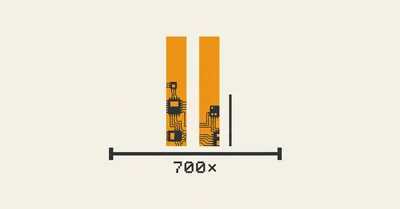
The Scroll mainnet is facing a puzzling transaction failure where users see 'insufficient funds' errors despite having ETH balances. Investigations revealed the issue stems from unexpectedly high Layer 1 fee calculations, not gas or execution costs. This glitch disrupts normal transfers and raises concerns about fee estimation accuracy on Scroll’s network. Developers are now working on fixes to restore reliable transaction processing.
War & Conflicts 12
-
S. Korea Secures Arms Supply Amid Mideast Crisis
 research →
South Korea’s Defense Minister Ahn Gyu-back inspected LIG Defense & Aerospace on April 10 to assess how the Middle East war is disrupting the domestic arms supply chain. With rising global oil prices and supply uncertainties, Ahn emphasized the critical role of the arms industry in national security and economic growth. The government pledged full support to stabilize the supply chain as the conflict continues to pose risks. This move signals Seoul’s proactive stance to safeguard defense manufacturing amid global turmoil.
-
Myanmar Coup Leader Takes Presidency
 research →
Min Aung Hlaing, Myanmar's coup leader, was sworn in as president on April 10, 2026, solidifying his control five years after toppling the elected government. His inauguration in Naypyidaw marked a formal shift from military to civilian rule, though the country remains mired in conflict and instability. Promising to improve international ties and democracy, his presidency faces significant challenges ahead. Observers will watch closely how this new chapter unfolds amid ongoing civil strife.
-
US-Iran Ceasefire Sparks Regional Tensions
 research →
Following a Pakistan-brokered ceasefire, US and Iran delegates are meeting in Islamabad to negotiate an end to hostilities. Meanwhile, Israel is expanding buffer zones in Gaza, Syria, and Lebanon, signaling preparation for a prolonged conflict. This dual approach highlights the fragile balance between diplomacy and ongoing regional instability. Observers await whether talks will yield lasting peace or merely a pause in violence.
-
Pakistan Eases Visas for US-Iran Talks
research →
Pakistan will grant visa on arrival to all delegates and journalists attending the pivotal 'Islamabad Talks 2026,' announced Deputy Prime Minister Ishaq Dar. This move facilitates the arrival of US and Iranian leaders for high-stakes negotiations following a deadly six-week war. With over 10,000 security personnel deployed, Islamabad is on high alert to ensure safety during these historic talks. The world watches closely as these discussions could reshape regional stability and global economic outlooks.
-
German Army’s Vision: The Glass Battlefield
 research →
The German Army is embracing a future where warfare is dominated by rapid data processing and transparency on the battlefield. Lieutenant General Dr Christian Freuding described the battlefield as becoming 'glass-like,' with drones, sensors, and satellites feeding real-time information. This shift to 'data-centric warfare' means that the side that can analyze and act on information fastest will hold the decisive edge. The Bundeswehr is now overhauling its strategies to prioritize speed and information dominance in combat.
-
India Army Sharpens Air-Ground Strike
 research →
India’s Army showcased a leap in battlefield firepower with a Prachand helicopter sortie in Karnataka and the first-ever Apache attack helicopter firing in Rajasthan. These demonstrations highlight rapid target acquisition and precision strikes, enhancing close air support for ground troops amid complex threats. The integration of indigenous platforms like Prachand signals a push for self-reliance in frontline combat. Next steps include operational deployment and further refining of these capabilities.
-
US to Auto-Register Men for Military Draft
 research →
The U.S. Selective Service System will automatically register all men aged 18 to 26 for the military draft by December, following a new federal mandate. This change, mandated by the 2026 National Defense Authorization Act, shifts registration responsibility from individuals to the government, aiming to streamline the process. While the draft hasn't been active since 1973, this move raises concerns amid ongoing global tensions. Officials have yet to clarify if this signals a return to compulsory service.
-
Lockheed Martin Wins $4.76B Army Deal
research →
Lockheed Martin has secured a massive $4.76 billion contract from the U.S. Army to produce PAC-3 Missile Segment Enhancement missiles. This deal covers all aspects from manufacturing to technical management, with work spread across multiple U.S. locations including Alabama and Florida. The contract underscores the Pentagon’s commitment to upgrading missile defense capabilities amid rising global tensions. Production is set to ramp up immediately, promising a boost in defense readiness.
-
Putin Calls Easter Weekend Ceasefire
 research →
Vladimir Putin has ordered a 32-hour ceasefire in Ukraine starting 4 p.m. Saturday to mark Orthodox Easter, responding to a call from Volodymyr Zelenskyy for a holiday pause. The Kremlin decree instructs Russian forces to halt combat operations but remain on alert. Previous ceasefires have failed to hold, and Kyiv has yet to comment on this latest move. The coming weekend will test whether this truce can break the cycle of violence.
-
Germany's Draft Debate Sparks Youth Protests
 research →
Around 50,000 young people protested in about 150 cities against the proposed reintroduction of conscription in Germany, which could be triggered if the voluntary enlistment target of 20,000 is not met this year. The Bundestag's recent military service modernization law has shifted school strikes from climate issues to security concerns. Defense Minister Boris Pistorius clarified that men aged 17 to 45 do not need permission for foreign travel, easing public tensions. Meanwhile, calls grow for mandatory reservist training paired with stronger job protections.
-
Finland Boosts Arsenal with 112 K9 Howitzers
 research →
Finland has ordered an additional 112 K9 self-propelled howitzers from South Korea in a deal worth approximately $634 million. This marks the second major contract between the two nations, reinforcing Finland's artillery capabilities amid rising security concerns in Northern Europe. The K9 howitzers, known for their mobility and firepower in harsh climates, are already used by over 10 countries including six NATO members. The deal underscores South Korea's growing footprint in the global arms market and sets the stage for further defense exports.
-
Pentagon Dumps Anthropic, Boosts AI Startups
 research →
The Pentagon has cut ties with its major AI vendor, Anthropic, sparking a surge of interest in smaller defense AI startups like Smack Technologies and EdgeRunner AI. This shift marks a strategic move to diversify AI providers amid growing distrust. For these startups, landing Pentagon contracts could unlock broader government and commercial opportunities. The defense sector’s AI landscape is rapidly evolving as the military seeks safer, more reliable partners.
Disasters & Emergencies 14
-
Shalimar Express Derails Near Sheikhupura
 research →
The Lahore-bound Shalimar Express derailed near Sheikhupura on Friday, suspending rail traffic on the Faisalabad–Lahore route. Fortunately, no injuries or casualties were reported, and a relief train is working to re-rail the coach. This incident follows a recent derailment of the same train near Shahdadpur, raising concerns about railway safety. Authorities are investigating the causes while service restoration efforts continue.
-
Climbers Rescued After Three Harrowing Nights
 research →
Two climbers were rescued from Fiordland National Park after spending three nights stranded on a steep mountainside amid severe weather. Their decision to activate a personal locator beacon and stay put was crucial to their survival. Rescuers faced multiple attempts before successfully extracting them near Sabre Peak. The climbers were airlifted to Te Anau for medical checks, highlighting the dangers of Fiordland's rugged terrain. Authorities urge caution as weather conditions remain unpredictable.
-
Frontier Plane's Narrow Escape at LAX
 research →
A Frontier Airlines flight with 217 passengers and 7 crew members narrowly avoided a collision with two trucks on a taxiway at LAX, prompting an FAA investigation. The pilot described the incident as the closest call he’s ever experienced, having to brake suddenly to avoid impact. No injuries were reported, but the event highlights potential blind spots in air traffic control monitoring. Authorities have yet to identify the truck drivers involved, and the FAA’s inquiry will determine how to prevent similar near misses.
-
Mexican Miner Rescued After 13 Days Underground
 research →
After 13 harrowing days trapped in a collapsed gold mine in Sinaloa, Francisco Zapata Nájera was miraculously rescued by a specialized Mexican army emergency team. The rescue involved navigating flooded tunnels with near-zero visibility, highlighting the perilous conditions underground. While this survival story brings hope, one miner remains missing and the search continues amid ongoing investigations into the collapse.
-
Deadly Fall at Kawasaki Steelworks
 research →
A tragic accident struck the Kawasaki Steelworks in Kanagawa Prefecture on April 7, when a 500-ton weight collapsed during crane dismantling, causing five workers to fall. Three workers have died, and authorities continue searching for one missing person. The police are investigating possible negligence as they probe the cause of the weight's fall. This incident raises urgent safety concerns at industrial sites, with investigations ongoing.
-
UK Tracks Russian Spy Subs Near Cables
 research →
The UK has tracked and deterred three Russian submarines operating covertly in its northern waters for a month, targeting vital undersea cables and pipelines. Defence Minister John Healey confirmed no damage was found, but warned Russia against any attacks. The incident highlights concerns over the UK's military readiness and has sparked calls for increased defence spending to counter future threats.
-
Windstorm Ravages Ebonyi Church
 research →
A fierce windstorm struck the Okpuitumo Community in Ebonyi State at around 3 a.m., demolishing the roof of the Assemblies of God Church and damaging nearby shops. Despite the destruction of properties worth millions of naira, no casualties were reported. Worshippers are now forced to hold services outdoors amid challenging conditions. The community reels from the impact, with recovery efforts expected to focus on rebuilding the church and local infrastructure.
-
Deadly Israeli Strikes Devastate Beirut
 research →
On April 8, Israeli forces launched their largest coordinated attack on Beirut in years, hitting over 100 targets within minutes and killing at least 250 people across Lebanon. The strikes, aimed at Hezbollah, shattered hopes for regional calm following a US-Iran ceasefire and left the city reeling with widespread destruction and grief. Hospitals struggled with the influx of casualties, as families identified mangled bodies amid the rubble. The conflict’s escalation signals a grim outlook for Lebanon’s stability and civilian safety.
-
Spain Probes Train Crash Security Failures
 research →
Spain is intensifying its investigation into the January 18 train crash in Adamuz, Córdoba, which killed 46 people. Authorities are seeking access to the Deuta system data from the Renfe Alvia train, which could shed light on the safety system's response and the train's sudden braking before the collision. Victims' groups are also demanding scrutiny of emergency services, which reportedly struggled with outdated communication tools during the disaster. The probe's findings could lead to major safety reforms on Spain's high-speed rail lines.
-
Millions of Radioactive Gallons Dumped in Hudson
 research →
For over six decades, the now-closed Indian Point nuclear plant discharged millions of gallons of radioactive water annually into New York’s Hudson River, a newly uncovered 1970 federal report reveals. This long-hidden environmental hazard caused massive fish kills and exceeded chemical safety limits, raising fresh concerns as courts recently approved releasing an additional 45,000 gallons yearly. The findings spotlight ongoing risks to the river’s ecosystem and public health, prompting calls for tighter oversight and cleanup efforts. Authorities and environmental groups are now watching closely to see how the legacy contamination will be addressed.
-
Deadly Multi-Vehicle Crashes Rock Hong Kong Highway
 research →
Two separate multi-vehicle collisions on Hong Kong’s San Tin Highway have left one bus driver dead and 16 others injured. The fatal crash involved a 49-year-old mainland Chinese bus driver who failed to brake in time, triggering a chain reaction among five vehicles. Authorities rushed the injured to North District Hospital, while investigations continue. These incidents highlight ongoing safety concerns on busy highways, prompting calls for stricter traffic enforcement.
-
Maryland Settles Ship-Bridge Crash Claims
 research →
Maryland has reached a settlement with Grace Ocean Private Limited and Synergy Marine Pte Ltd, owners and operators of the M/V Dali, which crashed into the Francis Scott Key Bridge in March 2024, causing a deadly collapse. The accident severely disrupted the Port of Baltimore and inflicted lasting economic damage across the state. Attorney General Anthony Brown called the settlement a crucial step toward recovery, though details remain undisclosed. Maryland officials emphasize that efforts to fully address the disaster's impact are ongoing.
-
Philadelphia Garage Collapse Kills One
 research →
A seven-story parking garage under construction in Philadelphia partially collapsed on Wednesday, killing one person and leaving two missing. Mayor Cherelle Parker described the collapse as a progressive failure triggered by a precast roof segment falling, affecting all seven levels. Rescue teams continue a complex search amid structural instability, with three people rescued, one critically injured who later died. Authorities vow to continue efforts until all victims are accounted for, highlighting the ongoing danger and uncertainty.
-
Kwara Fire Service Saves Children from Collapse
 research →
On Thursday morning, the Kwara State Fire Service rescued two children, Ahmad (8) and Hussainat (10), from a collapsed two-storey building in Ilorin's Isale area. The swift action prevented further tragedy, as the children were taken to hospital before firefighters arrived to recover belongings and assess the damage. Authorities have now sealed the unsafe building and issued a warning to nearby residents about structural risks. This incident highlights ongoing safety concerns in the region’s aging housing stock.
Science 20
-
Particles Spotted Emerging from Vacuum
 research →
For the first time ever, the STAR collaboration at Brookhaven's Relativistic Heavy Ion Collider has observed particles spontaneously emerging from what was thought to be empty space. This breakthrough confirms quantum chromodynamics' prediction that energy injected into a vacuum can turn virtual quark-antiquark pairs into real particles. The discovery reshapes our understanding of the vacuum and could open new frontiers in particle physics. Researchers now aim to explore how these particles behave and interact under various energy conditions.
-
AI and Experiments Unite in Materials Databases
 research →
Researchers at Tohoku University highlight the crucial role of integrated materials databases combining AI-driven and experimental data in accelerating energy-related discoveries. Their study in Precision Chemistry reveals how better database architectures can enhance AI tools in materials science. This fusion promises faster, more reliable materials innovation, setting the stage for future breakthroughs in energy technologies.
-
Breakthrough in Non-Hermitian Nanolaser Pulses
research →
Researchers have demonstrated a novel method for generating ultrafast pulses from non-Hermitian nanolasers, leveraging advanced interferometric excitation techniques. This breakthrough enables precise control over pulse properties by manipulating phase relationships within integrated photonic devices. The achievement paves the way for next-generation optical technologies with enhanced performance in communications and sensing. Future work will focus on optimizing device integration and exploring new applications in quantum photonics.
-
New Insights Into Diffusional Earthquakes
 research →
Scientists have uncovered a unified scaling law for diffusional earthquakes by studying prolonged earthquake swarms in Northeast Japan. These findings link slow earthquakes, induced seismicity, and swarms through a common diffusive slip model, revealing a bimodal predictability in earthquake behavior. This breakthrough helps clarify why some quakes have bounded slip areas, contrasting with ordinary earthquakes. The next step involves applying this model globally to improve earthquake forecasting and hazard assessment.
-
New Framework Boosts Fusion Power Economics
 research →
A groundbreaking model developed by researchers offers a universal way to assess the economic viability of fusion power plants, regardless of technology type or size. The framework introduces an economic gain factor, Q_econ, controlled by ten key design and cost parameters, providing fresh insights into optimizing fusion energy's commercial potential. This advance could accelerate the path toward affordable, sustainable fusion energy, a long-sought goal in clean power generation. Experts now plan to apply this model to guide future fusion plant designs and investment decisions.
-
Quantum Leap in Ultrafast Pulse Analysis
research →
A team led by Thomas Zacharias has pioneered a quantum version of Frequency Resolved Optical Gating (FROG), enabling the characterization of ultrashort quantum pulses in the near-infrared and visible spectrum. This breakthrough overcomes previous technical limits, opening new avenues for exploring quantum optical phenomena with femtosecond precision. The advance promises to accelerate quantum-enhanced technologies by providing unprecedented insight into pulse temporal structures. Next steps include experimental validation and integration into quantum photonics platforms.
-
Breakthrough Yellow Microlasing Achieved
research →
Researchers have demonstrated the first-ever yellow whispering-gallery-mode lasing from amorphous fluoride microspheres doped with dysprosium, achieving an ultralow threshold of 190 μW. This new approach uses direct blue pumping and a novel amorphous fluoride platform, overcoming traditional limits in visible microlasers. The breakthrough promises compact, low-noise coherent light sources for photonics and sensing technologies. Next steps include integrating this technology into fiber-optic systems and exploring other visible wavelengths.
-
Chiral Light Emission Unlocked at Nanoscale
research →
Researchers have achieved electrically-driven chiral light emission from plasmonic tunnel junctions by integrating nanohelicoids, enabling nanoscale generation of vortex light beams with high handedness selectivity. This breakthrough opens new avenues for advanced optical components in AR/VR, quantum information, and photochemistry. The ability to sculpt photon spin at the nanoscale marks a significant step forward in nanophotonics. Next steps include exploring practical device integration and expanding applications in quantum technologies.
-
Quasicrystal Resonators Revolutionize Nanotech
research →
A breakthrough in nanomechanical resonators has been achieved using quasicrystal architectures, as detailed in a new study by OpenAI researchers. Moving beyond traditional periodic designs, this data-driven approach leverages aperiodic quasicrystals to realize high-quality factor ($Q_m$) resonators with enhanced soft clamping. This innovation could transform precision sensing and quantum technologies by overcoming previous design limitations. Next steps involve experimental validation and integration into practical nanoscale devices.
-
Quartz Crystal Boosts Laser Efficiency
research →
Researchers have achieved a breakthrough in second harmonic generation using a z-cut quartz crystal with a 62-pass multi-pass cell, reaching an efficiency of 0.027%. This represents over a 1000-fold improvement compared to single-pass setups, delivering 1 µJ of second harmonic output from a 3.7 mJ pump pulse. The high beam quality and linear polarization open new avenues for scaling laser conversion efficiencies to tens of percent. This advance could significantly impact photonics and laser technology development.
-
Machine Learning Revolutionizes On-Chip Laser Growth
 research →
Researchers led by Mihir R. Athavale have developed a cutting-edge machine learning workflow that optimizes both growth and geometry in on-chip III-V multi-quantum well microring lasers. This approach uses multi-objective Bayesian optimization and variational autoencoders to drastically reduce device variability, achieving a remarkable 100% lasing yield. This breakthrough addresses a critical bottleneck in scalable photonic integrated circuits, promising more reliable and efficient laser devices. Next steps include applying this method to broader photonic components to enhance manufacturing consistency.
-
Aluminium Poised to Disrupt Catalyst Market
 research →
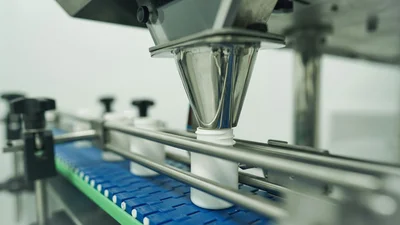
A breakthrough study from Southern University of Science and Technology in Shenzhen reveals that cheap, abundant aluminium can mimic the catalytic power of rare metals like palladium and platinum. This discovery could slash costs for India's pharmaceutical and agrochemical sectors, which heavily rely on expensive transition metals. With aluminium’s catalytic potential unlocked, industries may soon shift towards more sustainable and affordable chemical processes. Researchers are now focused on scaling this innovation for industrial use.
-
AI Agents Show Altruism Without Rewards
 research →
A new study reveals that intelligent agents controlled by spiking neural networks spontaneously develop altruistic behaviors in a competitive grid game, even without explicit cooperation incentives. These agents flexibly switch strategies like attack and rescue, prioritizing teammates over personal gain, mirroring social behaviors seen in animals. This breakthrough sheds light on the neural and social mechanisms behind cooperation, with implications for understanding human teamwork and AI design. Researchers will next explore how these findings can enhance multi-agent systems in real-world applications.
-
Majoron Dark Matter Meets Gravitational Waves
research →
Majoron dark matter, a theoretical particle linked to lepton number symmetry breaking, could soon be detectable using gravitational wave interferometers like Advanced LIGO and KAGRA. Researchers propose that the Majoron’s interaction with photons induces a unique oscillatory birefringence signal, within the sensitivity of current and future laser detectors. This breakthrough opens a novel pathway to probe dark matter properties, potentially transforming our understanding of the Universe’s hidden mass. Upcoming experiments will test these predictions, marking a new frontier in dark matter research.
-
Hidden Brain Drain Uncovered by MRI
 research →
Researchers at the Medical University of South Carolina have discovered a previously unknown brain waste drainage control point involving the middle meningeal artery (MMA). Using advanced real-time MRI technology developed with NASA, they tracked slow-moving cerebrospinal fluid flow in healthy volunteers, revealing a key lymphatic role for the MMA. This breakthrough sheds light on how the brain clears waste, potentially impacting neurological disease understanding and treatment. Next steps include exploring this system’s role in brain health and disorders.
-
India Hits Nuclear Milestone at Kalpakkam
research →
India has achieved nuclear criticality with its fast breeder reactor at Kalpakkam, marking a major step in mastering the closed fuel cycle. This breakthrough, hailed by top scientists as an 'Akshay Patra moment,' underscores the country's growing prowess in advanced nuclear technology. International watchdogs, including IAEA chief Grossi, have praised the milestone, signaling global recognition. Next, India aims to expand its fast breeder program to boost sustainable energy independence.
-
Yellowstone’s Heat Mystery Unveiled
 research →
A groundbreaking study by Chinese Academy of Sciences reveals that Yellowstone’s supervolcano is powered not by a deep mantle plume but by melts from the shallow mantle, driven by tectonic forces. This new understanding challenges long-held assumptions about the volcano’s heat source beneath the iconic park. The findings, published in Science, could improve eruption risk assessments and volcanic monitoring. Scientists hope this model will sharpen predictions for Yellowstone’s future activity.
-
Brain’s Neurons Power Your Imagination
 research →
New research from Cedars-Sinai Medical Center reveals that imagining images activates the same neurons used for actual sight. By studying epileptic patients with implanted electrodes, scientists recorded brain activity as subjects recalled faces and objects. This breakthrough deepens our understanding of how the brain constructs mental images and opens doors for future cognitive therapies.
-
Kikai Volcano Magma Recharges Deep Below
 research →
The Kikai volcano has begun refilling its magma chamber, signaling potential future volcanic activity. This replenishment is crucial as it sets the stage for possible eruptions that could impact local communities and ecosystems. Scientists are closely monitoring the situation to provide early warnings and understand the volcano's behavior better. Continued observation will determine when or if an eruption might occur.
-
Autism and ADHD Share Brain Connectivity
 research →
A new study from the Child Mind Institute reveals that autism severity, not diagnosis, drives unique brain connectivity patterns in children with autism or ADHD. Key networks like frontoparietal and default-mode show stronger links in kids with pronounced autism traits, highlighting a spectrum-based view of neurodevelopmental disorders. This challenges traditional categorical diagnoses and could reshape future research and treatment approaches.
Space & Exploration 12
-
Amazon’s Leo Satellite Network Faces Delay
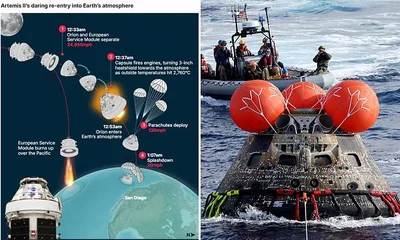 research →
Amazon’s ambitious Leo satellite internet project has hit a delay, pushing back its planned launch timeline. This setback affects the company’s push to compete with established players like Starlink in the satellite broadband market. The delay raises questions about Amazon’s ability to quickly scale its space-based internet services. Industry watchers will be closely monitoring how Amazon adjusts its strategy moving forward.
-
Russia’s Teledroid Robot Set for ISS in 2026
research →
Russia plans to launch its anthropomorphic space robot, Teledroid, to the International Space Station in late 2026. The robot, equipped with artificial vision and capable of mimicking astronaut movements or working autonomously, is in its final development stages. This mission marks a significant step in Russia’s space robotics, aiming to enhance ISS operations. The experiment could begin as soon as late 2026 or early 2027, depending on the equipment delivery schedule.
-
Onboard Processing Boosts Earth Observation
 research →
The Italian-led IRIDE programme is revolutionizing Earth Observation by integrating onboard data processing through its Hawk for Earth Observation (HEO) system. Unlike traditional ground-based methods, this approach reduces latency and bandwidth constraints, enabling faster and more autonomous data analysis. This advancement promises to enhance services like Copernicus Emergency Management and forest fire monitoring. Experts anticipate wider adoption of onboard processing to improve real-time environmental monitoring worldwide.
-
Artemis II Astronauts Near Earth Return
 research →
After a 10-day journey around the Moon, the Artemis II crew is set to re-enter Earth's atmosphere today, aiming for a Pacific Ocean splashdown. NASA is confident in the Orion capsule's heat shield, a critical barrier against temperatures soaring to 5,000°F during the fiery descent. This mission marks a vital step toward establishing a long-term lunar presence and future Mars exploration. All eyes remain on the 13-minute re-entry window that must go flawlessly for a safe return.
-
ISRO Nails Second Gaganyaan Air Drop
 research →
The Indian Space Research Organisation (ISRO) has successfully completed its second Integrated Air Drop Test (IADT-02) for the Gaganyaan mission at the Satish Dhawan Space Centre. This test validates critical safety systems for India's first crewed spaceflight, scheduled for next year, by simulating emergency escape and recovery scenarios. The success boosts confidence in parachute deployment and descent control mechanisms vital for astronaut safety. ISRO engineers will now focus on final preparations ahead of the historic launch.
-
Medieval Japanese Diaries Illuminate Solar Storms
 research →
On February 21, 1204, poet Fujiwara no Teika recorded a rare red glow in the Kyoto night sky, now understood as a low-latitude aurora caused by extreme solar activity. These 800-year-old observations are proving invaluable to modern scientists studying the frequency and impact of solar storms. By combining ancient poetry with tree-ring data, researchers aim to better predict future space weather events that could disrupt technology. This interdisciplinary approach bridges medieval records and cutting-edge astrophysics.
-
Artemis II Crew Faces Harsh Return Trials
 research →
As the Artemis II mission nears its critical splashdown, four astronauts prepare for a perilous re-entry aboard the Orion spacecraft, relying on a heat shield that previously failed tests. Their successful return will mark a pivotal step toward sustained human presence on the Moon and Mars. Immediately after landing, the crew faces rigorous physical tests at NASA’s Johnson Space Center to assess how quickly humans can readapt to Earth’s gravity after extended spaceflight. These trials are vital for planning future long-duration missions beyond Earth orbit.
-
White House Targets 54 NASA Missions
 research →
The White House's new budget proposal threatens to cut funding for 54 NASA science missions, including the Jupiter-observing Juno spacecraft and two upcoming Venus expeditions. This dramatic reduction, part of a 23% overall cut to NASA's budget, could stall critical planetary research and international collaborations like the Mars rover planned for 2028. Scientists warn these cuts risk undermining decades of progress in space exploration. Congress now faces pressure to decide which missions survive.
-
Planet Labs Halts Iran Satellite Images
 research →
California-based Planet Labs has indefinitely stopped sharing satellite images of Iran following a U.S. government request, aiming to prevent escalation in the Middle East conflict. This move, which also delays imagery from the broader region, has sparked debate about public access to crucial information. Experts warn it could set a precedent affecting transparency in global conflict zones. Observers now watch closely to see if other companies follow suit or if the policy will be reversed.
-
Russia Opens Doors to Global Space Ties
research →
Russia declared its full openness to international space cooperation at the Russian Space Forum, with no restrictions or preconditions, according to Denis Kutovoy of Roscosmos. Highlighting partnerships especially with China and BRICS nations, experts see Russia positioning itself as a key player in future space projects. With delegations from 40 countries attending, the forum signals a renewed push for collaborative space exploration. Next steps include advancing joint missions and boosting Russia’s competitiveness in reusable rocket technology.
-
Skyroot’s Vikram-1 Passes Crucial Fairing Test
 research →
Skyroot Aerospace successfully completed the final payload fairing separation test for its Vikram-1 rocket on April 8, marking a key milestone for India’s private space sector. This test ensures the rocket’s nose cone can safely protect satellites during launch and then jettison cleanly in orbit, a vital step before the maiden flight. Using a pneumatic system and high-speed video, the company confirmed the mechanism’s reliability. The successful test paves the way for Vikram-1’s upcoming launch, aiming to boost India’s commercial space ambitions.
-
Earth's Night Lights Surge 16% Since 2014
 research →
Artificial light pollution on Earth has surged by 16% from 2014 to 2022, according to new satellite data analyzed by NASA. This growth is uneven, with rapid increases in regions like sub-Saharan Africa and Southeast Asia driven by urbanization and expanding electricity access. Meanwhile, war-torn and environmentally conscious areas show declines, revealing a complex and volatile global nightscape. Scientists warn this rising glow disrupts ecosystems and human health, prompting calls for smarter lighting policies worldwide.
Health & Medicine 18
-
Nearly 100 Sick After Snack at Ahmedabad Event
 research →
At least 96 people fell ill after eating a local snack called 'sev-khamani' at a religious gathering in Rajpura village, Ahmedabad district. Health officials rushed the affected to hospitals, with 38 still admitted in stable condition. Authorities are investigating the food and water samples to pinpoint the cause of the suspected food poisoning. Meanwhile, over 200 others who consumed the snack received preventive treatment. The incident raises urgent questions about food safety at local events.
-
Amazon Stocks Eli Lilly’s Weight-Loss Pill
 research →
Amazon Pharmacy is now stocking Eli Lilly’s new weight-loss pill at kiosks in its primary care clinics across the U.S., offering same-day delivery to about half of its customers. This move expands access to GLP-1 medications without the need for refrigeration, making distribution easier. Amazon’s partnership with Lilly leverages the drugmaker’s direct-to-consumer platform, aiming to meet growing demand. The company plans to broaden same-day delivery coverage soon.
-
Plant-Based Diet Cuts Cancer Risk—With Surprises
 research →
A landmark global study of over 1.8 million people reveals that vegetarians have lower risks of five major cancers, including breast and prostate, compared to meat-eaters. However, the research also found vegetarians face a higher risk of a common oesophageal cancer, while vegans show increased colorectal cancer risk. The study, spanning the UK, US, India, and Taiwan over 16 years, highlights complex links between diet and cancer. Experts say these findings could reshape dietary advice and prompt further investigation into diet-cancer connections.
-
New Drug Shows Promise Against Parkinson’s
 research →
A mysterious compound, dubbed 'compound X,' has demonstrated significant improvements in mobility and balance in mice with Parkinson’s-like symptoms, offering hope for the first disease-modifying treatment. Researchers from Swinburne University of Technology in Melbourne revealed that the drug enhances the brain’s ability to clear toxic protein clumps linked to Parkinson’s progression. While the exact nature of the compound remains undisclosed, this breakthrough could mark a turning point in managing the disease. Further studies and clinical trials are expected to follow.
-
Iloilo Issues Tulingan Fish Poisoning Alert
 research →
Health officials in Iloilo City have issued a warning against consuming 'tulingan' fish following at least 20 confirmed cases of food poisoning linked to the fish in Western Visayas. The alert aims to prevent further illnesses as investigations continue. Residents are advised to avoid eating this fish temporarily while authorities monitor the situation closely.
-
New Lyme Vaccine Could Halt Spread
 research →
A promising Lyme disease vaccine developed by Pfizer and Valneva has shown positive phase 3 trial results, potentially curbing the tick-borne illness that affects nearly half a million Americans annually. Despite this breakthrough, the vaccine faces hurdles including FDA approval and public acceptance, challenges reminiscent of a similar vaccine withdrawn in 2002. If approved, it could significantly reduce Lyme disease cases amid rising tick populations. The next steps focus on regulatory review and addressing vaccine hesitancy.
-
Karachi Battles Mpox and Dengue Surge
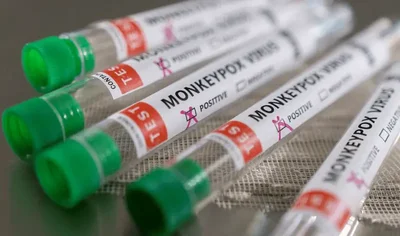 research →
Karachi faces a growing health challenge as a second locally transmitted mpox case emerges alongside the city’s first dengue death. The mpox patient, a 20-year-old student from Buffer Zone, is stable and under treatment, while health officials intensify contact tracing efforts. With rising temperatures expected to hit 38°C soon, public health authorities warn that the combination of viral outbreaks and heat could strain the city’s healthcare system. Vigilance and enhanced infection control remain critical in the coming days.
-
Eswatini Nears Malaria-Free Milestone
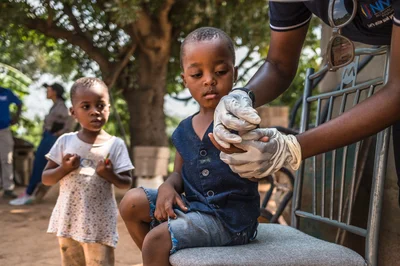 research →
In a rural village in northern Eswatini, health workers are racing to contain the first malaria case in four years, marking a critical moment in the country's fight against the disease. This case, involving a young mother and her child, highlights the final hurdles in Eswatini's ambitious goal to become the first sub-Saharan African nation declared malaria-free. The Ministry of Health’s dedicated surveillance team is intensifying efforts to prevent any resurgence. Success here could set a precedent for malaria eradication across the region.
-
Pharma Lobby Shake-Up and GLP-1 Myths
 research →
Steve Ubl, head of the Pharmaceutical Research and Manufacturers of America, is stepping down after a decade steering the industry through Covid and drug pricing battles. Meanwhile, GLP-1 drugs like semaglutide face swirling myths online, falsely blamed for bone loss and mood issues, distracting from real scientific discussions. Genetic research is now shedding light on who benefits most from these weight-loss treatments and their side effects. The pharma world braces for leadership change as debates over drug safety and pricing intensify.
-
South Africa’s Health System Faces Crisis
 research →
South Africa’s public healthcare is in turmoil as the National Health Insurance (NHI) debate intensifies. Despite the promise of universal health coverage, patients face long waits, staff shortages, and uneven care quality. The government admits full NHI rollout is years away and faces legal hurdles. Meanwhile, critical services like cardiology in Nelson Mandela Bay remain understaffed, putting lives at risk. The coming months will be crucial for South Africa’s healthcare future.
-
Chinese Scientists Bring Photosynthesis to Animals
 research →
A team from Zhejiang University has pioneered a breakthrough by introducing plant-based photosynthetic nanoparticles into animal cells, boosting energy and cell function in rats and rabbits with degenerative diseases. This novel approach, detailed in Nature Communications, could revolutionize treatments for age-related and metabolic disorders by restoring cellular interactions. The researchers also developed implantable, wirelessly powered lights to activate these nanoparticles deep within tissues, opening doors for future therapies.
-
South Africa Boosts Foot-and-Mouth Vaccinations
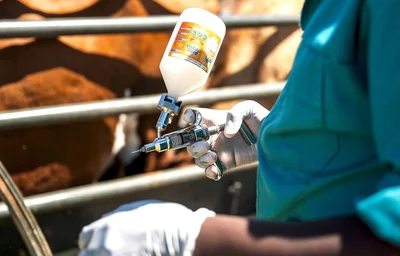 research →
South Africa is ramping up its fight against foot-and-mouth disease with over 3.5 million vaccines distributed, including 20,000 doses from the locally produced Agricultural Research Council vaccine. Imported vaccines from Argentina and Turkey complement these efforts, all approved by the national health authority. Veterinary experts warn farmers to maintain strict biosecurity despite the vaccine influx. The expanded program aims to protect the vital meat and dairy sectors from further outbreaks.
-
Brain Tricks Taste Buds on Sweeteners
 research →
A new study from Radboud University, Oxford, and Cambridge reveals that what we expect to taste can change how much we enjoy sweet drinks. When participants thought they were drinking sugar, their brains lit up in reward areas—even if the drink had artificial sweeteners. This shows that perception can override actual ingredients, potentially reshaping how we approach sugar substitutes. Next steps include exploring how this insight could help reduce sugar consumption by altering expectations.
-
Lassa Fever Deaths Rise Despite Fewer Cases
 research →
Nigeria's NCDC reports a troubling rise in Lassa fever fatalities, with deaths reaching 167 even as new infections drop to 26 last week. The case fatality rate has surged to 25.2%, higher than last year's 18.5%, signaling a deadlier outbreak. Cases span 22 states, mainly affecting young adults aged 21 to 30. Authorities are intensifying response efforts to contain the virus and prevent further loss of life.
-
Listeria Recall Hits Cheese Products
 research →
A major recall has been issued for several cheese products due to contamination with Listeria bacteria. This recall is crucial as Listeria poses serious health risks, especially to pregnant women, the elderly, and immunocompromised individuals. Consumers are urged to check their purchases and avoid consuming the affected items. Authorities are investigating the source and distribution to prevent further exposure.
-
CAR T Therapy Cures 3 Autoimmune Diseases
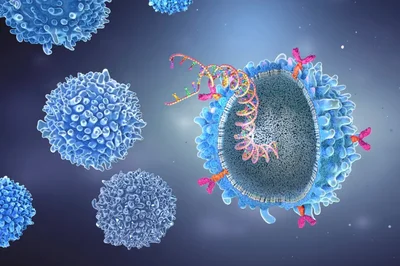 research →
In a groundbreaking medical achievement, doctors in Germany used CAR T-cell therapy to send three autoimmune diseases into remission in a 47-year-old woman. Previously bedridden and reliant on multiple treatments, she has now been treatment-free for over a year. This case marks the first time a single therapy has successfully tackled multiple autoimmune conditions simultaneously. Researchers are optimistic but emphasize the need for clinical trials to confirm the therapy's broader potential.
-
Breakthrough in Rare Autoimmune Disease Treatment
 research →
A groundbreaking CAR-T cell therapy has successfully treated a woman suffering from an ultra-rare combination of three autoimmune diseases, marking a major medical milestone. After failing nine previous treatments, she is now symptom-free following a single dose, according to doctors at University Hospital Erlangen in Germany. This advance signals a potential revolution in managing complex autoimmune disorders, with researchers optimistic about broader applications. The medical community eagerly awaits further clinical trials to confirm long-term efficacy and safety.
-
Bangladesh Battles Deadly Measles Surge
 research →
Bangladesh has launched an emergency vaccination campaign after a measles outbreak claimed over 100 children's lives and infected thousands since March 2026. The outbreak primarily affects infants under nine months, who are not yet eligible for routine immunization, raising serious public health concerns. Supported by UNICEF, WHO, and Gavi, the campaign targets 1.2 million children across 18 high-risk districts. Authorities aim to curb the spread of this highly contagious virus before it escalates further.
Crime & Justice 16
-
Falana Leads Rights Talks with Nigerian Police
 research →
Femi Falana, a leading human rights lawyer, spearheaded a delegation of top civil society groups to meet with IGP Olatunji Disu at Nigeria’s police headquarters. The group raised urgent human rights concerns affecting Nigerian society, highlighting issues that demand immediate attention. This high-profile engagement signals growing pressure on law enforcement to address rights abuses. Observers await concrete actions following this critical dialogue.
-
Dutch-Moroccan Leader Nabbed in Ceuta Drug Tunnel
 research →
A Dutch-Moroccan man known as Abdelilah A, dubbed “el Holandès,” was arrested following the discovery of a sophisticated drug tunnel linking Morocco to the Spanish enclave of Ceuta. Authorities say he led a powerful criminal network involved in smuggling 15,000 kilos of hashish hidden in produce shipments. This bust highlights ongoing efforts to dismantle transnational drug trafficking routes in Europe. Investigations continue as police track other members of the organization.
-
Abbott Hit with $53M Infant Formula Verdict
 research →
A Chicago jury has ordered Abbott Laboratories to pay $53 million in damages to families claiming its premature infant formula caused a severe bowel disease. The verdict, delivered on April 9, marks a significant legal setback for the healthcare giant amid growing scrutiny of infant nutrition products. This ruling could prompt further lawsuits and regulatory attention on formula safety nationwide.
-
Coast Guard Busts $34M Cocaine Haul
 research →
On Easter Sunday, the U.S. Coast Guard seized over 4,500 pounds of cocaine valued at nearly $34 million from a suspected narco-terrorist vessel off Ecuador’s coast. The operation involved the cutter Escanaba and an MH-65 Dolphin helicopter, acting on a maritime patrol alert. This significant drug interdiction highlights ongoing efforts under Operation Pacific Viper to stem narcotics trafficking into the U.S. Authorities will continue monitoring the Eastern Pacific for similar threats.
-
£5M Boost for Worship Security Patrols
 research →
The UK Home Office has allocated an extra £5 million to police forces in London and Manchester to enhance security around places of worship following recent attacks. This funding targets Project Servator deployments, enabling specialist officers to detect potential threats early. The move comes after arson attacks on Jewish community ambulances in Golders Green and a terror attack on a Manchester synagogue. Authorities hope this increased presence will better protect vulnerable communities and prevent further incidents.
-
Teen Killer’s Sentence Cut Faces Challenge
 research →
A Queensland High Court appeal is underway after the sentence of a teenage killer was reduced for the brutal 2022 Boxing Day home invasion that claimed the life of Emma Lovell. Emma’s husband, Lee Lovell, who was also attacked during the incident, is determined to challenge the sentence reduction, saying he owes it to his late wife to see justice done. The case has reignited debate over youth justice reforms in Queensland, with the court’s decision expected soon.
-
Sikh Hate Crimes Soar 3,700% in US
 research →
Hate crimes targeting Sikhs in the United States have skyrocketed by an alarming 3,700% over the past decade, jumping from just six cases in 2015 to 228 in 2025, according to FBI data. This surge occurs despite an overall 11% drop in hate crimes last year, highlighting a disturbing rise in focused attacks against specific communities. Experts warn that such spikes reflect deep-rooted stereotypes and fear-driven biases. The Sikh community now ranks as the third most targeted religious group, signaling urgent need for targeted interventions.
-
South Korea Extends Legal Challenge Window
 research →
South Korea's Ministry of Justice has expanded the time victims and bereaved families have to challenge lenient criminal sentences from 28 days to six months. This change acknowledges the emotional and procedural difficulties families face immediately after a crime. The reform aims to improve access to justice by allowing more thorough engagement with the legal system. Next steps include implementing notifications under the Victims’ Code to ensure families are informed of their rights.
-
Man’s Secret Asset Transfers Unveiled
 research →
A man’s covert scheme to transfer assets to a mistress, cousin, and company to keep them from his wife has been exposed in court. The revelation highlights the lengths some go to shield family property from legal claims. This case underscores ongoing challenges in asset transparency within marriages. Authorities and legal experts are now watching closely for potential reforms to prevent similar abuses.
-
Ex-Oceans Minister Cleared in Bribery Case
 research →
Chun Jae-soo, former Oceans Minister of South Korea, will not face indictment over bribery allegations tied to the Unification Church. The police-prosecution task force cited either the statute of limitations or insufficient evidence as reasons for dropping the case. Chun, a Democratic Party lawmaker, had resigned last December amid claims he accepted luxury gifts and cash in exchange for political favors. This decision closes a controversial chapter, but public scrutiny of political corruption remains high.
-
ICE Marks Year with New Migrant Arrests
 research →
On the one-year anniversary of reopening its Victims of Immigration Crime Engagement program, ICE announced the arrest of more criminal migrants convicted of various offenses. The program, initially launched in 2017 and reinstated in 2025, aims to support victims of crimes committed by illegal migrants and their families. This renewed enforcement highlights ongoing efforts to address migrant-related crime, with further arrests expected as the program continues to expand.
-
Thailand Nets $260M in Scam Crackdown
 research →
Thai authorities have seized $260 million in assets linked to a transnational cyber scam and money laundering network operating from Cambodia. The crackdown, announced by Prime Minister Anutin Charnvirakul, also targets drug and human trafficking crimes connected to the suspects, including businessman Benjamin Mauerberger. This latest seizure pushes total confiscations to over 20 billion baht, signaling intensified efforts against organized crime. Investigations and asset freezes are expected to continue as authorities dismantle the syndicate.
-
Teen Admits to Killing Elderly Woman
 research →
A 14-year-old boy has pleaded guilty to the first-degree murder of 83-year-old Eleanor Doney in Pickering, Ontario. The teen revealed to a psychologist that he experienced an 'urge to kill' weeks before the fatal stabbing outside her home last May. His disturbing fascination with sociopathy and serial killers emerged during the court proceedings. The community now awaits sentencing as the case highlights concerns about youth violence and mental health.
-
Operation Atlantic Halts $45M Crypto Fraud
 research →
In a major crackdown dubbed Operation Atlantic, US, UK, and Canadian authorities teamed up with crypto giants like Coinbase and Binance to freeze $12 million and trace $45 million tied to global crypto scams. Over 20,000 victims of approval phishing fraud were identified, with efforts underway to return stolen funds. This coordinated strike highlights growing international resolve to combat crypto fraud, with further investigations planned.
-
SEC Cracks Down on Soaring Investment Scams
 research →
The Securities and Exchange Commission (SEC) has ramped up enforcement amid a 71% surge in investment scams, primarily spread through social media platforms like TikTok and Facebook. With over 3,473 incidents reported in early 2026 and investor consultations jumping nearly 400%, the SEC is aggressively blocking fraudulent accounts to protect retail investors. This crackdown highlights the growing threat of digital financial fraud and signals tougher regulatory actions ahead.
-
Google Flags BPO Data Theft Surge
 research →
Google has uncovered a new cybercrime campaign targeting Business Process Outsourcers (BPOs) to steal corporate data, linked to the hacker group UNC6783, possibly tied to the notorious Mr. Raccoon. The attackers exploit social engineering and phishing, particularly through spoofed Okta login pages, to infiltrate helpdesk and support staff networks. This method allows them to access larger corporations’ IT environments via compromised BPO credentials. The revelation highlights ongoing risks in outsourcing security and signals a need for heightened vigilance and improved defenses. Experts expect further attacks as the campaign evolves.
Cybersecurity & Privacy 13
-
Hybrid Botnet Uncovered in Banking Hack
 research →
A complex hybrid P2P botnet linked to the Emmenhtal banking trojan was uncovered after forensic analysis of a reformatted workstation. The attack involved 23 bot tokens, web injections targeting Bank of America, and an SMS grabber, all coordinated via Telegram C2. This case highlights the evolving sophistication of cybercriminals exploiting compromised credentials even after system reinstalls. Experts warn that such hybrid threats pose significant challenges for incident response teams. Ongoing investigations aim to map the full kill chain and prevent further breaches.
-
Google Chrome Blocks Cookie Theft
 research →
Google has launched Device Bound Session Credentials (DBSC) in Chrome 146 for Windows, a breakthrough security feature that cryptographically ties session cookies to a user’s hardware, rendering stolen cookies useless. This move targets info-stealing malware that harvests session data to hijack accounts. Mac users will see this protection in a future update. The rollout marks a major advance in browser security, aiming to curb a common cyber threat. Expect wider availability soon as Google plans to extend DBSC to macOS.
-
Anthropic’s Claude Mythos Revolutionizes Cybersecurity
 research →
Anthropic has launched Claude Mythos Preview, an AI model that outperforms existing tools by detecting software vulnerabilities with unprecedented accuracy. Tested by 12 major tech firms including AWS, Apple, and NVIDIA, Mythos found decades-old bugs missed by millions of automated tests. Despite its power, Anthropic restricts public access, fearing misuse, while investing over $100 million to advance secure AI research. The next step is careful collaboration to harness Mythos’ potential without compromising cybersecurity.
-
AI Revolutionizes Cybersecurity Compliance
 research →
AI is transforming cybersecurity compliance from a static checklist into a dynamic challenge, reshaping how organizations manage risk and trust. Anthropic’s Claude Mythos autonomously uncovered decades-old vulnerabilities, showcasing a leap in detection capabilities. Meanwhile, OpenAI is restricting access to its advanced cybersecurity AI, emphasizing controlled, trusted use. This shift signals a new era where AI not only finds threats but dictates who can wield such powerful tools. The cybersecurity landscape is poised for rapid evolution as these AI systems become central to defense strategies.
-
ChipSoft Ransomware Shuts Dutch Hospitals
 research →
ChipSoft, a major Dutch healthcare IT provider, suffered a ransomware attack that forced it to take down key digital services including its HiX platform used by hospitals nationwide. The breach prompted urgent warnings and system shutdowns to prevent further damage, with cybersecurity teams scrambling to assess the impact. This disruption highlights the growing ransomware threat to critical healthcare infrastructure. Recovery efforts are ongoing as authorities and ChipSoft work to restore operations safely.
-
MFA Fails Amid Massive Email Breach
 research →
The recent breach at Figure exposed nearly 967,200 email records without exploiting any vulnerability, revealing a critical flaw in relying solely on MFA for security. Experts warn that once attackers have these credentials, MFA becomes just another hurdle rather than a barrier, exposing a fundamental architectural weakness. This incident highlights the urgent need for improved authentication models beyond MFA to truly protect sensitive data. As adversaries rapidly exploit exposed emails, organizations must rethink their security strategies to prevent cascading attacks.
-
File Sharing Apps: Are They Truly Secure?
 research →
Many users rely on file sharing apps daily without realizing the security gaps involved. While services often tout encryption, most only secure data in transit, leaving files vulnerable on servers. The FBI has also warned about foreign-developed apps potentially exposing user data under foreign government laws. Experts urge users and developers to demand true end-to-end encryption and carefully vet app origins to protect sensitive information. As cyber threats evolve, understanding encryption types and app risks is more critical than ever.
-
Mercor Startup Hit by Massive Data Breach
 research →
Mercor, a $10 billion AI startup, is reeling after a major data breach exposed 4TB of sensitive information, including candidate profiles and API keys. The breach stemmed from malware hidden in the widely used open source tool LiteLLM, which harvested credentials for 40 minutes. This incident threatens Mercor’s reputation and customer trust just months after a $350 million funding round. The company vows to investigate thoroughly and keep stakeholders informed as it works to contain the fallout.
-
Massive Hack Hits China’s Top Supercomputer
 research →
A hacker group known as FlamingChina claims to have stolen over 10 petabytes of sensitive data from China’s National Supercomputing Center in Tianjin, marking what could be the largest cyber breach in Chinese history. The stolen files reportedly include classified defense documents, missile schematics, and advanced research from more than 6,000 clients, spanning aerospace, military, and bioinformatics sectors. Experts warn this breach exposes critical vulnerabilities in China’s infrastructure. Authorities have yet to confirm the hack, but the fallout could reshape cybersecurity policies in the region.
-
LucidRook Malware Hits Taiwanese NGOs
 research →
UAT-10362, a newly identified threat group, has launched spear-phishing attacks targeting Taiwanese NGOs and universities using the advanced LucidRook malware. This Lua-based malware, delivered via deceptive RAR and 7-Zip archives, exploits DLL side-loading to evade detection and execute payloads. The campaign, uncovered by Cisco Talos in late 2025, highlights growing cyber risks for high-value organizations in Taiwan. Security experts warn vigilance as attackers refine their tactics with sophisticated malware like LucidRook.
-
Political Security Costs Soar in 2024
 research →
Federal campaigns and political committees spent over five times more on security during the 2024 election cycle compared to 2016, reaching about $41 million. This surge reflects a sharp rise in violent threats against politicians and their families, with incidents increasing by over 240% since 2021. Experts warn this trend adds financial strain and risks deterring public service. The coming election cycles may see even higher security budgets as threats persist.
-
Phishing Transforms into PhaaS Industry
 research →
Phishing has evolved from scattered scam emails into a sophisticated, service-driven industry known as Phishing-as-a-Service (PhaaS), reshaping the cyber threat landscape in 2025-2026. Despite widespread adoption of MFA and anti-spam measures, phishing remains a top attack vector, especially through email, which now serves as the entry point to complex multi-stage attacks involving messengers and social media. This shift signals a more industrialized and persistent cybercrime ecosystem, demanding heightened vigilance and advanced defenses from organizations worldwide.
-
Eurail Data Breach Hits 300,000 Travelers
 research →
Eurail B.V. revealed that a December 2025 cyberattack compromised personal data of over 300,000 customers, including names, passport numbers, and bank details. The breach exposed sensitive traveler information, with some data already leaked on Telegram and offered for sale on the dark web. This incident raises serious concerns about data security in European travel services. Eurail is notifying affected individuals and working to prevent future breaches.
Energy & Climate 13
-
China's Battery Boom Outpaces US Tenfold
 research →
China's top battery manufacturers, including CATL and Gotion High-tech, announced plans to add over 600 GWh of new energy storage production capacity in early 2026, dwarfing the US's entire 58 GWh capacity in 2025 by nearly ten times. This massive expansion, backed by a $26.3 billion investment, highlights China's dominance in the renewable energy sector and its strategic push into lithium-ion battery production. However, the government has cautioned companies to avoid overexpansion to prevent damaging price wars. The new factories, expected to come online by late 2026, will primarily serve the energy storage system market, with a significant portion also supporting electric vehicles.
-
Thousands Flee VMware for Nutanix
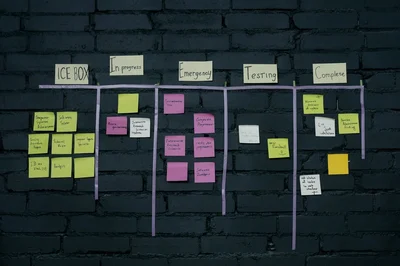 research →
Amid rising costs and restrictive licensing under Broadcom, around 30,000 VMware customers have switched to Nutanix, according to CEO Rajiv Ramaswami. Western Union is among major firms migrating over 900 applications as part of a strategic shift away from Broadcom’s ecosystem. This mass exodus highlights growing dissatisfaction with VMware’s pricing and bundling tactics. The trend signals a significant reshaping of enterprise cloud infrastructure choices in the coming years.
-
Weddell Sea Expedition Unlocks Antarctic Secrets
 research →
The latest Antarctic expedition to the Weddell Sea, led by international scientists, has uncovered new data on climate change impacts in the region. This mission is crucial as it sheds light on ice shelf dynamics and marine ecosystems under threat. The findings will inform global climate models and conservation efforts. Researchers plan further studies to monitor ongoing changes in this fragile environment.
-
Methane Tulip Flames Unveiled in 3D Detail
research →
A new study by arXiv researchers has captured the complex behavior of methane tulip flames inside a square channel at reduced pressure. Using advanced multi-plane, dual-color PLIF techniques, the team mapped temperature and OH concentration in 3D, revealing how heat loss and chemical reactions shape flame dynamics. This breakthrough sheds light on flame propagation crucial for pipeline safety and engine design. Next steps include refining combustion models to better predict tulip flame behavior under varied conditions.
-
Methane Leaks from Idle Wells Soar
 research →
A new study from McGill University reveals that non-producing oil and gas wells emit microbial methane at rates nearly 1,000 times higher than previously thought. This finding challenges current estimates of methane emissions and highlights a significant overlooked source of greenhouse gases. As methane is a potent climate pollutant, addressing these leaks is critical for environmental policy. Researchers urge closer monitoring and mitigation efforts to curb this hidden emission.
-
Ontario Unveils 14 New Renewable Energy Projects
 research →
Ontario’s Independent Electricity System Operator has awarded long-term contracts to 14 new renewable projects, including 12 solar and 2 wind farms, marking the province’s first large-scale green energy push in over a decade. This move addresses a projected 90% surge in electricity demand by 2050, aiming to secure Ontario’s energy future through the 2030s and beyond. Additional announcements on natural gas and battery storage capacity are expected later this year to help manage peak demand.
-
Scientists Discover New Antarctic Island
 research →
Researchers from the Alfred Wegener Institute have uncovered a previously uncharted mini-island in Antarctica's Weddell Sea during their expedition aboard the Polarstern. The discovery came unexpectedly while the team sought shelter near Joinville Island amid harsh weather. This finding expands our understanding of the Antarctic region's geography and could have implications for future scientific and environmental studies. The team plans to conduct further surveys to map and study this new landmass.
-
EPA Rolls Back Coal Ash Cleanup Rules
 research →
The Environmental Protection Agency announced it will weaken coal ash disposal regulations imposed during the Biden administration, easing cleanup and monitoring requirements at hundreds of sites. This rollback, championed by EPA Administrator Lee Zeldin, aims to bolster U.S. energy production but raises concerns about groundwater contamination risks from toxic coal ash. Environmental groups warn millions could face drinking water threats as a result. The EPA plans to finalize these changes soon, signaling a shift in federal environmental policy.
-
Scientists Discover New Antarctic Island
 research →
During a 2026 expedition aboard the Polarstern, an international team led by the Alfred Wegener Institute stumbled upon a previously uncharted island in the Weddell Sea. Roughly the size of the White House, this island had been mistaken for an iceberg until now. Its discovery is crucial for updating nautical charts and understanding regional ice dynamics. Researchers plan to officially name and integrate the island into global datasets soon.
-
Energy Crisis Shakes Global Oil Giants
 research →
The ongoing war involving Iran has sent oil prices soaring, but paradoxically, major energy firms like Exxon and Chevron are facing profit setbacks due to production disruptions and shipping blockades. Turkiye’s Energy Minister calls this turmoil 'the mother of all crises,' highlighting the urgent need for diversified energy routes. With gas storage at 72% capacity, Turkiye positions itself as a regional energy hub amid the chaos. Analysts warn that even with a ceasefire, high oil prices may persist, reshaping the global energy landscape.
-
LNG Canada Flaring Surpasses Permits
 research →
LNG Canada has exceeded its authorized gas flaring limits, raising environmental and regulatory concerns. This over-flaring could impact local air quality and undermine the company’s compliance with provincial permits. Authorities are expected to investigate and potentially enforce stricter controls. The development puts pressure on LNG Canada to improve its operational practices amid growing scrutiny of fossil fuel projects.
-
Congo Debuts Eurobond to Boost Infrastructure
 research →
The Democratic Republic of Congo has launched its first-ever international Eurobond sale, aiming to raise funds for critical infrastructure projects. This move comes amid rising global demand for Congo’s mineral resources and ongoing domestic challenges. By tapping into international markets now, Congo hopes to accelerate development and stabilize its economy. Observers will watch closely how this maiden bond issuance performs amid regional uncertainties.
-
Emperor Penguins Edge Toward Extinction
 research →
The International Union for Conservation of Nature (IUCN) has officially reclassified the emperor penguin as endangered, citing rapid population declines driven by climate change. Loss of sea ice and shrinking food sources are the primary threats pushing these Antarctic icons closer to extinction. Conservationists warn that urgent global action to reduce greenhouse gas emissions is critical to protect these species and Antarctica’s fragile ecosystem. The coming decades will be decisive for the survival of emperor penguins and fur seals alike.
Automotive & Transport 13
-
Solid-State Battery IPOs Surge Amid Oil Spike
 research →
Three major solid-state battery developers from China and the US are racing to go public, driven by rising oil prices and geopolitical tensions boosting electric vehicle demand. Qingtao Energy recently filed for a Hong Kong IPO, joining Beijing WeLion and US-based Factorial Energy, which plans a Nasdaq SPAC listing valued at $573 million. These batteries promise safer, longer-range EVs but face costly production challenges. Market watchers will be keen to see if these IPOs accelerate the shift from lithium-ion tech.
-
Hyundai Unveils Ioniq EV Lineup in China
 research →
Hyundai Motor officially launched its Ioniq electric vehicle brand in China, revealing two concept cars: the Venus sedan and Earth SUV. This move marks a strategic push to deepen Hyundai's foothold in the competitive Chinese EV market with models tailored to local tastes. The company introduced a new planetary naming system to emphasize customer-centric design. Next steps include showcasing these concepts at Auto China 2026 and rolling out production models based on this fresh design philosophy.
-
Electric Vehicles Take Over Türkiye Market
 research →
Electric vehicles have surged to the forefront of Türkiye’s automotive market in early 2026, marking a pivotal shift as they become the dominant force despite an overall decline in car sales. According to the Automotive Distributors and Mobility Association, EV sales jumped 30.8% to over 38,000 units in Q1, while total vehicle sales fell nearly 6%. This trend reflects a lasting change in consumer preferences, boosted by a 25% tax advantage, signaling that EVs are now the core of Türkiye’s auto demand. Industry watchers expect this momentum to continue reshaping the market landscape.
-
Bitcoin Battles Quantum Threats
 research →
Bitcoin faces a looming quantum computing risk as powerful machines could crack its encryption, exposing wallets to theft. Experts highlight XRP's blockchain as more resilient, but Bitcoin developers are not standing still. Olaoluwa Osuntokun from Lightning Labs has unveiled a prototype quantum-resistant wallet rescue tool, aiming to safeguard funds before any quantum attack. The community now watches closely as these defenses evolve to protect billions in digital assets.
-
Hormuz Strait Traffic Slashed Amid Tensions
 research →
Traffic through the Strait of Hormuz has plummeted to as few as 7–15 ships daily, down from over 130 before the conflict began on February 28. This sharp reduction, enforced by Iran during a fragile US-Iran ceasefire, has cut global oil supply by 20%, sparking fears of prolonged energy disruption. US officials, including former President Trump, have condemned Iran's restrictions and alleged toll charges on tankers. With hundreds of vessels stuck and oil prices soaring, the world's energy markets remain on edge as the situation unfolds.
-
Lufthansa Cabin Crew Strike Grounds Flights
 research →
On April 10, 20,000 Lufthansa cabin crew members launched a strike lasting until 10 p.m., halting operations at major hubs like Frankfurt and Munich. This is the third major labor action this year, following earlier pilot strikes, as wage talks remain deadlocked. Hundreds of flights were canceled in anticipation, disrupting Easter travel plans. The strike highlights ongoing tensions over contract negotiations and the future of Cityline workers. Passengers are advised to check flight statuses as talks continue.
-
Blue Mountains Highway Repair Delayed
 research →
The Great Western Highway at Victoria Pass in the Blue Mountains will be repaired after geotechnical tests confirmed the damage is fixable, avoiding a costly alternative route. However, Roads Minister Jenny Aitchison warns the project will take longer than the initially expected three months. Since its closure on March 12, locals have faced a 25-minute detour, impacting fuel costs and local businesses. Authorities are now determining the best repair approach, with timelines still uncertain.
-
Volkswagen India Rolls Out New Cars Quarterly
 research →
Volkswagen India plans to launch a new car every quarter to boost its presence in the expanding Indian passenger vehicle market. The company recently unveiled the refreshed Taigun SUV, featuring updated styling and tech, with deliveries expected later this month. This aggressive rollout aims to capture more market share amid rising competition. Pricing details are yet to be announced, but the strategy signals Volkswagen's strong commitment to India’s growth story.
-
Railway Platform: Microservices Viability in 2026
 research →
Railway offers a sleek, modern platform for deploying microservices and Ruby on Rails apps, but its reliability for production use is questionable. While it supports monorepos, private networking, and quick deployments, real-world production exposes fragilities, especially for complex Rails setups requiring databases and background jobs. Its lack of SLAs and volume limitations pose serious risks for mission-critical applications. Teams should weigh the initial appeal against these operational pitfalls before committing to Railway in 2026.
-
Telefónica Unveils Remote Drone Fleet
 research →
Telefónica has launched Spain’s first commercial remote drone piloting service, operating from its new TSpace center in Madrid. This breakthrough leverages the company’s 5G network to enable BVLOS flights, eliminating the need for pilots on site and speeding up industrial and emergency operations. Currently focused on rural fire prevention and critical infrastructure surveillance, this service marks a major step in smart tech deployment. Next, Telefónica aims to expand client sectors and enhance drone capabilities across the country.
-
Japan Cracks Down on E-Bike Violations
 research →
Starting April 1, Japan has introduced a new penalty system targeting traffic violations by electric bicycle riders aged 16 and over. The system issues fines for serious offenses like distracted riding and wrong-way cycling, aiming to curb risky behavior on roads. Authorities hope this will shift the common perception that bicycles are exempt from strict traffic rules. Going forward, failure to pay fines could lead to criminal charges, signaling a tougher stance on e-bike safety.
-
Robots Clash with Pedestrians on Sidewalks
 research →
In Philadelphia, the rollout of Uber Eats' Avride autonomous delivery robots has sparked tension as locals resist sharing sidewalks with the machines. Since their launch in March, incidents like robots being kicked or sat upon have gone viral, highlighting public unease. This pushback challenges the vision of automated couriers as the future of delivery. How cities balance innovation with pedestrian acceptance will shape the next phase of urban robot integration.
-
Iran War Drives Travel Chaos, Costs Soar
 research →
Travelers worldwide are grappling with soaring costs and fewer flight options as the Iran war disrupts global travel. The conflict near the Strait of Hormuz has spiked oil and jet fuel prices, forcing airlines to cut schedules and hike fares. Budget travelers face the toughest hit, but premium passengers aren't spared either. Experts warn these disruptions will ripple across markets, reshaping travel for months ahead.
Sports 15
-
Berlin vs Friedrichshafen: Semifinal Showdown
 research →
The German Volleyball Bundesliga semifinals kick off with a high-stakes clash between Berlin Volleys and VfB Friedrichshafen, rekindling a rivalry that has dominated the sport since 1997. After years of finals battles, this is their first semifinal face-off in 14 years, adding intense pressure and 'final-like' stakes, according to Berlin captain Ruben Schott. With Berlin holding 15 titles and Friedrichshafen 13, this matchup could decide who advances to the championship. Fans can expect a fierce 'do-or-die' contest starting Saturday at 18:00. The winner moves closer to ending the long-standing dominance in German volleyball.
-
Masters Round One: LIV Golf Struggles
 research →
No LIV Golf player broke par in the opening round of the 2026 Masters at Augusta National, with Sergio Garcia posting the best score at even par 72. Defending champion Jon Rahm and power hitter Bryson DeChambeau both struggled on a challenging course, raising doubts about their chances to make the cut. The tough conditions set the stage for a dramatic weekend as top players vie for the green jacket. Fans will watch closely to see who can bounce back in round two.
-
Ayush Shetty Shocks Asia Badminton Elite
 research →
Ayush Shetty, India's rising badminton star, stunned third seed Jonatan Christie to reach the semifinals of the 2026 Badminton Asia Championships. The 20-year-old world No. 25 won in straight games, marking his second major upset after ousting world No. 7 Li Shi Feng earlier. This breakthrough run keeps India's hopes alive and signals Shetty's arrival among Asia's badminton elite. Fans now eagerly await his semifinal clash, which could cement his rise into the global top 20.
-
Knicks Edge Celtics; Rockets Win 8th Straight
 research →
The New York Knicks narrowly defeated the Boston Celtics 112-106 in a playoff-like thriller at Madison Square Garden, powered by Josh Hart's clutch 26 points and Jalen Brunson's double-double. Meanwhile, the Houston Rockets extended their winning streak to eight games with a 113-102 victory over the Philadelphia 76ers, led by Kevin Durant's 29 points. The 76ers face uncertainty as Joel Embiid underwent an appendectomy and is sidelined indefinitely. These results shake up playoff positioning as the NBA season nears its climax.
-
CONMEBOL Backs Infantino for Fourth Term
 research →
South America's CONMEBOL has officially endorsed FIFA President Gianni Infantino for a potential fourth term, marking the first federation to do so ahead of the 2027–2031 election. While Infantino has not yet confirmed his candidacy, CONMEBOL praised his leadership and commitment to growing football globally. This backing strengthens Infantino’s position as he seeks to continue shaping the future of the sport worldwide.
-
Paris Marathon 2026: Winners and Records
 research →
The 49th Paris Marathon took place on April 12, 2026, drawing 60,000 runners. Kenya continues to dominate the men's titles, while Ethiopia remains a strong contender. Notably, France ranks third in total wins but hasn't claimed victory since 2002. The event highlights the ongoing rivalry and sets the stage for future competitions.
-
Taylor Swift Joins NFL Season Opener Show
 research →
Taylor Swift is set to add star power to the NFL season opener at Melbourne's MCG on September 11, featuring the LA Rams and San Francisco 49ers. NFL commissioner Roger Goodell highlighted the massive global demand, with tickets selling out in minutes across 35 countries. This blockbuster event signals the NFL's commitment to expanding its footprint in Australia, promising more games down under in the future.
-
Jiri Prochazka: UFC’s Spiritual Warrior
 research →
Jiri Prochazka stands out in the UFC not just for his fierce fighting style but for his unique spiritual approach to combat. Known for extreme rituals like swimming under frozen lakes, he blends samurai mystique with raw power, making him one of the sport’s most captivating figures. As he battles inside the octagon, fans watch not just a fighter but a man confronting his inner demons. The next chapter will reveal if his mental strength matches his physical prowess.
-
Raptors Edge Closer to Playoffs
 research →
Brandon Ingram exploded for a season-high 38 points as the Toronto Raptors defeated the Miami Heat 128-114, inching nearer to their first NBA playoff appearance since 2022. The win pushed Toronto into a tie for fifth place in the Eastern Conference with the Atlanta Hawks, holding the tiebreaker after sweeping the season series. With upcoming games against the Knicks and Nets, the Raptors are poised to clinch a postseason spot soon, energizing their fanbase for a playoff return.
-
Teen Stojsavljevic Shocks Australia in BJK Cup
 research →
Mika Stojsavljevic, a 17-year-old British debutant ranked 275th, stunned Australia's Talia Gibson in straight sets to give Great Britain a 1-0 lead in the Billie Jean King Cup tie in Melbourne. Despite Gibson's higher ranking at 65th, Stojsavljevic held her nerve in a tight 7-6(7-4), 7-5 victory, saving five break points late in the match. This upset sets the tone for the tie, with Australia's Kimberly Birrell aiming to level the score in the next singles match. The result highlights the rising talent in British tennis and puts pressure on Australia moving forward.
-
WNBA to Add Three New Teams by 2030
 research →
The WNBA is set to expand its lineup with three new franchises announced for Cleveland in 2028, Detroit in 2029, and Philadelphia in 2030, bringing the league to 18 teams. This move follows last year's addition of Golden State and reflects the league's rapid growth amid rising revenues in women's sports. The expansion underscores growing fan interest and investment, promising a more competitive and diverse league in the coming years.
-
Wembanyama Doubtful for Spurs vs. Mavericks
 research →
Victor Wembanyama remains uncertain for the San Antonio Spurs' upcoming game against the Dallas Mavericks due to a rib injury sustained against Philadelphia. This absence could impact the Spurs' playoff momentum as Wembanyama aims for the MVP title. The team will have to adjust without their star player in a crucial matchup on Friday. Fans and analysts will closely watch his recovery and availability moving forward.
-
FIFA Faces Outrage Over World Cup Ticket Hike
 research →
FIFA is under fire after quietly introducing new, pricier ticket categories for the 2026 World Cup, sparking accusations of a bait-and-switch from fans. Premium seats for the US vs Paraguay opener in Inglewood now cost up to $4,105, nearly double the previous top price. Supporters claim seating allocations were also shifted without notice, fueling frustration. With the tournament fast approaching, FIFA’s handling of ticket sales threatens to overshadow the event’s kickoff.
-
Stuttgart Open: Stars Battle on Clay
 research →
The Stuttgart Women's Tennis Tournament kicks off on April 13 with top stars like Jelena Rybakina, Coco Gauff, and Iga Swiatek vying for the title on red clay. World No.1 Aryna Sabalenka withdrew due to injury, leaving the field wide open. Rising star Alex Eala enters the main draw, replacing injured Qinwen Zheng, adding fresh excitement. Fans can expect intense matches culminating in the final next Sunday.
-
Jets Keep Playoff Hopes Alive
 research →
The Winnipeg Jets secured a crucial 3-2 victory over the St. Louis Blues, keeping their slim playoff chances intact. Despite a slow start and trailing early, the Jets outshot the Blues 12-2 in the final stretch to rally back. This win is vital as the Jets fight to extend their postseason run. Fans will be watching closely as the team faces must-win games ahead.
Gaming & Esports 13
-
Doki Doki Literature Club Pulled from Play Store
 research →
Google has removed the cult classic visual novel Doki Doki Literature Club from its Play Store, citing violations of its Terms of Service over 'sensitive themes.' The game, originally released in 2017 and praised for its deep portrayal of mental health issues, has amassed over 30 million free downloads and a dedicated fanbase. Publisher Serenity Forge is actively contesting the removal, emphasizing the game's positive impact on players struggling with depression and suicide. Fans now await whether the title will return to Android devices.
-
How Much AI Power Do Self-Editing Agents Need?
 research →
A new study by Sungwoo Jung and colleagues probes the inner workings of AI agents that self-revise using large language models (LLMs). By separating the agent's reasoning and reflection from the core LLM loop, they reveal which capabilities truly depend on the model versus external structures. Tested on a noisy Collaborative Battleship game over 54 matches, their approach offers fresh insights into AI design. This could reshape how future AI agents are built to balance model power and system architecture.
-
Vaishali Leads Women’s Candidates 2026
 research →
India’s R Vaishali has surged ahead to claim the sole lead in the Women’s FIDE Candidates 2026 in Cyprus with four rounds remaining. Despite a draw against Anna Muzychuk, Vaishali’s consistent play has set her apart in a fiercely competitive field. Her six-point tally puts her just ahead of seasoned rivals like Muzychuk and Zhu Jiner, making the final rounds a thrilling race. The chess world now watches closely as Vaishali aims to convert her lead into a championship victory.
-
Indie Games Rally for Industry Shakeup
 research →
The Triple-i Initiative showcase spotlighted a wave of innovative indie games, including the much-anticipated sequel to Klei Entertainment’s survival hit and a gritty farming mystery from Carbonara Games. Meanwhile, studios like Black Tabby Games and Sunset Visitor are pioneering a new model of indie publishing, banding together to reclaim control amid an unstable industry. This movement signals a shift toward developer-owned ecosystems and fairer deals as AI and corporate pressures reshape game development. Fans can expect more collaborative releases and demos in the coming months.
-
Arc Raiders PvP Lobby Sparks Player Clash
 research →
A viral clip from Arc Raiders shows a heated confrontation between a PvE and a PvP player, igniting debate over the appeal of PvP gameplay. The PvE player’s threat to meet the PvP player "in real life" has stirred controversy and confusion among the community about PvP expectations. This incident highlights ongoing tensions in multiplayer games over PvP participation. Developers and players alike are watching closely as discussions about PvP boundaries continue to evolve.
-
Road to Vostok’s Solo Dev Hits Jackpot
 research →
Road to Vostok, a gritty post-apocalyptic survival shooter developed solo by Finnish ex-soldier Antti Leinonen, has smashed expectations by securing its entire production budget within 24 hours of its Steam early access launch. This rare feat in a crowded survival game market highlights the game's intense appeal and the developer’s dedication since 2022. With top sales and glowing reviews, Leinonen now has the financial runway to keep refining the game for years ahead. Fans can expect continued updates and expansions as the project moves forward.
-
PUBG Boss Respects Fortnite's Battle Royale Reign
 research →
Taeseok Jang, head of PUBG's IP group, acknowledges Fortnite's evolution as a genre-defining battle royale. Once a subgenre of shooters, battle royale now stands as its own dominant force, blending shooting with diverse gameplay elements. PUBG continues to innovate with high-profile collaborations and new modes to secure its future. The rivalry and respect between PUBG and Fortnite highlight the genre's dynamic growth ahead.
-
Nvidia’s N1 Mobile Chip Leaked
 research →
Nvidia’s long-rumored N1 SoC has surfaced in leaked images showing a laptop motherboard with a hefty 128 GB of LPDDR5X RAM and an advanced 8+6+2 phase VRM power setup. The leak, spotted on a Chinese reseller platform, hints at a powerful new mobile chip designed for Windows on ARM laptops, potentially shaking up the laptop market. This engineering sample suggests Nvidia is gearing up to challenge traditional CPU makers with a high-performance mobile solution. Fans and industry watchers now eagerly await official details and release timelines.
-
Galaxies Spring Showcase 2026 Unveiled
 research →
The highly anticipated Galaxies Spring Showcase 2026 is set for April 16, promising announcements and updates on over 50 games, including seven world premieres from top industry players. Hosted by Jane Douglas and streamed live via IGN, the event will run for about an hour, offering gamers a packed schedule of reveals. This showcase highlights the latest trends and innovations in gaming, making it a must-watch for enthusiasts worldwide. Stay tuned for live coverage and detailed insights as the event unfolds.
-
Baldur's Gate 3 Mod Adds New Region
 research →
The ambitious Baldur's Gate 3 custom campaign mod expanding the game's second act is making steady progress, though its release has been pushed from early to late 2026. Modder SquallyDaBeanz shared a fresh trailer showcasing the new playable region where players must cross the Chionthar River and face the Army of the Absolute at Rivington. This expansion aims to bring the second act's scope closer to the first, promising fans a deeper experience. Players eagerly await the mod's full release by year-end, hoping no further delays occur.
-
Witcher 3 Multiplayer Mod Unleashed
 research →
The Witcher 3 multiplayer mod, available since January, transforms the single-player classic into a quirky mini-MMO. Players can now team up for setting-appropriate antics like forming totem poles of Geralts or morphing into foxes and cats. This blend of sensible features and madcap fun expands the Continent experience in unexpected ways. Fans can expect more wild updates as modder rejuvenate continues to innovate.
-
Why C++ Still Rules Game Dev
 research →
C++ remains the backbone of game development due to its unmatched blend of high performance and low-level control. Despite its complexity, it allows developers to optimize memory and processor use, crucial for running games smoothly on diverse hardware from low-end PCs to consoles. As game engines evolve, C++’s flexibility keeps it at the core of cutting-edge game architecture. The upcoming parts of the series promise deeper dives into practical workflows and advanced techniques.
-
Sony Lets Gamers Scan Faces Into PlayStation
 research →
Sony launches “The Playerbase,” a new tech letting gamers scan their faces to appear inside PlayStation games, starting with Gran Turismo 7. Selected players get a limited-time in-game portrait and can design custom logos and vehicle liveries featured permanently. This unique opportunity requires sharing personal PlayStation memories and passing interviews, blending fan passion with immersive gameplay. More games will join the program soon, promising deeper player integration.
Entertainment & Culture 14
-
Korea Counts Down to UNESCO Heritage Summit
 research →
South Korea has launched a nationwide campaign marking 100 days until the 48th UNESCO World Heritage Committee session in Busan this July. The Korea Heritage Service released a promotional video and poster to boost public engagement and highlight Korea’s dedication to global heritage preservation. The campaign’s visuals blend traditional Korean architecture with modern design, aiming to attract both locals and international visitors. As the event approaches, Korea is positioning itself as a key player in international cultural cooperation.
-
Akhilam Madhuram: Dance Meets Storytelling
 research →
‘Akhilam Madhuram’ is a unique production blending Bharatanatyam dance, music, and storytelling to create an immersive cultural experience. Presented by Alapadma Arts, the show features Parvathi Akhilesh, Annapoorna Pradeep, and Janaki Hari, aiming to make traditional art forms accessible, especially to children. Malini Mahesh, the founder of Alapadma, emphasizes storytelling as a bridge to better connect audiences with Bharatanatyam’s rich expressions. The production promises to engage and educate, with future performances planned to expand its reach.
-
BIGBANG Rocks Coachella Again
 research →
BIGBANG has made a triumphant return to the Coachella stage, marking the start of their 20th anniversary celebrations. Fans eagerly welcomed the K-pop legends as they performed hits like “BANG BANG BANG” and “FANTASTIC BABY” in Indio, California. This comeback is seen as a launchpad for a potential global tour, reigniting excitement worldwide. The group emphasized this moment as a fresh beginning to reconnect with their international audience through music.
-
Stefano Gabbana Quits Dolce & Gabbana Chair
 research →
Stefano Gabbana, co-founder of Dolce & Gabbana, resigned as chair in January, a company filing revealed. This move comes amid ongoing talks with lenders over a €450 million debt refinancing, including a potential €150 million capital injection. Gabbana is also exploring options for his 40% stake, signaling a major shift for the iconic Italian luxury brand. The next steps will focus on negotiations with banks and possible asset sales to stabilize finances.
-
Abia Launches Heritage Site Revival
 research →
The Abia State Government has kicked off the rehabilitation of key heritage sites to boost tourism and attract visitors. The first phase targets the modernization of the Arochukwu Waterfall with new visitor facilities, while the historic Ojukwu Bunker is set for renovation to meet global standards. These efforts signal a strategic push to reposition Abia as a top tourist destination. Next steps include infrastructure upgrades and international collaboration to elevate the state's cultural profile.
-
Universal Music Battles AI Music Giants
 research →
Universal Music Group has launched a major lawsuit against AI music platforms like Suno and Udio, accusing them of illegally training on copyrighted songs to generate competing tracks. This legal fight highlights the tension between protecting artists’ rights and the unstoppable rise of AI in music creation. Meanwhile, platforms like YouTube are tightening copyright enforcement, often penalizing creators caught in the crossfire. The outcome could reshape the future of music production and distribution.
-
Dhurandhar 2 Hits Rs 1665 Crore Worldwide
 research →
Dhurandhar 2: The Revenge continues its strong box office run, crossing Rs 1665 crore globally by day 22. Despite a slowdown in daily earnings, the film is poised to enter its fourth weekend with momentum, expected to surpass Rs 1700 crore soon. This marks a significant achievement for director Aditya Dhar and star Ranveer Singh, though it falls short of the original Dhurandhar's record. Fans and industry watchers will be keen to see if the film sustains its performance in the coming days.
-
Cannes 2026: Auteur-Heavy Lineup Shines
 research →
The 79th Cannes Film Festival, running May 12-23, unveils a star-studded Competition lineup featuring acclaimed auteurs like Hirokazu Kore-eda, Ryusuke Hamaguchi, Asghar Farhadi, Pedro Almodóvar, and Paweł Pawlikowski. Marking a shift away from Hollywood blockbusters, the festival spotlights 21 films focused on arthouse and independent cinema, including Kore-eda’s AI-themed drama Sheep in the Box. Festival director Thierry Fremaux notes this reflects a transitional phase in the US film industry but expects Hollywood’s return soon. Cannes remains a key global stage for filmmakers to premiere bold, intimate stories and vie for the coveted Palme d’Or.
-
Fashion and Dance Redefine Masculinity
 research →
Fashion and dance are joining forces to shatter outdated masculine stereotypes. Historically, male dancers were confined to functional, uninspired attire, overshadowed by romanticized female costumes. Now, designers recognize the male dancer’s body as a canvas for style and identity, blending precision with attitude in every stitch. This shift signals a broader cultural move toward embracing diverse expressions of masculinity. Expect more bold collaborations that challenge traditional gender norms in fashion and performance.
-
BTS Ignites Global Tour After Hiatus
 research →
K-pop sensation BTS has officially launched their highly anticipated world tour in Seoul, marking their return after a four-year break. Fans from across the globe braved heavy rain to witness the band's first performances since completing mandatory military service and releasing their fifth album, ARIRANG. The tour, spanning 34 cities, sets a new record for K-pop artists and promises to electrify audiences worldwide. Next up, BTS heads to North America and Europe, where tickets sold out within hours.
-
The Age Book of the Year Shortlists Revealed
 research →
The Age has announced the shortlists for its prestigious Book of the Year awards, featuring twelve standout titles. The fiction shortlist, praised by judges Bram Presser and Beejay Silcox, highlights six novels showcasing diverse storytelling and bold creativity. Notable contenders include Jennifer Mills’ Salvage and Omar Musa’s Fierceland. Winners will be revealed soon, spotlighting Australia’s vibrant literary scene.
-
CinemaCon and Cannes Set Movie Buzz
 research →
CinemaCon in Las Vegas from April 13-16 promises a flood of major movie announcements, continuing its tradition as the go-to event for studio reveals. Meanwhile, the Cannes Film Festival, running May 12-23, will showcase high-profile premieres including Yeon Sang-ho’s new zombie thriller The Colony and directorial debuts from John Travolta and others. With honors for Peter Jackson and Barbra Streisand, these events mark a pivotal moment for film fans eager for fresh content and industry insights.
-
Top Horror Flicks Streaming on HBO Max
 research →
If you're hunting for spine-chilling movies, HBO Max offers a standout lineup including 14 top horror titles like Bring Her Back and The Substance, plus the entire Alien franchise. Starting at $11 a month, HBO Max also bundles with Disney Plus and Hulu, making it a solid choice for genre fans. Highlights include a gripping religious horror featuring Hugh Grant and Ryan Coogler's Oscar-winning Sinners. With such variety, horror buffs have plenty to stream and scare themselves silly.
-
Man of Tomorrow Cast Drama Unfolds
 research →
The upcoming Superman sequel, Man of Tomorrow, is stirring buzz as DC Studios chief James Gunn denies reports that Adria Arjona, Ella Purnell, and Marisa Abela are screen testing for the role of Maxima. Despite rumors of four finalists vying for the part, Gunn calls the Deadline report "shoddy & incorrect." This clarification puts the spotlight back on the casting process as fans eagerly await official announcements. Meanwhile, the Superman franchise expands with a new immersive theme park ride launching April 18.
Dev & Open Source 19
-
LLVM Backend Gains Incremental Build Boost
 research →
Developer Matthew Lugg has introduced incremental compilation to the LLVM backend in Zig, now available in the master branch and upcoming 0.16.0 release. While it doesn't speed up the LLVM Emit Object phase, it significantly reduces compile time spent in Zig's own compiler code, especially accelerating error feedback. This improvement promises a smoother development experience by catching errors faster and slightly speeding up successful builds. Users can expect the feature to roll out officially very soon.
-
New GitHub Activity Visualizer Launched
 research →
A developer has launched a GitHub Activity Visualizer, a sleek dashboard web app that lets users explore GitHub profiles with interactive charts and heatmaps. It pulls live data via the GitHub REST API, showcasing commits, languages, and repository stats in a clean interface. This tool promises to help coders better understand and showcase their GitHub contributions. Feedback is currently being sought to refine the experience further.
-
OSS Vulnerability Databases Compared
 research →
A comprehensive analysis reconciled 869,771 records from 15 open source vulnerability databases, revealing 608,463 unique vulnerabilities. This deep dive shows how different scanners like Dependabot, pip-audit, and cargo audit cover overlapping but distinct sets of risks, challenging assumptions about coverage. The findings highlight the complexity of OSS security and suggest new directions for improving dependency scanning tools. Developers and security teams should reconsider their reliance on single databases and look toward integrated approaches.
-
Apache SeaTunnel Surges in March
 research →
The Apache SeaTunnel project saw a vibrant March 2026 with 26 contributors driving the release of version 2.3.13. This update packed over 50 new features, including five new connectors like HugeGraph Sink and DuckDB, plus more than 20 bug fixes. Core engine and module improvements promise smoother performance for users. Enterprises and developers alike are encouraged to upgrade and tap into the latest enhancements as the community momentum builds.
-
YINI Config Format Tightens Up
 research →
YINI configuration format hits v1.0.0-RC.5 alongside yini-parser 1.5.0, sharpening strictness and clarity. This update focuses on making configs more reliable and easier to trust, introducing mandatory /END in strict mode. With these improvements, YINI aims to balance human readability with robust structure. Developers can expect more consistent parsing and tooling as the format matures.
-
The AWS Skill Freshers Need Now
 research →
Freshers with the usual AWS certifications and projects are often overlooked, while others with less experience land interviews and jobs. The secret? It’s not about skills or certificates, but about visibility—being easily found and trusted by recruiters who skim hundreds of resumes in seconds. This insight could change how freshers approach their job hunt in 2026. Next up: mastering online presence to stand out in the crowded AWS job market.
-
Sourcery vs SonarQube: Code Quality Clash
 research →
Sourcery and SonarQube tackle code quality from different angles, making their comparison crucial for developers. Sourcery offers AI-driven Python refactoring and PR review, ideal for teams wanting real-time suggestions and conversational workflows on GitHub or GitLab starting at $10/user/month. In contrast, SonarQube delivers comprehensive static analysis across 35+ languages with enterprise-grade compliance and security features, free for self-hosted Community editions. Choosing between them depends on your team's platform needs and scale, with Sourcery excelling in AI refactoring and SonarQube dominating broad static analysis. As teams grow, platform support and integration become key factors shaping this choice.
-
GitButler Nets $17M to Reinvent Git
 research →
GitButler has secured a $17 million Series A funding round led by a16z, with continued backing from Fly Ventures and A Capital. Founded by a GitHub cofounder, the startup aims to build the next evolution of developer collaboration tools beyond Git. This investment highlights growing interest in streamlining software development workflows. With new board member Peter Levine on board, GitButler is poised to accelerate innovation in developer platforms.
-
GitHub Desktop: Vibe Coders’ Lifesaver
 research →
GitHub Desktop emerges as the essential tool for vibe coders facing the chaos of AI-driven edits gone wrong. When a single bad suggestion or accidental deletion threatens your code, this intuitive app acts as your undo button and backup, no CS degree needed. It safeguards your creative flow by letting you revert changes and securely store your work. As vibe coding grows, GitHub Desktop promises to be the safety net every coder needs.
-
Terraform vs OpenTofu: License Battle Heats Up
 research →
HashiCorp's 2023 switch of Terraform's license from MPL to BSL sparked a fierce debate about vendor lock-in versus open infrastructure governance. While many teams initially stuck with Terraform, OpenTofu matured under Linux Foundation stewardship, offering a truly open alternative. Now in 2026, with renewal cycles looming and growing dependency on HashiCorp Cloud Platform, organizations face tough choices about control and trust. The question is no longer just about features, but about who truly owns your infrastructure code.
-
Sourcery vs mypy: Python Tools Face Off
 research →
Sourcery and mypy serve distinct roles in Python development: mypy is a free static type checker catching type errors early, while Sourcery is a paid AI-powered refactoring tool enhancing code quality and style. This distinction matters as teams decide whether to invest in AI code review alongside type checking. Experts recommend using both tools together for comprehensive code health, since type safety and code quality address different needs. For teams new to type checking, mypy offers a cost-effective start, while Sourcery excels at improving readability and maintainability.
-
Top Next.js Monitoring Tools Ranked
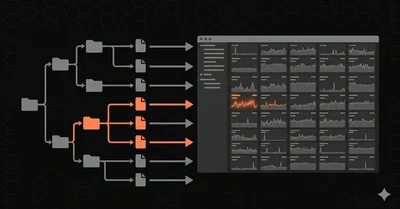 research →
Founder Fabián Delgado of Nurbak Watch shares an honest 2026 review of the 10 best Next.js monitoring tools, highlighting how each fits the unique demands of Next.js apps. Delgado’s transparency, even recommending competitors, aims to save developers research time rather than push sales. This guide is crucial as Next.js monitoring differs significantly from generic web app tools. Developers can now choose tools that truly optimize performance and user experience in Next.js environments.
-
Rust’s Quest for Zero-Cost DI
 research →
Rust is tackling the challenge of implementing dependency injection (DI) without compromising its hallmark zero-cost abstractions. This approach matters because DI enhances modularity and architectural clarity in large systems, areas where Rust still seeks elegant solutions. By leveraging traits and compile-time guarantees, Rust developers aim to scale DI across crates efficiently. The community can explore practical examples and source code on GitHub, signaling a promising step forward in Rust’s ecosystem.
-
JavaScript Ecosystem: What’s New in 2026
 research →
JavaScript continues to evolve rapidly with the release of ECMAScript 2025, introducing lazy iterator methods like .map() and .filter() directly on iterators. Modern built-in APIs now replace many outdated coding patterns, helping developers write cleaner, safer code and reduce bundle sizes. The community is also buzzing about ambitious projects like building a JavaScript runtime in just one month, signaling ongoing innovation. Stay tuned as the ecosystem pushes forward with performance and usability improvements.
-
Aspire 13.2 Unveils Game-Changing Features
 research →
Aspire 13.2 has launched with groundbreaking updates that promise to revolutionize user experience. This release focuses on enhanced performance, smarter AI integration, and improved system stability, setting a new standard for productivity tools. With these innovations, Aspire aims to empower developers and everyday users alike. The community eagerly awaits further updates and real-world feedback.
-
Meta Revamps WebRTC for Real-Time Power
 research →
Meta has overhauled its WebRTC infrastructure to support more than 50 real-time use cases, including Messenger, Instagram video chats, and VR casting on Meta Quest. By escaping the pitfalls of forking the open-source WebRTC project, Meta developed a dual-stack architecture enabling continuous upstream upgrades and A/B testing. This modernization boosts performance, security, and binary size, ensuring smoother experiences for billions of users worldwide. Meta continues refining this system to stay ahead in real-time communication technology.
-
New Native Script Revolutionizes Android Dev
 research →
Developer SMS has created a new scripting language that compiles natively on Android using LLVM, eliminating the need for virtual machines or garbage collection. This approach blends the simplicity of scripting with the speed of native code, promising faster, more efficient app development. Dynamic code can even be loaded and run securely at runtime via HTTP. This innovation could reshape how Android and desktop apps are built, with the next step being broader adoption and tooling support.
-
Ubuntu Rolls Out April 2026 Security Updates
 research →
Ubuntu has released its April 2026 security updates, addressing critical vulnerabilities to keep millions of users safe. These patches are vital for maintaining system integrity and protecting against emerging threats. Users are urged to update promptly to ensure their systems remain secure. The next update cycle is expected in May, continuing Ubuntu's commitment to robust security.
-
Microsoft Visual Studio 2026 Sale Sparks Developer Shakeup
 research →
Microsoft is shaking up its developer ecosystem as Julia Liuson, head of the developer division, announces her resignation effective June 2026, continuing only as an advisor. This leadership change comes amid the rollout of new tools like Aspire 13.2 and competitive AI coding assistants such as Sourcery AI, which targets Python developers at a budget-friendly price. The evolving landscape highlights Microsoft’s push to integrate AI deeply into software development workflows. Developers and enterprises alike will watch closely how these shifts impact productivity and innovation in the coming months.
Society & Migration 14
-
Gig Work Cuts Crime in France?
 research →
A recent study from France examines whether gig jobs, especially food delivery roles, offer a viable alternative to crime for vulnerable populations. The findings suggest that gig work can reduce criminal activity by providing legal income opportunities. This insight challenges traditional views on crime prevention and labor markets. Policymakers may now consider expanding gig economy support as a social benefit.
-
India’s CBSE Faces Three-Language Policy Hurdles
 research →
The Central Board of Secondary Education’s new three-language policy, mandated by the National Education Policy 2020, requires students to study and pass three languages by Class 10. While the policy aims to promote multilingualism and cultural integration, schools are struggling with a lack of resources, teacher training, and clear implementation plans. Students and educators alike express concern over increased academic pressure and readiness. The coming months will be critical as CBSE works to address these challenges and refine the rollout.
-
Woowa Bros Union Secures First Deal
 research →
South Korea’s leading food delivery platform operator, Woowa Brothers, has signed its first-ever collective bargaining agreement with its labor union, marking a historic milestone since its founding in 2010. The deal follows persistent protests by delivery riders and restaurant partners demanding better working conditions and lower platform fees. This agreement sets a precedent for improved labor relations in Korea’s gig economy. Industry watchers will now closely monitor how this impacts other platform-based companies.
-
Seoul Shifts Elderly Work Hours to Ease Rush
 research →
Seoul is adjusting the work schedules of 282,000 elderly public workers to reduce transit congestion worsened by the U.S.-Iran oil crisis. Starting Monday, seniors’ shifts will move by one hour—morning shifts delayed and afternoon shifts advanced—to spread out rush hour crowds. This trial change aims to improve commuting conditions and may be extended if oil price volatility continues. The affected workers, mostly aged 70+, earn about $201 monthly for three-hour shifts.
-
Indigenous Land Rights March Hits Brasília
 research →
For the third consecutive day, Indigenous groups have marched through Brasília demanding recognition and protection of their ancestral lands. This sustained protest highlights ongoing tensions over land rights in Brazil, a critical issue for Indigenous communities facing encroachment and environmental threats. The government’s response remains closely watched as activists push for concrete policy changes. Next steps will likely involve negotiations with federal authorities amid growing national and international attention.
-
Dallas Aims to Topple Wall Street
 research →
Dallas is making a bold move to challenge New York’s financial dominance with a massive $700 million Goldman Sachs campus set to house over 5,000 employees. The Dallas-Fort Worth metro area’s financial workforce has surged 40% in the last decade, fueled by tax incentives and proximity to booming tech and energy sectors. This expansion signals a shifting landscape in U.S. finance, with Dallas positioning itself as a new powerhouse. The city’s aggressive growth strategy could reshape the national financial map in the coming years.
-
Bullsbrook Quarantine Facility Stays Empty
 research →
Western Australia’s $400 million Bullsbrook quarantine facility, built in 2022, remains unused despite calls to repurpose it for homeless housing. The state’s largest housing advocacy group rejects the idea, citing its unsuitability for people with complex needs. Opposition Leader Basil Zempilas had proposed using the site amid rising homelessness, but no government plan has emerged. The facility continues to be a costly white elephant with no clear future.
-
Thai Worker Hurt by Employer's Air Gun in South Korea
 research →
A Thai worker in his 40s remains hospitalized in South Korea after his employer allegedly fired a compressed air gun at him during work at a factory in Hwaseong. South Korean authorities are reviewing his eligibility for worker compensation despite his undocumented status, emphasizing equal treatment for foreign and local workers. This case highlights ongoing labor rights concerns for migrant workers in the country. Officials are expected to decide soon on providing industrial accident support.
-
US Fertility Hits Historic Low
 research →
The US fertility rate has plunged to an all-time low, with 710,000 fewer births last year compared to 2007, according to the CDC. This marks a nearly 23% decline over nearly two decades, driven by economic pressures, cultural shifts, and improved access to contraception. Experts warn this trend could reshape the nation’s demographic and economic future. Analysts will be watching closely to see if this decline continues or stabilizes in the coming years.
-
South Korea Rolls Out Universal Mobile Data
 research →
South Korea has launched a groundbreaking universal basic mobile data access program, guaranteeing over 7 million subscribers unlimited data at 400 kbps once their regular allowances run out. This initiative, backed by the Ministry of Science and ICT and all major carriers—SK Telecom, KT, and LG Uplus—aims to ensure continuous connectivity for essential online services. The move also seeks to restore public trust after recent security breaches at these companies. Implementation is expected by the end of June, marking a significant step in digital inclusivity.
-
Saskatoon Launches New 60-Bed Shelter
 research →
Construction of a 60-bed emergency shelter in Saskatoon will start this summer, with an expected opening next spring. The $6 million project aims to address the rising homelessness in the city, offering culturally sensitive support and wellness programs. Mayor Cynthia Block emphasized safety for both shelter guests and the surrounding community. The shelter will also help residents transition to long-term housing, marking a critical step in local social services.
-
Japan Launches 'Ice Age' Job Aid
 research →
Japan's government has rolled out a new support program targeting the 'employment ice age' generation—those who struggled to find work after the 1990s bubble burst. The initiative, spanning through fiscal 2028, aims to boost job conditions, offer reskilling subsidies, and secure housing and employment for aging workers. Annual reviews involving local officials and experts will fine-tune the measures. This move addresses a long-overlooked demographic and sets the stage for sustained support as these workers approach retirement age.
-
Philz Coffee Sparks Pride Flag Fallout
 research →
California-based Philz Coffee is removing LGBTQ Pride flags from its stores, igniting backlash from progressive customers and employees. A Change.org petition by 'Philz Coffee Baristas' criticized the move, highlighting the flags' importance as symbols of safety and inclusion. The decision challenges Philz's stated commitment to a welcoming environment, raising questions about the company’s future stance on diversity. Observers await whether Philz will reconsider amid mounting pressure.
-
New Inclusive T-Shirt Tackles Accessibility
 research →
A groundbreaking T-shirt called the OneTee has been launched in Singapore to ease daily dressing challenges for people with disabilities and neurodivergence. Designed with magnetic collars, larger armholes, and sensory-friendly features like Braille and pop-its, it aims to make clothing truly inclusive. Created by Splash Productions and Will and Well after extensive consultations, this innovation highlights the need for thoughtful design in public services. The next step is wider adoption and awareness to improve accessibility beyond clothing.
Weather & Natural Disasters 9
-
Kilauea Volcano Erupts Again in Hawaii
 research →
Kilauea Volcano on Hawaii's Big Island erupted once more, sending ash and lava flows into nearby areas. This eruption highlights the ongoing volcanic activity that poses risks to local communities and tourism. Authorities are monitoring the situation closely to provide timely warnings and ensure public safety. Residents and visitors are advised to stay alert as scientists assess how the eruption may evolve in the coming days.
-
Cebu Flood Fears Mount Over Monterrazas
 research →
Vice Mayor Tomas Osmeña has raised alarms about the Monterrazas de Cebu development, warning that ongoing hillside construction may worsen flooding in Barangay Guadalupe. Despite the City Council's reluctance to issue a cease-and-desist order, Osmeña insists that if flooding recurs, he will push to halt the project. This dispute highlights growing concerns over urban development's impact on local drainage and flood control. Residents and officials await further assessments as the rainy season approaches.
-
Hong Kong Faces Week-Long Heatwave
 research →
Hong Kong is bracing for a week-long heatwave starting Friday, with temperatures soaring up to 30°C, following a record-breaking warm March. The Hong Kong Observatory warns that a southerly airstream and an anticyclone over the South China Sea will keep the city hot into next week. This extreme heat raises concerns for vulnerable populations, especially the elderly living in cramped conditions. Showers are expected late next week, offering some relief after days of intense heat.
-
Türkiye Faces New Frost Threat to Crops
 research →
Agricultural frost affected 36 of Türkiye's 81 provinces last year, causing heavy losses in key fruit exports like citrus and hazelnuts. With similar frost risks looming from April 7 to 11, the Agriculture Ministry and experts warn of renewed threats to the 2026 food market. Farmers in high-altitude regions remain especially vulnerable, prompting calls for urgent preventive action. The coming days will be critical in safeguarding Türkiye's agricultural output and food security.
-
Cyclone Vaianu Triggers Northland Emergency
 research →
A State of Emergency has been declared in Northland as Cyclone Vaianu approaches New Zealand, expected to hit late Saturday night with life-threatening winds over 110 km/h and heavy rain. Authorities are preparing for evacuations and road closures, especially along vulnerable areas like State Highway 35 near Hicks Bay. Residents are urged to secure property and revise travel plans as the cyclone threatens widespread damage and power outages. Emergency services are pre-positioning resources to respond swiftly to the storm’s impact.
-
US Shatters March Heat Records
 research →
The United States experienced its hottest March ever recorded, with temperatures soaring 9.35°F (5.19°C) above the 20th-century average, marking the most extreme monthly anomaly in 132 years. This unprecedented heat wave surpassed the previous record set in March 2012, driven by persistent unseasonable warmth across the lower 48 states. Experts warn that the brewing El Niño event could intensify global temperatures further in the coming year. This alarming trend underscores growing concerns over climate change impacts nationwide.
-
Ocean Temps Near March Record Highs
 research →
Ocean temperatures in March soared to an average of 20.97°C, marking the second-highest level ever recorded for the month, according to the EU's Copernicus Climate Change Service. This spike signals a probable shift toward El Niño conditions, which historically amplify global heat extremes and extreme weather events. With El Niño expected to return this year, the planet faces heightened risks of intensified warming and climate disruptions. Scientists and policymakers are closely monitoring these developments as they prepare for potential impacts.
-
Denare Beach Gears Up Amid Wildfire Fears
 research →
Last June, Denare Beach in northern Saskatchewan saw over 200 homes destroyed by record wildfires, displacing many residents. A year later, the community is still rebuilding, with many living far from home and facing emotional challenges. As wildfire season approaches again, locals remain anxious but determined to prepare. The coming months will test their resilience once more.
-
2026 Atlantic Hurricane Season: Fewer Storms Ahead
 research →
The first major forecast for the 2026 Atlantic hurricane season predicts a slightly below-average year, with 13 named storms, including 6 hurricanes and 2 major hurricanes. Released by Colorado State University's expert team, this early outlook suggests calmer conditions compared to typical seasons, though activity can still peak between August and October. Residents and officials in hurricane-prone regions like Florida and the Gulf Coast should stay alert as updates will follow closer to and during the season.