NASA has spotlighted Azerbaijan's extraordinary mud volcano islands as part of its Earth observation efforts. Home to at least 220 mud volcanoes, Azerbaijan boasts one of the world's highest concentrations, with some estimates nearing 350. These geological features, including underwater volcanoes in the Caspian Sea, occasionally erupt violently, reshaping landscapes and posing risks. NASA's satellite imagery reveals unique island formations like Xərə Zirə Adası, highlighting ongoing volcanic activity and the dynamic nature of this 'land of fire.'
Space & Exploration
Azerbaijan's Mud Volcano Islands Unveiled

More from Space & Exploration
-
FAA Grounds Blue Origin's New Glenn Rocket
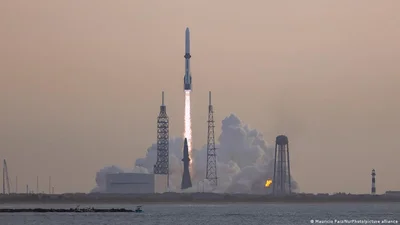
The FAA has grounded Blue Origin's New Glenn rocket after its third launch failed to place a satellite into the correct orbit. The upper stage engine underperformed, causing the AST SpaceMobile satellite to reach only about 95 miles instead of the planned 285-mile orbit, leading to its destruction upon reentry. Blue Origin must now conduct a thorough investigation and implement corrective actions before flights can resume, potentially delaying Amazon's satellite broadband plans and the Artemis lunar missions.
-
NASA Engineers Analyze Artemis II Success
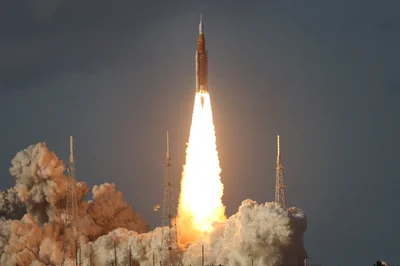
Following the successful splashdown of NASA's Artemis II mission, engineers have begun an in-depth analysis of the Orion spacecraft, SLS rocket, and launch pad systems. The Orion's heat shield performed exceptionally well during reentry, with significantly reduced char loss compared to Artemis I. These assessments are crucial for refining hardware and procedures ahead of Artemis III, slated for 2027, which will pave the way for lunar surface missions and future Mars exploration.
-
Voyager 1 Powers Down Another Instrument
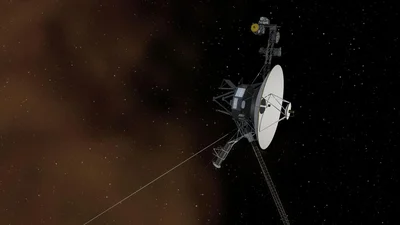
NASA has shut down the Low-Energy Charged Particles (LECP) instrument on Voyager 1 to conserve power as the spacecraft ventures through interstellar space. Now operating with only two science instruments, Voyager 1 continues to send valuable data from beyond the solar system despite its aging nuclear power source. Engineers plan to implement a new energy-saving strategy called the “Big Bang” to extend the mission’s life for about another year.
-
NASA Unveils Artemis III Rocket Core
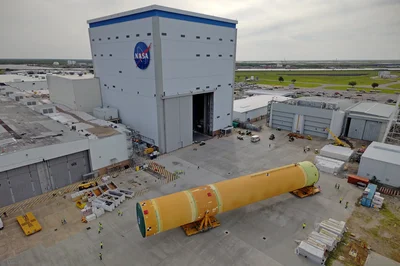
NASA has rolled out the core stage of its Space Launch System (SLS) rocket for the Artemis III mission, set to launch astronauts to the Moon in 2027. This critical component, housing massive liquid hydrogen and oxygen tanks, was transported from New Orleans to Florida for final assembly. The rollout marks a major milestone in NASA's plan to return humans to the lunar surface and eventually reach Mars. Next, the rocket will undergo integration and testing ahead of its historic crewed lunar landing.
-
NASA Opens Media Access for SpaceX Launch
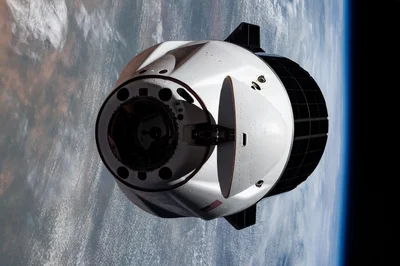
NASA has opened media accreditation for SpaceX's 34th Commercial Resupply Services mission to the International Space Station, scheduled for no earlier than May 12. The Falcon 9 rocket will deliver vital science experiments, supplies, and equipment to support ongoing research aboard the orbital laboratory. This mission highlights NASA's continued partnership with U.S. commercial providers to sustain space station operations and prepare for future deep space exploration. Media representatives must apply by April 29 to cover prelaunch and launch activities.
-
Latvia Joins Artemis Space Pact
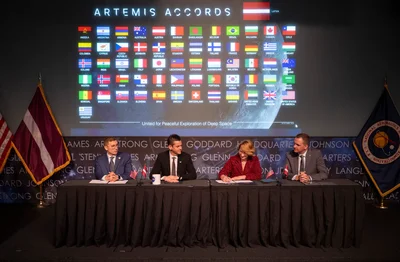
Latvia has become the 62nd nation to sign the Artemis Accords, committing to responsible and peaceful space exploration. The signing took place at NASA headquarters in Washington, with Latvia's Minister for Education and Science, Dace Melbārde, representing the country. This move strengthens international cooperation for lunar missions and future space endeavors. As NASA plans sustained lunar presence, Latvia's participation signals its growing role in the global space community.
-
Lyrid Meteor Shower Peaks April 22
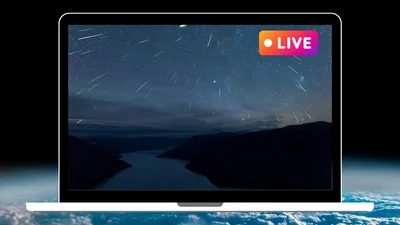
The Lyrid meteor shower is set to peak in the predawn hours of April 22, offering a spectacular celestial show. For those hindered by cloudy skies or light pollution, multiple high-quality livestreams from locations like Mauna Kea, Maine, and the Atacama Desert provide a front-row seat to the event. Viewers can even join live chats to catch meteor sightings in real time. Whether watching outdoors or online, this year's Lyrids promise a dazzling display for skywatchers worldwide.
-
Hubble Unveils Star Birth in Trifid Nebula
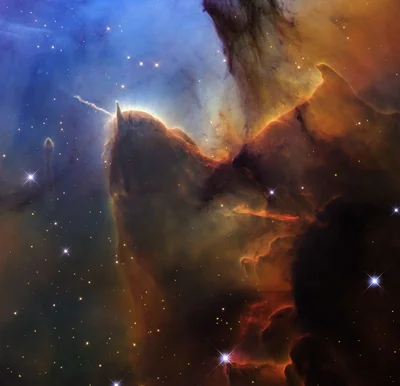
NASA’s Hubble Space Telescope has captured stunning new images of the Trifid Nebula, revealing intricate details of star formation about 5,000 light-years away. Marking Hubble’s 36th anniversary, these observations show changes over nearly three decades and highlight how massive stars sculpt the nebula, triggering fresh waves of star birth. With improved instruments and upcoming missions like the Nancy Grace Roman Space Telescope, astronomers are poised to deepen our understanding of stellar nurseries and cosmic evolution.
-
Fighting Gender Bias on Wikipedia

A dedicated group of editors, led by Carmen Galdón, has been correcting gender bias on Spanish Wikipedia for over a decade, creating hundreds of entries about overlooked women in history and science. Their work addresses the stark underrepresentation of women editors, which stood at just 11.6% in 2021, and challenges stereotypes embedded in language and content. As Wikipedia turns 25, the group faces new challenges from AI-driven search engines and reactionary discourse but remains committed to inclusive, well-sourced biographies. Their ongoing efforts highlight the importance of diverse voices in digital knowledge.