A new open-source tool called Holos brings Docker Compose-like simplicity to managing KVM virtual machines. Users can define multi-VM stacks in a single YAML file, with each VM having its own kernel and cloud-init configuration, eliminating the need for libvirt or XML. Holos supports features like health checks, volume persistence, GPU passthrough, and systemd integration for auto-start on reboot. This innovation promises to streamline complex VM deployments, making them as easy as container orchestration. Developers can now expect faster, more manageable multi-VM setups with Holos.
Dev & Open Source
Holos: Docker Compose for VMs

More from Dev & Open Source
-
Good Egg Scores GitHub PR Trustworthiness

A new open-source tool called Good Egg assigns trust scores to GitHub pull request authors based on their contribution history, aiming to combat the flood of AI-generated PRs that dilute genuine input. By mining a contributor's track record across GitHub, it provides a data-driven trust level without manual vouching. The tool supports multiple scoring models and integrates easily into PR workflows, helping maintainers prioritize reviews. As AI-generated code submissions rise, Good Egg offers a timely solution to preserve open-source quality and trust.
-
GitHub Halts Copilot Sign-Ups Amid Capacity Crunch

GitHub has paused new sign-ups for its Copilot Individual plans, including Pro, Pro+, and Student tiers, due to soaring compute demands driven by agentic workflows. The company is also tightening usage limits and adjusting model availability to maintain service reliability for existing customers. These moves come as long-running, parallelized coding sessions strain infrastructure, prompting GitHub to prioritize current users and offer refunds for April usage if dissatisfied. The pause signals ongoing challenges in scaling AI-powered developer tools amid rising demand and infrastructure costs.
-
Stalwart Labs Unveils Game-Changing v0.16 Update

Stalwart Labs has launched its most ambitious update yet with the release of v0.16, featuring hundreds of new features and a complete rebuild of its server foundation. The update introduces a revamped WebUI with external OIDC authentication, unified management via JMAP, a new CLI, and automated DNS and DKIM key management. These enhancements promise streamlined administration, improved security, and greater scalability for users. The community can expect ongoing refinements as the project continues to evolve.
-
Linux 7.1 Revives NTFS Support

Linux kernel 7.1 introduces a brand-new in-kernel NTFS driver, marking a major upgrade in how Linux handles Microsoft's filesystem. Developed by Namjae Jeon, this driver replaces older, slower solutions with a modern, high-performance implementation integrated directly into the kernel. It promises faster read/write speeds, better stability, and improved compatibility, potentially smoothing the way for users working across Linux and Windows. While early versions may still face edge-case bugs, this marks a significant step toward seamless NTFS support on Linux.
-
Elixir Postgres Pooler Gets Speed Boost
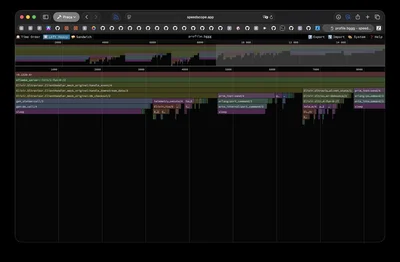
A developer shares insights from optimizing a Postgres connection pooler written in Elixir, called Ultravisor. By focusing on the transaction mode, where database connections are checked out only during queries, they achieved significant performance gains using techniques like debouncing and switching to efficient telemetry libraries. Key lessons include the importance of flame graphs for bottleneck detection and using records instead of maps for faster data access. The project remains a work in progress, with ongoing efforts to squeeze out more speed.
-
New Tool Transpiles Python to Lisp Seamlessly

A new transpiler has been developed that converts Python code into Lisp, bridging two influential programming languages. This innovation allows developers to leverage Python's simplicity with Lisp's powerful macro system and functional programming features. The tool promises to enhance interoperability and code reuse across different programming paradigms. Experts anticipate this could spark renewed interest in Lisp among Python programmers.
-
Build Your Own OPNsense Router

A detailed guide on building a custom OPNsense router reveals how to upgrade from typical ISP devices to a powerful, flexible network gateway. Using refurbished hardware like a Dell OptiPlex 3060 paired with a genuine Intel 10GbE NIC, users can harness full control over VLANs, NAT, VPNs, and firewall rules. The open-source OPNsense system offers advanced features and easy configuration backups, making it ideal for homelab enthusiasts seeking enterprise-grade networking at home. Next steps include mastering VLAN setup and exploring OPNsense’s rich monitoring capabilities.
-
Forgejo Hits 100 Releases with v15.0

Forgejo has launched its milestone v15.0, marking the 100th release of this self-hosted code collaboration platform. This update sharpens usability and security, introduces repository-specific access tokens, and enhances Forgejo Actions with reusable workflow expansions. Users should note breaking changes like default cookie renaming requiring re-login. The release sets the stage for more secure, scalable, and user-friendly development workflows.
-
Pretext.js Powers 120 FPS Web UX

Pretext.js, a lightweight TypeScript library created by Midjourney engineer Cheng Lou, revolutionizes web text layout by bypassing costly DOM reflows. This breakthrough enables advanced UX patterns like infinite lists and masonry layouts to run smoothly at up to 120 frames per second, drastically improving performance for complex web apps. The library’s AI-driven approach measures text without touching the DOM, making it up to 600 times faster than traditional methods. Developers are already embracing Pretext.js to build more dynamic, print-quality typography and responsive interfaces.