Google has rolled out Gemini-powered AI features across Workspace apps like Docs, Sheets, and Drive, moving beyond beta to general availability. These upgrades include automated spreadsheet creation and data entry in Sheets, plus AI-assisted writing tools in Docs that can match your style and help draft content. This marks a significant step in making office work faster and smarter, especially for enterprise users on AI Pro and Ultra plans. The next step will be seeing if these powerful tools become accessible to free-tier users.
Tech & Gadgets
Google Workspace Gets Gemini AI Boost
Sources (2)

More from Tech & Gadgets
-
Apple's Gemini-Powered Siri Debuts 2026

Apple is set to launch a new AI-powered Siri later this year, powered by Google's Gemini models, marking a major upgrade for the voice assistant. This collaboration was confirmed by Google Cloud chief Thomas Kurian, highlighting Apple's choice of Google as its preferred cloud provider. The revamped Siri aims to offer more personalized features and may open to third-party AI integrations, potentially creating new revenue streams. Apple plans to unveil this at WWDC 2026, with the update expected alongside iOS 27.
-
FairPrice Unveils Smart Carts Nationwide

FairPrice is set to deploy over 1,300 smart shopping carts across 48 outlets in Singapore by the end of 2026, following a successful trial in Punggol. These carts feature self-checkout, aisle navigation, and AI-powered personalized promotions, cutting checkout times to an average of 36 seconds. Integrated with Google Cloud’s AI tools, the initiative is part of FairPrice’s broader Store of Tomorrow program aimed at revolutionizing the shopping experience. Customers can expect faster, more efficient shopping with these digital innovations rolling out soon.
-
Meta Tracks Employee Data for AI Boost

Meta has launched an internal tool called Model Capability Initiative (MCI) to track employee keystrokes and mouse clicks across hundreds of websites including Google, LinkedIn, and Wikipedia. This data collection aims to train AI models more effectively, helping Meta catch up in the generative AI race against OpenAI and Google. Despite assurances of privacy safeguards, many employees have voiced concerns over potential exposure of sensitive information. Meta plans to continue refining this initiative as it pushes forward in AI development.
-
YouTube Premium Price Hike Sparks Backlash

YouTube Premium recently raised its subscription prices in the US, with the individual plan jumping from $13.99 to $15.99 and the family plan from $22.99 to $26.99. A survey by Android Authority reveals that nearly 40% of current subscribers are considering canceling or switching plans due to the increase. While 42% said they would accept the hike, the backlash highlights growing resistance among users. Despite this, YouTube likely anticipates stable revenue growth from the $2 bump and will monitor subscriber reactions closely.
-
Apple's Base Mac Mini Sells Out Fast
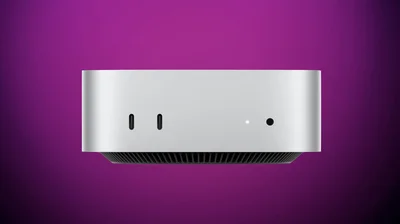
Apple's base Mac Mini with the M4 chip, 256GB storage, and 16GB RAM is now completely sold out on the Apple Online Store, marked as "Currently Unavailable." This shortage reflects soaring demand, especially from users running AI models locally, compounded by a global RAM shortage that has also impacted other Mac models. Delivery estimates for upgraded Mac Minis now stretch up to 4-5 months, signaling supply chain challenges. While an M5 Mac Mini update is expected in 2026, it may be delayed due to these memory supply issues.
-
Samsung's Refurbished Foldables Spark Pricing Debate

Samsung has launched refurbished versions of its Galaxy Z Fold 7 and Flip 7 under the Certified Re-Newed program, but the pricing has raised eyebrows. Surprisingly, some refurbished models cost more than brand-new ones currently on sale, with the base Galaxy Z Fold 7 refurbished at $1,699 versus $1,599 new. This pricing anomaly challenges the value proposition of refurbished devices, especially when new models are heavily discounted. Consumers may need to weigh storage needs carefully before choosing refurbished over new.
-
Google Transforms Chrome into AI Work Hub
At Cloud Next 2026, Google unveiled a bold vision turning Chrome from a mere browser into an AI-powered workplace platform. With features like Auto Browse for autonomous task handling, Chrome Skills for reusable AI workflows, and a persistent Gemini side panel integrated with Workspace apps, Chrome aims to become every employee’s AI colleague. The launch of Chrome Enterprise Premium adds robust security controls to ease enterprise AI adoption, tackling data leakage fears. Google's bet is that with 3.8 billion users, Chrome will dominate as the AI interface for work, challenging specialized enterprise browsers.
-
OnePlus Watch 4 Debuts with Titanium & Wear OS 6

OnePlus has quietly unveiled the Watch 4, featuring a full titanium body and running the latest Wear OS 6 with OxygenOS Watch 8. Despite the brand's uncertain global future and no official launch event, the smartwatch boasts a 16-day battery life in power saver mode and a Snapdragon W5 chip. The Watch 4 is lighter and thinner than its predecessor, with 2GB RAM and 32GB storage. However, pricing and release dates remain unknown amid ongoing company restructuring.
-
Fitbit Revamps Sleep Score for Deeper Insights
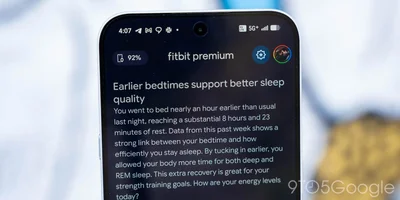
Fitbit has unveiled a redesigned Sleep Score that offers a more detailed and transparent look at your nightly rest, breaking down sleep into six key metrics like Total Sleep Duration and Restlessness. This new approach goes beyond tracking, providing actionable tips and personalized coaching through Fitbit Premium to help users improve their sleep habits. The update promises a holistic view of sleep quality, reflecting how well you truly slept, with a fresh in-app experience rolling out soon. Users should check their Fitbit app for the latest features as device support may vary.